

Laser hair therapy is often hailed as a hair restoration approach, but does it really live up to the promises? In brief:
- Promotes hair regrowth
- Improves hair density
- Strengthens hair follicles
- Minimizes hair shedding
Despite these benefits, results can vary widely from person to person.
Hair loss affects many people, leading to a search for effective treatments. Low-level laser therapy (LLLT), also called red or cold laser therapy, is one method generating interest. It aims to encourage hair growth by stimulating scalp tissues. While some find it effective, results are not guaranteed for everyone due to factors such as stage of hair loss and individual biological responses.
I’m Dr. Matthew Casavant, a physician with experience in women’s healthcare and minimally invasive surgery. Over the years, I’ve collaborated on innovative methods, including laser hair therapy, to improve patient outcomes. Let’s dig deeper into the elements that impact its effectiveness.

Key laser hair therapy vocabulary:
– laser cap for hair growth
– laser hair growth cap
– therapie bikini laser
Understanding Laser Hair Therapy
How It Works
Laser hair therapy—also known as low-level laser therapy (LLLT), red light therapy, or cold laser therapy—uses light to stimulate hair growth. But how does this process actually work?
It all starts with photons. These are tiny particles of light that, when directed onto the scalp, are absorbed by weakened scalp tissues. This absorption invigorates the cells within the hair follicles, encouraging them to enter the active growth phase. Essentially, the laser light wakes up the dormant follicles, urging them to produce healthier and thicker hair.
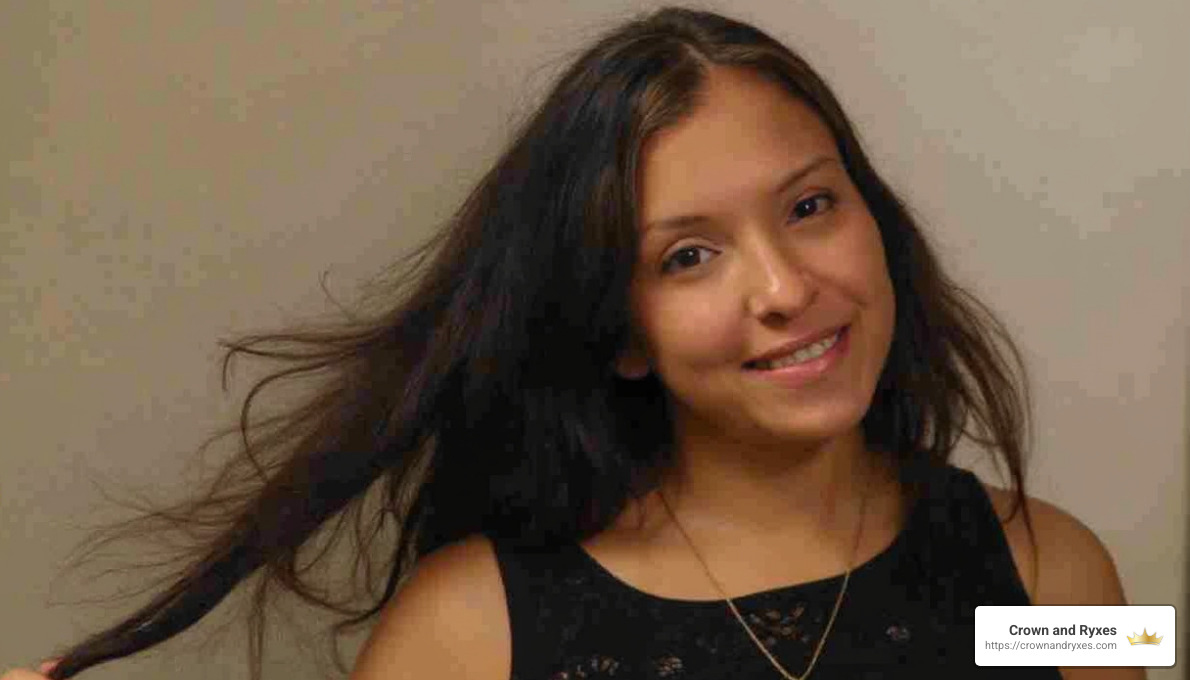
The theory behind this is simple yet fascinating: by increasing circulation and stimulation in the scalp, the therapy boosts the health and activity of hair follicles. This can lead to improved hair density and strength over time.
Safety and Tolerability
One of the standout features of laser hair therapy is its safety profile. Unlike surgical procedures, this method is non-invasive and painless. There is no need for anesthesia or recovery time, which means patients can resume their daily activities immediately after treatment.
Moreover, the therapy is generally free from side effects. This makes it a compelling option for those who are cautious about medical treatments. Clinical studies have shown that LLLT is well-tolerated, with no significant adverse effects reported.
In summary, laser hair therapy offers a gentle yet effective approach to combating hair loss. Its non-invasive nature and lack of side effects make it an attractive choice for many seeking hair restoration solutions. However, as with any treatment, individual results can vary, and it’s important to consider personal health factors and consult with a healthcare professional before starting therapy.
Effectiveness of Laser Hair Therapy
Studies and Results
Laser hair therapy has been the subject of numerous studies aimed at understanding its effectiveness for hair regrowth. While some findings are promising, results can be inconsistent.
A 2014 study found that low-level laser therapy (LLLT) was both safe and effective for hair growth in men and women. Participants experienced noticeable hair regrowth, suggesting that LLLT can be a viable option for those struggling with hair loss.
Another study conducted in 2013 focused on 41 males aged 18 to 48. It reported a 39% increase in hair growth over a 16-week period. These results highlight the potential benefits of LLLT, but it’s important to note that not everyone will experience the same level of success.
In clinical trials, increases in terminal hair count—the thicker, darker hairs—were observed. For example, a trial using the HairMax LaserComb showed significant improvements in hair density compared to a placebo group. However, the effectiveness varies, with some individuals seeing better results than others.
Factors Influencing Effectiveness
The success of laser hair therapy can be influenced by several factors. One key aspect is the stage of hair loss. Individuals in the early stages of hair thinning may see better results compared to those with advanced hair loss. This is because active hair follicles are more receptive to stimulation from the therapy.
Another factor is the use of photosensitizing medications. These medications can increase sensitivity to light, potentially affecting the safety and effectiveness of laser treatments. It’s crucial for individuals on such medications to consult with a healthcare professional before starting laser therapy.
Overall, while clinical studies provide encouraging data, the variability in results means that laser hair therapy might not work equally well for everyone. It’s essential to manage expectations and consider personal health conditions when exploring this treatment option.
Comparing Laser Hair Therapy Devices
At-Home vs. Clinical Treatments
When it comes to laser hair therapy, you have a few device options to consider: laser caps, laser bands, and laser combs. Each has its own pros and cons, especially when comparing at-home use to clinical treatments.
Laser Caps are like wearing a hat that does all the work for you. They are hands-free and cover the entire scalp, making them a convenient choice. You can wear them while watching TV or doing chores, which is a big plus. They usually require about 7 minutes per session and can cost anywhere from $200 to $1,500. The cost might seem high, but the convenience and full coverage can make it worth it for many users.
Laser Bands are designed for those with mild to moderate hair loss. They offer fast treatment times, sometimes as quick as 90 seconds. However, they require manual movement across the scalp, which might not be as convenient as the cap. Prices for these bands can range from $549 to $799.
Laser Combs require you to actively comb your hair for about 8 minutes per session. They are typically the most affordable option, with prices around $399. While they are cost-effective, they demand more effort and time, which might not be ideal for everyone.
Convenience is a huge factor in choosing between at-home and clinical treatments. At-home devices allow for daily use, which is crucial for seeing results. Clinics might offer more powerful equipment but require regular visits, which can be less convenient and more expensive over time.
Cost is another consideration. While the upfront cost of at-home devices can be significant, they often end up being cheaper than frequent clinic visits. Clinics might charge per session, and costs can add up quickly.
Frequency of use is essential for effectiveness. At-home devices are designed for regular use, often daily or several times a week. This consistency can lead to better results compared to less frequent clinic visits.
In summary, choosing between at-home and clinical treatments depends on your budget, lifestyle, and how much effort you’re willing to put in. While clinics offer professional-grade treatments, at-home devices provide the flexibility and convenience that many people prefer.
Frequently Asked Questions about Laser Hair Therapy
Does laser hair therapy really work?
Yes, laser hair therapy can be effective for promoting hair growth. Low-level laser therapy (LLLT) has been shown to stimulate hair follicles and encourage regrowth in both men and women. Clinical trials have demonstrated that LLLT can increase hair density, especially in those experiencing early stages of hair loss. However, results can vary from person to person.
In a study, 24 male participants with androgenetic alopecia saw significant improvements in hair density after 14 weeks of daily 10-minute sessions using 655 nm red light and 780 nm infrared light. Another study involving the HairMax LaserComb® showed increased hair counts and improved tensile strength in both men and women after six months of regular use.
How long does laser hair therapy last?
The duration of laser hair therapy depends on the device and treatment plan. At-home devices typically require daily or every-other-day use, with sessions lasting from 6 to 25 minutes. Most users begin to see visible results within 3 to 6 months of consistent use.
For long-term results, continued use is necessary. Once you stop treatment, hair loss may resume. Many users incorporate periodic touchups to maintain their results. Staying consistent with your treatment plan is key to achieving and sustaining hair growth.
Are there any side effects?
Laser hair therapy is generally considered safe, with minimal side effects. It is non-invasive and painless, making it an attractive option for those seeking an alternative to surgical procedures. In rare cases, some users may experience minor side effects such as dryness, itchiness, or mild headaches. However, these occurrences are uncommon, and most users tolerate the treatment well.
In summary, laser hair therapy is a promising option for individuals experiencing hair loss. While results can vary, many find it effective when used consistently. It’s a safe, non-invasive treatment with minimal side effects, making it a viable choice for both men and women.
Conclusion
At Crown and Ryxes, we understand that hair loss can be a sensitive issue. That’s why we offer personalized restoration and wellness solutions custom to your unique needs. Our laser hair therapy treatments aim to restore your hair’s former glory, providing a non-invasive and effective option for hair regrowth.
Personalized Restoration: We believe in creating a treatment plan that fits your lifestyle and hair goals. Whether you’re in the early stages of hair loss or seeking to maintain your current hair density, our team is here to guide you through every step of the process.
Wellness Solutions: Beyond just treating hair loss, we focus on overall wellness. Our approach integrates laser hair therapy with other wellness solutions to improve your hair health and boost your confidence.
Our locations in Clermont, FL, and Lady Lake, FL, are equipped with the latest technology and staffed by experienced professionals dedicated to helping you achieve your hair restoration goals. We invite you to start your personalized journey with us and find the benefits of laser hair therapy for yourself.
At Crown and Ryxes, we’re committed to supporting you on your path to healthier, fuller hair. Let’s work together to create a treatment plan that not only addresses hair loss but also promotes overall wellness. Your journey to restored confidence starts here.