

Why Understanding Your Bald Spot Is the First Step to Recovery
A bald spot can appear suddenly and shake your confidence to its core. Whether you’ve just noticed a coin-sized patch on your scalp or watched thinning progress over months, you’re not alone in this journey.
Common causes of bald spots include:
• Alopecia areata – autoimmune condition causing patchy hair loss
• Androgenetic alopecia – hereditary male/female pattern baldness
• Telogen effluvium – stress-related temporary hair shedding
• Traction alopecia – damage from tight hairstyles
• Hormonal changes – pregnancy, menopause, thyroid issues
• Medical treatments – chemotherapy, certain medications
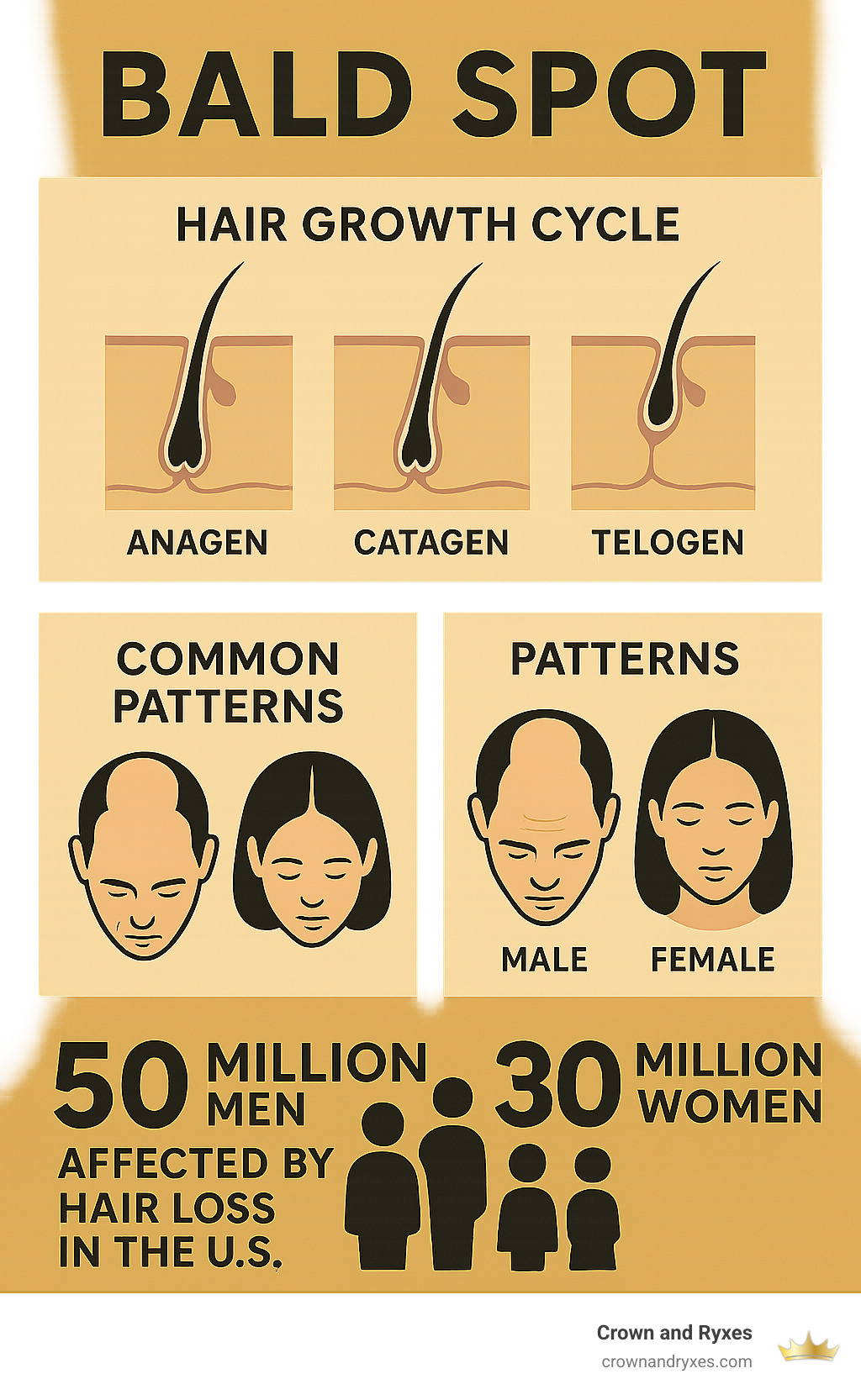
The statistics paint a clear picture: androgenetic alopecia affects more than 50 million men and 30 million women in the United States alone. About half of women and over 80% of men experience significant hair loss at some point in their lives. For many, that first bald spot becomes a wake-up call.
As the research shows, hair does more than keep our heads warm—it’s a vital part of our appearance and identity. The emotional impact of finding a bald spot can trigger frustration, self-consciousness, and even affect your professional confidence.
The good news? Most bald spots are treatable when caught early. Understanding the root cause—whether genetic, autoimmune, stress-related, or hormonal—is crucial for choosing the right treatment path.
I’m Dr. Matthew Casavant, and I’ve spent over two decades helping patients steer hair loss concerns, including diagnosing and treating various types of bald spot conditions. My experience in advanced minimally invasive procedures has shown me that early intervention and proper diagnosis make all the difference in successful outcomes.
Basic bald spot glossary:
– best hair regrowth treatment for men
– hair loss treatments
– male pattern baldness treatment
Understanding the Bald Spot Phenomenon
Finding a bald spot can feel overwhelming, but understanding what’s happening beneath your scalp can help calm those initial fears. A bald spot is simply any area where hair has stopped growing or fallen out, creating a visible patch on your scalp. These patches vary dramatically—some appear as tiny circles no bigger than a dime, while others can expand to cover significant areas.
The medical world uses the term “alopecia” to describe all types of hair loss, but not every bald spot develops the same way or needs the same treatment. Think of your scalp like a garden where different problems require different solutions.
Alopecia areata creates those perfectly round, smooth patches that seem to appear overnight. Your immune system gets confused and starts attacking your own hair follicles, thinking they’re foreign invaders. The good news? The follicles aren’t destroyed—they’re just taking an unwanted vacation.
Androgenetic alopecia works differently, causing gradual thinning that eventually becomes noticeable bald spots. Men typically see this starting at their crown or temples, while women experience more diffuse thinning across the top that can create patchy areas over time.
Telogen effluvium pushes large numbers of hair follicles into their resting phase all at once. Instead of the normal hair growth cycle, your follicles basically decide to take a break simultaneously, creating widespread thinning that can look like multiple bald spots.
Your hair naturally goes through three phases: growing (anagen), transitioning (catagen), and resting (telogen). Most people have around 100,000 to 150,000 hairs and lose 50 to 100 daily as part of this normal cycle. Problems arise when this cycle gets disrupted.
What Is a “Bald Spot” Medically?
Dermatologists classify bald spots into two main types, and this distinction determines everything about your treatment options and what you can expect moving forward.
Non-scarring alopecia keeps your hair follicles intact, even though they’re not producing hair right now. If you look closely at a non-scarring bald spot, you can still see tiny pores where hair follicles live beneath the surface. This means regrowth is possible with the right treatment approach.
Scarring alopecia permanently destroys hair follicles, leaving smooth, shiny skin with no visible pore structure. These conditions require immediate medical attention because once follicles are gone, they can’t come back.
When you visit a dermatologist, they might use specific terms to describe your bald spot pattern. “Monolocularis” means you have one patch, “multilocularis” describes multiple spots, and “ophiasis” refers to a snake-like pattern around your hairline. In medical records, alopecia areata gets coded as L63 under the ICD-10 system.
Why Does a Bald Spot Matter?
Beyond feeling self-conscious about your appearance, a bald spot creates real practical challenges you might not have considered. Your scalp loses its natural sun protection, making those exposed areas vulnerable to UV damage and increasing skin cancer risk. We always recommend sunscreen or protective headwear when you’re spending time outdoors.
The emotional impact often hits harder than any physical discomfort. Many patients tell us they avoid certain social situations, feel less confident in professional settings, or spend way too much time trying to style their hair to hide their bald spot. These feelings are completely normal and valid.
From a medical perspective, sudden hair loss can signal underlying health issues that need attention. Your bald spot might be your body’s way of telling you about thyroid problems, autoimmune conditions, or nutritional deficiencies. Getting evaluated early helps identify and address these root causes before they affect other aspects of your health.
The sooner you understand what’s causing your bald spot, the more treatment options you’ll have available. Some conditions respond beautifully to early intervention, while others require ongoing management to prevent progression.
The Root Causes: Genes, Hormones, and Beyond
When patients ask me why they developed a bald spot, I often explain that it’s rarely just one thing. Think of hair loss like a perfect storm—multiple factors usually come together to create the conditions for that first noticeable patch.
Dihydrotestosterone (DHT) acts as the main villain in most bald spot stories. This powerful hormone forms when testosterone meets an enzyme called 5-alpha reductase in your hair follicles. DHT essentially tells your follicles to shrink, producing thinner and weaker hairs with each growth cycle until they eventually give up altogether.
The fascinating thing about DHT is how selective it can be. You might notice your bald spot growing larger while the hair on the back and sides of your head remains thick and healthy. That’s because follicles in different areas have varying sensitivity to this hormone—a trait you inherit from your family.
Autoimmune attacks create an entirely different scenario for bald spot development. In conditions like alopecia areata, your immune system gets confused and starts treating your hair follicles like unwanted invaders. The good news? These follicles aren’t destroyed—they’re just taking an unwanted vacation.
Thyroid disease throws another wrench into the hair growth process. Whether your thyroid is running too fast or too slow, it can disrupt the delicate timing of your hair’s growth cycle. Many patients are surprised to learn their bald spot actually started in their thyroid gland.
Nutritional gaps might seem less dramatic than hormonal chaos, but deficiencies in iron, vitamin D, and zinc can absolutely trigger bald spot formation. Your hair follicles are like tiny factories that need proper raw materials to function. Without adequate nutrition, production simply slows down or stops.
Traction hairstyles create mechanical bald spots that develop slowly over time. Those tight ponytails, braids, or hair extensions might look great, but they’re literally pulling your hair out by the roots. The damage often shows up first along your hairline or wherever the tension is greatest.
Medications sometimes cause unexpected bald spot development as a side effect. While chemotherapy drugs are the most well-known culprits, blood thinners, antidepressants, and even some blood pressure medications can trigger hair loss. We always review your complete medication list when investigating new hair loss.
Postpartum changes deserve special mention because they catch so many new mothers off guard. The hormonal rollercoaster after childbirth can create dramatic bald spot development, usually starting around three months after delivery. Scientific research on hair loss causes shows this is completely normal and usually temporary.
Hereditary Factors & Androgenetic Patterning
Your family history tells the most important part of your hair loss story. If you’re wondering whether that bald spot will get worse, look at your relatives—both sides of the family matter. The genetics involved are complex, with multiple genes contributing to your overall risk.
Male pattern baldness follows predictable pathways that we can track using standardized scales. Most men start noticing temple recession or crown thinning in their twenties or thirties. That small bald spot at the crown often becomes the most noticeable area as it gradually expands outward.
Female pattern hair loss behaves differently, usually starting with a widening part line and gradual thinning across the top of the scalp. Women rarely develop the completely smooth bald spots we see in men, but the thinning can become quite noticeable over time.
Ethnic prevalence varies significantly across different populations. Research shows African Americans have higher rates of certain types of hair loss, while Asian populations tend to experience lower rates overall. These differences reflect both genetic predisposition and cultural hair care practices.
Autoimmune Triggers & Bald Spot Flares
Alopecia areata affects nearly 7 million Americans and creates some of the most dramatic bald spot presentations we see. What makes this condition particularly challenging is how unpredictable it can be—patients often wake up to find a perfectly round patch of missing hair that wasn’t there the day before.
The autoimmune attack happens when your immune system loses its ability to recognize hair follicles as “self.” Inflammatory cells swarm the follicle area, essentially putting them into hibernation. The hair falls out, but the follicle structure remains intact beneath the surface.
Nail pitting often accompanies alopecia areata, showing up as tiny depressions that look like someone took an ice pick to your fingernails. About 20% of patients develop these changes, which help confirm the diagnosis and suggest the same immune process affects both hair and nails.
Comorbidities frequently cluster together in autoimmune conditions. If you have thyroid disease, vitiligo, or inflammatory bowel disease, you’re at higher risk for developing alopecia areata and its characteristic bald spots. This clustering isn’t coincidence—it reflects shared genetic vulnerabilities.
The prognosis varies widely depending on several factors. About half of patients see their bald spot fill in completely within a year, but many will experience multiple episodes throughout their lives. Roughly 10% progress to more extensive hair loss affecting the entire scalp or body.
Stress & Telogen Effluvium—When Life Events Cause a Bald Spot
Telogen effluvium creates some of the most emotionally challenging bald spot cases because patients often can’t figure out what triggered their hair loss. The culprit is usually a major life event that happened 2-3 months before the hair loss became noticeable.
Physical stressors like high fever, major surgery, or severe illness can push thousands of hair follicles into early retirement. Your body essentially decides that growing hair isn’t a priority when dealing with more pressing health concerns. The emotional trauma from divorce, job loss, or bereavement can trigger the same response.
The delayed timing confuses many patients who come to our office wondering why they’re developing a bald spot when everything in their life seems fine. I often have to play detective, asking about what was happening in their lives three months earlier to identify the trigger.
Unlike the round patches of alopecia areata, telogen effluvium creates diffuse thinning that can appear as multiple small bald spots or overall scalp visibility. Patients typically notice excessive shedding first—hair collecting in their brush, clogging the shower drain, or appearing on their pillow.
The recovery timeline offers hope for most patients dealing with stress-related bald spots. Once the triggering factor resolves and stress hormone levels normalize, hair follicles typically return to their normal growth cycle. Most people see significant improvement within 6-12 months without any specific treatment beyond patience and stress management.
Diagnosing Your Bald Spot: Temporary or Permanent?
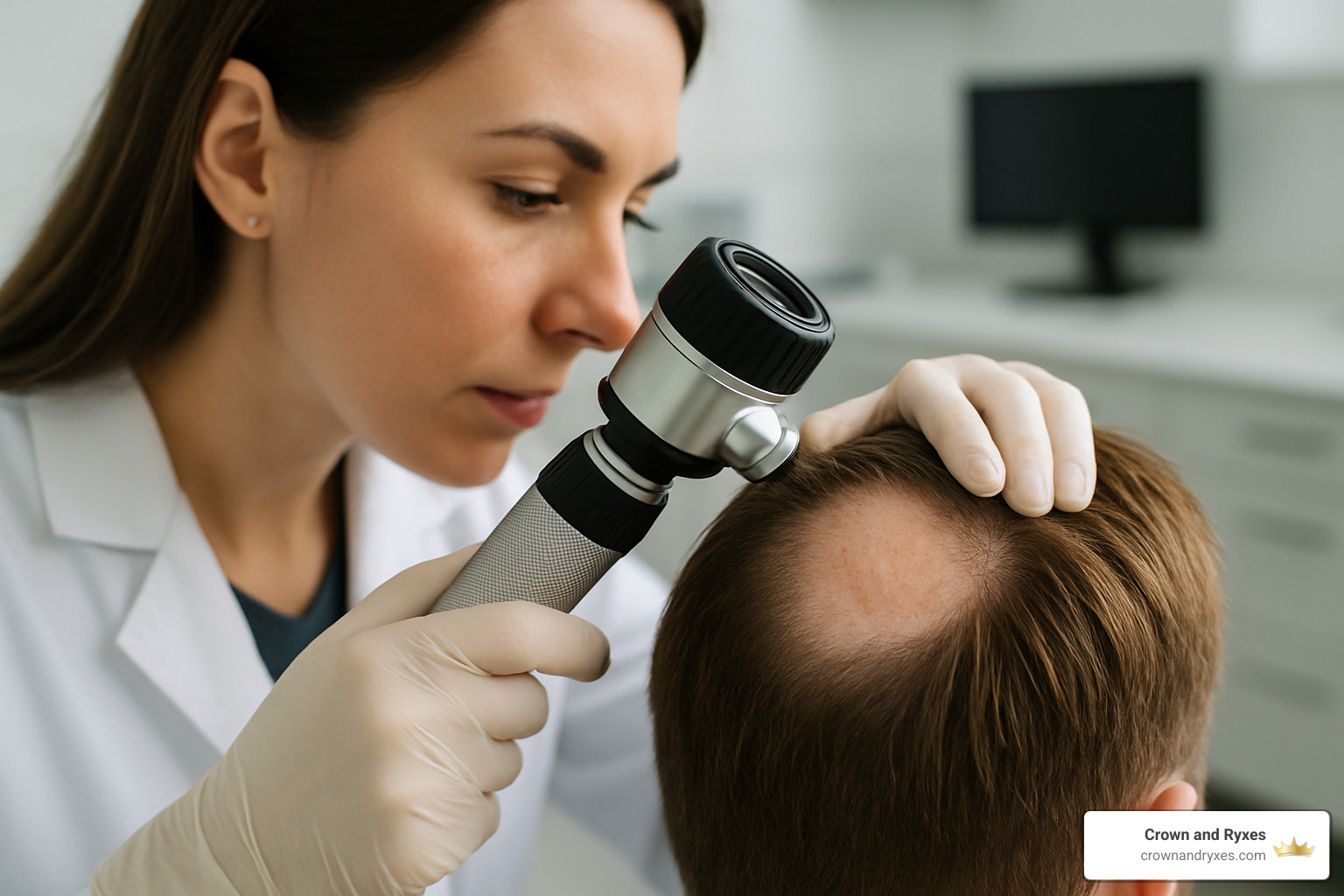
Getting the right diagnosis for your bald spot can feel overwhelming, but it’s the most important step toward recovery. Think of it like being a detective—we need to gather clues from your scalp, your health history, and sometimes your blood to solve the mystery of what’s causing your hair loss.
When you come in for an evaluation, we start by taking a close look at your bald spot itself. The shape tells us a lot—perfectly round patches often point to alopecia areata, while gradual thinning suggests androgenetic alopecia. We examine the scalp surface for any redness, scaling, or scarring that might indicate more serious conditions.
One of our favorite diagnostic tools is dermoscopy, which is basically a high-powered magnifying glass that lets us see details invisible to the naked eye. It’s completely painless and reveals fascinating information about your hair follicles and scalp health. We can spot inflammation patterns, examine individual hair shafts, and determine whether follicles are still healthy or permanently damaged.
The pull test might sound scary, but it’s actually quite gentle. We carefully grasp a small section of hair and apply steady, light pressure to see how many strands come out. If more than 10% of the hairs release easily, it suggests active shedding from conditions like telogen effluvium. When hair stays put, that’s usually good news—it means your follicles are holding strong.
Sometimes we need to look beyond your scalp to understand your bald spot. Blood tests can reveal thyroid problems, iron deficiency, or hormone imbalances that contribute to hair loss. These underlying issues are often completely treatable, which means fixing them can help restore your hair.
| Non-Scarring vs Scarring Bald Spots |
|---|
| Non-Scarring: Follicles remain intact, hair can regrow, scalp appears normal |
| Scarring: Follicles destroyed permanently, smooth shiny scalp, immediate treatment needed |
Spotting the Clues in a Bald Spot
Your bald spot is trying to tell you something, and learning to read these signals can help you get the right treatment faster. Each type of hair loss has its own signature that trained eyes can recognize.
Alopecia areata creates bald spots that look like someone used a cookie cutter on your scalp. The patches are perfectly round or oval with sharp, well-defined borders. The skin underneath looks completely normal—no redness, no scaling, just smooth scalp. Around the edges, you might notice tiny broken hairs that look like exclamation points, wider at the top than the bottom.
Androgenetic alopecia works more like a slow fade. Your bald spot develops gradually as hair becomes finer and shorter over months or years. The scalp often takes on a shiny appearance, and there’s no clear line between normal and thinning areas—it’s more like a gentle gradient.
When scarring alopecias create a bald spot, the skin itself changes dramatically. You’ll see obvious inflammation—redness, scaling, or areas that look smooth and shiny without any visible pores. These conditions often hurt, burn, or itch, unlike the typically painless non-scarring types.
Traction alopecia from tight hairstyles creates bald spots that follow the pattern of stress. The hair loss appears along hairlines or wherever ponytails, braids, or extensions pull consistently. Instead of circular patches, you’ll see linear or geometric patterns that match your styling habits.
If your bald spot appeared suddenly and has irregular shapes with inflammation, it might signal an infection or inflammatory condition requiring immediate attention. These cases can’t wait for a convenient appointment—they need prompt medical care to prevent permanent damage.
When to See a Dermatologist for a Bald Spot
Most bald spots develop gradually, giving you time to research and plan your approach. But certain warning signs mean you shouldn’t wait—they indicate conditions that can cause permanent damage if not treated quickly.
Sudden onset of a bald spot over days or weeks, especially with scalp pain, burning, or intense itching, requires immediate evaluation. These symptoms often indicate inflammatory conditions that respond well to early treatment but can cause irreversible scarring if ignored.
When your bald spot shows signs of infection—pus, crusting, red streaking, or foul odor—consider it a medical emergency. Scalp infections can destroy hair follicles permanently, but they’re completely treatable when caught early.
If you’re experiencing fever, fatigue, joint pain, or skin rashes along with your bald spot, your body might be dealing with an autoimmune or systemic condition. These cases need comprehensive evaluation to identify and treat the underlying disease affecting multiple organs.
Rapid progression that doesn’t match typical patterns also warrants urgent attention. While some bald spot conditions do develop quickly, extremely fast or extensive hair loss might indicate serious underlying disease or medication reactions requiring immediate intervention.
Don’t hesitate to seek professional help if your bald spot is affecting your quality of life, regardless of its medical urgency. Hair loss takes an emotional toll, and getting proper diagnosis and treatment can provide both physical improvement and peace of mind. Early intervention almost always leads to better outcomes, so trust your instincts if something feels wrong.
Treatment Toolbox for a Bald Spot
Modern bald spot treatment offers multiple effective options, from topical medications to advanced surgical procedures. The key is matching the right treatment to your specific condition, severity, and personal preferences. In our practice, we often combine multiple approaches for optimal results.
Topical minoxidil remains the first-line treatment for many bald spot conditions. This FDA-approved medication stimulates hair follicles and prolongs the growth phase, leading to thicker, longer hairs over time. We typically see initial results within 3-6 months of consistent use.
Finasteride, an oral medication that blocks DHT production, proves highly effective for androgenetic alopecia-related bald spots. This prescription medication can halt progression and even reverse hair loss in many patients, particularly when started early in the process.
For our patients dealing with sexual wellness concerns alongside hair loss, we often recommend REGENmax as part of a comprehensive treatment approach. This innovative therapy can address multiple aspects of men’s health while supporting overall wellness.
Corticosteroid injections directly into bald spots can stimulate regrowth in alopecia areata cases. These treatments work by suppressing the autoimmune attack on hair follicles, allowing them to resume normal function. We typically space injections 4-6 weeks apart for optimal results.
Platelet-rich plasma (PRP) therapy harnesses your body’s natural healing factors to stimulate hair regrowth. We extract a small amount of your blood, concentrate the platelets, and inject the solution into affected areas. This treatment shows particular promise for androgenetic alopecia and some cases of alopecia areata.
Advanced surgical options like Follicular Unit Extraction (FUE) can permanently restore hair to bald spots by transplanting healthy follicles from donor areas. This minimally invasive technique leaves no linear scar and provides natural-looking results when performed by experienced practitioners.
Low-level laser therapy offers a non-invasive option for stimulating hair growth in bald spots. These devices use specific wavelengths of light to energize follicular cells and improve circulation to the scalp.

Medical & Prescription Therapies for a Bald Spot
Topical minoxidil works by extending the anagen (growth) phase of hair follicles and increasing blood flow to the scalp. Available in 2% and 5% concentrations, this medication must be applied consistently to maintain benefits. Stopping treatment typically results in hair loss returning within 3-6 months.
The mechanism of minoxidil involves opening potassium channels in follicular cells, which increases cellular metabolism and promotes hair growth. While we don’t fully understand all aspects of how it works, clinical studies consistently demonstrate its effectiveness for various bald spot conditions.
Oral finasteride specifically targets the enzyme 5-alpha reductase, which converts testosterone to DHT. By reducing DHT levels by up to 70%, this medication can halt further hair loss and promote regrowth in many patients with androgenetic alopecia-related bald spots.
JAK inhibitors represent an exciting new class of medications for alopecia areata. The FDA recently approved baricitinib for severe cases, with studies showing 32% of patients achieving 80% scalp coverage at 36 weeks. These medications work by blocking the inflammatory pathways that attack hair follicles.
Topical immunotherapy using chemicals like diphencyprone (DPCP) or squaric acid dibutylester (SADBE) can stimulate hair regrowth in stubborn bald spots. These treatments create a controlled allergic reaction that may redirect the immune system away from attacking hair follicles.
Surgical & Regenerative Options to Fill a Bald Spot
Hair transplantation offers permanent solutions for bald spots caused by androgenetic alopecia or scarring conditions. Modern techniques like FUE allow us to harvest individual follicles from donor areas and transplant them to bald regions with minimal scarring and natural results.
The FUE procedure involves extracting follicular units one by one using specialized instruments, then carefully implanting them into recipient sites. This technique allows for precise placement and natural hair direction, creating seamless integration with existing hair.
Follicular Unit Transplantation (FUT) remains valuable for patients requiring large numbers of grafts. This technique harvests a strip of scalp from the donor area, allowing extraction of more follicles in a single session. While it leaves a linear scar, skilled surgeons can minimize visibility.
PRP therapy combines well with both surgical and non-surgical treatments. We often inject PRP during hair transplant procedures to improve graft survival and healing. For non-surgical cases, PRP can improve the effectiveness of topical treatments.
Scalp micropigmentation provides a cosmetic solution for bald spots that don’t respond to medical treatment. This technique uses specialized tattoo equipment to deposit pigments that mimic hair follicles, creating the appearance of density even in completely bald areas.
Natural & At-Home Support for a Bald Spot
While medical treatments form the backbone of bald spot therapy, natural approaches can provide valuable support and may help prevent future hair loss. We encourage patients to adopt comprehensive lifestyle strategies alongside conventional treatments.
Peppermint oil shows promise in preliminary studies for stimulating hair growth. Applied topically, it may safely boost circulation to hair follicles and extend the growth phase. We recommend diluting essential oils in carrier oils like jojoba or coconut oil before scalp application.
Rosemary oil has demonstrated effectiveness comparable to 2% minoxidil in some studies. This natural alternative appeals to patients seeking gentler approaches to bald spot treatment. Regular scalp massage with rosemary oil may improve circulation and follicular health.
Aloe vera provides soothing, anti-inflammatory benefits for irritated scalps. Mixed with wheat germ oil and coconut milk, it creates a nourishing treatment that may support healing in inflammatory bald spot conditions like alopecia areata.
A Mediterranean-style diet rich in omega-3 fatty acids, antioxidants, and lean proteins provides essential nutrients for hair health. We particularly emphasize foods high in iron, zinc, biotin, and vitamin D—nutrients commonly deficient in hair loss patients.
Scalp massage, even for just five minutes daily, can improve circulation and may help prevent bald spot development. The mechanical stimulation stretches follicular cells and increases blood flow, potentially supporting healthier hair growth.
Preventing the Next Bald Spot: Daily Habits That Help
Think of bald spot prevention like tending a garden—the daily care you provide today determines what grows tomorrow. After treating thousands of patients, I’ve learned that simple, consistent habits often make the biggest difference in maintaining healthy hair.
The good news? Most bald spot prevention doesn’t require expensive products or complicated routines. It’s about being gentle with your hair, protecting your scalp, and supporting your body’s natural ability to grow healthy hair.
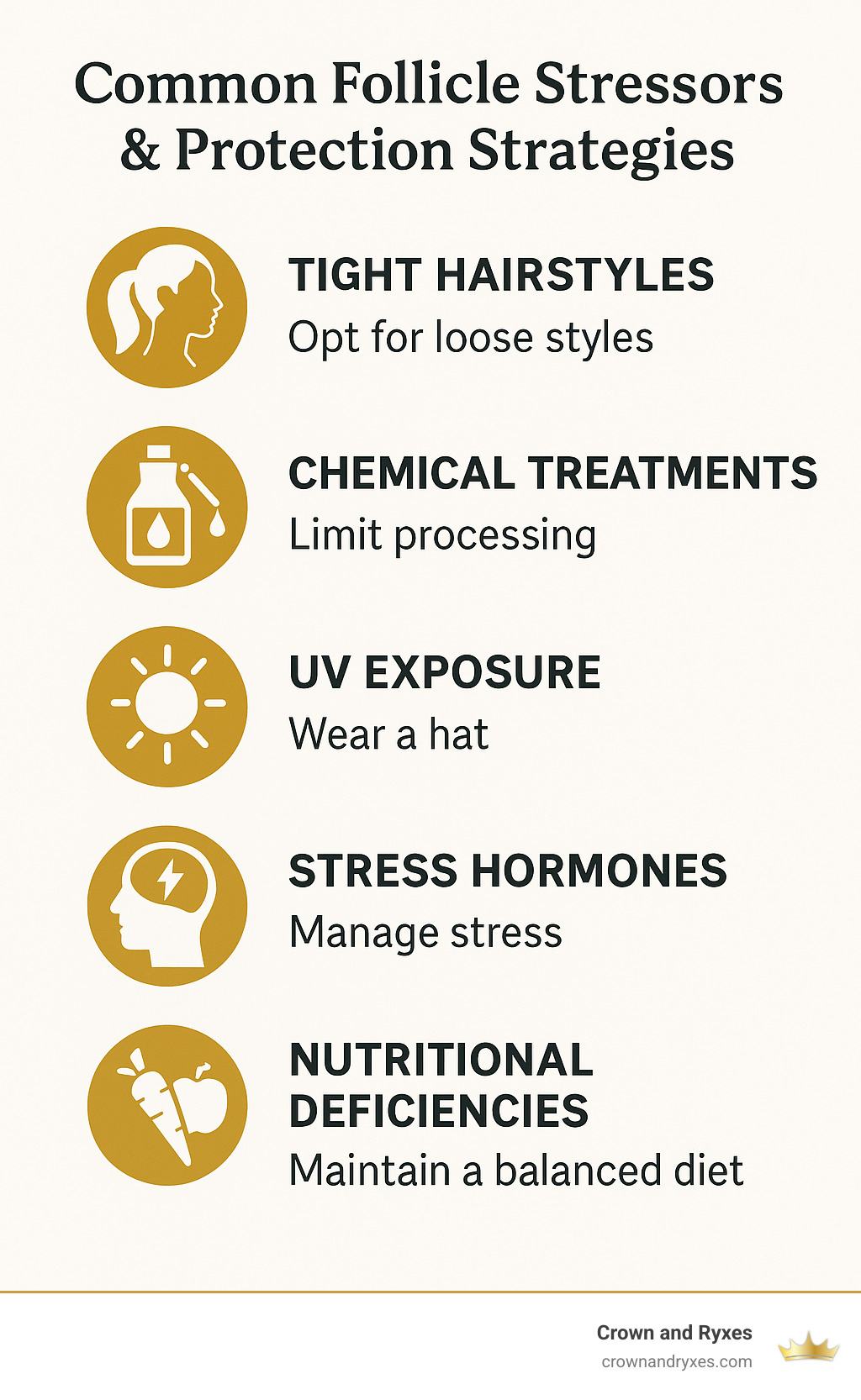
Your hair follicles face daily stressors that can gradually weaken them over time. Heat styling damages the hair shaft and can inflame follicles. Tight hairstyles create constant tension that slowly destroys follicular structure. UV radiation penetrates the scalp and creates oxidative stress. Poor nutrition deprives follicles of essential building blocks they need to function.
Understanding these stressors helps you make smarter choices. When you see hair loss in your family, you can start protective habits early. When life gets stressful, you can take extra care of your scalp. When you notice early thinning, you can adjust your routine before a bald spot develops.
The most effective prevention strategies work by reducing follicular stress while supporting natural hair growth cycles. This means being gentler with styling, protecting against environmental damage, managing stress levels, and maintaining steady nutrition.
Hair-Care Practices That Protect Follicles
Your daily hair care routine either supports healthy follicles or slowly damages them. Small changes in how you wash, style, and handle your hair can prevent future bald spot development.
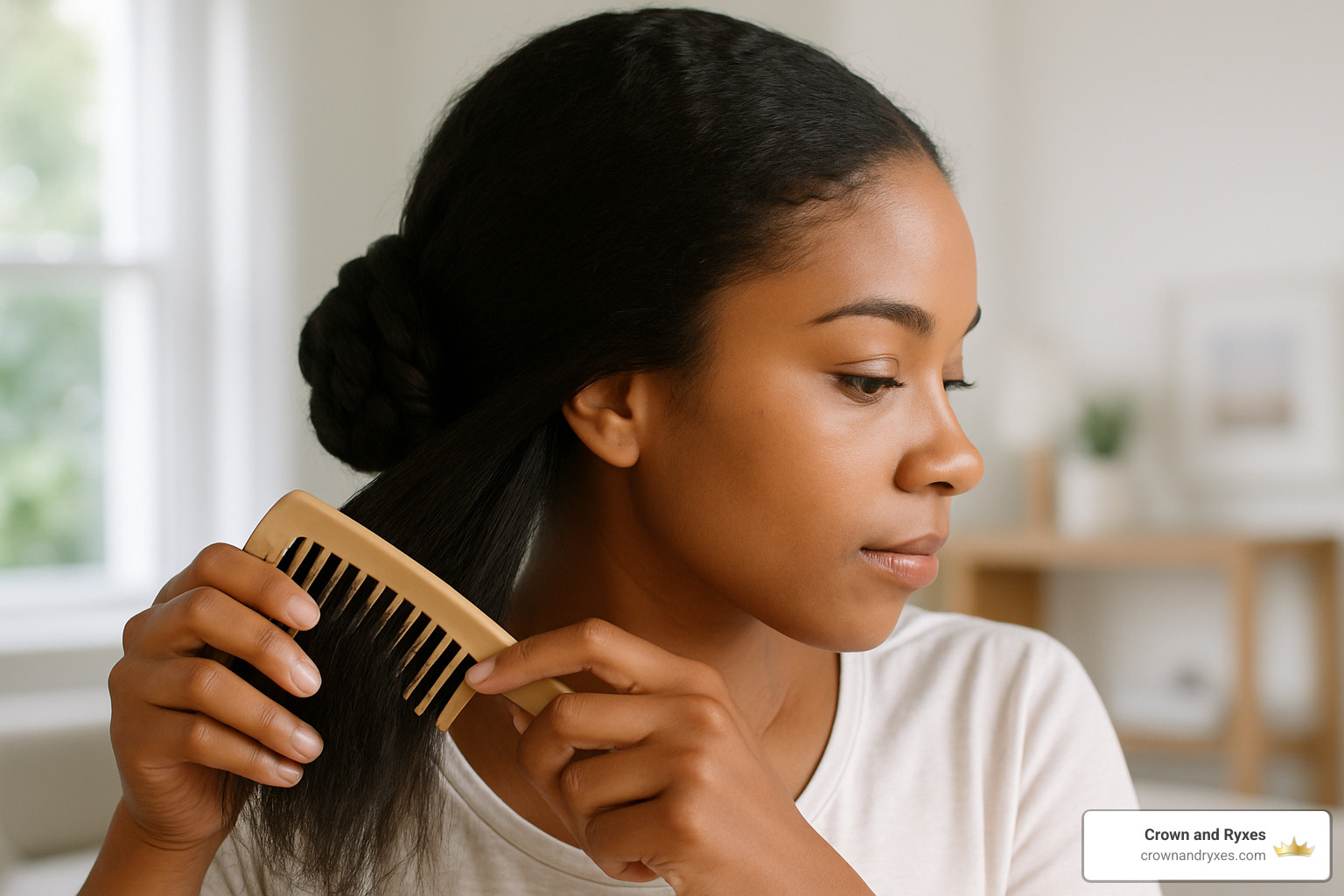
Gentle handling starts the moment you wake up. Instead of roughly towel-drying your hair, gently squeeze out excess water and pat dry. Use a wide-toothed comb on wet hair, starting from the ends and working upward. Never brush wet hair aggressively—it’s when hair is most vulnerable to breakage.
Heat protection becomes crucial if you regularly style your hair. When you do use blow dryers, curling irons, or straighteners, always apply a heat protectant first and use the lowest effective temperature. Consider air-drying when possible, or use the cool setting on your blow dryer to finish styling.
Avoiding excessive tension prevents traction alopecia, a common cause of bald spot formation along hairlines. If you love ponytails, alternate between high and low positions. Use soft hair ties instead of rubber bands. Sleep with loose braids or silk pillowcases to reduce friction.
Chemical processing should be spaced carefully to avoid overwhelming your hair and scalp. If you color, perm, or chemically straighten your hair, wait at least six to eight weeks between treatments. Deep conditioning treatments between chemical services help maintain hair strength.
Scalp hygiene supports healthy follicles without over-cleaning. Wash your hair two to three times per week with sulfate-free shampoos that won’t strip natural oils. If you exercise frequently, rinse with water on non-wash days to remove sweat and buildup.
Moisturizing routines keep your scalp healthy, especially in dry climates or heated indoor environments. Lightweight oils like jojoba or argan oil can nourish the scalp without clogging follicles. Apply sparingly to avoid greasy buildup.
Lifestyle & Nutritional Keys to Bald-Spot Defense
Your overall health directly impacts your hair’s ability to grow strong and resist bald spot formation. The lifestyle choices you make every day either support or undermine follicular health.
Iron levels deserve special attention, particularly for women who may lose iron through menstruation. Iron deficiency is one of the most common nutritional causes of hair loss. Include iron-rich foods like lean meats, spinach, lentils, and fortified cereals in your regular diet. If you suspect deficiency, ask your doctor for testing.
Vitamin D plays important roles in follicular health and immune function. Many people with alopecia areata have low vitamin D levels, and maintaining adequate amounts may help prevent bald spot recurrence. Spend time outdoors when possible, and consider discussing supplementation with your healthcare provider.
Zinc supports protein synthesis essential for hair growth. Deficiency can contribute to hair loss, while adequate levels promote healthy follicular function. Oysters, pumpkin seeds, chickpeas, and lean meats provide excellent zinc sources.
Stress management prevents telogen effluvium, a common cause of sudden bald spot development. Regular exercise improves circulation while reducing stress hormones that can push follicles into resting phases. Meditation, yoga, deep breathing, or regular counseling can help you develop healthy stress responses.
Quality sleep supports the hormonal balance necessary for healthy hair growth. Poor sleep increases stress hormones and disrupts cellular repair processes. Aim for seven to nine hours nightly with consistent bedtimes and wake times.
Mindful eating provides steady nutrition without the dramatic changes that can trigger hair loss. Crash diets, extreme calorie restriction, or sudden dietary changes can shock follicles into dormancy. Focus on balanced meals with adequate protein, healthy fats, and complex carbohydrates.
Regular exercise improves circulation to the scalp while reducing stress levels. Aim for 150 minutes of moderate activity weekly, including both cardiovascular exercise and strength training. Just remember to rinse sweat from your scalp after workouts to prevent buildup.
Coping with the Emotional Impact of a Bald Spot
Finding a bald spot can feel like a punch to the gut. One day you’re brushing your hair normally, and the next you’re staring at a patch of scalp that wasn’t visible before. If you’re feeling overwhelmed, anxious, or even a bit angry about this findy, you’re experiencing completely normal emotions that millions of people face every year.
The psychological impact of hair loss often catches people off guard. Many patients tell us they didn’t realize how much their hair meant to their identity until it started disappearing. That bald spot might make you avoid mirrors, skip social events, or feel self-conscious during video calls. These feelings are valid and deserve attention alongside any medical treatment.
Support groups offer something that friends and family—no matter how well-meaning—often can’t provide: genuine understanding from people who’ve walked in your shoes. When someone else describes the exact anxiety you feel about windy days or bright overhead lighting, you realize you’re not alone in this journey. Many groups meet both in-person and online, making it easy to connect with others facing similar bald spot challenges.
Professional counseling can be incredibly helpful during this adjustment period. Therapists who specialize in body image and medical conditions understand that hair loss affects much more than appearance. Cognitive-behavioral therapy has proven particularly effective at helping people develop healthy coping strategies and maintain confidence while treating their bald spot.
Styling techniques become your secret weapons while treatments work their magic. A skilled stylist can show you how strategic cuts, volumizing products, and creative styling can minimize your bald spot’s visibility. Many patients are amazed at how much difference the right approach makes to their confidence.
Wigs and hairpieces have come a long way from the obvious-looking options of decades past. Today’s pieces look remarkably natural and can provide immediate confidence while you pursue medical treatments for your bald spot. Many insurance plans even cover these devices when prescribed for medical hair loss conditions.
Mindfulness practices help manage the stress and anxiety that often accompany bald spot findy. Simple breathing exercises, meditation apps, or gentle yoga can reduce stress hormones that might actually worsen certain types of hair loss. Plus, feeling calmer makes everything else more manageable.
Building Confidence While Treating a Bald Spot
Working with a stylist who understands hair loss can completely change your perspective on managing your bald spot. These professionals know tricks that regular stylists might not—like how to use creative cutting techniques to redistribute hair coverage or which products work best for thinning areas.
Layering and texturizing can work wonders for camouflaging a bald spot while maintaining a stylish appearance. Your stylist might suggest shorter styles that create more volume or strategic length variations that draw attention away from problem areas. The goal isn’t to hide who you are—it’s to help you feel confident while your hair recovers.
When bald spots affect eyebrows or eyelashes, makeup techniques become valuable tools. Learning to use brow pencils, powders, or even temporary tattoos can help maintain a polished look. False lashes and lash serums can restore fullness to thinning lash lines.
Hair fibers and concealing powders offer quick solutions for smaller bald spots. These products cling to existing hairs and create the illusion of density, washing out easily with your next shampoo. They’re perfect for special occasions or days when you need an extra confidence boost.
Building confidence goes beyond just addressing your bald spot. Focusing on accomplishments, pursuing hobbies you enjoy, and nurturing relationships reminds you that hair doesn’t define your worth. Many patients find that dealing with hair loss actually helps them develop resilience and perspective they didn’t know they had.
The journey from finding a bald spot to feeling confident again takes time. Be patient with yourself as you explore treatment options and develop coping strategies. Most importantly, seeking help—whether medical, emotional, or cosmetic—shows strength, not weakness.
Frequently Asked Questions about Bald Spots
Can a Bald Spot Grow Back on Its Own?
This is probably the most common question we hear from patients who’ve just finded their first bald spot. The encouraging news is that many bald spots do regrow naturally, especially when they’re caused by alopecia areata or stress-related telogen effluvium.
Research gives us some solid hope here—between 34-50% of alopecia areata patients see complete regrowth within one year without any treatment at all. That’s nearly half of all patients! The hair follicles aren’t destroyed; they’re just taking an unexpected break from their job.
Your chances of spontaneous recovery improve significantly if you have just one or a few small patches rather than multiple bald spots scattered across your scalp. Age matters too—younger patients, especially children and young adults, tend to bounce back more easily than older individuals.
We’ve noticed that patients who develop their first bald spot recently (within the past year) have better odds of natural regrowth. If you don’t have nail changes like pitting or other autoimmune conditions, that’s another positive sign that your bald spot might fill in on its own.
Even when natural regrowth is likely, many of our patients choose treatment anyway. Why wait and worry when we can often speed up the process and reduce the chance of future bald spots? Early intervention typically leads to better outcomes overall.
How Long Before Treatments Show Results on a Bald Spot?
Patience becomes your best friend when treating a bald spot. I know it’s frustrating to apply treatments daily while staring at that patch in the mirror, but hair growth simply takes time—even with the best therapies available.
Topical minoxidil requires 3-6 months of consistent daily use before you’ll notice meaningful improvement in your bald spot. Around month three, many patients start seeing fine, almost fuzzy new hairs appearing. These gradually thicken and darken over the following months, so don’t give up if early results look wispy.
Corticosteroid injections work faster for alopecia areata-related bald spots. You might see new hair sprouting within 4-12 weeks after your first injection session. However, most patients need multiple rounds spaced about a month apart to achieve full regrowth.
If you’re considering a hair transplant for your bald spot, prepare for a longer journey. The transplanted hairs actually fall out first (this is normal!), then new growth begins around 3-4 months. You’ll see significant improvement by 8-12 months, with final results taking up to 18 months.
PRP therapy typically requires 3-4 initial sessions over several months, with gradual thickening of your bald spot. Most patients need maintenance treatments every 6-12 months to sustain results, but the improvement builds progressively with each session.
Is Every Bald Spot a Sign of Permanent Hair Loss?
Absolutely not, and this misconception causes unnecessary panic for many patients. Most bald spots are actually temporary conditions that respond well to treatment or even resolve on their own.
Telogen effluvium, which creates patchy thinning that can look like multiple small bald spots, usually resolves completely within 6-12 months once we identify and address the trigger. Whether it’s stress, illness, or hormonal changes, removing the cause typically restores normal hair growth.
Alopecia areata can be unpredictable, but it definitely doesn’t mean permanent loss. Even when bald spots come and go throughout someone’s life, each episode has the potential for complete regrowth. We’ve seen patients with decades between episodes, and others who regrow hair completely and never experience another bald spot.
Several signs suggest your bald spot is likely temporary: sudden onset following a clear trigger like surgery or emotional stress, smooth scalp surface without scarring or inflammation, tiny fine hairs still visible in the affected area, and positive response to initial treatments.
The main exception is scarring alopecia, which does cause permanent bald spots by destroying hair follicles completely. These conditions create smooth, shiny skin without any visible pores where follicles used to be. This is exactly why we emphasize early evaluation—catching scarring conditions quickly can prevent further permanent damage.
The bottom line? Most bald spots have excellent potential for regrowth with proper diagnosis and treatment. Even when hair loss recurs, it doesn’t automatically mean you’re facing permanent baldness.
Conclusion
Understanding your bald spot is the first step toward effective treatment and emotional healing. Whether you’re dealing with autoimmune alopecia areata, genetic androgenetic alopecia, or stress-related telogen effluvium, early intervention offers the best chance for successful outcomes.
The landscape of bald spot treatment continues evolving, with new therapies like JAK inhibitors and advanced regenerative techniques offering hope for previously untreatable conditions. However, the fundamentals remain unchanged: accurate diagnosis, appropriate treatment selection, and patient education form the foundation of success.
At Crown and Ryxes, we understand that each bald spot tells a unique story. Our comprehensive approach combines cutting-edge medical treatments with compassionate care, addressing both the physical and emotional aspects of hair loss. Whether you’re in Clermont, FL, or The Villages, FL, our team is ready to help you steer this journey.
Hair loss affects millions of people, and seeking help is a sign of taking control, not giving up. The sooner you address a bald spot, the more treatment options remain available and the better your chances for optimal results.
Don’t let a bald spot define your confidence or limit your life. With proper evaluation, appropriate treatment, and ongoing support, most patients can achieve significant improvement in both hair density and quality of life.