

Why Understanding Your Balding Treatment Options Matters
Balding treatment options are more diverse and effective than ever. Affecting at least 80% of men and half of women by age 70, hair loss is a common concern, but modern treatments can slow, stop, or even reverse it when started early. Key options include:
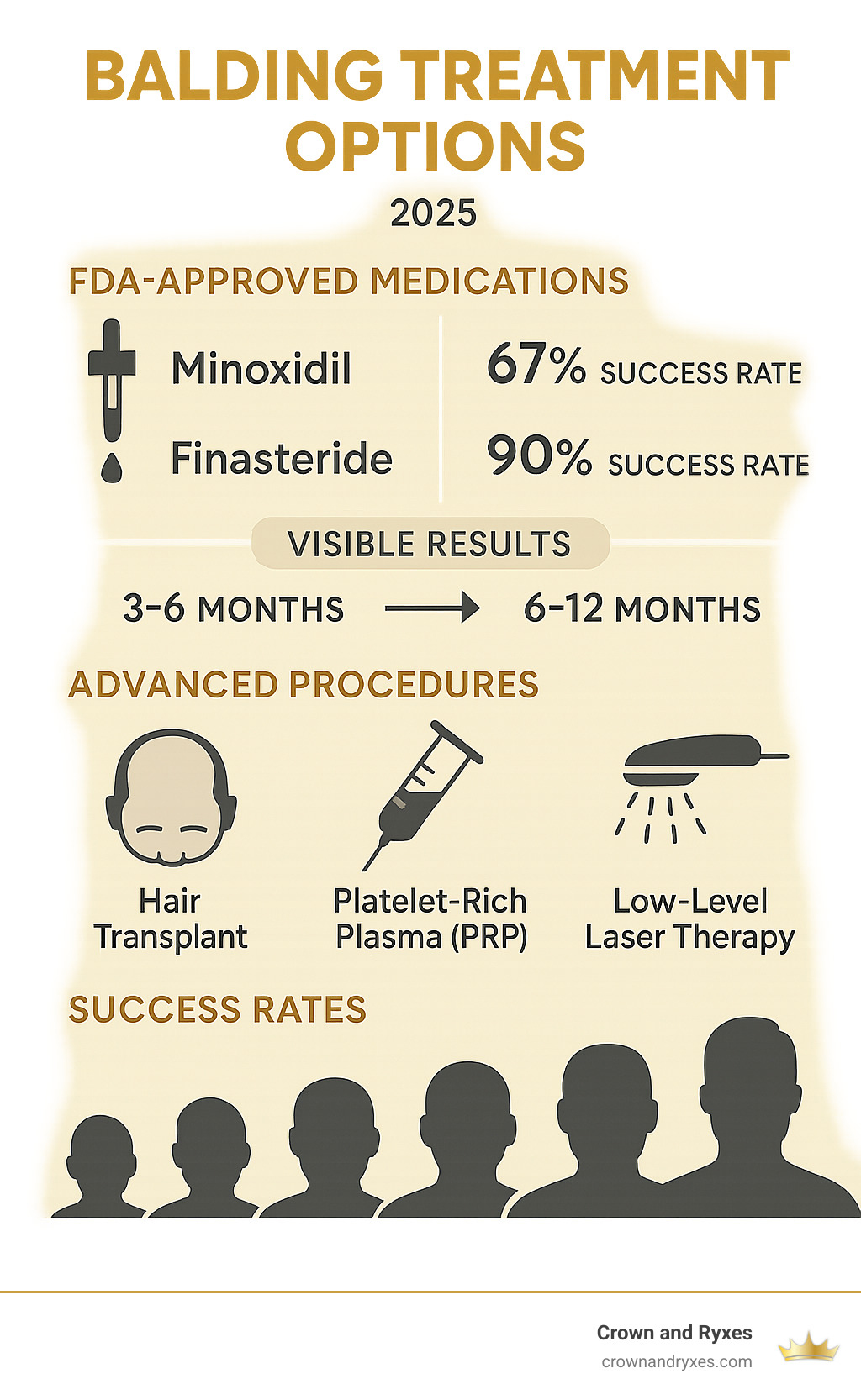
- FDA-Approved Medications: Minoxidil (Rogaine) and Finasteride (Propecia) are proven to stimulate growth and block the DHT hormone responsible for hair loss.
- Advanced Procedures: Hair transplant surgery offers a permanent solution, while Platelet-Rich Plasma (PRP) and Low-Level Laser Therapy use your body’s healing factors and light energy to boost follicle health.
- Hormonal Treatments: Spironolactone is an effective option for women, and combination therapies often yield the best results.
The key is to treat androgenetic alopecia (common baldness) as the medical condition it is, requiring a proper diagnosis and evidence-based treatment.
As Dr. Matthew Casavant, with over 20 years of experience, I apply a careful, personalized approach to hair restoration. My goal is to help you understand the science behind each treatment so you can make an informed decision about your care.
Understanding Hair Loss: Types and Causes
Understanding the cause of your hair loss is the first step toward finding the right balding treatment options. By age 50, over half of men show signs of male pattern hair loss, so you are not alone, and effective treatments are available.
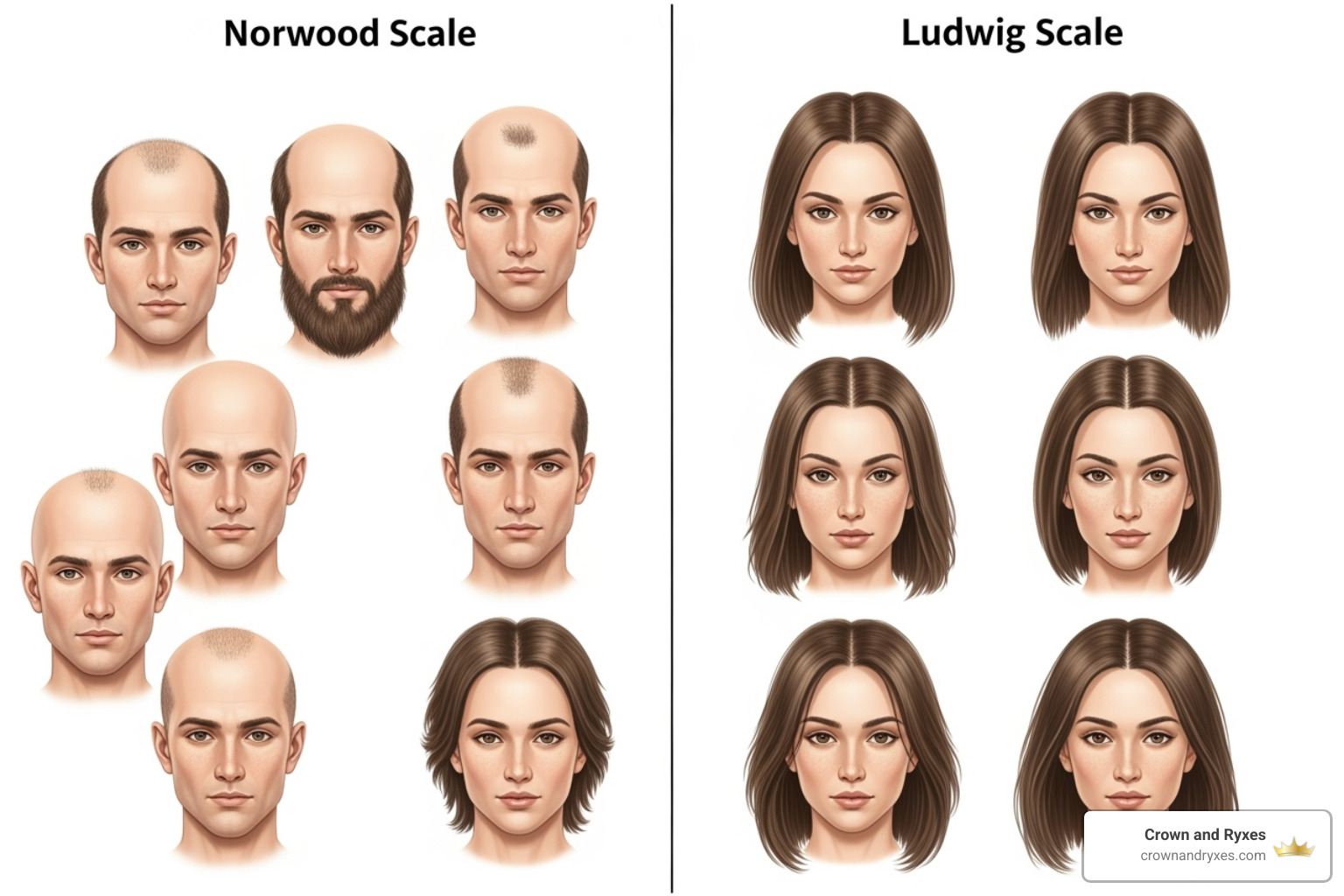
What are the different types of hair loss?
- Androgenetic Alopecia: The most common type, known as male or female pattern baldness. It’s caused by a genetic sensitivity to the hormone Dihydrotestosterone (DHT), which shrinks hair follicles over time.
- Telogen Effluvium: This is temporary hair shedding triggered by significant stress on the body, such as childbirth, surgery, or severe illness. Hair growth typically resumes once the stressor is resolved.
- Alopecia Areata: An autoimmune condition where the body attacks its own hair follicles, causing round, patchy bald spots.
- Traction Alopecia: Hair loss caused by constant pulling from tight hairstyles, which can permanently damage hair roots over time.
The Impact of Diet, Stress, and Health
Your overall health is directly linked to your hair. Nutritional deficiencies, especially in iron, zinc, and protein, can disrupt hair growth. Scientific research on Zinc’s role in hair health highlights its importance for hair tissue repair.
Chronic stress can push hair follicles into a resting phase prematurely, leading to increased shedding. Likewise, underlying medical conditions like thyroid disorders or diabetes can contribute to hair loss.
A combination of genetic predisposition and hormonal changes is the primary driver for pattern baldness. A proper diagnosis is crucial for creating a treatment plan that targets your specific cause of hair loss.
FDA-Approved Medications for Balding
For scientifically-backed balding treatment options, FDA-approved medications are the gold standard. The two leaders, Minoxidil and Finasteride, have helped millions slow hair loss and regrow hair through different mechanisms.
How they work: Minoxidil and Finasteride
Minoxidil (Rogaine) is an over-the-counter topical treatment (foam or liquid) applied directly to the scalp. It works by widening blood vessels around the follicles, improving blood flow and extending the hair’s growth phase. It is effective for about 67% of men who use it consistently.
Finasteride (Propecia) is a daily prescription pill that targets the root cause of male pattern baldness. It inhibits the enzyme that converts testosterone to DHT, the hormone that shrinks follicles. This approach is highly effective, with about 90% of men seeing their hair loss slow or stop.
Common Medications and Their Side Effects
All medications have potential side effects. Topical minoxidil may cause scalp irritation, itchiness, or unwanted facial hair if it drips. An initial shedding phase is common and usually indicates the treatment is working.
Finasteride’s side effects can include sexual dysfunction, such as decreased libido or erectile dysfunction, in a small percentage of men (2-19%). For those who experience these issues, we can explore REGENmax for sexual wellness. It’s important to have an open conversation with your provider, as the nocebo effect (experiencing side effects simply because you’re aware of them) can also play a role.
Specific Treatments for Women
Women’s hair loss requires a different approach. While minoxidil is effective for women, finasteride is not recommended due to risks of birth defects.
Instead, Spironolactone is a common prescription that acts as an anti-androgen, with studies showing over 70% of women see stabilization or improvement. Low-dose oral minoxidil is another popular and convenient option for women, offering strong results with a good safety profile. Finding the right treatment depends on your unique health profile and goals.
Advanced and Non-Medicinal Balding Treatment Options
When medications aren’t enough, advanced balding treatment options offer more powerful solutions. These include surgical procedures that move hair and non-surgical therapies that stimulate existing follicles. Combining approaches often yields the best results.

Hair Transplant Surgery
For the most dramatic and permanent results, hair transplant surgery is the premier choice. It’s the only treatment that can place new, growing hair in areas where follicles are gone.
Follicular Unit Extraction (FUE) is a revolutionary, minimally invasive technique. Instead of a linear scar, we individually extract healthy, DHT-resistant follicles from the back of your scalp and transplant them to thinning areas. Using SmartGraft technology, this precise process results in tiny puncture sites that heal quickly with virtually no visible scarring. With graft survival rates over 90%, the transplanted hair grows naturally for life. Learn more about our Hair Transplant Services and FUE Hair Restoration.
Low-Level Laser Therapy (LLLT)
Low-Level Laser Therapy is an FDA-cleared red light therapy that stimulates hair follicles at a cellular level. The light energy increases blood flow and boosts cellular activity, giving your hair cells the energy they need to grow. Convenient at-home devices like our Laser Cap for Hair Growth make treatment easy, but consistency is crucial for seeing improvements in hair density and thickness.
Platelet-Rich Plasma (PRP) for Balding Treatment Options
PRP therapy harnesses your body’s own healing power. We draw a small amount of your blood, isolate the platelet-rich plasma packed with growth factors, and inject it into your scalp. These growth factors stimulate dormant follicles, encourage new growth, and thicken existing hair.
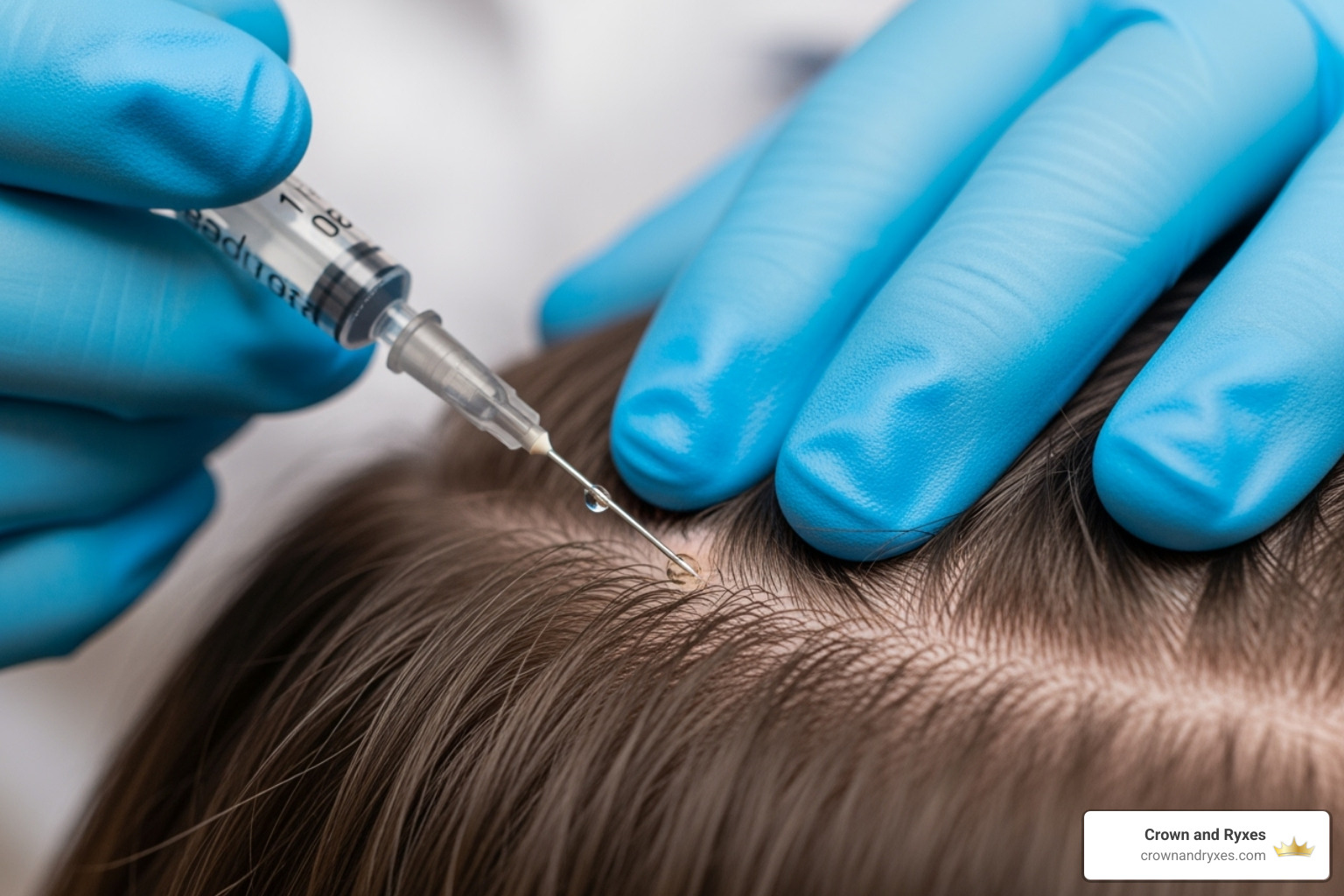
Most patients require 3-4 initial sessions followed by maintenance treatments. PRP is also used to improve healing and graft survival for hair transplants. See the Cleveland Clinic’s research on PRP therapy for hair regrowth and our PRP Hair Treatment page for more details.
We also offer Mesotherapy for Hair Loss (microneedling) and cutting-edge Stem Cell Scalp Injections to create the optimal environment for hair growth.
Navigating Your Hair Restoration Journey
Starting your hair restoration journey is a clear path toward your goals when guided by professional expertise and realistic expectations.
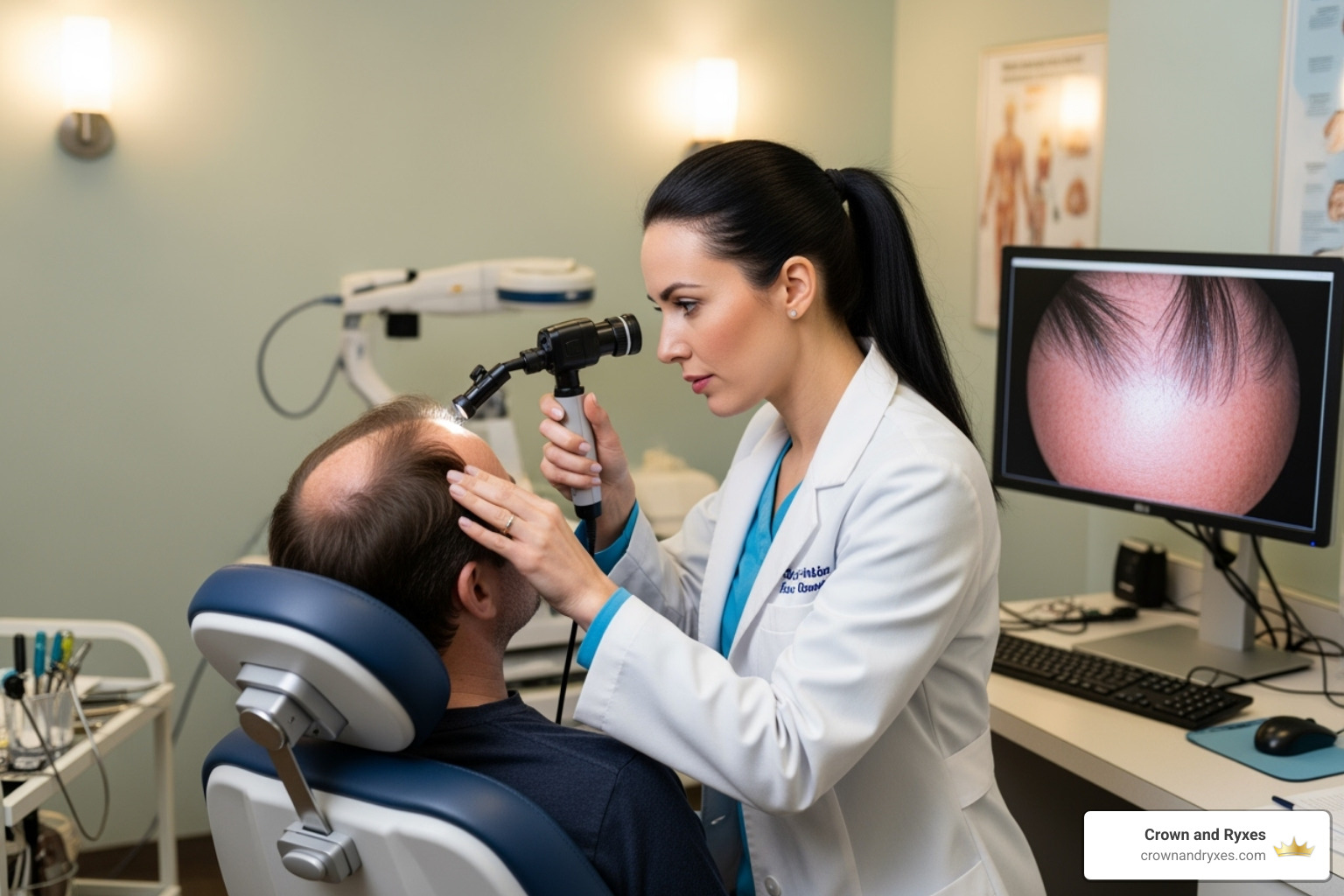
When to Consult a Dermatologist
Treat hair loss like any other medical condition. You should consult a professional if you experience:
- Sudden or extensive hair loss
- Patchy hair loss (smooth, round bald spots)
- Scalp pain, itching, or inflammation
- No improvement after months of using over-the-counter treatments
A dermatologist will diagnose the type of alopecia, rule out underlying conditions, and create a personalized treatment plan. They will also monitor your progress and adjust as needed. You can find a board-certified dermatologist near you or visit us at our Clermont, FL, or The Villages, FL, locations for a consultation.
Timelines and Financials for Balding Treatment Options
Patience is essential in hair restoration. Results are not overnight. Medications typically require three to six months for noticeable changes, and you may experience an initial shedding phase—this is a good sign. Procedural results, like with PRP or hair transplants, also take time, with final results often visible at the 6 to 12-month mark or later.
| Treatment | Cost Range | Results Timeline | What You’re Committing To |
|---|---|---|---|
| Minoxidil | Moderate annual cost | 3-6 months | Daily application forever |
| Finasteride | Moderate annual cost | 3-6 months | Daily pill forever |
| PRP Therapy | Higher per session | 3-6 months initial | Series of treatments, then maintenance |
| Hair Transplant | Highest one-time cost | 6-18 months for full results | One procedure, careful post-op care |
We provide full transparency on pricing during our consultations to help you make an informed decision that fits your goals and budget.
Ethical and Long-Term Considerations
Androgenetic alopecia is manageable, not curable. Like other chronic conditions, it requires ongoing attention. If you stop most treatments, hair loss will likely resume. Our goal is to help you manage the condition effectively for the long term.
We are committed to informed consent, providing honest information about efficacy, side effects (including potential sexual side effects from medications and our solution, REGENmax), costs, and your role in the treatment. Our priority is your well-being, ensuring you make decisions based on complete, unbiased information.
Frequently Asked Questions about Hair Loss Treatments
When exploring balding treatment options, questions are natural. Here are concise answers to the most common ones we hear.
How effective are natural remedies like biotin and saw palmetto?
While appealing, natural remedies have limitations. Biotin is only effective if you have a true deficiency, which is rare. Taking extra biotin won’t help if your levels are normal, as explained by the Cleveland Clinic’s expert opinion on Biotin for hair loss. Saw palmetto shows some promise as a natural DHT blocker, but research is less robust than for FDA-approved medications. Other options like rosemary oil and pumpkin seed oil have shown some positive effects in smaller studies. We generally recommend these as supportive therapies alongside proven treatments. Explore more at our Hair Restoration Natural Solutions page.
How long does it take to see results from treatments?
Patience is key. Hair growth cycles are slow, and no treatment works overnight. You may even notice a temporary increase in shedding for a month or two when starting treatments like minoxidil—this is a good sign that new, stronger hairs are coming in.
- Medications (Minoxidil/Finasteride): Expect to wait 3-6 months for initial results, with optimal improvement visible at 12 months or more.
- Procedures (PRP/Hair Transplant): With PRP, you may see less shedding in a few months. After a hair transplant, new growth begins around month 3-4, with significant results appearing at 6-12 months and full results taking up to 18 months.
Consistency is non-negotiable. Stopping treatment will cause you to lose any progress made.
Can I combine different hair loss treatments?
Yes, and it’s often the most effective strategy. Combining balding treatment options that work in different ways can produce synergistic results. A classic example is using finasteride (to block DHT) with minoxidil (to stimulate follicles). Adding Low-Level Laser Therapy or microneedling can further improve scalp health and improve the absorption of topical treatments. PRP therapy is also excellent in combination, especially for improving hair transplant outcomes. Always consult a professional before combining treatments. At our Clermont, FL, or The Villages, FL, locations, we can design a safe and effective combination plan custom to you.
Conclusion
Your journey to understanding balding treatment options should lead to hope, not frustration. The landscape of hair restoration is full of diverse and promising solutions, from FDA-approved medications like minoxidil and finasteride to advanced procedures like hair transplants, PRP, and laser therapy.
There is no one-size-fits-all answer. The best approach is one custom to your specific type of hair loss, lifestyle, and goals. Early intervention often yields the best results, but it’s never too late to explore your options.
The most critical first step is a professional consultation. A specialist can provide an accurate diagnosis, set realistic expectations, and partner with you to create a plan that works.
At Crown and Ryxes, our teams in Clermont, FL, and The Villages, FL, are dedicated to this personalized approach. We understand the personal nature of this journey and are here to support you, whether you’re addressing hair loss or exploring wellness with REGENmax.
Take control of your wellness journey. We’re here to help you find the perfect balding treatment options for you.