

Nature’s Arsenal Against Hair Loss: Why Herbal Remedies Matter
The best herbal remedy for hair loss varies by person, but research shows these natural solutions deliver real results:
Top Evidence-Based Herbal Remedies:
- Rosemary Oil – As effective as 2% minoxidil for hair growth
- Saw Palmetto – Blocks DHT production, the main cause of male pattern baldness
- Peppermint Oil – Increases blood flow and stimulates follicles
- Stinging Nettle – Rich in vitamins that support hair growth
- Pumpkin Seed Oil – Particularly effective for female pattern hair loss
Hair loss affects more than 80 million Americans, with androgenetic alopecia (male and female pattern baldness) being the most common type. While genetics play a major role, factors like stress, hormonal changes, and nutrient deficiencies can accelerate the process.
The good news? Nature offers powerful solutions that work by addressing the root causes of hair loss – from blocking DHT hormones to improving scalp circulation and providing essential nutrients your follicles need to thrive.
Unlike harsh chemical treatments, herbal remedies typically come with fewer side effects and can be gentler on your scalp and overall health. Many have been used for centuries in traditional medicine and are now backed by modern scientific research.
As Dr. Matthew Casavant, I’ve seen how addressing underlying health issues – including hormonal imbalances that contribute to hair loss – can dramatically improve patient outcomes. Through my years of medical practice, I’ve learned that finding the best herbal remedy for hair loss often requires understanding each person’s unique situation and combining natural approaches with professional guidance.
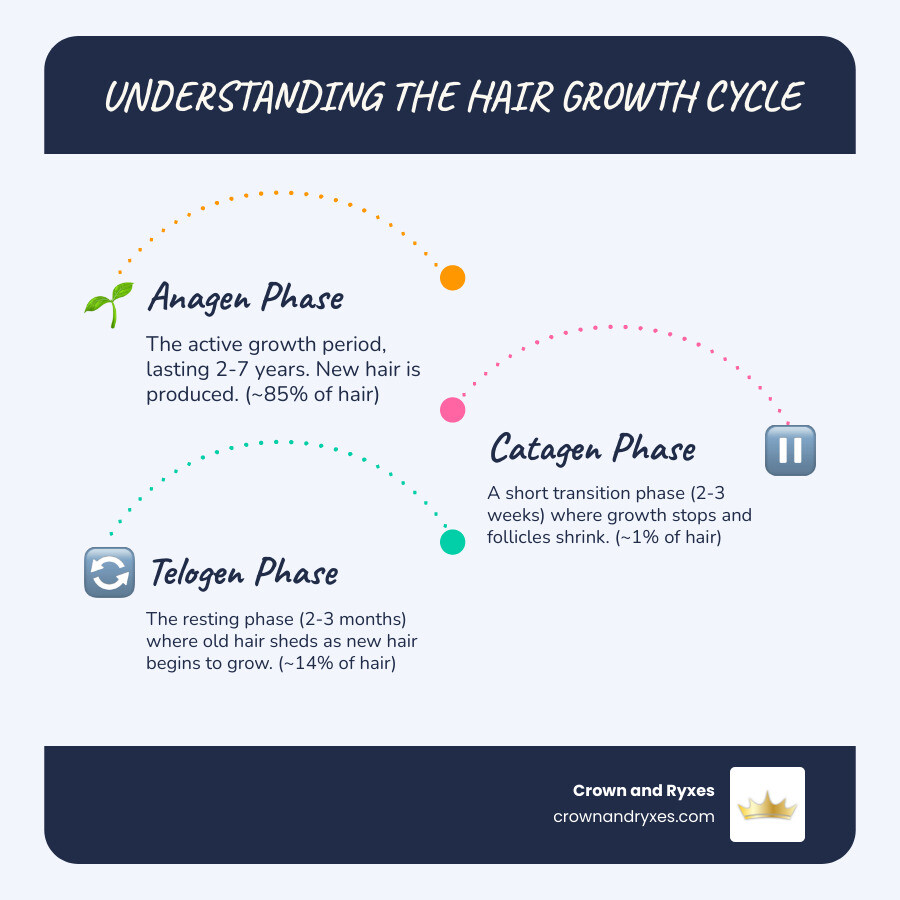
Understanding the Roots of Hair Loss
Think of hair loss like a detective story – to solve it, you need to understand the “why” behind what’s happening on your scalp. Hair loss affects an astounding number of people across the United States, with androgenetic alopecia (the fancy term for male and female pattern baldness) touching the lives of over 50 million men and 30 million women. That’s roughly one in every four adults dealing with this challenge.
Genetics often plays the starring role in this story. If you’ve ever looked at family photos and noticed a pattern of thinning hairlines or widening parts, you’re seeing heredity in action. While having parents or grandparents with hair loss doesn’t guarantee you’ll experience it too, the genetic dice are definitely loaded in that direction.
Hormonal changes are another major player, and they affect men and women differently. For men, the villain is often dihydrotestosterone (DHT) – a powerful hormone that’s essentially testosterone’s more aggressive cousin. DHT loves to shrink hair follicles in genetically sensitive areas, gradually choking off the hair’s ability to grow thick and strong. For women, hormonal shifts during pregnancy, menopause, or conditions like PCOS can trigger significant hair changes. The good news? Pregnancy-related hair loss usually bounces back within a year after delivery.
Your body’s nutritional status acts like the foundation of a house – without proper support, everything else can crumble. Nutrient deficiencies in iron, zinc, biotin, and B vitamins can leave your hair follicles struggling to do their job. Interestingly, too much of certain nutrients (like excessive vitamin A or E) can also backfire and contribute to hair loss. It’s all about finding that sweet spot, which is why we often recommend exploring Vitamins for Hair Loss with professional guidance.
Medical conditions can throw a wrench into your hair’s normal growth cycle. Autoimmune diseases like alopecia areata essentially trick your immune system into attacking your own hair follicles. Thyroid disorders, scalp infections, and even treatments like chemotherapy can disrupt the delicate balance your hair needs to thrive.
Here’s something many people don’t realize: stress and hair loss create a frustrating cycle. Chronic stress pushes hair follicles into early retirement, causing increased shedding. Then, noticing more hair loss creates even more stress. It’s like being stuck in a revolving door of worry.
The best herbal remedy for hair loss often depends on identifying which of these root causes is affecting you most. Someone dealing with DHT-related hair loss might respond beautifully to saw palmetto, while someone with stress-induced shedding might benefit more from lavender oil’s calming properties.
This is exactly why we always encourage getting to the bottom of your specific situation first. A dermatologist or hair specialist can help piece together your personal hair loss puzzle, looking at your medical history, family background, and current lifestyle factors. If you’re ready to get professional insight into what’s happening with your hair, consider connecting with a Doctor for Hair Near Me who can provide personalized guidance.
Understanding your hair loss type isn’t just academic – it’s the roadmap that helps you choose the most effective natural remedies and know what realistic results to expect.
What is the Best Herbal Remedy for Hair Loss? A Deep Dive into Nature’s Solutions
When people ask me about the best herbal remedy for hair loss, I always tell them there isn’t just one magic bullet. Instead, nature offers us a whole toolkit of powerful herbs, each working in different ways to support healthier hair growth. Some tackle the root hormonal causes, while others boost circulation or provide essential nutrients your follicles crave.
What’s exciting is that many of these traditional remedies our grandparents used are now being validated by modern research. Let me walk you through the most promising natural solutions that could transform your hair restoration journey.
1. Rosemary Oil
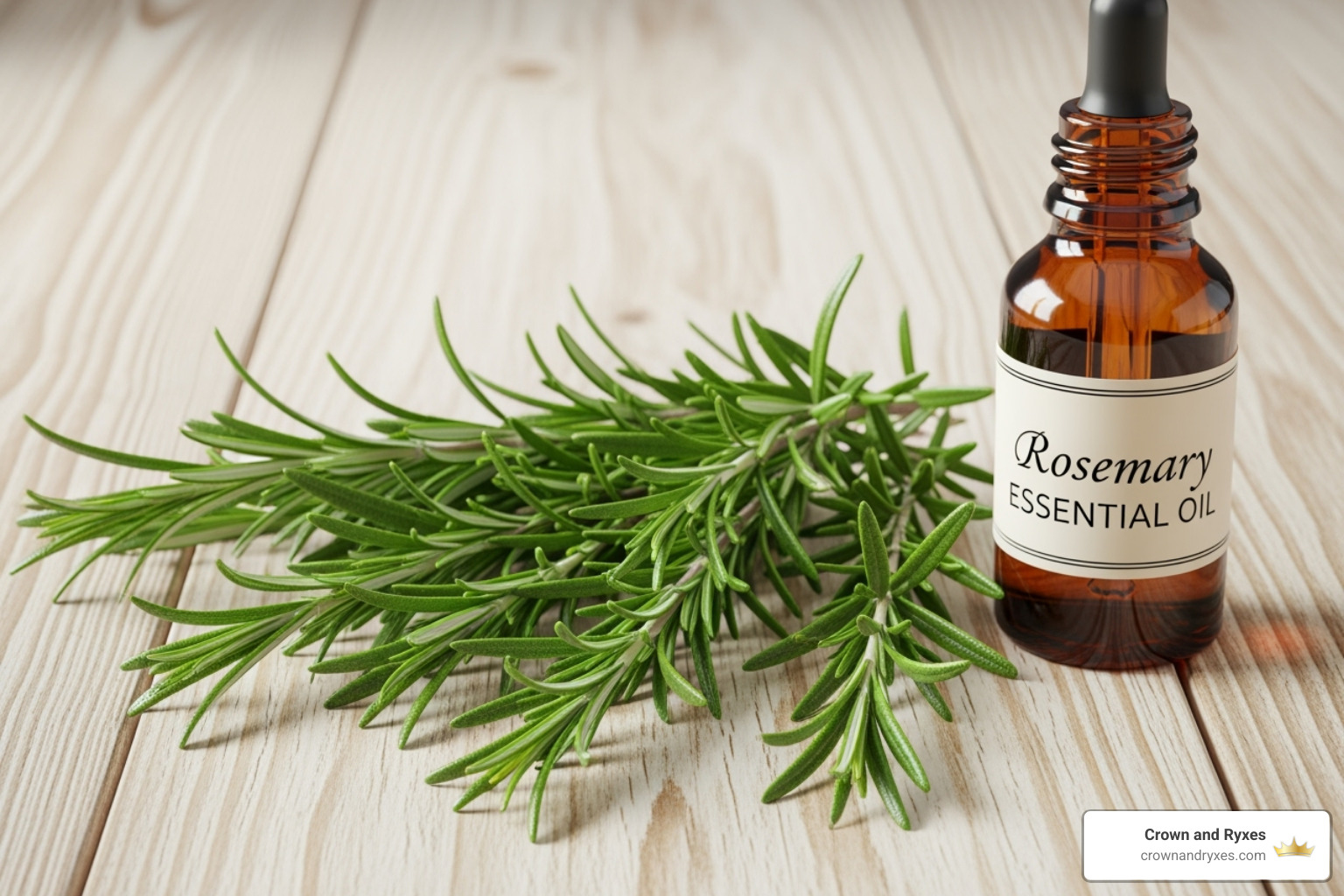
If you’re looking for the best herbal remedy for hair loss with solid scientific backing, rosemary oil is hard to beat. This aromatic herb does more than make your kitchen smell amazing – it’s a genuine hair growth powerhouse.
Rosemary oil works by boosting blood circulation to your scalp, delivering vital nutrients and oxygen directly to hungry hair follicles. What really caught researchers’ attention is a groundbreaking study showing rosemary oil performs comparable to 2% minoxidil – that’s the active ingredient in many over-the-counter hair growth treatments. Even more impressive, a 2023 animal study suggested a rosemary-based lotion might actually outperform minoxidil.
The anti-inflammatory properties are another bonus, helping soothe irritated scalps that might be hindering growth. To use it effectively, always dilute rosemary essential oil with a carrier oil like jojoba or coconut oil. Massage it gently into your scalp, leave it on for at least 30 minutes (or overnight if you can handle the scent), then shampoo as usual. Doing this a few times weekly can yield impressive results.
2. Saw Palmetto
For those dealing with androgenetic alopecia – the most common type of hair loss – saw palmetto might be your new best friend. This small palm plant packs a serious punch against DHT, the hormone villain behind pattern baldness.
Saw palmetto works by blocking 5-alpha reductase, the enzyme that converts testosterone into DHT. Since DHT causes hair follicles to shrink and eventually stop producing hair, reducing its levels can help preserve what you have and potentially encourage regrowth.
The beauty of saw palmetto is its versatility. You can take it as an oral supplement or use it topically in shampoos and serums. Research on saw palmetto’s efficacy shows promising results for both men and women with pattern hair loss. One study found that both oral and topical saw palmetto oil reduced hair fall while increasing thickness and promoting regrowth.
Just remember to consult with a healthcare professional before starting any new supplement, especially if you’re taking other medications or have underlying health conditions.
3. Peppermint Oil
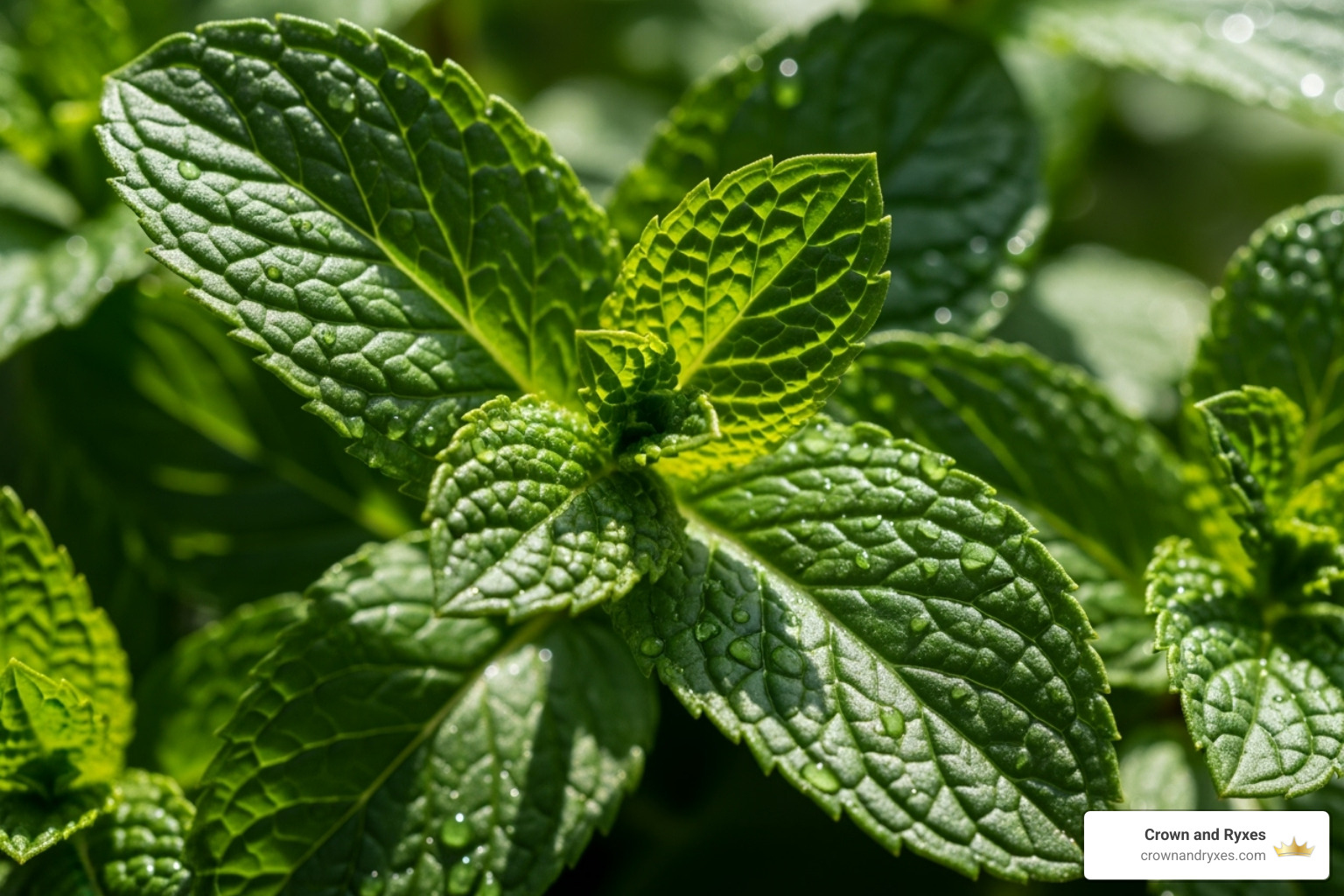
There’s something invigorating about that cool, tingling sensation you get from peppermint oil – and your hair follicles feel it too. This refreshing essential oil works through vasodilation, essentially widening blood vessels to increase blood flow to your scalp.
What makes peppermint oil particularly exciting is research showing it can stimulate hair growth in animal studies by increasing both follicle number and depth. That tingling sensation you feel? That’s increased circulation delivering nutrients where they’re needed most.
Always dilute peppermint oil with a carrier oil before applying – it’s potent stuff that can irritate sensitive skin. A few drops mixed with coconut or jojoba oil, massaged into your scalp for 15-20 minutes, then rinsed out works wonderfully. Just be careful not to touch your eyes afterward!
4. Stinging Nettle
Don’t let the intimidating name fool you – stinging nettle is actually a gentle, nutrient-rich ally for your hair. This herb is packed with vitamins and minerals that hair follicles need to thrive, including iron and vitamin A.
The real magic lies in its beta-sitosterol content, a compound that stimulates hair growth factors and helps increase dermal papilla cell growth – the cells that essentially control your hair growth cycle. Its anti-inflammatory properties also help reduce scalp inflammation that might be interfering with healthy growth.
You can enjoy stinging nettle as a soothing tea or take it as a supplement. It’s also becoming more common in specialized hair care products like shampoos and scalp treatments.
5. Pumpkin Seed Oil
Here’s a natural remedy that’s particularly exciting for women dealing with pattern hair loss. Pumpkin seed oil works similarly to saw palmetto by blocking DHT production, but it’s also rich in antioxidants and fatty acids that nourish your scalp.
Research shows impressive results – one study found that women with female pattern hair loss who applied topical pumpkin seed oil for three months experienced effective for female pattern hair loss with significant improvement in regrowth. The antioxidants help protect follicles from damage while the fatty acids provide deep nourishment.
You can use pumpkin seed oil both internally as a supplement and externally by massaging it directly into your scalp or incorporating it into hair masks.
6. Ginseng (Panax ginseng)
Ginseng has been revered in traditional medicine for centuries, and modern science is catching up to what ancient healers already knew. This powerful root contains saponins – active compounds that inhibit 5a reductase and help promote dermal papilla cell proliferation, crucial for healthy follicle development.
What’s particularly interesting about ginseng is its ability to help transition hair follicles into their active growth phase, potentially awakening dormant follicles. This Ayurvedic and Chinese medicine staple works both as an oral supplement and in topical formulations.
7. Lavender Oil

Lavender oil offers a double benefit – it promotes hair growth while helping reduce the stress that often contributes to hair loss in the first place. Its antimicrobial properties help maintain a clean, healthy scalp environment free from issues that might impede growth.
Studies show that lavender oil can promote faster hair growth in mice, with hair growing both thicker and faster than normal. The calming aromatherapy benefits are an added bonus, potentially helping break the stress-hair loss cycle many people experience.
Dilute lavender essential oil with a carrier oil and massage it into your scalp as part of a relaxing evening routine. It’s gentle enough for regular use and makes your hair smell wonderful too.
8. Onion Juice
I know, I know – onion juice doesn’t sound glamorous, but hear me out. This kitchen staple has some seriously impressive science behind it for hair regrowth, particularly for alopecia areata.
The high sulfur content in onions strengthens hair by providing a key building block of keratin, the protein that makes up your hair strands. The sulfur and phenolic compounds work together to reduce inflammation and stimulate regrowth. One study found that 87% of people who applied onion juice for eight weeks saw promotes regrowth in alopecia areata.
To use it, extract fresh onion juice and apply it directly to your scalp for 15-30 minutes before washing thoroughly. Yes, the smell is intense, but the results can be worth it. Pro tip: do this treatment on days when you’re staying home!
9. Aloe Vera
Sometimes the gentlest remedies are the most effective. Aloe vera works by creating optimal conditions for hair growth rather than directly stimulating follicles. It conditions your scalp, reduces dandruff, and unclogs hair follicles that might be blocked by dead skin cells or product buildup.
The soothing properties make it perfect for sensitive or irritated scalps, while its natural enzymes help break down anything that might be interfering with healthy growth. Apply fresh aloe vera gel directly to your scalp, leave it for about an hour, then rinse.
For those exploring comprehensive approaches beyond traditional treatments, aloe vera fits perfectly into non-surgical hair restoration options as a gentle, supportive therapy.
The best herbal remedy for hair loss for you might be one of these individual herbs, or you might find that combining several creates the perfect natural hair restoration routine. The key is understanding that each herb works differently, so you can choose based on your specific type of hair loss and personal preferences.
How to Use Herbal Remedies and What to Expect
Finding the best herbal remedy for hair loss is just the beginning of your journey – knowing how to use these natural treatments properly makes all the difference between success and disappointment.
When it comes to applying essential oils like rosemary, peppermint, and lavender, dilution is absolutely crucial. These concentrated oils can irritate your scalp if used directly. Mix 2-3 drops of essential oil with a teaspoon of carrier oil like coconut, jojoba, or sweet almond oil. This creates a gentle yet effective treatment that your scalp can handle.
Once you’ve prepared your mixture, take time to massage it thoroughly into your scalp using your fingertips. This isn’t just about getting the oil on your head – the massage itself is incredibly beneficial. Studies show that regular scalp massage can increase hair thickness by boosting blood flow to your follicles. A 2020 study found that people receiving chemotherapy who got scalp massages saw improved hair regrowth, and research from 2019 showed that scalp massage could help stabilize hair loss in people with androgenic alopecia.
Oral supplements offer another effective approach. Saw palmetto, pumpkin seed oil, ginseng, and stinging nettle are commonly available in capsule or tablet form. When choosing supplements, always buy from reputable sources and stick strictly to the recommended dosages. Quality matters significantly with herbal supplements.
Here’s what you need to know about timing: patience is absolutely essential. Unlike quick-fix chemical treatments, herbal remedies work with your body’s natural rhythms. Hair growth is inherently slow, and you’ll typically need 3 to 6 months of consistent use before seeing visible improvements. Don’t get discouraged if you don’t notice changes in the first few weeks – stick with your routine and give these natural treatments time to work their magic.
Let’s compare herbal remedies with conventional treatments like minoxidil and finasteride to help you understand your options:
| Feature | Herbal Remedies | Conventional Treatments (Minoxidil/Finasteride) |
|---|---|---|
| Mechanism of Action | Work through multiple pathways: improving circulation, blocking DHT naturally, reducing inflammation, providing nutrients | Target specific pathways: minoxidil dilates blood vessels, finasteride blocks DHT production |
| Side Effects | Generally minimal – possible skin irritation with topical oils, rare allergic reactions | More significant – minoxidil can cause scalp irritation, finasteride may cause sexual side effects (which can be addressed with treatments like REGENmax) |
| Accessibility | Widely available without prescription, often more affordable | Require prescription or over-the-counter purchase, typically more expensive long-term |
| Time to Results | 3-6 months for noticeable improvement | 3-4 months for minoxidil, 6-12 months for finasteride |
| Long-term Use | Generally safe for extended periods | Require ongoing medical monitoring |
The beauty of herbal treatments lies in their gentleness and multi-faceted approach. While conventional treatments target one specific mechanism, the best herbal remedy for hair loss often addresses multiple factors contributing to hair thinning – from poor circulation to inflammation to hormonal imbalances.
Consistency trumps intensity with natural treatments. It’s better to use a gentle herbal treatment regularly than to apply strong concentrations sporadically. Your hair follicles need steady, ongoing support to reverse months or years of damage and return to healthy growth patterns.