

Why Hair Loss Deserves Your Attention Now
The best way regrow hair starts with understanding your options—and acting sooner leads to better results. If you’re noticing more hair in your shower drain or a widening part, you’re not alone. Millions of men and women experience hair loss, and the emotional toll can be significant.
Quick Answer: Top Strategies to Regrow Hair
- Medical Treatments – FDA-approved options like minoxidil and finasteride show proven results
- Professional Procedures – Microneedling, PRP injections, and low-level laser therapy
- Lifestyle Changes – Proper nutrition, stress management, and gentle hair care
- Early Intervention – Starting treatment at the first signs of thinning offers the best outcomes
- Combination Approach – Using multiple methods together often yields superior results
While not physically painful, thinning hair can be emotionally distressing. The good news is that with an accurate diagnosis and timely treatment, many people can achieve hair regrowth. Some types of hair loss resolve on their own, while others respond well to medical intervention.
This guide covers the root causes of hair loss, clinically proven treatments, natural approaches, and lifestyle changes that support healthier hair. Whether you’re dealing with hereditary baldness or stress-related shedding, effective solutions exist.
I’m Dr. Matthew Casavant. With over two decades of experience helping patients with concerns that affect their confidence, I provide guidance on the best way regrow hair through medical consultation and treatment referrals. I understand the impact of hair loss on self-esteem and believe in a partnership approach to explore all restoration options.
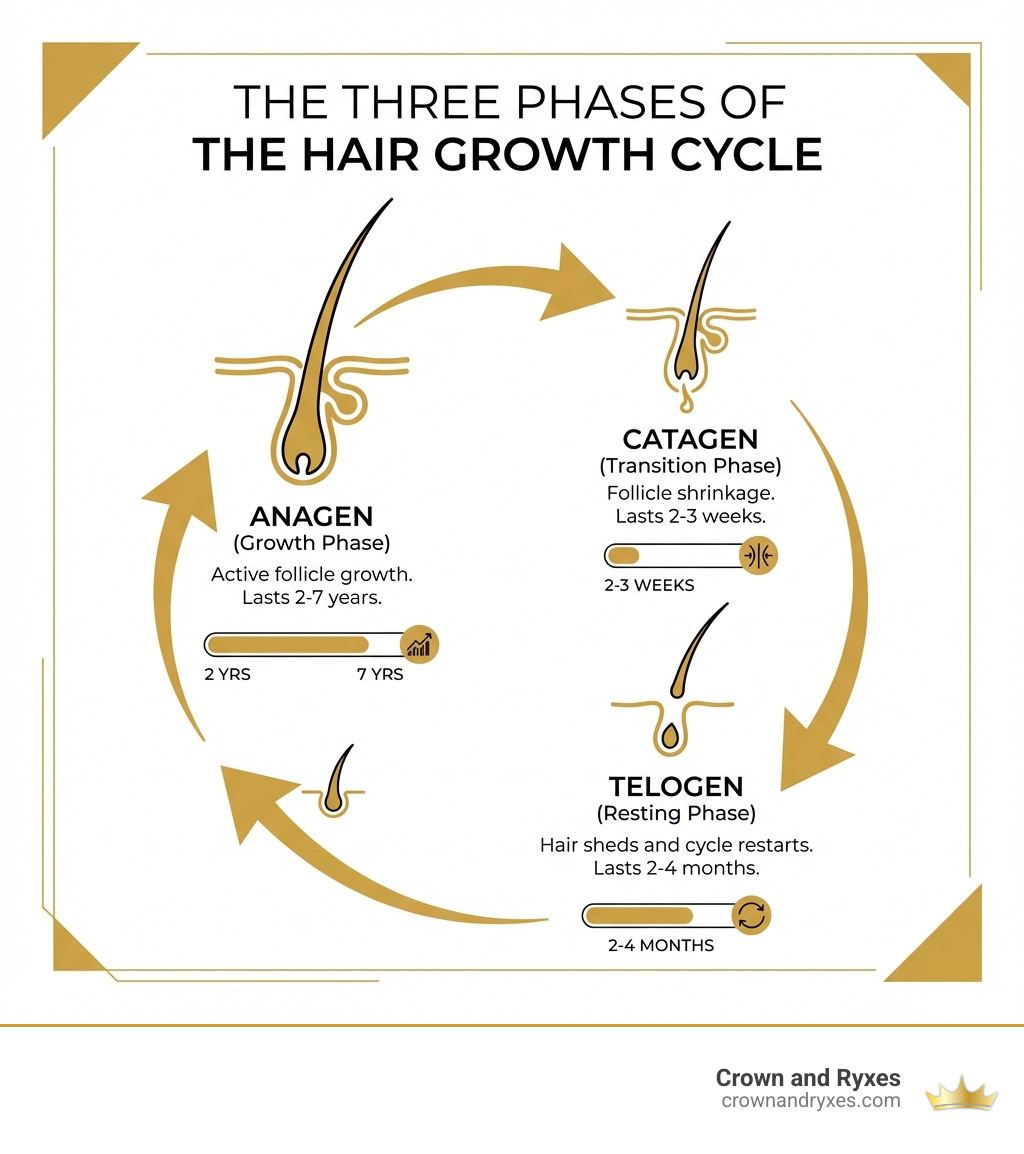
Relevant articles related to best way regrow hair:
Understanding the Root Causes of Hair Loss
To find the best way regrow hair, we must first understand why it’s thinning. An accurate diagnosis from a professional is the crucial first step. A dermatologist or your primary care physician can assess potential underlying conditions.
A dermatologist will perform a physical exam and review your diet, hair care, and medical history. They may also use diagnostic methods to pinpoint the cause:
- Blood tests: Can uncover medical conditions like nutrient deficiencies (iron) or thyroid issues.
- Pull test: The doctor gently tugs on hair to see how many strands come out, indicating active shedding.
- Scalp biopsy: A small skin sample is taken to check for infection or specific scalp conditions.
- Light microscopy: Hair strands are examined under a microscope to check for abnormalities.
Understanding these methods is key, as noted by the American Academy of Dermatology’s guidance on how dermatologists diagnose hair loss.
What Causes Hair Thinning and Loss?
Hair loss has many potential culprits. Here are the most common:
- Genetics and Hereditary Hair Loss: Known as androgenetic alopecia (male/female pattern baldness), this is the most common cause. Hair follicles shrink, producing finer hair until they stop producing hair altogether. Men often see a receding hairline or thinning crown, while women typically notice a widening part.
- Dihydrotestosterone (DHT): This hormone is a key player in androgenetic alopecia, shrinking hair follicles and leading to hair loss.
- Hormonal Changes: Fluctuations can significantly impact hair growth.
- PCOS (Polycystic Ovary Syndrome): Can lead to higher androgen levels, increasing the risk of female pattern hair loss.
- Pregnancy and Postpartum: Postpartum hair shedding (telogen effluvium) is common due to hormonal shifts and typically resolves on its own.
- Menopause: Hormonal changes during menopause can also contribute to hair thinning.
- Medical Conditions: Thyroid disorders, autoimmune diseases, and certain infections can trigger hair loss. A blood test can often help identify these.
How Lifestyle and Environment Impact Your Hair
Daily habits and environment can also play a role in hair loss.
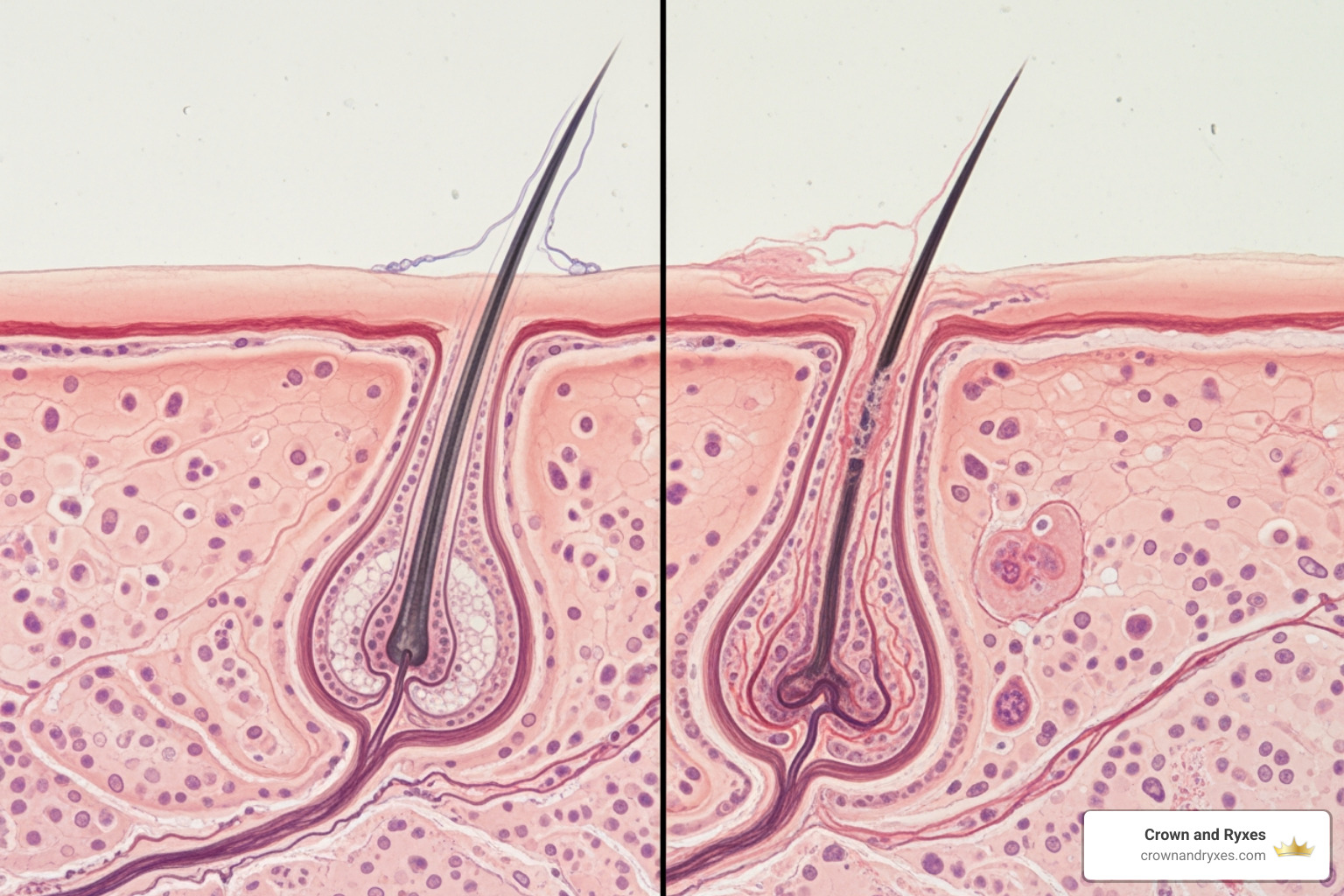
- Stress-Induced Hair Loss (Telogen Effluvium): Significant emotional or physical stress can cause telogen effluvium, a sudden, widespread thinning. This happens when stress pushes many hair follicles into the resting phase prematurely. The good news is this type of hair loss is usually temporary, resolving within 6-8 months once the stressor is gone, though chronic stress can prolong it.
- Nutritional Deficiencies: A lack of essential nutrients like iron, protein, zinc, biotin, and vitamin D can disrupt the hair growth cycle. Since hair is mostly protein (keratin), adequate protein intake is crucial.
- Poor Hair Care Practices: How you treat your hair matters.
- Traction Alopecia: Tight hairstyles like buns, ponytails, or braids can cause traction alopecia. This constant pulling can permanently damage hair follicles over time.
- Chemical and Heat Damage: Frequent chemical treatments and excessive heat styling can weaken hair, making it brittle and prone to breakage. Sleeping with wet hair can also cause damage.
Different Types of Hair Loss and Their Treatments
Understanding your specific type of hair loss is fundamental, as treatments vary.
- Alopecia Areata: This autoimmune condition causes patchy hair loss when the immune system attacks hair follicles. While hair may regrow on its own, corticosteroid injections are highly effective for persistent cases. One study showed over 80% of patients had at least 50% regrowth within 12 weeks.
- Central Centrifugal Cicatricial Alopecia (CCCA): This is a type of scarring hair loss mainly affecting women of African descent. Some research suggests essential oils may help increase hair growth.
The key takeaway is the importance of a correct diagnosis. As the American Academy of Dermatology emphasizes, learning about treating different hair loss conditions starts with pinpointing the exact cause.
The Best Way to Regrow Hair: Clinically Proven Medical Treatments
Clinically proven medical treatments offer the most reliable results for the best way regrow hair. These include FDA-approved medications and advanced procedures. Early intervention is critical; starting treatment at the first sign of thinning offers the best chance to regrow and retain your hair. Consistency and patience are crucial, as most treatments require several months of dedicated use before changes are noticeable.
Topical vs. Oral Medications: What’s Right for You?
Choosing between topical and oral medications depends on your type of hair loss, its severity, and your health profile. Our team at Crown and Ryxes can help guide your choice.
| Treatment Type | How it Works | Best For | Success Rate | Potential Side Effects |
|---|---|---|---|---|
| Topical Minoxidil | Lengthens the active growth phase of hair (anagen) and promotes healthy delivery of oxygen and nutrients to hair follicles. | Hereditary hair loss (male/female pattern baldness) in men and women. | Helps many people regrow hair or slow the rate of hair loss, or both. | Scalp irritation, unwanted facial hair growth. |
| Oral Finasteride | Inhibits the production of dihydrotestosterone (DHT), a hormone that shrinks hair follicles. | Male pattern baldness (androgenetic alopecia) in men. | Can slow down hair loss and stimulate new hair growth in men. | Diminished sex drive, erectile dysfunction (ask about REGENmax), potential increased risk of prostate cancer (discuss with doctor). Not for pregnant women. |
| Oral Spironolactone | Acts as an anti-androgen, blocking the effects of male hormones on hair follicles. | Female pattern hair loss in women. | May be effective in about 40% of women, stopping further hair loss and increasing hair thickness. | Not for pregnant women. |
Topical solutions like minoxidil (Rogaine) are applied to the scalp. It works by lengthening the hair’s active growing stage. Consistent daily application is required, with results often taking six months to a year to become fully apparent.
Oral medications like finasteride work internally by inhibiting DHT, the hormone that shrinks hair follicles. It’s an effective treatment for male pattern baldness but can have sexual side effects. If you have concerns, our team can discuss solutions like REGENmax for sexual wellness. For women, spironolactone can be an effective oral treatment. Both medications are not for women who are or may become pregnant.
We are proud to offer advanced oral therapies custom to your specific needs.
Advanced Procedures for Hair Restoration
Beyond daily medications, advanced procedures offer powerful solutions for hair restoration.
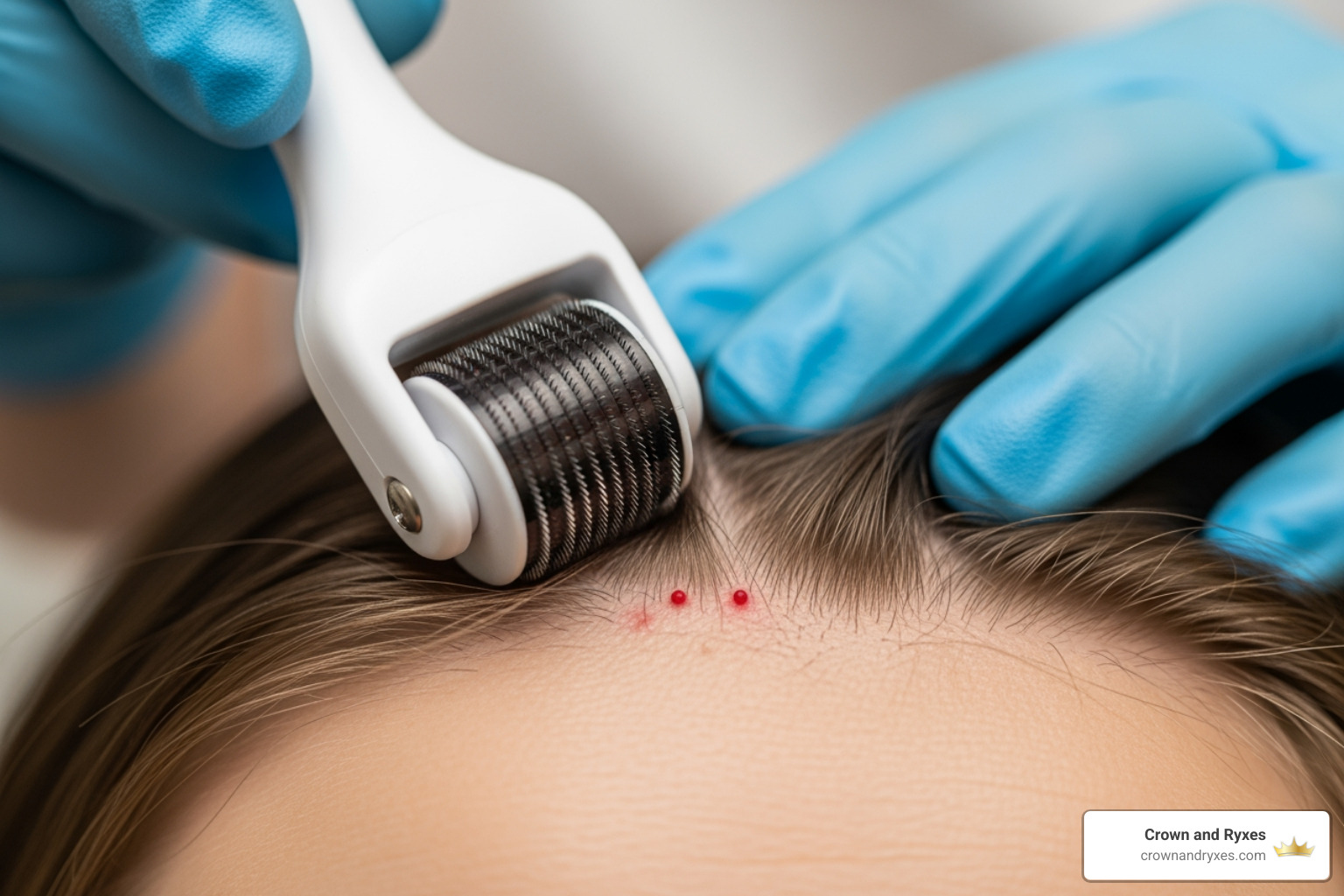
- Microneedling: This technique uses tiny needles to create microscopic punctures in the scalp, stimulating blood flow and collagen to encourage follicle activity. It’s particularly effective when combined with minoxidil, with one study showing significantly more hair growth after 12 weeks compared to minoxidil alone.
- Low-Level Laser Therapy (LLLT): LLLT uses low-power laser light to stimulate cellular activity in hair follicles, promoting growth. The FDA has approved LLLT devices for hereditary hair loss, and a 2020 trial found it significantly increased hair density and thickness after 16 weeks.
- Platelet-Rich Plasma (PRP): PRP therapy uses injections of your own concentrated platelets into the scalp. The growth factors in platelets can stimulate hair follicles. Treatment typically involves monthly injections for three months, followed by maintenance sessions.
- Corticosteroid Injections: For patchy alopecia areata, these injections can be highly effective, with one study showing over 80% of patients saw significant regrowth within 12 weeks.
- Hair Restoration Procedures at Crown and Ryxes: We offer advanced options like hair transplant surgery, which moves healthy hair follicles to thinning areas. This is a very effective, permanent option for hereditary baldness. We’ll discuss all risks and benefits during your consultation.
The Best Way to Regrow Hair on a Receding Hairline vs. Crown
The location of your hair loss influences the best way regrow hair.
- Receding Hairline: This area is challenging to treat non-surgically, with results often being modest. Hair transplant surgery is typically the most effective solution for restoring density here.
- Thinning on the Crown (Vertex): This area responds very well to both oral and topical therapies. Men with early thinning at the crown have the best chance to slow, halt, and even regrow hair.
- Treatment Specificity: For crown thinning, finasteride and minoxidil are highly effective. Often, the best way regrow hair is a combination therapy to maximize results across the scalp. Our personalized approach targets your specific areas of concern.
Natural Approaches and Lifestyle Habits for Healthier Hair
A holistic approach integrating natural strategies and healthy lifestyle habits can powerfully support your hair regrowth journey. These methods complement medical treatments and create an optimal environment for hair to thrive.
The Best Way to Regrow Hair with Diet and Supplements
Your diet is the foundation for healthy hair growth. Focus on hair-healthy nutrients:
- Iron: Iron deficiency is a common cause of hair loss. Eat iron-rich foods like lean red meat, spinach, and beans.
- Zinc: Important for hair tissue growth and repair. Find it in oysters, beef, and pumpkin seeds.
- Biotin: Supplementation is usually only beneficial if you have a diagnosed deficiency.
- Protein: Hair is primarily protein, so adequate intake from sources like eggs, fish, and beans is essential.
- Vitamin D: Its role is indicated by Vitamin D receptors on hair follicles.
Cautions on Supplements: While some multivitamins may help, more research is needed. Supplements are not FDA-regulated, and taking too much of certain nutrients can worsen hair loss. Always get a blood test to check for deficiencies before starting supplements.
Using the Power of Natural Remedies
Several natural remedies can contribute to a healthier scalp.
- Scalp Massage Benefits: Scalp massage is beneficial, not just relaxing. It stimulates the scalp, may improve hair thickness, and a 2019 study showed it improved hair growth and blood flow. Use your fingertips to massage your scalp in small circles with light to medium pressure.
- Essential Oils: Certain oils show promise for hair growth.
- Rosemary Oil: May help treat androgenic alopecia similarly to minoxidil by improving circulation.
- Pumpkin Seed Oil: A 2021 study found it significantly increased hair regrowth in women with female pattern baldness.
- Coconut Oil: May help prevent hair loss from UV damage or grooming habits.
- Aloe Vera: Can improve scalp health, reduce inflammation, and boost circulation.
- Caffeine-Infused Topical Products: According to a 2020 review, caffeine in shampoos and conditioners may prevent hair loss as effectively as minoxidil.
The Impact of Sleep, Stress, and Hair Care
Your daily habits play a profound role in your hair’s health.
- Stress Management Techniques: Managing stress is paramount. Regular exercise, yoga, and meditation can increase circulation to the scalp and reduce stress hormones.
- Importance of Quality Sleep: Quality sleep is vital for hair health. During sleep, your body repairs cells and tissues, supporting hair growth. Poor sleep increases stress and hinders follicle repair.
- Gentle Hair Care Tips: Be kind to your hair. Avoid tight hairstyles to prevent traction alopecia. Limit heat styling and always use a conditioner. Consider a silk or satin pillowcase to reduce friction and breakage.
Frequently Asked Questions about Hair Regrowth
Here are clear answers to common questions about the journey to regrowing your hair.
How long does it typically take to see results from hair regrowth treatments?
The timeline to see results varies by treatment and individual response:
- Topical Minoxidil: It typically takes at least six months of consistent daily use to see results, with full effectiveness assessed after a year.
- Oral Finasteride: Improvement usually becomes apparent after about four months of daily use.
- Low-Level Laser Therapy (LLLT): Can increase hair density and thickness after about 16 weeks.
- Microneedling (with Minoxidil): Significant hair growth has been observed after just 12 weeks.
- Corticosteroid Injections (for Alopecia Areata): Many patients see at least half their hair regrow within 12 weeks.
Most treatments require at least 3-6 months of consistent use before initial changes appear. Patience is key, as hair grows slowly.
Can stress alone cause permanent hair loss?
Stress-induced hair loss (telogen effluvium) is typically temporary, resolving within 6-8 months after the stressor is gone.
However, chronic stress can prolong hair loss and exacerbate thinning. Managing stress through techniques like exercise, yoga, and quality sleep is crucial for a healthy hair growth cycle. If your hair loss is persistent, consult a dermatologist.
Are hair regrowth results permanent?
The permanence of results depends on the cause of your hair loss and the treatment:
- Hereditary Hair Loss (Androgenetic Alopecia): Treatments like minoxidil and finasteride require ongoing use to maintain results. If you stop, hair loss will likely return.
- Hair Restoration Procedures: Hair transplants offer a more permanent solution, as transplanted follicles are typically resistant to hair loss. However, medical therapies may still be needed to protect non-transplanted hair.
- Temporary Hair Loss (e.g., Telogen Effluvium): Regrowth is permanent once the underlying issue (stress, illness, nutritional deficiency) is resolved.
- Alopecia Areata: Regrowth can be spontaneous, but the condition can recur, sometimes requiring ongoing management.
Addressing underlying conditions is crucial for lasting results. For hereditary hair loss, ongoing treatment is required to maintain benefits.
Conclusion: Taking the First Step Towards Fuller Hair
Navigating hair loss can be overwhelming, but this guide provides a clear roadmap. The best way regrow hair often involves a multi-faceted approach, combining medical treatments with natural remedies and lifestyle changes.
By understanding the root causes and exploring proven solutions, there is genuine hope for significant hair regrowth. Early intervention, patience, and consistency are your most powerful allies on this journey.
You don’t have to face this challenge alone. For a personalized assessment and to explore the best way regrow hair for your unique situation, we invite you to consider a consultation with our expert team at Crown and Ryxes. We are dedicated to offering premier hair restoration solutions for men and women in Clermont, FL, and The Villages, FL. Let us partner with you on your path to renewed confidence and fuller, healthier hair.