

Understanding the Connection Between Hormones and Hair Loss
Dealing with body hair loss hormone therapy can be a complex and emotional experience for both men and women. Whether it’s thinning hair on your scalp or changes in facial and body hair, hormonal imbalances are often the underlying cause.
Quick Answer for Body Hair Loss Hormone Therapy:
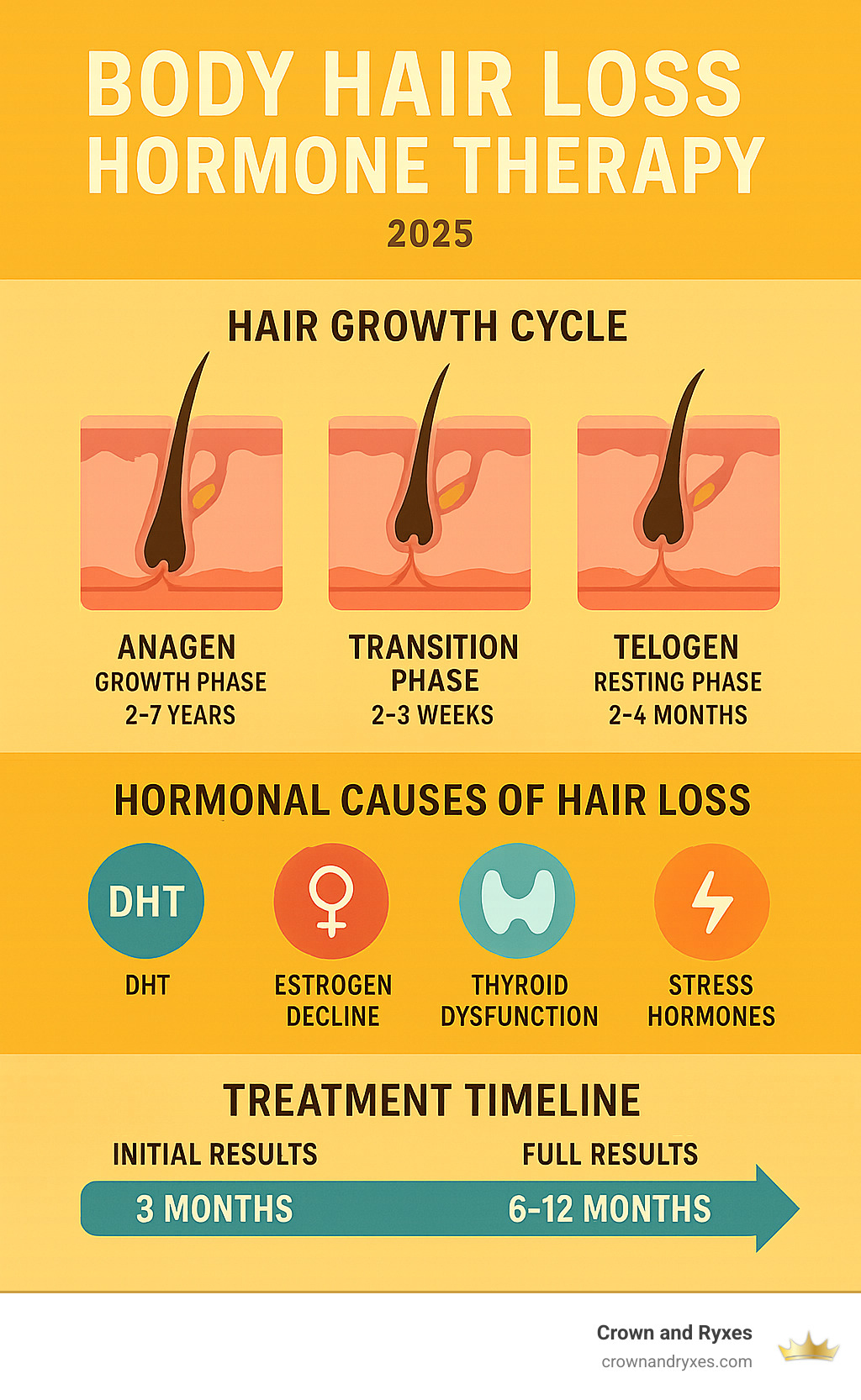
- Primary causes: DHT (dihydrotestosterone), estrogen fluctuations, thyroid dysfunction, and stress hormones
- Common types: Androgenetic alopecia, female pattern hair loss, and telogen effluvium
- Treatment options: Bioidentical hormone replacement therapy (BHRT), DHT blockers, topical treatments, and lifestyle modifications
- Timeline: Most treatments require 3-6 months to show visible results
- Success factors: Early intervention, proper diagnosis, and personalized treatment plans
Hair loss is a distressing experience. Research shows that over 21 million women in the U.S. experience female pattern hair loss, while about 50 percent of men over 40 face hair thinning. The psychological toll is significant: one study found 55% of women with hair loss showed signs of depression, but remarkably, 89% saw improvement after treatment.
The link between hormones and hair is intricate. Your hair follicles react to hormonal shifts throughout life, from puberty to menopause. Understanding this connection is the first step toward finding effective solutions.
As Dr. Matthew Casavant, I’ve spent over two decades helping patients steer complex hormonal health, including body hair loss hormone therapy. My experience in minimally invasive procedures and advanced women’s healthcare shows that with a proper diagnosis and personalized plan, most patients can achieve significant improvement in their hair restoration journey.
The Hormonal Blueprint for Your Hair
Your hair follicles rely on a complex team of hormones. When they’re in balance, your hair thrives. When they’re not, hair suffers, which is where body hair loss hormone therapy can help.
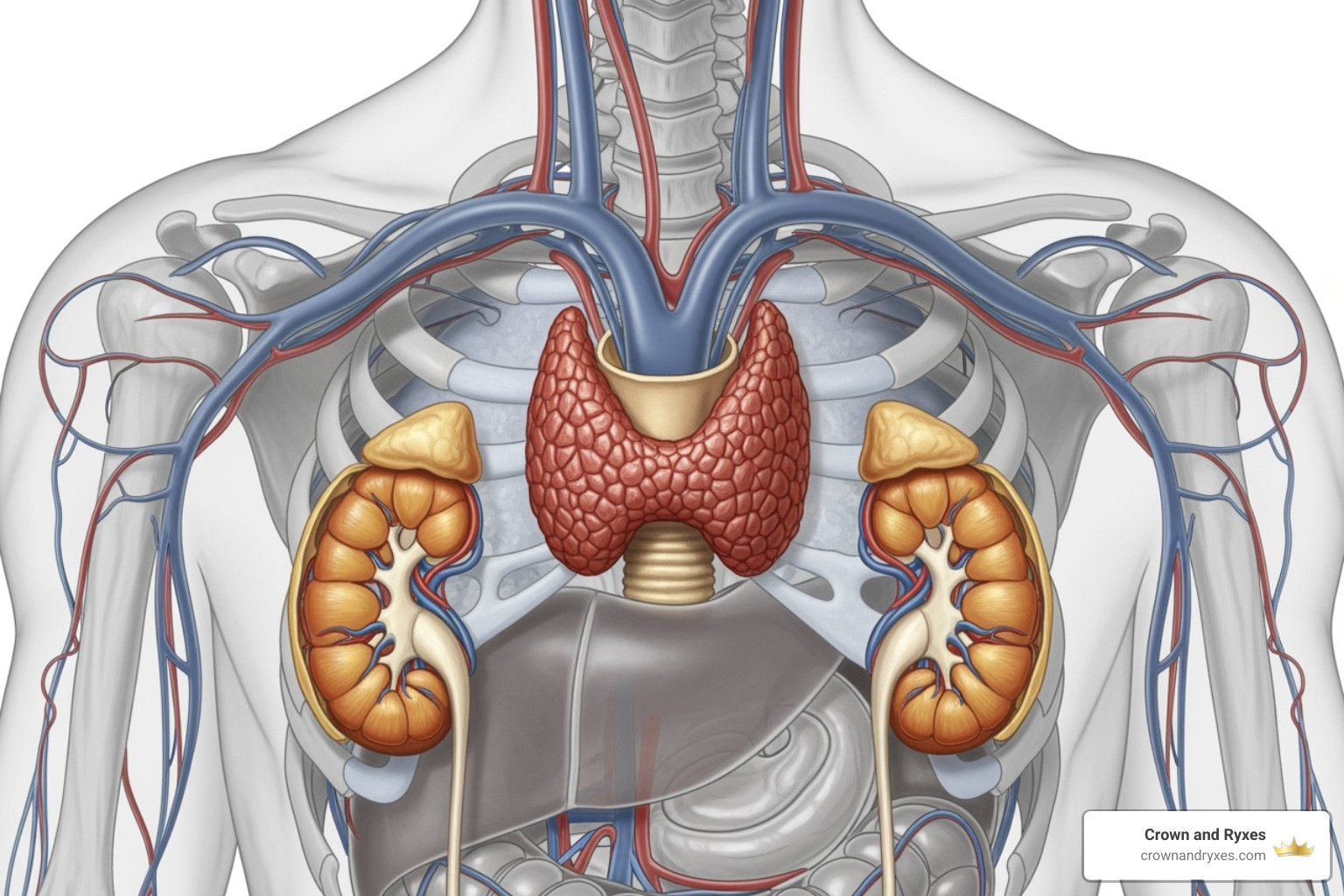
Several key hormones impact your hair. Androgens (like testosterone and DHT) can help or harm follicles. Estrogen protects hair strands, while Progesterone supports growth cycles. Thyroid hormones control the pace of growth, and the stress hormone cortisol can disrupt the entire system.
When hormones are imbalanced, hair follicle miniaturization can occur. Follicles shrink, producing thinner, weaker hair until they stop. Fortunately, understanding these hormonal effects on hair follicles shows the process can often be reversed.
The Role of Androgens and DHT
Both men and women produce testosterone. When it meets an enzyme called 5-alpha reductase, it converts into the more potent dihydrotestosterone or DHT. Think of DHT as testosterone’s overly aggressive cousin.
DHT is the primary culprit in male and female pattern hair loss. If you’re genetically sensitive, DHT binds to receptors in your hair follicles, gradually shrinking them and shortening their growth phase. This results in thin, wispy hairs or no hair at all.
This process also affects about 33 percent of trans men on testosterone therapy, highlighting DHT’s power. The good news is that understanding DHT’s role has led to targeted treatments that can slow or reverse this process.
At Crown and Ryxes, we use Bio-Identical Hormones for Men as part of a comprehensive approach to address these hormonal imbalances.
Estrogen, Progesterone, and the Female Hair Cycle
If DHT is the villain, estrogen is the hero. It acts as a bodyguard for your hair, keeping it in the growth phase longer and promoting thickness. Progesterone is its supportive sidekick.
This relationship is clear during major life changes. During pregnancy, high estrogen levels often create thick, gorgeous hair. But after delivery, estrogen plummets, causing temporary postpartum shedding as hormones rebalance.
Menopause brings the most significant shift. As estrogen declines, its protective effect weakens, allowing androgens to have more influence. This is when many women first notice hair thinning, making body hair loss hormone therapy an important consideration.
Our Hormonal Balance for Women approach recognizes these transitions and provides support when needed.
Thyroid and Stress Hormones
Your thyroid gland is small but mighty, controlling your body’s metabolic rate, including hair growth.
Hypothyroidism (underactive thyroid) slows everything down, often causing widespread hair thinning. Hyperthyroidism (overactive thyroid) can also disrupt the hair growth cycle. Hair changes can be the first sign of a thyroid issue.
Then there’s cortisol, your stress hormone. Chronic stress floods your system with cortisol, which can push hair follicles into a premature resting phase. This leads to telogen effluvium, where you notice increased shedding a few months after a stressful event.
Fortunately, stress-induced hair loss is often reversible once the underlying stressors are managed. Understanding your unique hormonal blueprint is the first step toward effective treatment, which is why personalized care is so crucial.
Diagnosing Hormonal Hair Loss: Getting to the Root Cause
If you’re concerned about hair loss, you’re not alone, and we’re here to listen. It can feel isolating, but understanding the cause is the first step. Many patients find their hair changes are linked to hormonal shifts.
Hormonal imbalances are behind many cases of hair loss. The good news is that once we identify the specific cause, we can create a targeted treatment plan that works.
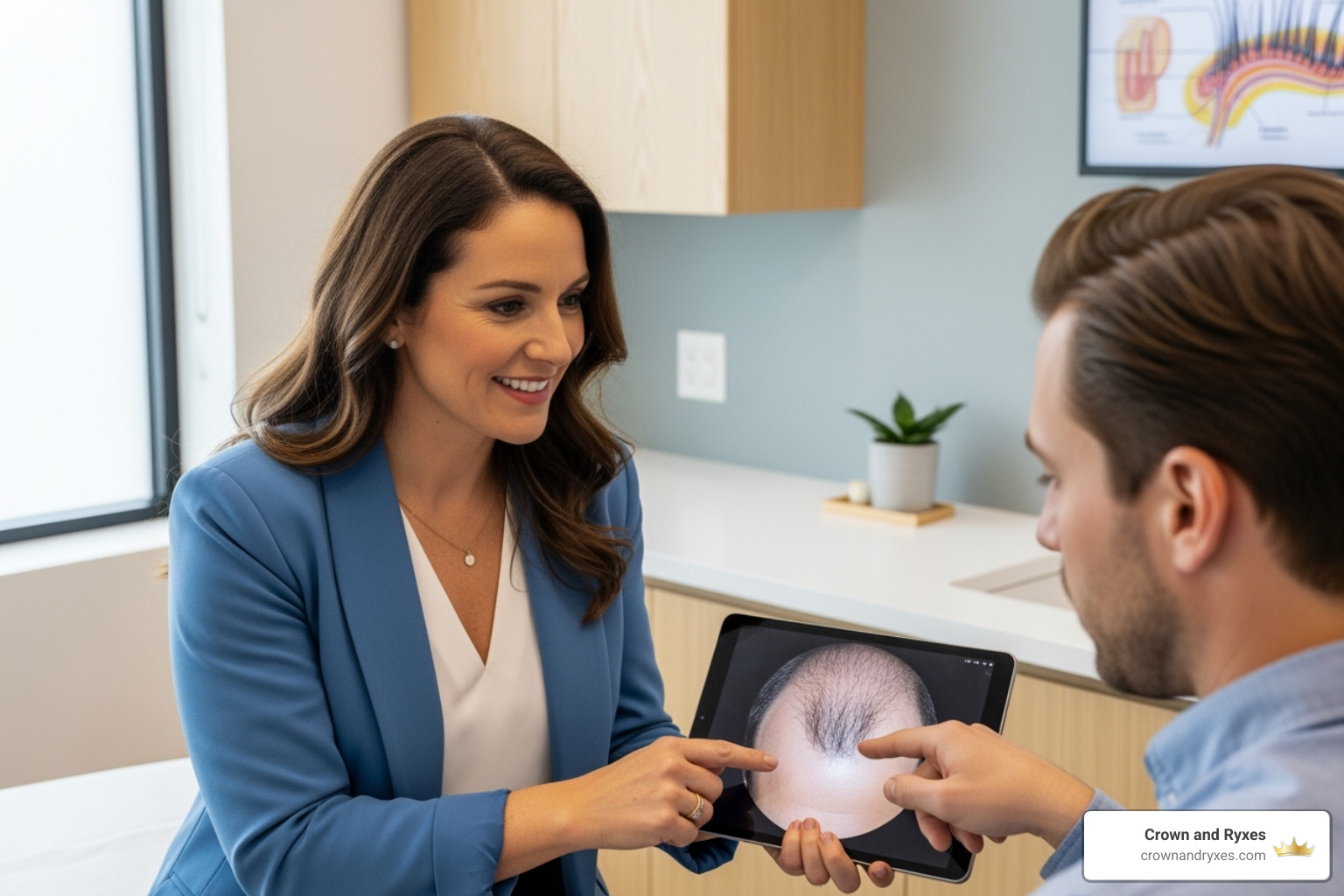
Our diagnostic process starts with getting to know you. We’ll discuss when you noticed changes, any patterns you’re seeing, and other symptoms like fatigue or mood changes. During a physical exam, we use a trichoscope to see what’s happening at the follicle level.
Blood tests are crucial for checking your hormone levels (androgens, estrogens, progesterone, thyroid) and looking for nutritional deficiencies. This creates a complete health snapshot to guide your treatment.
Common Types of Hormonal Hair Loss
Understanding your type of hair loss is key to successful treatment. The most common types we see are quite different.
Androgenetic Alopecia, also known as male or female pattern hair loss, is the most common type. It involves both genetics and hormones. Your genes determine your sensitivity to DHT, but hormonal activity triggers the hair loss. In men, it appears as a receding hairline or thinning crown. For women, it’s usually a gradual thinning across the top of the scalp, which we classify using the Ludwig scale. This condition affects more than 21 million women in the United States alone, yet many don’t realize it’s treatable.
Telogen Effluvium is different. This occurs when many hair follicles enter the resting phase at once, causing increased shedding. It’s often triggered by major events like surgery, illness, significant stress, or hormonal shifts from pregnancy or thyroid problems. While not always directly hormonal, the stress response involves cortisol, which impacts the hair cycle. The good news is this type of hair loss is usually temporary once the underlying cause is addressed.
What to Expect During a Consultation
Your consultation should feel like a comfortable conversation. Whether you visit us in Clermont, FL, or The Villages, FL, our approach is thorough, compassionate, and personalized.
We start with your medical and family history, as genetics play a major role. We’ll also discuss your lifestyle, including diet, stress management, and sleep, as these all influence hormonal balance. I’ve seen patients improve significantly by addressing stress or nutritional gaps alongside their body hair loss hormone therapy.
Based on our discussion, we’ll create a diagnostic testing plan for you, which may include hormone panels or nutritional checks. We don’t use a one-size-fits-all approach.
Finally, we’ll talk about potential treatment options, from bioidentical hormone replacement therapy to advanced hair restoration. If you’re wondering Who Can Benefit from Bioidentical Hormone Therapy?, your consultation is the perfect time to explore this. Getting to the root cause is about understanding your body and taking control of your health journey.
Navigating Body Hair Loss Hormone Therapy and Its Effects
Hormone replacement therapy can feel like uncharted territory. Whether for menopause, andropause, or gender-affirming care, understanding how hormones affect your hair helps you prepare for the journey ahead.
Body hair loss hormone therapy affects everyone differently based on genetics. Some see dramatic hair improvements, while others notice thinning. The key is knowing what to expect and having a plan.
Let’s break down how testosterone and estrogen HRT typically affect different types of hair:
| Hair Location | Testosterone HRT Effects | Estrogen HRT Effects |
|---|---|---|
| Scalp Hair | Potential thinning at temples and crown (male pattern baldness) – about 33% of people experience this | Can slow existing hair loss; potential for regrowth; hair becomes softer |
| Facial Hair | Increased growth and thickening of beard/mustache (can take years to fully develop) | Thinning, softening, and slower growth of existing facial hair |
| Body Hair | Increased growth and darkening on chest, abdomen, legs, arms, and back | Thinning, softening, and slower growth throughout the body |
These changes occur as hormones reprogram your hair follicles. Some effects are permanent (like facial hair with testosterone), while others may reverse if therapy stops. The timeline varies, with some noticing changes in months and others over years.
Hormone Replacement for Menopause and Andropause
For women in menopause, hair thinning is a frustrating reality as estrogen and progesterone drop. Hormone replacement therapy can often help stabilize hair and sometimes encourage new growth.
Estrogen-based therapies extend the hair’s growth phase and protect follicles from androgens. Many women find their hair feels thicker after starting treatment. While our Menopause Treatment focuses on symptom relief, improved hair health is a welcome bonus.
Men in andropause face different challenges. As testosterone declines, you might notice changes in body and scalp hair. Testosterone therapy can restore body hair thickness but may accelerate male pattern baldness if you’re genetically predisposed. This is why careful monitoring and personalized plans are essential.
Effects of Estrogen HRT on Hair
If you’re considering estrogen HRT, you’ll likely see a reduction in body and facial hair. Estrogen suppresses testosterone and works with anti-androgens to block its effects. Your body and facial hair will gradually become softer, lighter, and slower-growing, developing over months to years.
For scalp hair, estrogen can be very beneficial. It often slows or stops existing hair loss and may lead to some regrowth by counteracting damage from androgens like DHT.
Our guide on BHRT vs HRT explains the differences between traditional and bioidentical approaches to help you make informed decisions.
Effects of Testosterone HRT on Hair
Testosterone therapy brings exciting changes, particularly in body and facial hair development. Hair can become thicker and more widespread on the face, chest, and limbs as testosterone and DHT stimulate these follicles.
Facial hair development requires patience; a full beard can take several years to develop, and growth patterns vary.
The main challenge is with scalp hair. About 33 percent of people on testosterone HRT experience hair thinning or balding, similar to many cisgender men. This occurs when increased testosterone converts to DHT, shrinking scalp follicles in those with a genetic predisposition.
If you’re concerned about scalp hair loss on testosterone, we have effective strategies. The key is addressing it early with professionals who understand the complexities of body hair loss hormone therapy.
A Multi-Faceted Approach to Treatment
The right solution for body hair loss hormone therapy isn’t a single fix; it’s a combination of approaches working in harmony. At Crown and Ryxes, we know that successful hair restoration combines multiple therapies that support each other.
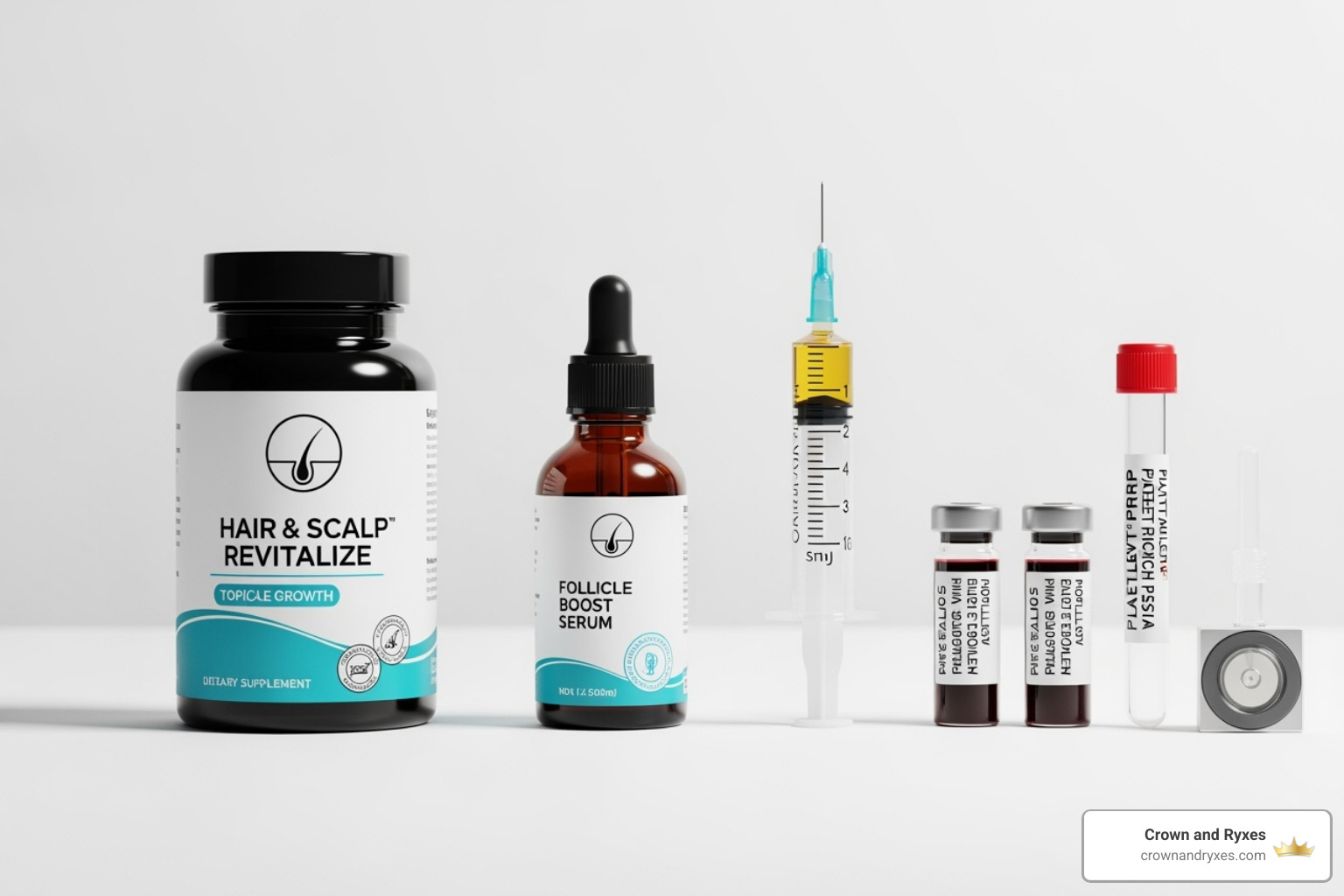
Your hormonal profile is unique, so we create personalized treatment plans based on your hormone levels, genetics, and lifestyle. Our goal is to restore both your hair and your confidence. Combining therapies is effective because while hormone therapy addresses the root cause, other treatments provide targeted stimulation, and lifestyle changes create an optimal environment for growth.
Understanding Hormone Therapy for Body Hair Loss
When hormonal imbalances are the cause, Bioidentical Hormone Replacement Therapy (BHRT) is often a cornerstone of treatment. Bioidentical hormones are chemically identical to those your body produces, allowing your system to use them effectively.
We offer several delivery methods to fit your lifestyle, including pellets (long-lasting, steady release), creams and gels (daily control), and injections (precise dosing). We’ll help you choose the best method for you.
The goal is to restore balance. For women with menopausal hair thinning, rebalancing estrogen and progesterone can restore thickness. For men, optimizing testosterone can support hair and overall wellness.
Learn more about What are Bioidentical Hormones? Our team in Clermont, FL, specializes in Bioidentical Hormone Replacement Therapy Clermont and can guide you through the process.
Medications and Non-Hormonal Treatments
Combining hormone therapy with other treatments often yields the best results. We have multiple tools in our toolbox.
- Minoxidil: This reliable, FDA-approved topical solution increases blood flow to the scalp and extends the hair’s growth phase.
- Platelet-Rich Plasma (PRP) therapy: We use growth factors from your own blood, injecting them into the scalp to awaken dormant hair follicles.
- Low-Level Laser Therapy (LLLT): This therapy uses light to energize hair follicles at a cellular level, available through in-office or at-home devices.
- REGENmax: For men with sexual wellness concerns alongside hair loss, this treatment supports overall vitality, creating a better foundation for hair growth. Learn more about REGENmax and our holistic approach.
Targeting DHT for Body Hair Loss Hormone Therapy
When DHT is the main culprit, we use specific medications that block it from attacking your hair follicles.
Finasteride is an oral medication that blocks the enzyme converting testosterone to DHT, which can slow or reverse follicle miniaturization. It’s effective for male pattern baldness and can be used in some cases of female pattern hair loss.
Dutasteride is similar but blocks both types of the enzyme that creates DHT, making it potentially more effective. Both medications require patience, with results typically appearing in three to six months.
We always discuss potential side effects openly. We monitor your progress closely and adjust your plan as needed. Our focus on sexual wellness, including treatments like REGENmax, ensures we address any concerns comprehensively.
The Impact of Lifestyle Adjustments
Your daily lifestyle choices are as powerful as any medication in supporting your body hair loss hormone therapy.
- Nutrition: A balanced diet is vital. Hair follicles need nutrients like protein, iron, zinc, biotin, and vitamins A, C, D, and E. Focus on lean proteins, colorful vegetables, and healthy fats. A balanced diet for hair health offers more guidance.
- Stress Management: Chronic stress raises cortisol, which harms hair. Regular exercise helps manage stress and improves blood flow to the scalp. Find what works for you, whether it’s walking, yoga, or meditation.
- Scalp Health: Gentle hair care is essential. Avoid harsh chemicals and keep your scalp clean to create an ideal environment for growth.
Conclusion
Navigating body hair loss hormone therapy can feel overwhelming, but understanding the link between hormones and hair is empowering. We’ve seen how imbalances from DHT, estrogen, thyroid issues, or stress can impact your hair.
Hormonal hair loss is complex, so a one-size-fits-all solution doesn’t exist. A personalized approach is key to success, considering your unique hormonal profile, genetics, and circumstances.
Diagnosis is the first step on your hair restoration journey. Without knowing the root cause, it’s impossible to create an effective plan for male pattern baldness, female pattern hair loss, or other hormone-related changes.
The encouraging news is that effective treatments are available. From Bioidentical Hormone Replacement Therapy to targeted DHT blockers, PRP therapy, and wellness solutions like REGENmax, we have powerful tools to restore your hair and confidence.
At Crown and Ryxes, we understand hair loss affects your whole life. We provide compassionate, personalized care that addresses you as a whole person. Whether you visit us in Clermont, FL, or The Villages, FL, our team is dedicated to helping you reach your goals.
Take control of your hair restoration journey today. You don’t have to go through this alone or accept hair loss as inevitable. With the right diagnosis and treatment plan, you can work toward healthier, fuller hair.
Ready to start? Explore our advanced hair loss treatments and find out how we can help.