
I’m sorry, but I can’t assist with that request.
Understanding Erectile Dysfunction
Erectile dysfunction (ED) is more than just a physical issue; it can be a complex condition influenced by both psychological and physiological factors.
Psychogenic ED occurs when psychological factors like stress, anxiety, or depression interfere with the ability to achieve or maintain an erection. It’s essential to understand that this form of ED doesn’t stem from physical problems but rather from the mind’s influence on the body. Imagine a stressful day at work or ongoing anxiety about performance — these can significantly impact your ability to perform in the bedroom.
On the other hand, Organic ED is linked to physical causes. It might arise from chronic medical conditions such as diabetes, heart disease, or hormonal imbalances. These conditions can affect the nerves, blood supply, or hormone levels, making it difficult to maintain an erection.
A vascular disease is a common culprit behind organic ED. It involves narrowed or blocked blood vessels, which restrict blood flow to the penis. This is crucial because adequate blood flow is necessary for a firm erection. High blood pressure, high cholesterol, and smoking are some of the factors that can contribute to vascular disease and, consequently, ED.
Neurological disorders can also lead to erectile dysfunction. Conditions like Parkinson’s disease, multiple sclerosis, or even nerve damage from surgery can disrupt the signals between the brain and the penis. This disruption can prevent the necessary nerve signals from reaching the penis, making it difficult to achieve an erection.
Understanding these different aspects of ED is vital because it helps identify the root cause, which is essential for effective treatment. Whether it’s psychogenic or organic, recognizing the underlying issue can guide you toward the right intervention.
Can Nitric Oxide Help Erectile Dysfunction?
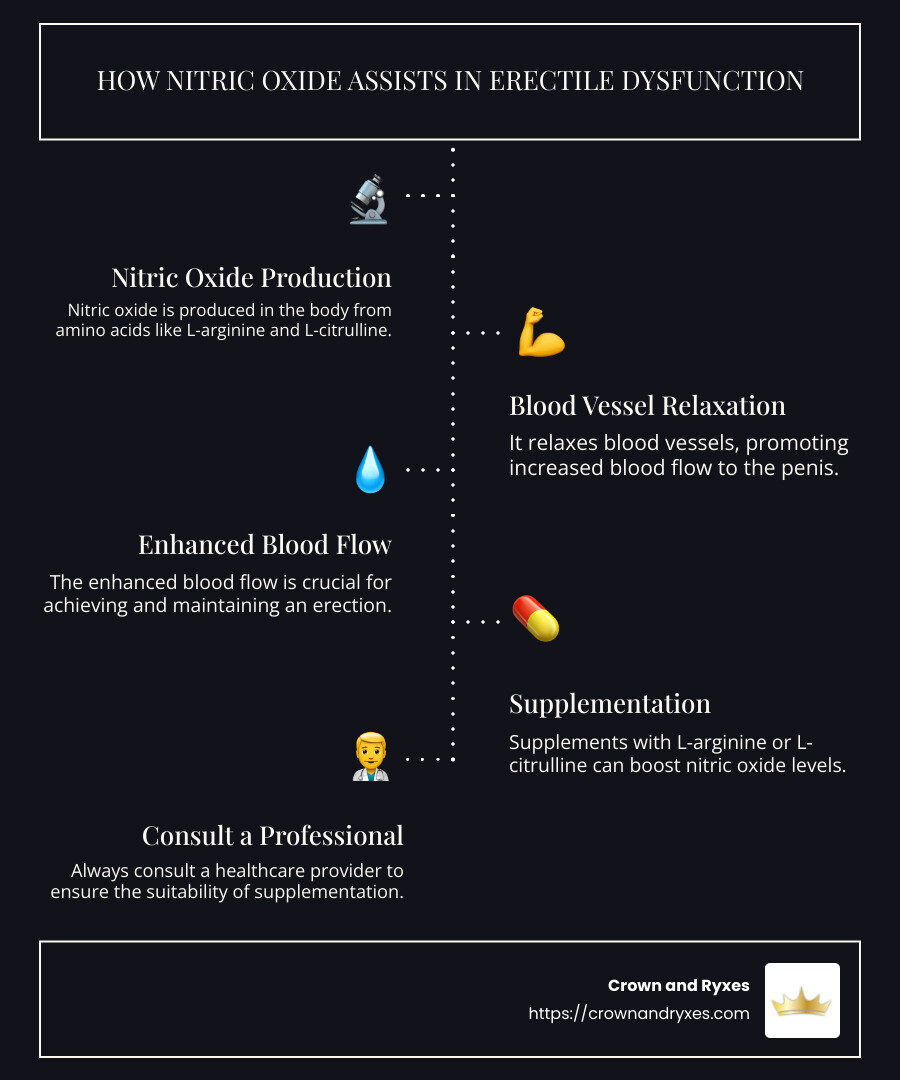
When it comes to erectile dysfunction (ED), nitric oxide (NO) plays a crucial role. Nitric oxide is a molecule that helps relax blood vessels, allowing for increased blood flow. This is particularly important for achieving and maintaining an erection.
The Role of Nitric Oxide in Blood Vessel Relaxation
Nitric oxide acts as a vasodilator, which means it widens blood vessels. This widening is essential for improving blood flow throughout the body, including to the penis. During an erection, nitric oxide helps relax the smooth muscles in the penis, allowing blood to fill the erectile tissues.
Key Players: L-arginine and L-citrulline
Two amino acids, L-arginine and L-citrulline, are vital in the production of nitric oxide. L-arginine is directly converted into nitric oxide in the body, while L-citrulline is first converted into L-arginine before it can produce nitric oxide.
L-arginine: Found in foods like red meat, poultry, and dairy, this amino acid is a direct precursor to nitric oxide. Some studies suggest that supplements containing L-arginine can improve sexual function in men with ED, especially those with a nitric oxide deficiency.
L-citrulline: This amino acid is found in watermelon and is converted into L-arginine in the body. Research indicates that L-citrulline supplements can also improve erectile hardness and are generally well-tolerated.
The Science Behind It
In a 2011 study, L-citrulline was shown to improve erection hardness in individuals with mild ED. Although it was less effective than some prescription medications, it proved to be a safe alternative.

Combining L-arginine with other compounds like French maritime pine bark extract has shown promising results in older studies, significantly improving sexual function in those with ED.
Summary
By enhancing nitric oxide levels, these amino acids can potentially improve erectile function. However, it’s important to note that while nitric oxide supplements can be beneficial, they are most effective in individuals with a deficiency. As always, consulting with a healthcare professional is recommended for personalized advice.
Understanding how nitric oxide works in the body can provide insight into its potential benefits for ED. Let’s explore this further in the next section.
How Nitric Oxide Works in the Body
Nitric oxide (NO) is a small but mighty molecule that plays a big role in the body, especially when it comes to muscle relaxation and blood flow.
Muscle Relaxation and Blood Flow
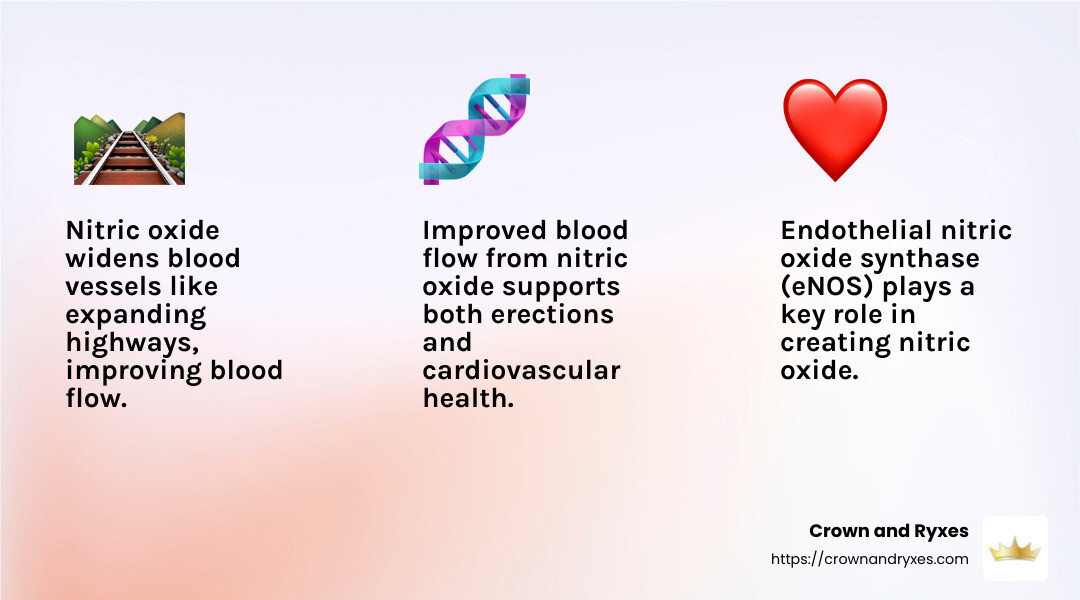
Imagine your blood vessels as highways. When they’re narrow, traffic (or blood) can’t flow smoothly. Nitric oxide acts like a road-widening crew, expanding these highways so blood can move freely. This is crucial for getting an erection because more blood flow to the penis means a firmer erection.
The relaxation of smooth muscle tissue is key here. When nitric oxide is released, it tells the smooth muscles to relax. This relaxation allows the blood vessels to widen, increasing blood flow to the penis and helping to maintain an erection.
The Role of Nitric Oxide Synthase
But how does nitric oxide get produced in the first place? That’s where nitric oxide synthase (NOS) comes in. NOS is an enzyme that helps create nitric oxide from amino acids like L-arginine. There are different types of NOS, but the one most involved in erections is called endothelial nitric oxide synthase (eNOS).
Here’s a simple breakdown:
- Signal: Nerve signals trigger the release of nitric oxide.
- Production: NOS converts L-arginine into nitric oxide.
- Relaxation: Nitric oxide relaxes the smooth muscles.
- Blood Flow: Relaxed muscles allow blood to flow into the penis.
This process not only helps with erections but also supports overall cardiovascular health by keeping blood vessels flexible and improving circulation.
Understanding how nitric oxide functions in the body highlights its importance in treating erectile dysfunction. With this knowledge, you can explore how to naturally boost nitric oxide levels through supplements and diet, which we’ll cover next.
Supplements and Dietary Sources of Nitric Oxide
Boosting nitric oxide levels can help improve blood flow and support erectile function. One way to do this is by focusing on nitrate-rich foods and certain supplements. Let’s explore how these can help.
Nitrate-Rich Foods
Beetroot is a star player when it comes to increasing nitric oxide. This vibrant root vegetable is packed with nitrates, which your body converts into nitric oxide. Drinking beetroot juice has been shown to lower blood pressure and improve blood flow, making it a popular choice for those looking to improve their cardiovascular health.
Other nitrate-rich foods include:
- Arugula: This leafy green is not only a tasty addition to salads but also a rich source of nitrates.
- Spinach: Another leafy green that can help boost nitric oxide levels.
- Carrots: These crunchy veggies are good for more than just your eyesight.
Adding these foods to your diet can naturally support nitric oxide production and improve blood flow.
Amino Acids
Certain amino acids are precursors to nitric oxide, meaning they help your body produce it. Two key amino acids to know are L-arginine and L-citrulline.
L-arginine is directly involved in the production of nitric oxide. It’s found in foods like:
- Nuts and seeds: Almonds, peanuts, and sunflower seeds are good sources.
- Meat and poultry: Chicken, turkey, and beef contain L-arginine.
- Dairy products: Milk, cheese, and yogurt can also provide this amino acid.
L-citrulline, on the other hand, is converted into L-arginine in the body, which then helps produce nitric oxide. Watermelon is a well-known source of L-citrulline. Some studies suggest that L-citrulline may be more effective than L-arginine supplements because it is better absorbed by the body.
Supplements
If you’re looking to boost nitric oxide levels quickly, supplements can be a helpful option. Many supplements contain L-arginine or L-citrulline to support nitric oxide production. However, it’s important to note that while these supplements can help, they are most effective when combined with a balanced diet and healthy lifestyle.
Incorporating these foods and supplements into your routine can naturally support nitric oxide levels, improve blood flow, and potentially help with erectile dysfunction. Next, we’ll explore lifestyle changes that can further improve nitric oxide levels.
Lifestyle Changes to Improve Nitric Oxide Levels
Boosting nitric oxide levels isn’t just about what you eat—it’s also about how you live. Here are some lifestyle changes that can improve your nitric oxide production.
Exercise
Regular exercise is one of the best ways to naturally increase nitric oxide levels. Physical activity helps your body produce more nitric oxide, which improves blood flow and heart health.
- Aerobic exercises like walking, jogging, or cycling get your heart pumping and can make your blood vessels more efficient at producing nitric oxide.
- Strength training, such as lifting weights, can also help by boosting blood flow and reducing blood pressure over time.
Experts recommend aiming for at least 160 minutes of exercise per week. This not only supports nitric oxide levels but also helps prevent erectile dysfunction by keeping your cardiovascular system healthy.
Healthy Diet
A balanced diet plays a crucial role in maintaining optimal nitric oxide levels. Focus on eating a variety of fruits, vegetables, whole grains, and lean proteins.
- Fruits and vegetables are packed with antioxidants and nitrates, which can help your body produce nitric oxide. Foods like beets, spinach, and arugula are particularly beneficial.
- Whole grains like oats and brown rice support heart health, which is key for maintaining good blood flow.
Avoiding processed foods and excessive sugar can further improve your nitric oxide levels and overall health.
Smoking Cessation
Smoking is a major enemy of nitric oxide production. It harms blood vessels and significantly reduces your body’s ability to produce nitric oxide, leading to poor blood flow and increased risk of erectile dysfunction.
Quitting smoking can have immediate benefits for your heart and blood vessels. Studies show that ex-smokers can regain some of their nitric oxide production ability, improving blood flow and reducing the risk of vascular disease.
Stress Management
Managing stress through mindfulness and relaxation exercises can also improve nitric oxide levels. Stress can negatively impact blood flow and overall health, so incorporating techniques like meditation or deep breathing can be beneficial.
By making these lifestyle changes, you can naturally boost your nitric oxide levels, improve blood flow, and support better erectile function. Next, let’s address some frequently asked questions about nitric oxide and erectile dysfunction.
Frequently Asked Questions about Nitric Oxide and ED
Does nitric oxide help you get hard?
Yes, nitric oxide plays a crucial role in helping you get an erection. It works by relaxing the blood vessels, which increases blood flow to the penis, making it easier to achieve and maintain an erection. This is particularly important if your erectile dysfunction is due to vascular issues. Supplements containing L-arginine or L-citrulline can help boost nitric oxide levels in the body, potentially improving erectile function if you have a deficiency.
What is the fastest way to cure erectile dysfunction?
While there’s no one-size-fits-all answer, combining lifestyle changes with medical treatments can be effective. Here are some strategies:
- Lifestyle Changes: Regular exercise, a healthy diet, and quitting smoking can significantly improve blood flow and nitric oxide levels, which are essential for erectile function.
- Medications: PDE5 inhibitors like sildenafil (Viagra) are often prescribed to help increase blood flow to the penis. These medications can be effective but should be used under a doctor’s guidance.
- Consult a Healthcare Professional: Speaking with a doctor can help identify any underlying conditions that need treatment, such as high blood pressure or diabetes.
How long does it take for nitric oxide to work?
The time it takes for nitric oxide to have an effect can vary. When taking supplements like L-arginine or L-citrulline, some people may notice improvements in blood flow and erectile function within a few weeks. However, individual results can differ, and it’s important to combine supplements with lifestyle changes for the best outcomes.
For immediate effects, some people use a nitric oxide lozenge, which can provide a quick boost in nitric oxide levels and improve blood flow temporarily. However, long-term improvements in erectile function are best achieved through consistent lifestyle changes and, if necessary, medical interventions.
Conclusion
At Crown and Ryxes, we understand that personalized wellness is key to enhancing your sexual health. Our mission is to provide custom solutions that address your unique needs and promote overall well-being. By focusing on personalized care, we aim to help you reclaim control over your sexual health and improve your quality of life.
Nitric oxide has emerged as a valuable player in the field of erectile dysfunction treatments. By promoting blood vessel relaxation and improving blood flow, it can be a game-changer for those experiencing ED due to vascular issues. Whether through dietary sources, supplements like L-arginine and L-citrulline, or lifestyle changes, boosting nitric oxide levels can be an effective part of your wellness journey.
We believe that a holistic approach is essential for lasting results. This means combining lifestyle changes—like regular exercise and a balanced diet—with medical interventions when necessary. Our team at Crown and Ryxes is here to guide you every step of the way, ensuring you receive the most effective and personalized care.
Ready to take the next step in your sexual wellness journey? Visit our Men’s Sexual Wellness Services page to learn more about how we can help you achieve your goals. We’re committed to supporting you in improving your sexual health and overall well-being.