
Causes of ed is a topic that resonates with millions of men worldwide, as erectile dysfunction (ED) is a common yet often misunderstood condition. Common causes of ed include:
- Vascular issues affecting blood flow
- Nerve damage impacting signals to the penis
- Hormonal imbalances
- Chronic illnesses like diabetes and hypertension
- Psychological factors like stress and anxiety
The Massachusetts Male Aging Study found that 52% of men aged 40–70 experience some form of erectile dysfunction. While ED was once thought to be largely psychological, we now know that for many men, physical factors often play a key role. And understanding these causes can pave the way for effective treatments and a satisfying sexual life.
In my role as Dr. Matthew Casavant, I draw upon my background in advanced minimally invasive surgery to support individuals navigating the causes of ed. This high level of expertise allows for careful diagnosis and custom treatments to improve patient outcomes. Let’s dive deeper into the physiological aspects that underpin this condition.

Causes of ED
Erectile dysfunction can be a complex puzzle with many pieces. Let’s break down some of the key causes of ED to help you understand this common condition.
Vascular Issues
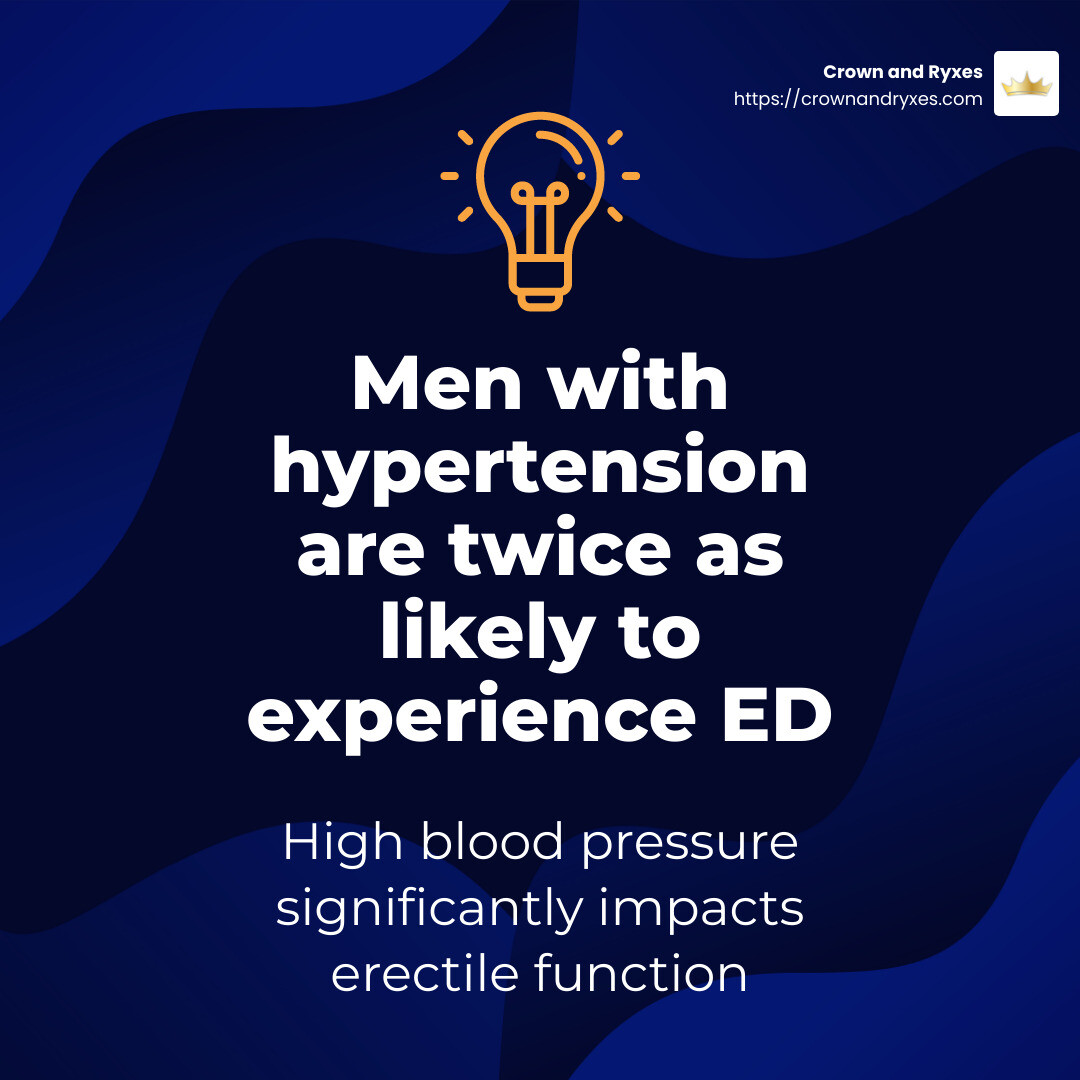
Blood flow is crucial for an erection. Vascular problems, like high blood pressure and atherosclerosis, can restrict blood flow to the penis. This makes it difficult to achieve or maintain an erection. In fact, men with hypertension are twice as likely to experience ED.
Nervous System
Nerve signals from the brain to the penis are vital for erections. Conditions like diabetes can damage nerves, leading to ED. This nerve damage can reduce sensation and impair the signals necessary for an erection. Men with diabetes are three times more likely to have ED.
Endocrine System
Hormones like testosterone play a significant role in sexual function. Low testosterone levels can lead to ED and decreased libido. Hormonal imbalances, whether due to aging or medical conditions, can disrupt the delicate balance needed for sexual health.
Chronic Diseases
Chronic illnesses such as kidney disease and heart disease can impact erectile function. These conditions often affect blood flow and nerve function, both critical for a healthy erection.
Medications
Certain medications can cause ED as a side effect. Blood pressure medications, antidepressants, and even some pain relievers can interfere with sexual performance. Always consult with a healthcare provider if you suspect your medication might be affecting your sexual health.
Psychological Factors
The mind plays a huge role in sexual health. Stress, anxiety, and depression can all contribute to ED. Psychological issues can create a cycle where anxiety about performance leads to ED, which then increases anxiety.
Understanding these causes of ED is the first step towards finding effective treatments and regaining confidence in your sexual health. Next, we will explore the physical causes of erectile dysfunction in more detail.
Physical Causes of ED
Erectile dysfunction often has roots in physical health issues. Let’s explore some of the most common physical causes of ED.
Heart Disease
Heart disease affects the flow of blood throughout the body, including to the penis. Since an erection depends on good blood flow, any heart-related problems can make it difficult to achieve or maintain an erection. Recognizing early signs of heart issues, like chest pain or fatigue, can help prevent ED.
High Blood Pressure
High blood pressure can damage blood vessels, reducing blood flow to the penis. Men with hypertension are at least twice as likely to experience ED compared to those with normal blood pressure. Managing blood pressure through lifestyle changes can improve both heart health and erectile function.
Diabetes
Diabetes can lead to nerve damage and poor blood circulation, both of which are crucial for erections. Men with diabetes are three times more likely to have ED. Maintaining blood sugar levels can help reduce the risk of erectile dysfunction.
Obesity
Carrying excess weight can increase the risk of vascular disease and diabetes, both of which are linked to ED. Losing weight through a healthy diet and regular exercise can improve blood flow and boost testosterone levels, reducing the risk of erectile issues.
Smoking
Smoking damages blood vessels and restricts blood flow, which can lead to ED. Quitting smoking not only improves overall health but also improves erectile function by restoring proper blood circulation.
Atherosclerosis
Atherosclerosis, or the hardening of the arteries, can restrict blood flow to the penis. This condition is often associated with high cholesterol and high blood pressure. Managing these risk factors can improve erectile health.
Kidney Disease
Chronic kidney disease can affect hormone levels, blood flow, and nerve function, all of which are necessary for an erection. Managing kidney health is crucial for preventing ED and maintaining overall well-being.
Understanding these physical causes of ED can help men take proactive steps towards better health and improved sexual function. Next, we’ll dig into the psychological causes of erectile dysfunction and how they can impact sexual health.
Psychological Causes of ED
While physical health plays a big role in erectile dysfunction, the mind is just as crucial. Let’s explore some psychological causes of ED.
Stress
Stress can wreak havoc on your body and mind. When you’re stressed, your body releases hormones like adrenaline, which can narrow blood vessels and reduce blood flow to the penis. This makes it hard to get or keep an erection. Managing stress through relaxation techniques or hobbies can help.
Anxiety
Anxiety, especially performance anxiety, is a common cause of ED. Worrying about sexual performance can create a cycle of fear and failure. This anxiety often makes it difficult to relax and enjoy intimate moments. Techniques like deep breathing or therapy can help reduce anxiety and improve sexual performance.
Depression
Depression affects your mood, energy, and interest in activities, including sex. It can also alter brain chemicals, disrupting the signals between your brain and your body. Some antidepressants might also lead to erectile issues. Addressing depression with therapy and medication can often improve ED.
Relationship Issues
Problems in a relationship can lead to stress and anxiety, further contributing to erectile dysfunction. Lack of communication, unresolved conflicts, or feelings of disconnect can all play a part. Open communication and couples therapy can help resolve these issues and improve intimacy.
Performance Anxiety
Performance anxiety is the fear of not being able to satisfy a partner. This fear can become a self-fulfilling prophecy, where the anxiety itself causes erectile issues. Understanding and addressing these fears with professional help can often relieve this anxiety.
Understanding these psychological causes of ED can empower men to address mental health issues and seek appropriate support. Next, we’ll explore the symptoms of erectile dysfunction and how they manifest.
Symptoms of Erectile Dysfunction
When it comes to erectile dysfunction (ED), understanding the symptoms is key. Let’s break down what you might notice if you’re experiencing ED.
Inability to Achieve an Erection
This is one of the most noticeable symptoms of ED. If you find it difficult to get an erection at all, it could be a sign of underlying health issues. According to the National Institute of Diabetes and Digestive and Kidney Diseases, this symptom may indicate problems with blood vessels, nerves, or hormones.
Inability to Maintain an Erection
Sometimes, getting an erection isn’t the problem—it’s keeping it. If your erection doesn’t last long enough for sex, this could be due to issues like high blood pressure or diabetes, which affect blood flow and nerve function.
Inconsistent Erections
Maybe you can sometimes get an erection, but not every time you want to have sex. This inconsistency can be frustrating and confusing. It might be tied to stress, anxiety, or fluctuating hormone levels.
Recognizing these symptoms of erectile dysfunction is the first step towards finding a solution. If any of these symptoms sound familiar, it’s important to talk to a healthcare professional. They can help identify the root cause and recommend a treatment plan.
In the next section, we’ll tackle some frequently asked questions about ED and explore the main causes and treatment options.
Frequently Asked Questions about ED
What is the main cause of erectile dysfunction?
Erectile dysfunction can stem from a variety of causes, but some of the most common are related to physical health. Heart disease, high cholesterol, and high blood pressure can damage blood vessels, reducing blood flow to the penis, making it difficult to achieve or maintain an erection. Diabetes also plays a significant role by affecting blood sugar levels and damaging nerves and blood vessels over time.
Other contributors include obesity and smoking. Carrying excess weight can lead to vascular disease and diabetes, both risk factors for ED. Smoking, on the other hand, can damage blood vessels and restrict blood flow, compounding the issue.
Is erectile dysfunction curable?
While ED can be a challenging condition, it is often treatable. The right approach depends on the underlying cause. Lifestyle changes like exercising regularly, eating a balanced diet, and quitting smoking can significantly improve symptoms.
Medications such as sildenafil (Viagra) and tadalafil (Cialis) are common treatments that help increase blood flow to the penis. In some cases, counseling can be beneficial, especially if the ED is linked to psychological factors like stress or anxiety.
Why am I not getting hard with my partner?
If you’re experiencing difficulty getting an erection with your partner, it might be due to a mix of physical and psychological factors. Stress, anxiety, and depression can all impact sexual performance. Relationship issues or performance anxiety can also play a significant role.
Low levels of testosterone might affect your libido and ability to maintain an erection. It’s important to have an open conversation with your partner and consult a healthcare provider to explore these issues further and discuss potential treatment options.
In the next section, we’ll conclude with how Crown and Ryxes offers personalized wellness solutions and treatment options for those experiencing ED.
Conclusion
At Crown and Ryxes, we understand that erectile dysfunction (ED) is a sensitive issue that can impact your quality of life. That’s why we offer personalized wellness solutions custom to your unique needs. Our goal is to help you regain confidence and improve your sexual wellness through effective treatment options.
Communication is Key
Open communication is essential in addressing ED. Whether it’s talking to your partner or consulting with a healthcare professional, being open about your symptoms and concerns is the first step toward finding a solution. Our team at Crown and Ryxes is here to listen and guide you through your journey to better health.
Comprehensive Treatment Options
We provide a range of treatment options to address the different causes of ED. From advanced medications to cutting-edge therapies like GAINSWave®, we focus on solutions that promote natural healing and improve blood flow. For those who might benefit from lifestyle changes, we offer guidance on exercise, nutrition, and stress management to support your overall well-being.
A Personalized Approach
Every person is different, and so is their experience with ED. Our approach is personalized, ensuring that the treatment plan you receive is the best fit for your specific situation. We consider your medical history, preferences, and expectations to create a plan that works for you.
If you’re ready to take control of your sexual wellness, learn more about our men’s sexual wellness services at Crown and Ryxes. Our team in Clermont and Lady Lake, FL, is here to support you every step of the way. Let’s work together to overcome ED and improve your quality of life.