
Does testosterone treatment help ed?
For those seeking a quick answer:
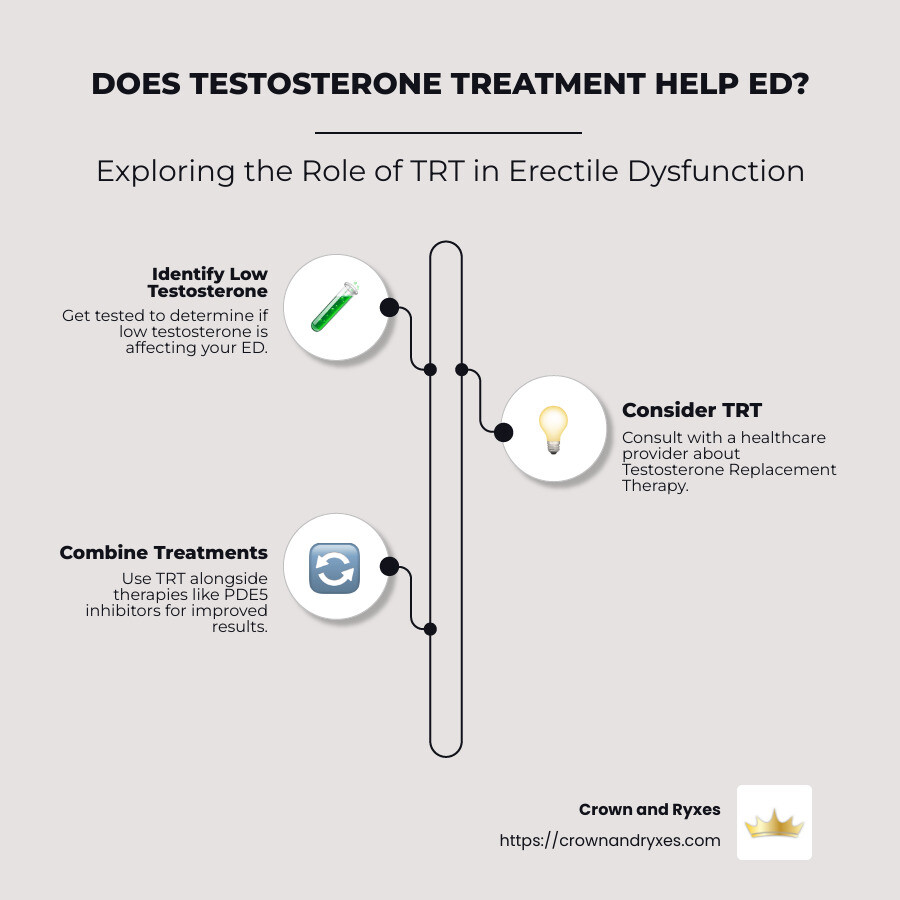
- Testosterone treatment may improve erectile dysfunction (ED) if low testosterone is the underlying cause.
- It’s not a universal fix; effectiveness varies with individual conditions.
Testosterone is a key player in male sexual health, often linked to libido and erectile function. While its role in enhancing sexual drive is well known, whether or not testosterone treatment helps with erectile dysfunction can be complex. Limited cases of ED are directly tied to low testosterone levels; thus, treatment outcomes can vary widely. Generally, men with severe testosterone deficiency might find some relief, particularly when used alongside other ED interventions like PDE5 inhibitors.
I’m Matthew Casavant, and with a background in advanced minimally invasive surgery and patient care, I focus on optimizing hormonal therapies for sexual wellness. Does testosterone treatment help ed remains a focal point of my practice, allowing me to dig into personalized approaches that aim to improve overall sexual health.
Learn more about does testosterone treatment help ed:
– causes of ed
– supplements to increase blood flow to pennis naturally
– what are the newest treatments for ed
Understanding Erectile Dysfunction
Erectile Dysfunction (ED) is a condition where men have trouble getting or keeping an erection firm enough for sex. It can be caused by a variety of factors, which can be grouped into physical, psychological, and chronic health conditions.
Causes of ED
Blood Flow Issues: The most common cause of ED is reduced blood flow to the penis. Conditions like high blood pressure, high cholesterol, and atherosclerosis (hardening of the arteries) can restrict blood flow, making it difficult to achieve an erection.
Psychological Factors: Mental health plays a significant role in sexual function. Depression, anxiety, and stress can all lead to ED. Relationship problems can also contribute, creating a cycle of stress and performance anxiety.
Chronic Conditions: Diseases such as diabetes, heart disease, and obesity are closely linked to ED. These conditions can damage blood vessels and nerves, which are crucial for maintaining an erection. Neurological conditions like multiple sclerosis and spinal cord injuries can also interfere with the signals between the brain and the penis.
Lifestyle Factors: Unhealthy habits such as smoking, excessive alcohol consumption, and lack of exercise can increase the risk of ED. These factors can affect blood flow and hormone levels, impacting sexual performance.
The Complex Relationship with Testosterone
While testosterone is crucial for sexual health, its direct link to ED is not straightforward. Some men with low testosterone levels maintain normal erectile function, while others with normal levels experience ED. However, low testosterone is often associated with conditions that contribute to ED, such as diabetes and obesity.
Understanding the Role of Blood Flow
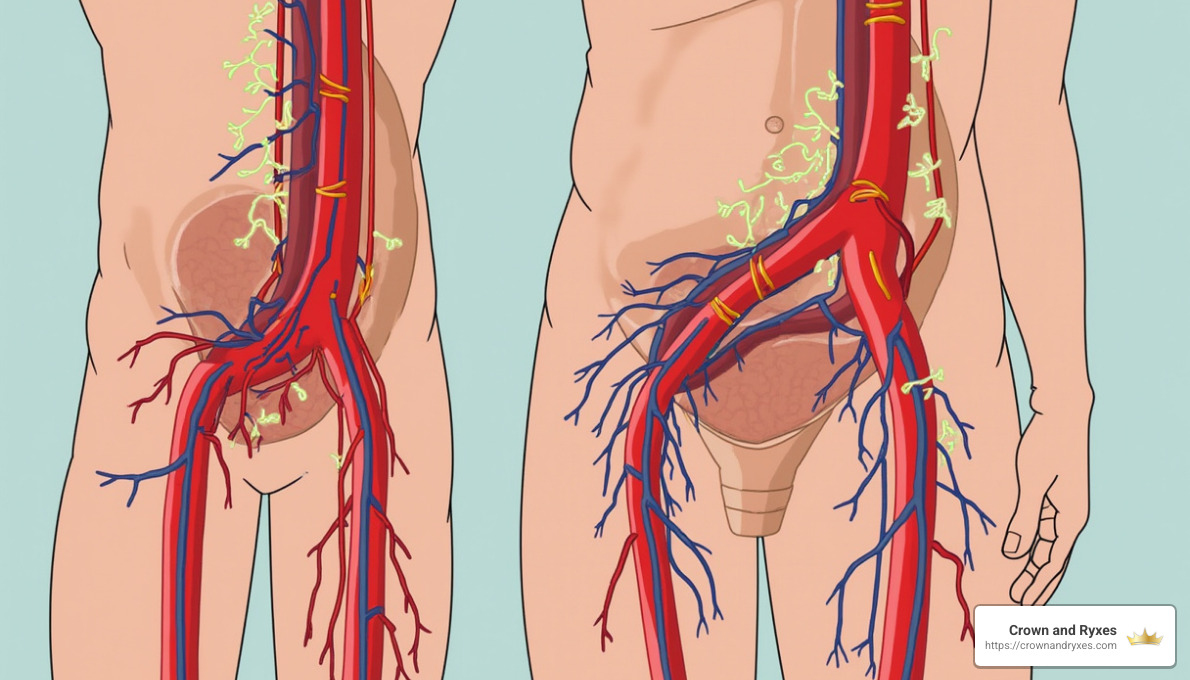
Erections happen when blood fills the penis. This process involves relaxing the smooth muscles in the blood vessels, allowing increased blood flow. Testosterone plays a role in this by helping release nitric oxide, a chemical that aids in muscle relaxation. However, if the blood vessels are damaged or blocked, an erection can’t occur, regardless of testosterone levels.
Psychological Factors in ED
The mind is powerful when it comes to sexual function. Anxiety about performance can create a self-fulfilling prophecy, where the stress of wanting to perform well leads to ED. Addressing these psychological factors, often through therapy or counseling, can be crucial in treating ED.
Understanding these causes is essential for identifying the right treatment. While testosterone treatment can help in some cases, especially when low testosterone is a factor, addressing underlying causes like blood flow and psychological issues is often necessary for effective management of ED.
The Role of Testosterone in Sexual Health
Testosterone is a vital hormone for men, often linked to masculine traits and overall sexual health. It’s produced primarily in the testicles and plays a crucial role in developing male sexual characteristics, maintaining libido, and even influencing mood and energy levels.
Testosterone Production
The production of testosterone is a complex process that starts in the brain. The hypothalamus sends a signal to the pituitary gland, which then releases hormones that stimulate the testicles to produce testosterone. This hormone peaks during adolescence and early adulthood. After the age of 30, testosterone levels typically decline at a gradual pace, which is a normal part of aging.
Male Sexual Characteristics
Testosterone is responsible for many of the physical traits associated with men. These include:
- Muscle Mass and Strength: Testosterone helps increase muscle size and strength, contributing to a more muscular physique.
- Body Hair: It stimulates the growth of facial and body hair.
- Voice Deepening: During puberty, testosterone causes the voice to deepen.
- Bone Density: It contributes to strong bones, reducing the risk of fractures.
Libido and Sexual Function
One of the most well-known roles of testosterone is its influence on libido, or sexual desire. Low levels of testosterone can lead to a reduced sex drive, which is often one of the first signs that men notice. However, as noted in various studies, while testosterone affects desire, its direct impact on erectile function is less clear.
For instance, research suggests that while testosterone replacement therapy (TRT) can help improve libido in men with low testosterone, its effects on erectile dysfunction (ED) are mixed. Some men experience improvements in ED with TRT, especially when coupled with other treatments like PDE5 inhibitors, while others do not see significant changes.
The Complex Relationship with ED
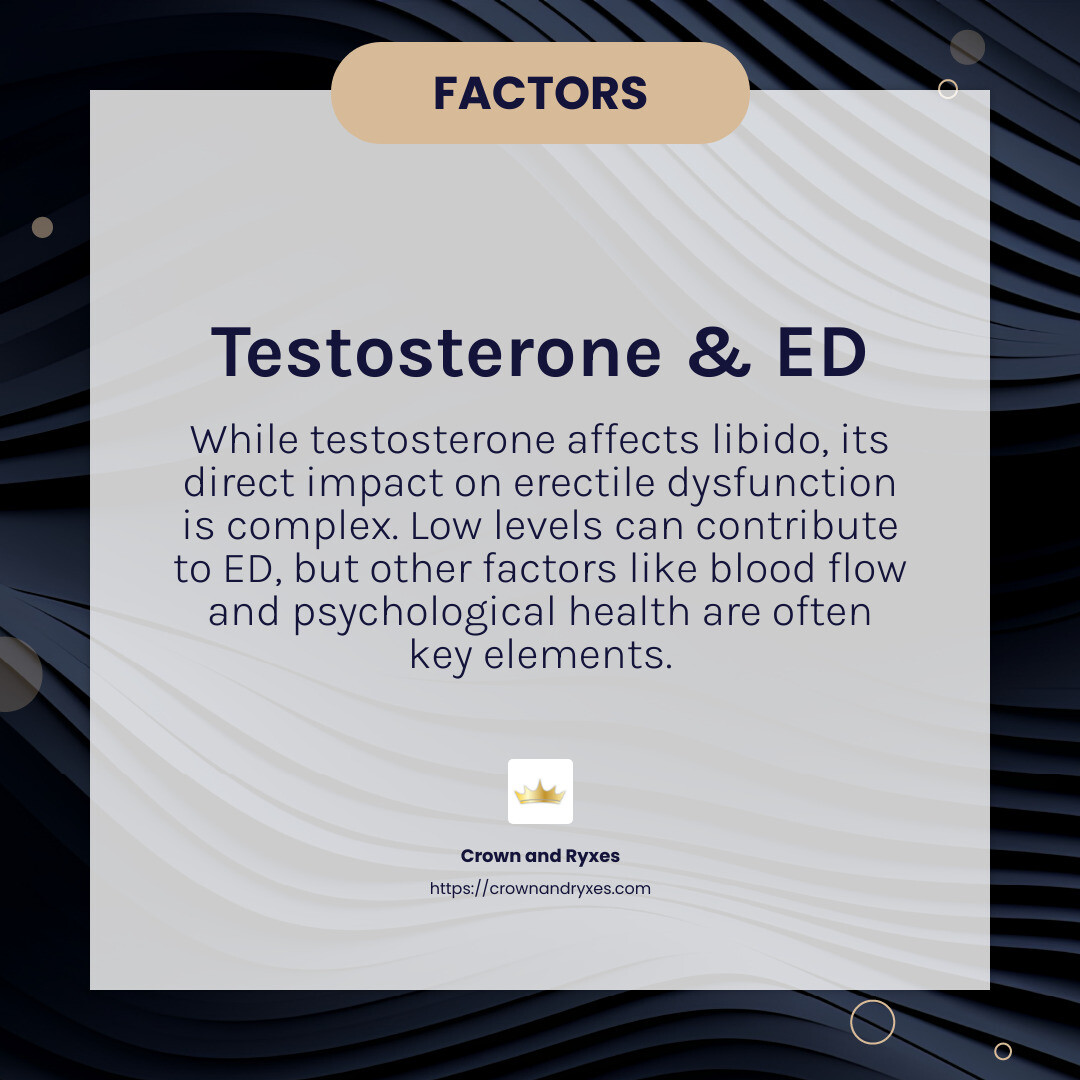
The relationship between testosterone and ED is complex. While low testosterone can contribute to ED, many other factors such as blood flow and psychological health are often involved. This means that while boosting testosterone levels can help some men, it is not a universal solution for ED.
Understanding the multifaceted role of testosterone in sexual health is crucial for addressing issues like low libido and ED. By recognizing the importance of testosterone alongside other factors, men can better steer their sexual health and seek appropriate treatments.
Next, we’ll explore whether testosterone treatment can indeed help with ED and what the research says about its effectiveness.
Does Testosterone Treatment Help ED?
Testosterone replacement therapy, or TRT, is often considered for men experiencing erectile dysfunction (ED) alongside low testosterone levels. But does testosterone treatment really help ED? The answer isn’t straightforward.
TRT and Erectile Function
TRT is primarily used to restore testosterone levels in men with low T. It’s known to boost libido and improve mood. But when it comes to ED, the results can vary. Some men find that TRT helps improve their erections, especially those with mild ED. For others, particularly those with more severe ED, TRT alone may not be enough.
The Role of PDE5 Inhibitors
Many men with ED also use PDE5 inhibitors like sildenafil (Viagra). Research, such as the study conducted by Boston University Medical School, indicates that adding testosterone to these medications doesn’t necessarily improve their effectiveness. In this study, men using both Viagra and a testosterone gel didn’t see additional benefits compared to those using Viagra alone.
When TRT is Effective
TRT can be more effective in men with mild ED who do not respond to PDE5 inhibitors alone. For these individuals, normalizing testosterone levels might improve the response to these drugs. However, for men with severe ED due to conditions like advanced diabetes or significant nerve damage, other treatments may be more effective.
Weighing the Benefits and Risks
While TRT can improve libido and offer other health benefits, weigh these against potential side effects. These can include acne, increased red blood cell count, and mood swings. Therefore, it’s crucial to consult with a healthcare provider to determine if TRT is the right option based on individual health needs.
Understanding whether testosterone treatment can help with ED requires a nuanced approach. It’s not just about boosting hormone levels but also considering other treatments and lifestyle changes that can contribute to better sexual health. In the next section, we’ll dig deeper into how testosterone therapy works and what you can expect from it.
How Testosterone Therapy Works
Testosterone therapy involves hormone replacement to address low testosterone levels in men. This therapy is available in several forms, each with its own method of delivery and potential side effects. Understanding these options helps in choosing the best treatment for your needs.
Treatment Options
Intramuscular Injections: These are given every two to ten weeks. They deliver testosterone directly into the bloodstream, providing a quick boost in hormone levels.
Testosterone Gel: Applied to the skin, this gel allows testosterone to be absorbed gradually. It’s convenient but requires daily application.
Mucoadhesive Material: Applied above the teeth twice a day, this option is less common but offers an alternative for those who prefer not to use gels or injections.
Subcutaneous Pellets: These are implanted under the skin and release testosterone slowly over time. They require fewer applications but involve minor surgery.
Oral Medications: While convenient, they may have more side effects related to liver health.
Testosterone Stick: Similar to deodorant, this stick is applied under the arms.
Each of these options provides adequate hormone replacement, but the choice depends on personal preference, lifestyle, and medical advice.
Side Effects
While testosterone therapy can be beneficial, it also comes with potential side effects. These include:
- Acne and Oily Skin: Increased testosterone can lead to skin changes.
- Fluid Retention: Some men may experience mild swelling.
- Mood Swings: Hormone changes can affect mood, leading to increased aggression or irritability.
- Increased Red Blood Cell Count: This can thicken the blood, raising the risk of clots.
- Decreased Testicular Size: The body may reduce its own testosterone production.
- Sleep Apnea Worsening: Existing sleep apnea may become more pronounced.
- Breast Enlargement: Hormonal changes can lead to gynecomastia in some men.
It’s crucial to have regular follow-ups with a healthcare provider to monitor these side effects and adjust treatment as needed.
Weighing the Options
Choosing the right testosterone therapy involves considering both the benefits and potential drawbacks. Some men find significant improvements in their energy levels, mood, and libido, while others may experience side effects that outweigh the benefits. Always consult with a healthcare professional to tailor the treatment to your specific health needs.
In the next section, we’ll explore what research says about testosterone therapy and its impact on erectile dysfunction, helping you understand when and how it might be effective.
Testosterone Therapy and Erectile Dysfunction: What the Research Says
When it comes to does testosterone treatment help ED, the research offers some insightful findings. Clinical studies have shown that testosterone therapy can be effective, especially in men with mild erectile dysfunction (ED) and low testosterone levels.
Clinical Studies
Recent research indicates that testosterone replacement therapy (TRT) can improve symptoms in men with mild ED. This is especially true for those who have not responded well to PDE5 inhibitors alone. PDE5 inhibitors, like sildenafil, work by increasing blood flow to the penis, but they aren’t effective for everyone.
A study from Boston University Medical School involved men with both low testosterone and ED. The study found that adding testosterone gel to a PDE5 inhibitor did not significantly improve erectile function compared to using the PDE5 inhibitor alone. However, for men who had mild ED and were unresponsive to PDE5 inhibitors, testosterone therapy showed additional benefits.
Mild vs. Severe ED
Testosterone therapy tends to be more beneficial for men with mild ED. For those with more severe ED, the improvements are less pronounced. This is because severe ED often involves factors beyond low testosterone, such as nerve damage or severe blood vessel issues, which testosterone alone cannot address.
Combining Testosterone with PDE5 Inhibitors
For some men, combining TRT with PDE5 inhibitors provides better results than using either treatment alone. This combination can be particularly effective for men with mild ED who also have low testosterone levels. The synergy between these treatments can lead to improved erectile function and increased libido.
Key Takeaways
- Mild ED: Testosterone therapy can improve erectile function, especially in men with low testosterone.
- Severe ED: The benefits of TRT are limited, and other treatments may be necessary.
- Combination Therapy: Combining TRT with PDE5 inhibitors can offer additional improvements for some men.
Understanding the nuances of these treatments can help men make informed decisions about managing their ED. In the next section, we’ll look at lifestyle changes that can naturally boost testosterone levels and potentially improve erectile function.
Lifestyle Changes to Improve Testosterone Levels
Boosting testosterone doesn’t always require medical intervention. Simple lifestyle changes can make a big difference. Let’s explore how exercise, diet, obesity, and stress management play a role.
Exercise
Regular physical activity is a great way to naturally increase testosterone levels. Exercise helps by:
- Improving blood flow: This is crucial for erectile function.
- Building muscle: Muscle-building exercises boost testosterone production.
- Reducing body fat: Less fat means higher testosterone levels.
Aim for at least 160 minutes of exercise per week. This can include cardio, strength training, and even pelvic floor exercises like Kegels, which are great for sexual health.
Healthy Diet
What you eat matters. A balanced diet supports hormonal health and can help prevent conditions like obesity and diabetes, which can lower testosterone and cause erectile dysfunction.
Include these foods for better sexual wellness:
- Oysters: Rich in zinc, which boosts testosterone.
- Nuts and seeds: Packed with healthy fats and nutrients.
- Fruits and vegetables: Essential for overall health and libido.
- Lean meats and fortified cereals: Provide protein and important vitamins.
Eating a nutritious diet helps maintain a healthy weight, which is crucial for testosterone levels.
Obesity
Carrying extra weight, especially around the abdomen, can lower testosterone. Obesity is also linked to erectile dysfunction. Losing weight can help increase testosterone and improve sexual health.
Stress Management
Stress is a testosterone killer. It raises cortisol, a hormone that negatively impacts testosterone production. Managing stress can improve both testosterone levels and erectile function.
Try these stress-busting techniques:
- Mindfulness and relaxation exercises: Help calm the mind.
- Regular exercise: Reduces stress and boosts mood.
- Adequate sleep: Essential for hormone balance.
By incorporating these lifestyle changes, men can naturally boost their testosterone levels and improve both their sexual and overall health. In our next section, we’ll address common questions about testosterone and erectile dysfunction.
Frequently Asked Questions about Testosterone and ED
Can testosterone improve erectile dysfunction?
Yes, testosterone treatment can help some men with erectile dysfunction (ED), especially if they have low testosterone levels. Testosterone is crucial for sexual function, including libido and the mechanics of an erection. Dr. Abraham Morgentaler from Harvard Medical School notes that testosterone can improve erections in many men with low levels. However, it’s not a universal solution. Some men with ED have normal testosterone levels, and in such cases, testosterone therapy might not be effective.
How long does it take for testosterone to fix ED?
The time it takes for testosterone therapy to improve ED varies. Some men may notice changes in a few weeks, while for others, it might take several months. It’s important to have realistic expectations and understand that results can differ based on individual health factors and the severity of testosterone deficiency. Regular follow-up with a healthcare provider is essential to monitor progress and make any necessary adjustments to the treatment plan.
What are the side effects of testosterone replacement therapy?
While testosterone replacement therapy is generally safe, it can have side effects. Some common ones include:
- Acne or oily skin
- Mild fluid retention
- Increased urination symptoms: Such as a decreased stream
- Breast enlargement
- Mood swings and increased aggression
- Decreased testicular size
- Increased risk of blood clots
- Potential exacerbation of sleep apnea
Additionally, testosterone therapy can affect cholesterol levels and increase red blood cell count. It’s important to discuss potential side effects with a healthcare provider and have regular check-ups to manage any risks.
By understanding these aspects of testosterone therapy, men can make informed decisions about their treatment options. Up next, we’ll conclude with a look at Crown and Ryxes’ personalized wellness solutions for sexual health.
Conclusion
At Crown and Ryxes, we understand that finding the right solution for erectile dysfunction (ED) is a personal journey. Our approach is rooted in providing personalized wellness solutions custom to each individual’s needs. We offer a range of sexual wellness services designed to improve your quality of life and address your unique health concerns.
Testosterone treatment can be a valuable option for some men experiencing ED, especially those with low testosterone levels. However, it’s not a one-size-fits-all solution. That’s why at Crown and Ryxes, we focus on comprehensive care that considers all aspects of your health. Our team is dedicated to helping you explore various treatment options, including lifestyle changes and advanced therapies, to find what works best for you.
We believe that open communication is key to successful treatment. Our experts are here to guide you every step of the way, ensuring you feel informed and empowered in your journey to improved sexual wellness.
To learn more about our services and how we can help you, visit our Men’s Sexual Dysfunction page. Let us be your partner in achieving better health and wellness.
At Crown and Ryxes, your well-being is our priority. Together, we can help you regain control and confidence in your sexual health.