

Erectile dysfunction exercise benefits can be a game-changer for those looking to improve their intimate health without relying solely on medications. The connection is clear: regular physical activity not only boosts cardiovascular health but also helps improve erectile function. In short:
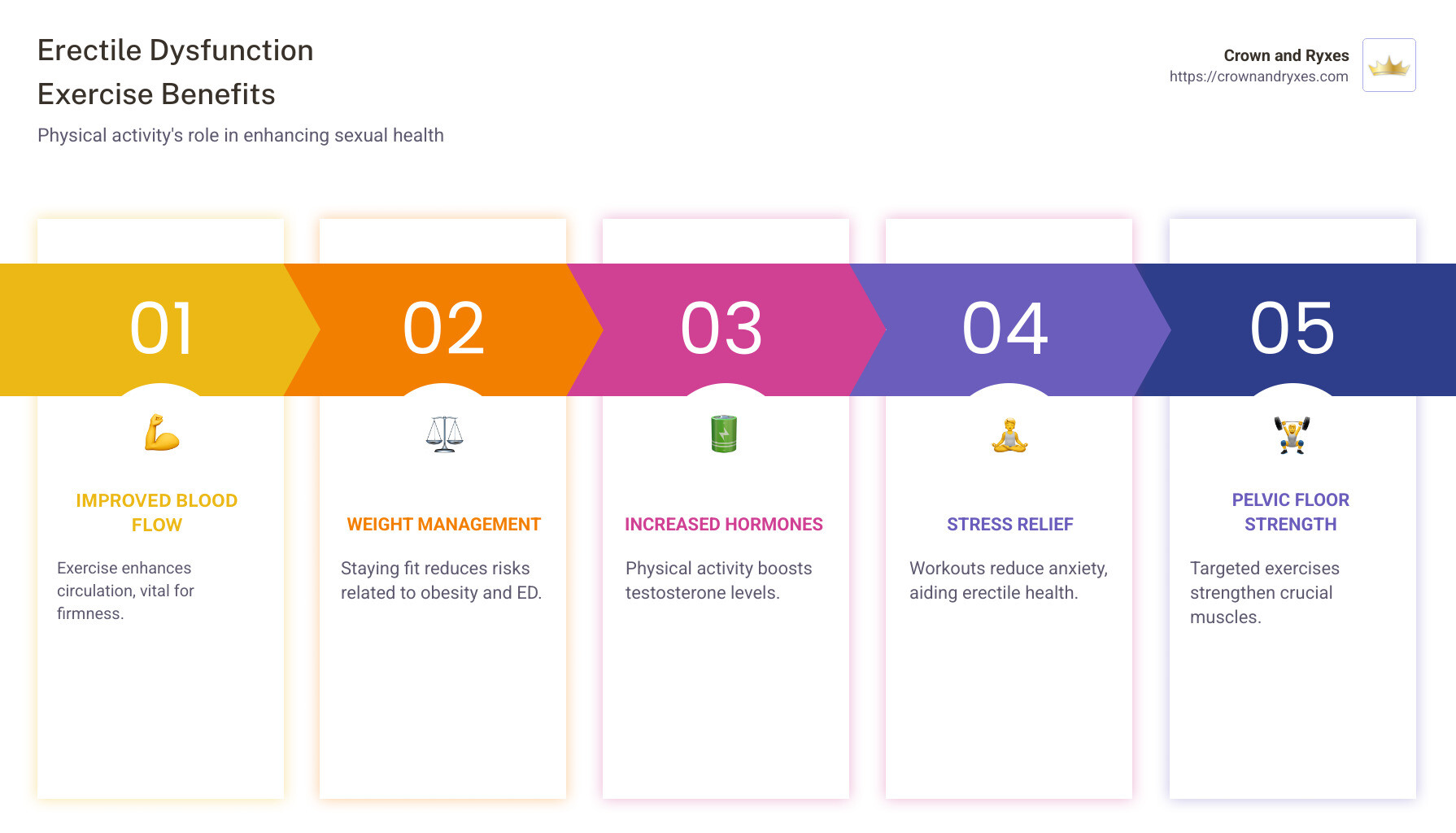
- Improved Blood Flow: Exercise improves circulation, vital for firmness.
- Weight Management: Staying fit reduces risks related to obesity and ED.
- Increased Hormones: Physical activity boosts testosterone levels, which can positively impact desire and performance.
- Stress Relief: Reduce anxiety with regular workouts, which aids erectile health.
- Pelvic Floor Strength: Targeted exercises strengthen muscles crucial for performance.
These practical benefits make exercise a cornerstone of managing erectile concerns and improving overall well-being.
I’m Matthew Casavant. With a background in medical practice and a focus on surgical innovations, I’ve seen how pivotal erectile dysfunction exercise benefits are for transformative sexual health improvement. Let’s dig into the links between fitness and effective solutions for ED.
Erectile dysfunction exercise benefits terms explained:
– erectile dysfunction lifestyle changes
– erectile dysfunction and mental health
– improve sexual performance naturally
Understanding Erectile Dysfunction
Erectile dysfunction (ED) is when a man has trouble getting or keeping an erection. It’s more common than you might think and can happen for many reasons. Let’s break down the main causes:
Causes of Erectile Dysfunction
Cardiovascular Health:
ED is often linked to heart health. When your heart and blood vessels aren’t in top shape, it can be hard for blood to flow to your penis. This is why ED is sometimes called “penile angina,” as it can be an early warning sign of heart disease. Keeping your cardiovascular system healthy is crucial for preventing ED.Psychological Factors:
Stress, anxiety, and depression can all play a big role in ED. When your mind is preoccupied or stressed, it can be tough to focus on physical intimacy. These psychological factors can create a cycle, where ED leads to more stress, which then makes ED worse.Lifestyle Choices:
Things like smoking, drinking too much alcohol, and not getting enough exercise can increase the risk of ED. These habits can damage blood vessels and reduce blood flow, which is essential for maintaining an erection.Medical Conditions:
Conditions like diabetes, high blood pressure, and obesity can also contribute to ED. These health issues can damage blood vessels and nerves, making it harder to achieve an erection.
Cardiovascular Function and ED
Good blood flow is key to a healthy erection. When you are aroused, blood vessels in the penis relax and open up, allowing more blood to enter. If your heart or blood vessels aren’t healthy, this process can be disrupted.
Improving cardiovascular health through exercise is one of the most effective ways to combat ED. Regular aerobic exercise, like jogging or swimming, improves heart health and increases blood flow throughout the body, including to the penis.
Psychological Factors
Your mental state can have a big impact on your sexual health. Anxiety about performance, relationship issues, or general stress can all lead to ED. It’s important to address these mental health concerns, either through therapy, stress management techniques, or lifestyle changes, to improve your sexual well-being.
In summary, understanding the causes of erectile dysfunction is the first step in managing it. By focusing on cardiovascular health, addressing psychological factors, and making healthier lifestyle choices, you can take control of your sexual health.
The Role of Exercise in Managing Erectile Dysfunction
Exercise plays a crucial role in managing erectile dysfunction (ED) by improving blood flow and strengthening key muscles. Let’s explore how specific exercises can help.
Pelvic Floor Exercises
Pelvic floor exercises, often known as Kegel exercises, are essential for strengthening the muscles that support erections. These exercises target the bulbocavernosus muscle, which is responsible for allowing the penis to fill with blood during an erection, pumping during ejaculation, and emptying the urethra after urination.
To perform a Kegel exercise:
- Identify the right muscles: Try stopping your urine mid-flow. The muscles you use are the ones you need to work on.
- Exercise routine: Squeeze these muscles, hold for five seconds, then relax. Repeat 10 to 20 times, two to three times a day.
These exercises can be done discreetly, anytime and anywhere, making them a convenient option for improving pelvic floor strength.
Aerobic Exercise
Aerobic exercises like brisk walking, running, or cycling can significantly improve cardiovascular health and blood flow. A study published in The American Journal of Cardiology found that regular aerobic exercise can help reduce ED symptoms.
How does it work?
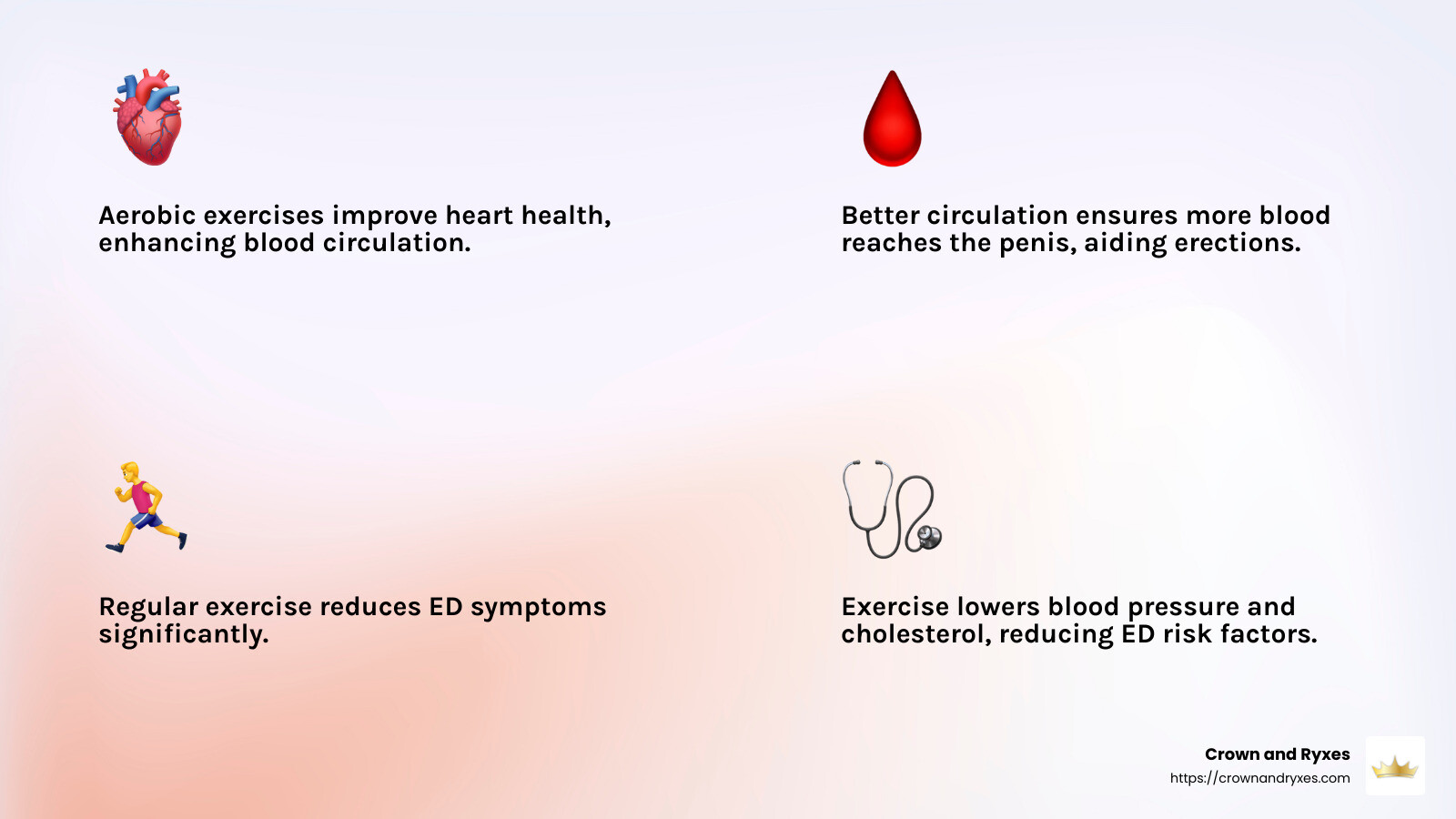
- Improves heart health: Aerobic exercise strengthens the heart, allowing it to pump blood more efficiently throughout the body, including to the penis.
- Reduces risk factors: It helps lower blood pressure and cholesterol, reducing the risks associated with ED.
- Improves blood flow: Better circulation means more blood can reach the penis, aiding in achieving and maintaining erections.
Blood Flow Improvement
Improving blood flow is crucial for managing ED. Both pelvic floor and aerobic exercises contribute to this by:
- Enhancing vascular function: Regular exercise keeps blood vessels healthy and flexible, promoting better blood flow.
- Reducing inflammation: Exercise can decrease inflammation, a common contributor to vascular problems that affect erections.
- Boosting nitric oxide levels: Physical activity increases nitric oxide in the blood, which helps relax blood vessels and improve circulation to the penis.
Incorporating these exercises into your routine can lead to significant improvements in erectile function without medication. Leading a more active lifestyle not only benefits your sexual health but also boosts overall well-being.
Next, we’ll explore specific exercises that are effective for managing erectile dysfunction.
Erectile Dysfunction Exercise Benefits
Exercise is a powerful ally in the fight against erectile dysfunction (ED). It offers multiple benefits that can improve both pelvic floor strength and cardiovascular health, while also promoting positive lifestyle changes.
Pelvic Floor Strength
Strengthening the pelvic floor muscles is crucial for improving erectile function. The pubococcygeus muscle, in particular, plays a key role. When this muscle is strong, it helps keep blood in the penis during an erection.
Why is this important?
- Prevents blood leakage: A strong pelvic floor can prevent blood from flowing out of the penis, maintaining firmness.
- Supports pelvic organs: These muscles help in controlling urination and ejaculation, which are important for sexual health.
Regularly performing Kegel exercises can take about 4–6 weeks to show noticeable improvements in erectile function. It’s a simple yet effective way to improve pelvic floor strength.
Cardiovascular Health
Good cardiovascular health is vital for preventing ED. Aerobic exercises, such as walking, running, and cycling, have been shown to significantly improve heart health.
How does this help with ED?
- Improves blood circulation: A healthy heart pumps blood more efficiently, ensuring adequate blood flow to the penis.
- Reduces ED risk factors: Regular aerobic activity lowers blood pressure and reduces excess weight, both of which are linked to ED.
A study in The Journal of Sexual Health noted that men who engaged in aerobic exercise three to five times a week saw improvements in ED comparable to those from medications like Viagra.
Lifestyle Changes
Adopting a healthier lifestyle can have a profound impact on erectile function. Regular exercise, combined with a balanced diet and stress management, can:
- Improve overall wellness: Physical activity boosts mood and energy levels, contributing to a more active and satisfying life.
- Lower stress levels: Exercise reduces stress, a common psychological factor contributing to ED.
- Promote weight management: Maintaining a healthy weight can prevent conditions like diabetes and hypertension, which are known to cause ED.
Incorporating these lifestyle changes not only addresses ED but also improves general health, making it a win-win situation.
In the next section, we’ll dig into specific exercises that can effectively manage erectile dysfunction.
Effective Exercises for Erectile Dysfunction
When it comes to tackling erectile dysfunction (ED), not all exercises are created equal. Some are particularly effective at improving sexual health and performance. Let’s explore three key types: Kegel exercises, aerobic activities, and Pilates.
Kegel Exercises
Kegel exercises are a simple yet powerful way to strengthen the pelvic floor muscles, which play a crucial role in erectile function. These exercises focus on the bulbocavernosus muscle, which helps the penis engorge with blood during an erection, pumps during ejaculation, and aids in urination.
How to do Kegels:
Identify the right muscles: The easiest way to find your pelvic floor muscles is to try stopping your urine mid-flow. The muscles you use to do this are the ones you want to target.
Perform the exercise: Squeeze these muscles, hold for five seconds, then relax. Aim for 10 to 20 repetitions, two to three times a day.
Mix it up: Try Kegels in different positions—lying down, sitting, or standing—to challenge your muscles.
Over time, Kegels can improve pelvic floor strength, helping to maintain erections and prevent blood leakage from the penis.
Aerobic Activities
Aerobic exercises are excellent for boosting cardiovascular health, which is closely linked to erectile function. Activities like brisk walking, running, cycling, and swimming improve blood flow and reduce ED risk factors like high blood pressure and obesity.
Benefits of aerobic exercise:
- Improved blood flow: A healthy heart ensures efficient blood circulation, vital for achieving and maintaining erections.
- Reduced inflammation and stress: Regular aerobic activity helps lower inflammation and stress levels, both contributors to ED.
A study highlighted in The Journal of Sexual Health found that men who engaged in aerobic exercise for 30 to 60 minutes, three to five times a week, experienced significant improvements in their ED symptoms.
Pilates
Pilates might not be the first thing that comes to mind for ED, but it can be highly beneficial. This exercise method focuses on core strength, flexibility, and balance, all of which contribute to better pelvic stability and control.
Pilates exercises to try:
- Pelvic Curl: Lie on your back with knees bent, feet flat. Slowly lift your pelvis and lower back off the floor, engaging your core and pelvic floor muscles.
- Supine Foot Raises: Lie on your back, lift one foot off the ground while keeping your pelvis stable. Alternate sides.
Practicing Pilates can improve pelvic floor strength and improve overall body awareness, which can translate into better control during sexual activity.
Incorporating these exercises into your routine can lead to noticeable improvements in erectile function. Up next, we’ll tackle some frequently asked questions about exercise and ED.
Frequently Asked Questions about Erectile Dysfunction and Exercise
Can exercise fix erectile dysfunction?
Exercise can be a game-changer for erectile dysfunction (ED). It doesn’t just improve your physical health; it boosts your cardiovascular function and strengthens your pelvic floor muscles. These are key players in achieving and maintaining an erection.
Pelvic Floor Muscles: Strengthening these muscles, especially through Kegel exercises, can improve blood flow to the penis and help maintain erections. Think of it as giving your body the support it needs to perform at its best.
Cardiovascular Function: Aerobic exercises like jogging, swimming, or cycling improve heart health and blood circulation. Better blood flow means better erections. Research shows that men who engage in regular aerobic activity can see significant improvements in ED symptoms.
How long does it take for exercise to help ED?
Patience is key. You might not see changes overnight, but many men notice improvements within a few weeks to a few months. Consistency is crucial.
Aerobic Exercises: Aim for at least 160 minutes per week. This could be split into 40-minute sessions, four times a week. Studies suggest that this routine can significantly improve erectile function over time.
Lifestyle Changes: Exercise is just one part of the puzzle. Pair it with a healthy diet, adequate hydration, and stress reduction techniques for the best results. These lifestyle changes can accelerate your progress and improve overall well-being.
How to increase blood flow to the penis?
Increasing blood flow is vital for tackling ED, and there are several ways to do it:
Healthy Diet: Incorporate fruits, vegetables, and whole grains into your meals. These foods improve blood vessel health and boost circulation.
Hydration: Drink plenty of water. Staying hydrated ensures your blood flow remains optimal, supporting better erections.
Stress Reduction: Stress can hinder blood flow and affect erectile function. Engage in activities like yoga, meditation, or deep breathing exercises to manage stress effectively.
By focusing on these areas, you can improve blood flow and support your journey to better sexual health. Keep reading as we explore more ways to manage ED effectively.
Conclusion
At Crown and Ryxes, we understand that personalized wellness is key to addressing erectile dysfunction (ED) effectively. Our approach goes beyond quick fixes, focusing on comprehensive lifestyle interventions that support long-term health and vitality.
Why Choose Crown and Ryxes?
We offer a range of sexual wellness services custom to meet your unique needs. Our experienced team is dedicated to guiding you through a personalized journey, helping you make informed lifestyle changes that can significantly impact your sexual health.
Lifestyle Interventions
Exercise: Regular physical activity, especially aerobic exercises and pelvic floor strengthening, plays a crucial role in managing ED. These activities boost cardiovascular health and improve blood flow, essential for maintaining erections.
Diet and Hydration: A balanced diet rich in fruits, vegetables, and whole grains, along with proper hydration, supports better circulation and overall health.
Stress Management: Techniques like yoga and meditation can reduce stress, which is often a hidden factor in erectile dysfunction.
By integrating these lifestyle changes, you can improve your sexual wellness and quality of life. At Crown and Ryxes, we’re here to support you every step of the way.
For more information on how we can help you achieve better sexual health, visit our Men’s Sexual Wellness Services. Let us be your partner in this journey towards improved well-being and confidence.