
Open uping Intimacy: Why Female arousal techniques Matter
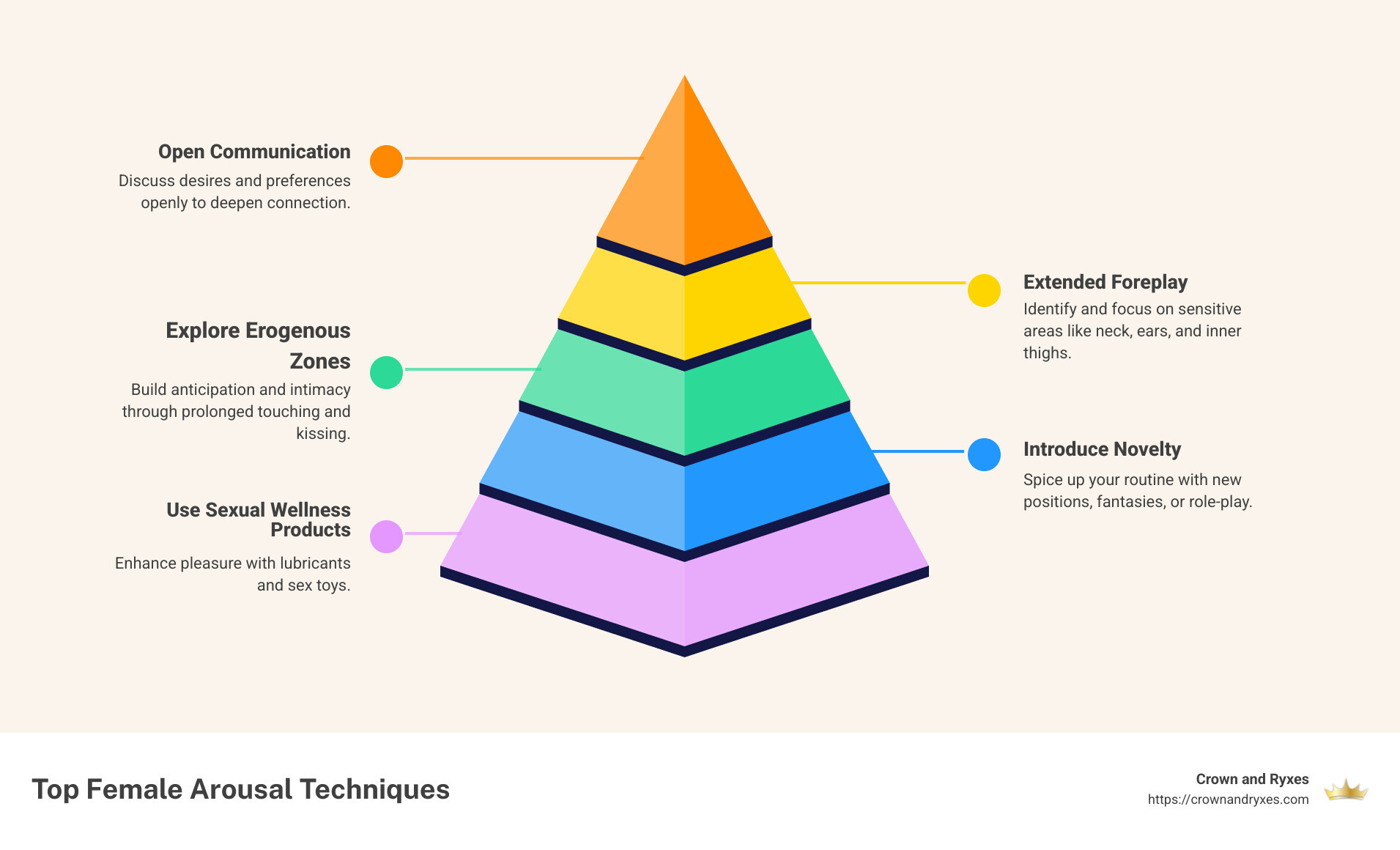
Female arousal techniques are vital methods and practices aimed at enhancing sexual desire, intimacy, and pleasure. For a quick insight, here are the most effective techniques:
- Extended foreplay: Taking time to build physical and emotional intimacy.
- Stimulating erogenous zones: Understanding and exploring sensitive areas beyond genitalia.
- Open communication: Clearly discussing desires and preferences with a partner.
- Introducing novelty: Trying new experiences, positions, or fantasies.
- Using sexual wellness products: Incorporating lubricants, sex toys, and intimacy-enhancing items.
More than just a physical process, female arousal involves emotional connection, proper communication, and addressing barriers like stress or hormonal shifts. As the playful adage goes:
“Men are often compared to a microwave during sex – they’re ready to go instantly. Women, on the other hand, are like a crockpot – they need more time to heat up.”
Understanding this difference is key to fostering a fulfilling and passionate sexual experience.
I’m Matthew Casavant, an experienced physician specializing in women’s health and sexual wellness, with deep expertise in female arousal techniques. Over the past two decades, I’ve guided countless individuals and couples to find intimacy and improve their sexual connections.
Female arousal techniques word roundup:
– female orgasmic disorder
– female sexual health
– female sexual health supplements
Understanding Female Arousal: The Basics
There’s something magical about those moments of genuine connection and arousal. Yet for many women, the path to pleasure isn’t always straightforward. Let’s pull back the curtain on female arousal techniques by first understanding what’s actually happening in your body and mind.
Physiological Changes During Arousal
When arousal begins, your body orchestrates an incredible symphony of changes. Blood rushes to your genital area, making your clitoris more sensitive and your vaginal walls produce natural lubrication. It’s like your body’s way of saying “yes, please!”
Your vaginal canal can expand up to 200% during peak arousal—a fascinating process called “vaginal tenting” where your uterus and cervix draw upward to create more space. Meanwhile, your breasts might become about 25% fuller, with nipples becoming more sensitive as oxytocin flows through your system.
Your heart beats faster, breathing quickens, and even your pupils dilate—all signs that your body is awakening to pleasure. As Dr. Janet Brito wisely points out, “Once you feel secure in your own preferences, unrestricted by societal or gender expectations, you’ll be empowered to cultivate a fulfilling sexual experience.”
The Sexual Response Cycle
Think of arousal as a journey rather than a destination. The classic sexual response cycle helps us understand the natural progression:
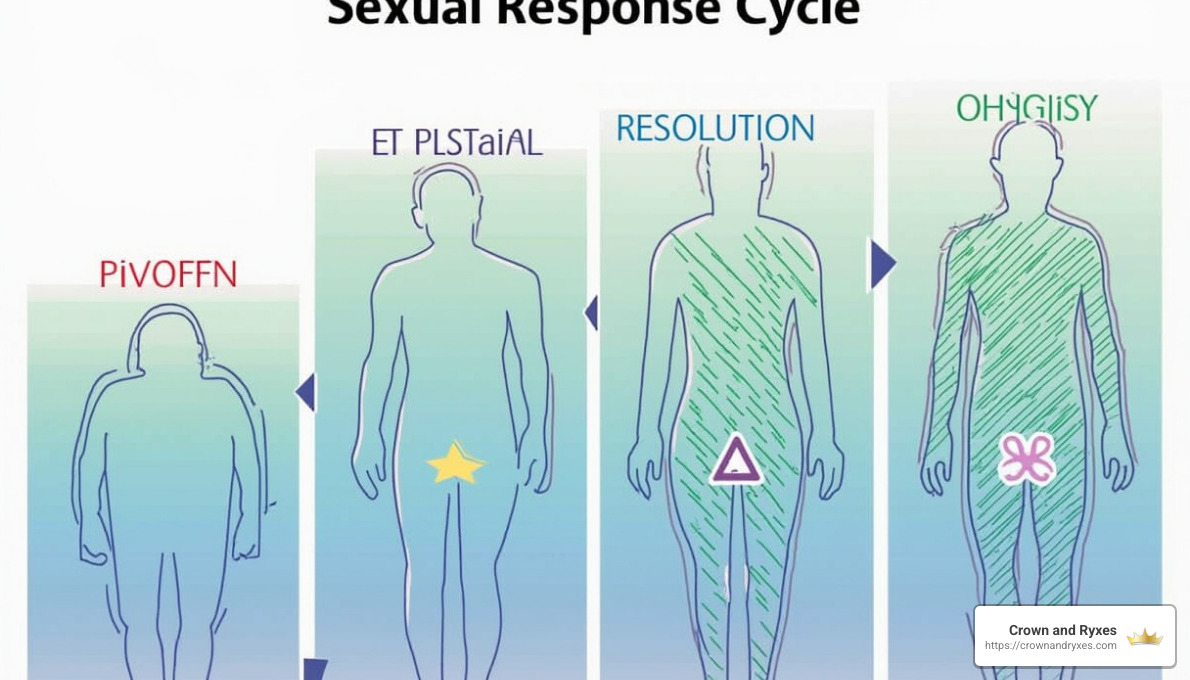
During the excitement phase, your body begins responding to stimulation. The plateau phase is where arousal intensifies and muscle tension builds—a delicious state of anticipation. If conditions are right, this leads to orgasm, that rhythmic release of tension. Finally, the resolution phase brings your body back to its normal state, often with a warm glow of satisfaction.
Understanding this cycle helps set realistic expectations. Some women move through these phases quickly, others linger in certain stages, and many experience variations each time. There’s no “right” way to experience arousal.
The Crucial Difference Between Arousal and Desire
Here’s something that might revolutionize how you think about sex: arousal and desire aren’t the same thing.
Desire is the mental interest—that spark in your mind that makes you think, “I want this.”
Arousal, on the other hand, is your body’s physical response to sexual stimuli.
Sometimes these two align perfectly, but often they don’t. You might feel physically aroused without mentally wanting sex, or vice versa. This “arousal discordance” is completely normal—understanding it can take away so much unnecessary pressure and anxiety.
“Men are often compared to a microwave during sex – they’re ready to go instantly. Women on the other hand are like a crockpot – they need more time to heat up.”
This playful comparison captures an important truth: female arousal techniques often require patience and a different approach than male arousal.
Knowing Your Body
Self-exploration isn’t just empowering—it’s essential. Taking time to find what types of touch, pressure, rhythm, and stimulation feel good to you creates a roadmap that you can later share with a partner.
Professor Davis notes: “Studies show that lengthier foreplay can increase a woman’s arousal, relaxation, lubrication, and pleasure during sex.” This highlights why rushing rarely leads to satisfaction for women.
The latest research on female arousal confirms what many women intuitively know: those who understand their own bodies and can confidently communicate their needs report significantly higher sexual satisfaction and more frequent orgasms.
At Crown and Ryxes, we believe that understanding your body’s unique responses is the foundation of sexual wellness. When you know what works for you, you can better guide partners and advocate for your own pleasure—turning good experiences into truly exceptional ones.
Common Barriers to Female Arousal and How to Overcome Them
The path to arousal isn’t always straightforward. Sometimes, there are roadblocks that can make it difficult to get in the mood, no matter how much you might want to. At Crown and Ryxes, we regularly help women identify and address these barriers through our sexual wellness services in Clermont and Lady Lake, FL.

Stress and Mental Health
Let’s face it—our modern lives are filled with stress. Whether it’s work deadlines, family responsibilities, or financial worries, these stressors can follow us right into the bedroom. When your body is in a state of stress, it produces hormones like cortisol that can put a serious damper on your sexual response.
“The same nervous system that controls our fight, flight, and freeze response is also responsible for our sexual functioning and responsiveness. Don’t try to be sexual or aroused while you are anxious,” explains Dr. Stefani Goerlich.
It’s like trying to relax while someone’s honking a horn in your ear—nearly impossible. To overcome stress barriers, try building daily relaxation techniques into your routine. Even five minutes of deep breathing or meditation can make a difference. Creating clear boundaries between work and intimate time is also crucial—no checking emails in bed! During sexual encounters, practice staying present through mindfulness, focusing on physical sensations rather than your to-do list. And if stress feels overwhelming, don’t hesitate to speak with a mental health professional.
Hormonal Changes and Their Impact
Our hormones are like the conductors of our body’s orchestra, and when they fluctuate, it can throw everything off-beat—including our desire for intimacy. These changes happen naturally throughout our lives: during the menstrual cycle, pregnancy, after childbirth, and most dramatically during perimenopause and menopause.
Professor Davis explains: “Low libido can be triggered by life pressures, mental health issues, thyroid problems, relationship difficulties, some medications or changes to hormones.”
Understanding your own hormonal patterns can be incredibly empowering. Try tracking your cycle to identify when your desire tends to peak and ebb. For more significant hormonal issues, discussing hormone therapy options with a healthcare provider might be helpful. At Crown and Ryxes, we often recommend considering bio-identical hormone replacement therapy for menopausal symptoms. Sometimes, simply adjusting sexual activities based on where you are in your cycle can make a big difference.
The Menopause Factor
Menopause represents a major transition in a woman’s life, and its effects on sexuality are often underappreciated. As estrogen levels decline, many women experience vaginal dryness, decreased sensitivity, and reduced blood flow to the genital area—all of which can make arousal more challenging.
“Using an oestrogen cream in the vagina twice a week can greatly reduce sexual discomfort,” advises Professor Davis.
This stage of life doesn’t mean the end of a satisfying sex life—far from it! At Crown and Ryxes, we offer specialized treatments for women experiencing menopausal changes affecting their sexual wellness. Our approach combines medical interventions with lifestyle modifications for comprehensive support. Many women find that with the right support, their post-menopausal sex lives can be even more fulfilling than before.
Medication-Related Challenges
That pill you take for your health might be inadvertently affecting your pleasure. Many common medications can interfere with sexual arousal, including antidepressants (particularly SSRIs), blood pressure medications, antihistamines, birth control pills, and certain pain medications.
If you suspect your medication might be dampening your desire, it’s important to never stop taking it without consulting your doctor first. Instead, have an honest conversation about alternative medications with fewer sexual side effects. Sometimes, adjusting the timing of sexual activity relative to when you take your medication can help. And exploring additional female arousal techniques can sometimes overcome pharmaceutical effects.
Emotional Barriers
Perhaps the most complex barriers to arousal are emotional ones. Feeling unappreciated or taken for granted, lack of trust or emotional safety, past sexual trauma, body image concerns, or sexual shame can all create significant roadblocks to getting in the mood.
Casey Tanner, a certified sex therapist, notes: “Arousal discordance, or a difference between your mental desire for sex and your physical arousal state, is extremely common.”
Addressing these deeper issues often requires patience and sometimes professional support. Consider couples counseling or sex therapy if emotional barriers persist. Practice open communication about emotional needs with your partner—sometimes simply feeling heard can make a world of difference. Creating a judgment-free environment for expressing desires helps too. And if past trauma is affecting your intimate life, working with a professional who specializes in trauma recovery can be transformative.

Research published in the Journal of Sexual Medicine found that emotional factors often have a stronger impact on female arousal than physical factors, highlighting the importance of addressing these barriers first.
The good news is that most barriers to arousal can be overcome with the right approach. Whether it’s managing stress, addressing hormonal changes, adapting to medication effects, or working through emotional challenges, understanding what’s blocking your path to pleasure is the first step toward a more fulfilling intimate life. At Crown and Ryxes, we believe every woman deserves to experience the full spectrum of pleasure that her body is capable of feeling.
Effective Female Arousal Techniques to Ignite Passion
Now that we’ve covered the basics of female arousal and common barriers, it’s time to dive into specific, effective female arousal techniques designed to help you improve pleasure, connection, and intimacy. At Crown and Ryxes, these proven strategies form the heart of our sexual wellness consultations, helping countless women and couples refind passion and satisfaction.

Technique 1: Enhancing Arousal through Extended Foreplay
Let’s start with something often overlooked: extended foreplay. Many people underestimate how much time women typically need to reach peak arousal. Research shows that on average, women need about 20-30 minutes to fully relax and become highly aroused.
To make foreplay more effective and enjoyable, start building anticipation early. Flirtatious texts, thoughtful compliments, or gentle touches throughout the day can heighten excitement and encourage emotional intimacy.
Incorporating multiple senses during foreplay is another powerful approach. Soft music, pleasant aromas from candles or essential oils, enticing tastes from shared treats, and playful visuals can significantly amplify arousal. Gradually move from less sensitive areas of the body toward more intimate zones, allowing arousal to grow slowly and naturally.
Sexual wellness expert Azaria Menezes suggests focusing on your breath: “It’s the best way to get out of your head and into your body.” Practicing mindfulness during extended foreplay is an excellent way to enjoy deeper sensations and emotional connection.
Technique 2: Exploring and Stimulating Erogenous Zones
Another impactful female arousal technique involves exploring the body’s many erogenous zones. These sensitive areas extend well beyond the genitals, offering numerous opportunities for increased pleasure.
The neck and ears, for instance, respond wonderfully to gentle kisses, whispers, and light touches. Inner wrists and forearms are surprisingly sensitive—try softly tracing these areas with fingertips or lips. Additionally, the lower back and buttocks contain nerve endings linked directly to the genital area, so gentle massage here can help boost arousal.
Inner thighs, feet, and even the scalp are also fantastic erogenous zones. Massaging these areas gently with varied pressures can lead to increased blood flow and arousal. Remember to communicate openly with your partner about what feels best, adjusting your approach as you go to improve pleasure.
Technique 3: Communicating Desires and Needs
Speaking of communication—it’s perhaps one of the most underrated female arousal techniques around. Being comfortable verbalizing your desires and preferences can make a significant difference in your sexual experiences.
Clearly and directly stating what feels good not only guides your partner but also boosts your own sense of empowerment. Try simple, direct requests: “I love it when you touch me like this,” or “Can you slow down a bit?” Positive feedback reinforces behaviors you enjoy, making intimacy even more fulfilling.
Some couples even create a comfort scale (such as rating pleasure from 1 to 10) to help express levels of enjoyment or communicate boundaries. Sharing fantasies gradually and openly can significantly deepen trust and heighten arousal. For moments when words feel intrusive, establishing non-verbal signals or cues can offer seamless communication without breaking the mood.
As the Kinsey Institute emphasizes, “Good sex often comes down to good communication—how well you and your partner can articulate your needs and desires.” At Crown and Ryxes, we’ve found that couples who improve communication often report remarkable improvements in arousal and sexual satisfaction.
Technique 4: Introducing Variety and Novelty
Routine can be comforting, but when it comes to intimacy, too much routine can dampen excitement. Introducing new experiences sparks dopamine production in your brain, enhancing both pleasure and arousal.
Consider exploring intimacy in new locations around your home or even safe outdoor settings. If evenings are usually reserved for intimacy, try morning encounters instead—testosterone levels for both partners naturally peak at this time, enhancing desire.
Role-playing is another exciting way to spice things up. Stepping into different characters can liberate you from inhibitions, creating fun and novel experiences. You might also experiment with different sexual positions or incorporate sensory deprivation elements like blindfolds to heighten your senses and amplify pleasure.
Research findings highlight that around 87.5% of women prefer “angling,” adjusting their pelvic position during intercourse for maximum clitoral stimulation. Another popular method, “rocking,” involves consistent clitoral stimulation rather than traditional thrusting. Techniques like these, along with shallow penetration, can vastly improve arousal and pleasure during sex.
Technique 5: Incorporating Sexual Wellness Products
Finally, don’t overlook the power of sexual wellness products. These thoughtfully designed items can significantly improve your intimate experiences and help overcome common arousal barriers.
Personal lubricants are versatile and valuable, especially for women experiencing dryness. Water-based lubricants in particular increase comfort and pleasure without irritating sensitive areas. Arousal oils and gels containing ingredients like menthol or L-arginine improve blood flow, sensitivity, and overall arousal.
Vibrators and stimulators enable precise, consistent stimulation of desired erogenous zones. Additionally, Kegel exercisers strengthen pelvic floor muscles, increasing sensitivity and orgasmic potential. For an even more relaxing and sensual foreplay experience, consider massage candles, luxurious massage oils, or warming stones.
At our Crown and Ryxes locations in Clermont and Lady Lake, FL, we offer personalized guidance to help you choose the best wellness products based on your unique needs and preferences.

Implementing these female arousal techniques—extended foreplay, exploring erogenous zones, open communication, variety and novelty, and carefully selected sexual wellness products—can dramatically improve sexual satisfaction and intimacy. Accept the journey, have fun exploring, and enjoy refinding your passion together!
The Role of Communication in Enhancing Female Arousal
Think about the last truly amazing intimate experience you had. Chances are, good communication played a crucial role—whether it was expressed through words, sounds, or body language. While we’ve touched on communication as a technique earlier, it deserves a deeper dive because it truly forms the foundation for all other female arousal techniques.
Creating Emotional Safety Through Communication
For many women, feeling emotionally safe and connected isn’t just nice to have—it’s absolutely essential for physical arousal. This safety comes from knowing they can express desires, set boundaries, and offer feedback without fear of judgment or rejection.
Lou Paget, a certified sex educator, puts it beautifully: “Men are so hungry for what they can do to make a partner feel good. They enjoy it more if she enjoys it more.” This highlights an important truth—communication around arousal isn’t just for women’s benefit; it creates a more fulfilling experience for everyone involved.
Building emotional safety isn’t complicated, but it does require intention. Regular check-ins outside the bedroom about what’s working and what could be improved create a foundation of trust. When you validate your partner’s experiences without becoming defensive, you’re signaling that their pleasure matters to you.
Sharing your own vulnerabilities can be surprisingly powerful too. When you open up about your own insecurities, you create space for your partner to do the same. And perhaps most importantly, practicing active listening—focusing fully on understanding rather than formulating your response—shows your partner they’re truly being heard.
Developing a Shared Language for Pleasure
Many women struggle to describe what they enjoy sexually, not because they don’t know what feels good, but because finding the right words can feel awkward or embarrassing. Developing shared terminology can make these conversations not just easier but actually enjoyable.
Dr. von Hippel explains this beautifully: “I think naming pleasure and pleasure techniques are specifically empowering and usable, so women can feel comfortable and confident using them with partners.”
Creating your pleasure vocabulary can start with research-based terms. Words like “angling” (adjusting the pelvis during intercourse), “rocking” (maintaining constant clitoral contact rather than thrusting), “shallowing” (stimulating just inside the vaginal entrance), and “pairing” (adding clitoral stimulation during penetration) provide specific language for techniques that work.
You can also develop personal codes or nicknames for favorite moves—this can add a playful element to communication. Instead of vague feedback like “that feels good,” try being specific: “I love when you use light pressure in a circular motion there.” And remember that preferences evolve, so regularly updating your shared understanding keeps intimacy fresh and responsive.
Addressing Concerns and Obstacles Together
When barriers to arousal arise—whether it’s stress, health issues, or relationship tensions—addressing them as a team rather than individual problems creates connection instead of pressure or blame.
Collaborative problem-solving makes all the difference here. Frame challenges as opportunities: “I’d like us to explore ways to help me feel more relaxed before intimacy” feels much more constructive than “I can’t get aroused because I’m stressed.” This subtle shift in language transforms a problem into a journey you’re taking together.

Learning together can be incredibly bonding. Reading articles, watching educational videos, or even attending workshops as a couple normalizes the ongoing learning process that’s part of any healthy sex life. For more significant concerns, consider seeing a sexual wellness provider together—at Crown and Ryxes, we often find that couples who come in together make faster progress because they’re approaching wellness as a shared goal.
Don’t forget to celebrate small wins along the way. Acknowledging and appreciating improvements, however subtle, reinforces positive change and keeps motivation high. Maybe it’s noticing quicker arousal after implementing new relaxation techniques, or feeling more comfortable expressing a desire—these moments deserve recognition.
Research published in the Journal of Sex Research confirms what we see in our practice every day: couples who communicate effectively about sex report significantly higher levels of arousal and satisfaction. This makes communication not just helpful but one of the most powerful female arousal techniques available—and it’s completely free!
At our Clermont and Lady Lake locations, we often hear from clients that the communication skills they develop while addressing sexual wellness end up improving their relationship in all areas. That’s because the vulnerability, honesty, and attentiveness required for good sexual communication are the same qualities that strengthen emotional bonds throughout the relationship.
Lifestyle Changes to Boost Female Libido
Beyond specific female arousal techniques and open communication, your lifestyle plays a huge role in your sexual wellness. At Crown and Ryxes, we firmly believe in a holistic approach. Small changes in your daily habits can have a dramatic impact on your libido, pleasure, and overall intimacy.

The Exercise Connection
You might not immediately link exercise to better sex, but regular physical activity is a powerful ally in enhancing female libido. Exercise improves blood flow throughout your body—including your genital region—which boosts sensitivity and arousal potential. It also naturally supports healthy testosterone levels, a hormone vital for female libido.
Another great benefit of exercise is stress reduction. Regular workouts lower cortisol (the stress hormone) and promote endorphin release, helping you feel better mentally and emotionally. Plus, as your body confidence improves, you’ll likely feel more comfortable and present during intimacy.
You don’t have to become a gym fanatic to reap these benefits. Simple activities like yoga, dancing, strength training, or moderate cardio can do wonders. Yoga, in particular, improves body awareness, flexibility, and mindfulness—perfect for feeling connected during intimacy.
Nutrition for Optimal Arousal
What you put on your plate can significantly influence your sexual wellness. A balanced diet rich in nutrients supports healthy hormone levels, boosts energy, and improves circulation—all of which are essential for female arousal.
The Mediterranean diet is an excellent choice, packed with fruits, vegetables, whole grains, lean proteins, and healthy fats. It supports heart and vascular health, enhancing blood flow where it counts. Zinc-rich foods like oysters, pumpkin seeds, and lean beef can also support healthy testosterone levels. For improved circulation and antioxidant benefits, consider berries, dark chocolate, and green tea.
On the flip side, limiting things like excessive alcohol, processed foods, too much caffeine, or foods that cause digestive discomfort can help you feel more energized and comfortable, particularly during intimate moments.
Sleep Quality and Sexual Function
If you’re frequently exhausted, it’s tough to feel interested in intimacy. Quality sleep is directly tied to your sexual wellness in many ways. Proper sleep helps keep your hormone levels balanced—including estrogen, progesterone, and testosterone—making you more receptive to sexual stimuli.
Consistent, quality sleep also boosts your mood and emotional health, creating the right mental space for connection. To improve your sleep, try keeping a regular schedule, maintaining a cool and comfortable bedroom, limiting screen time before bed, and addressing any underlying sleep issues like insomnia or sleep apnea.
Stress Management Beyond the Bedroom
Managing stress isn’t just good for your health—it can also dramatically boost your libido. Chronic stress raises cortisol, which dampens sexual desire and reduces the body’s ability to respond to sexual signals.
Managing stress effectively can be simple and enjoyable. Consider incorporating mindfulness practices, like meditation or deep breathing exercises, into your daily routine. Even just ten minutes of meditation each day can significantly reduce stress levels.
Spending time outdoors in nature, engaging in creative activities like art or music, or connecting socially with friends and community can also help you feel more balanced and joyful. If you’re struggling with chronic stress or anxiety, seeking support from a professional counselor or therapist can make a real difference.
Pelvic Floor Health
Your pelvic floor muscles are a hidden powerhouse when it comes to arousal and pleasure. Strong, flexible pelvic floor muscles improve sensitivity, increase blood flow to the genitals, and can lead to more intense orgasms.
You may already be familiar with Kegel exercises—contracting the muscles you’d use to stop urination midstream, holding for a few seconds, then releasing. Doing these regularly can significantly improve your sexual sensation and orgasmic intensity.
For variety, try different kinds of Kegels like quick contractions or extended holds. Yoga poses like bridge, squat, or happy baby are great for strengthening your pelvic floor too. If you’re unsure about how to perform pelvic floor exercises correctly or experiencing any pain, consider visiting a pelvic floor physical therapist for personalized guidance.
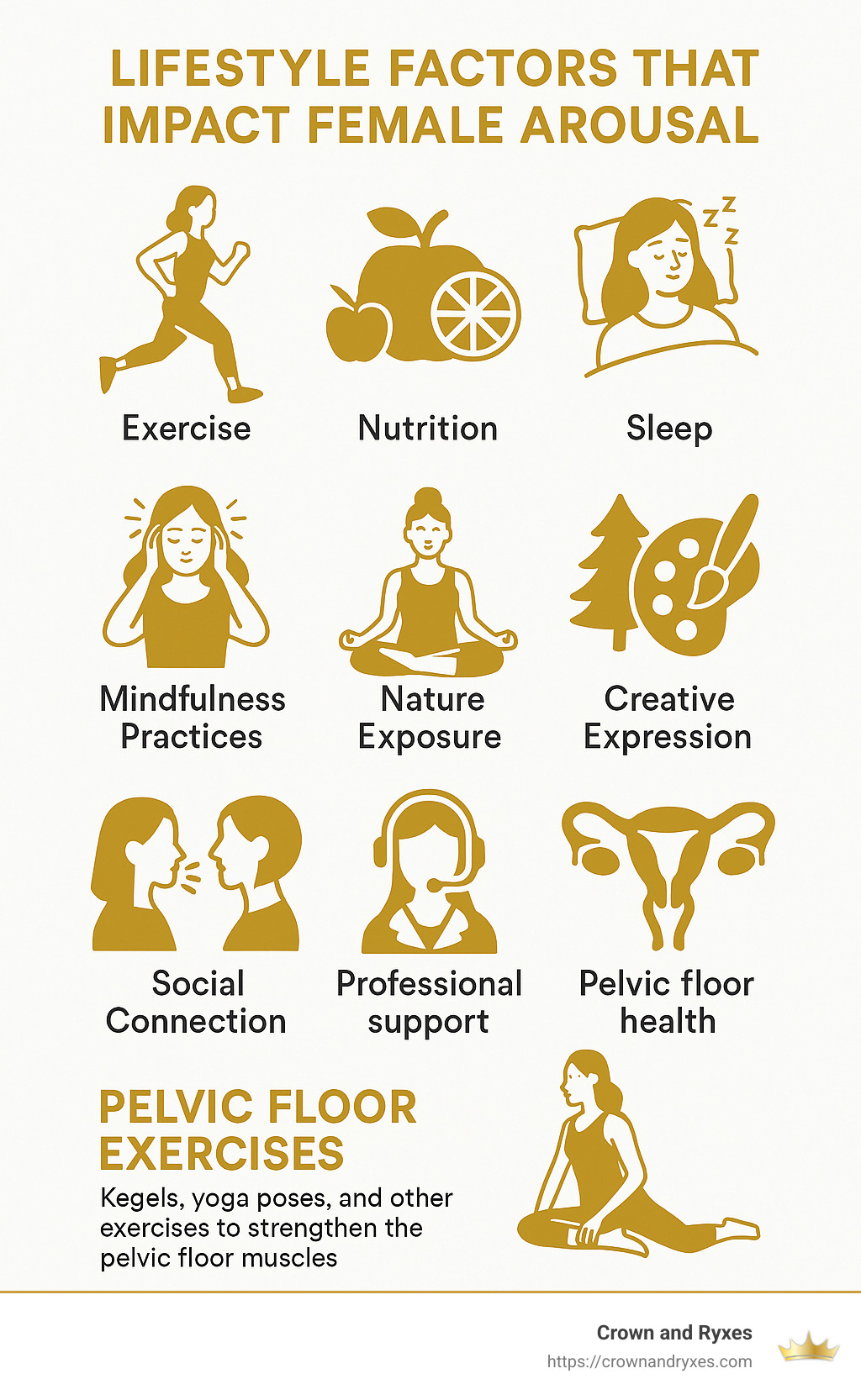
A comprehensive study published in the Journal of Sexual Medicine found that women who incorporated these lifestyle changes into their daily routines saw marked improvements in arousal, desire, and overall sexual satisfaction. That means making these small, achievable lifestyle shifts can truly be among your most powerful, long-term female arousal techniques.
Frequently Asked Questions about Female Arousal Techniques
What are the best female arousal techniques to try with my partner?
Every woman is unique, so the best female arousal techniques will differ from person to person. However, research consistently highlights several powerful approaches you can explore together.
One of the most effective strategies is extended foreplay, allowing at least 20-30 minutes to build anticipation and heighten arousal before direct genital stimulation. Explore beyond the obvious areas by focusing on erogenous zones like the neck, inner thighs, lower back, or ears—areas rich with nerve endings that heighten sensitivity and pleasure.
Since around 70-80% of women require clitoral stimulation for orgasm, it’s beneficial to include positions or touches that provide consistent and enjoyable clitoral contact. Experimenting with subtle positional adjustments, such as “angling” (tilting your pelvis to increase stimulation) and “rocking” (maintaining steady pressure rather than rapid thrusting), can significantly improve sensation.
Additionally, combining different forms of stimulation, a technique known as “pairing,” often leads to deeper, more satisfying arousal experiences. This might mean simultaneously incorporating sensual touch, kissing, and mental stimulation like fantasy sharing.
The best approach is open, judgment-free communication and experimentation. One woman noted, “We had to ‘unlearn’ the fast-pumping motions we’d seen in porn. We’re both much happier now finding new ways together.”
At Crown and Ryxes, we encourage couples to approach these female arousal techniques with curiosity, patience, and a sense of playfulness, focusing on intimacy rather than performance.
Can lifestyle changes really improve female arousal?
Absolutely! Lifestyle changes can lead to significant improvements in female arousal and sexual wellness. Research confirms that regular physical activity boosts libido, often improving sexual desire by 25-30%. Exercise increases blood flow, balances hormone levels, reduces stress hormones, and improves body confidence—all essential for healthy sexual function.
Quality sleep also plays a huge role. Women who consistently get 7-8 hours of restful sleep report around 14% higher sexual desire compared to those struggling with sleep deprivation. Likewise, effective stress management techniques—such as mindfulness practices, deep breathing exercises, and spending time outdoors—have been shown to make arousal happen more naturally and frequently.
Nutrition matters too. Adopting a Mediterranean-style diet rich in fruits, vegetables, lean protein, and healthy fats helps improve blood flow and hormonal balance, particularly beneficial during menopausal changes.
Professor Davis points out that “over 50% of women experience low sexual desire,” often linked to lifestyle factors. By making consistent, manageable adjustments to your daily habits, you can experience lasting improvements in your sexual arousal and satisfaction.
How does menopause affect female sexual desire and arousal?
Menopause brings substantial hormonal shifts that can significantly impact sexual desire and arousal. Physically, declining estrogen levels often cause vaginal dryness, thinner vaginal tissues, and decreased blood flow to the genital area. These changes can lead to discomfort, reduced sensation, and difficulty becoming aroused.
Additionally, menopausal symptoms such as hot flashes and disrupted sleep patterns can leave women feeling tired, less interested in intimacy, and experiencing mood swings that dampen sexual desire. Emotional and psychological factors, including body image concerns and shifting relationship dynamics as children leave home, may also affect arousal during this life stage.
However, these challenges are manageable, and many women actually find newfound sexual confidence after menopause. Simple solutions like vaginal moisturizers or lubricants can ease discomfort, while topical estrogen creams or hormone replacement therapy (including bio-identical options available through Crown and Ryxes) can effectively restore vaginal health and sensitivity.
Adjusting sexual techniques—focusing more on foreplay, using positions that minimize discomfort, and incorporating wellness products—can make intimacy enjoyable once again. As Professor Davis recommends, “Using an estrogen cream in the vagina twice a week can greatly reduce sexual discomfort,” pointing out the effectiveness of targeted treatments.
What if my partner and I have different arousal timelines?
It’s extremely common for partners to have different arousal timelines, and this doesn’t mean anything is wrong. As the humorous saying goes: “Men are like microwaves—they heat up instantly. Women are more like crockpots—they need extra time to warm up.”
Finding harmony starts with acknowledging and accepting these natural differences. Scheduling intimacy might seem less spontaneous, but it can allow the slower-to-arouse partner time to anticipate and mentally prepare for intimacy. Prioritizing extended foreplay focused on the partner who needs more time ensures both of you reach greater arousal and pleasure.
Another approach is to practice “sequential pleasure,” where you each take turns focusing purely on your partner’s enjoyment. Non-sexual intimacy like massage, cuddling, or affectionate touch can also help bridge arousal gaps, creating closeness without performance pressure.
Consider incorporating arousal-aiding products—such as sensual oils, toys, or arousal gels—to improve pleasure and help bring your arousal levels closer together.
At Crown and Ryxes, we stress that differences in arousal timelines aren’t a barrier; they’re opportunities to explore creative new female arousal techniques together, enhancing your overall intimacy.
How can I tell if my arousal difficulties are physical or psychological?
Understanding whether arousal challenges are physical or psychological helps you find effective solutions. Physical signs often include consistent difficulty getting aroused regardless of setting or partner. You might notice that your arousal difficulties gradually developed over time or began after medication changes, hormonal fluctuations, or health conditions like menopause. Physical causes usually come with other symptoms such as vaginal dryness or discomfort.
Psychological factors tend to be more situational, meaning you might find it hard to become aroused in certain settings but not others, or with a partner but not during self-stimulation. Psychological challenges often appear suddenly, following a stressful event, relationship issue, or significant life change. Anxiety, stress, body image concerns, or unresolved emotional issues are common psychological barriers to arousal.
Of course, there’s often overlap between physical and psychological factors. At Crown and Ryxes, we perform thorough evaluations that consider both your physical health and emotional well-being. If you’re struggling with persistent arousal issues, consulting a sexual wellness specialist can help pinpoint the exact cause and guide you toward the most effective solution.
By openly addressing your concerns, you’ll be empowered to refind passion, intimacy, and pleasure.
Conclusion
Understanding and applying effective female arousal techniques is about turning intimacy into a meaningful journey—one filled with findy, connection, and pleasure. Throughout this guide, we’ve explored the rich complexity of female arousal, from the fascinating physical changes that happen during excitement to the emotional and psychological layers that improve or hinder intimacy.
At its heart, female arousal is multidimensional. It’s not just a physical sensation; it involves your emotions, your mind, and your relationship dynamics. Recognizing this helps you approach intimacy with kindness, patience, and genuine curiosity.
One of the most vital elements we’ve discussed is communication. Openly sharing what feels good, what doesn’t, and what you’re curious to try forms the foundation for authentic and enjoyable intimacy. Creating a safe, judgment-free space allows for vulnerability and improves pleasure far beyond purely physical techniques.
We’ve also highlighted the importance of extended foreplay and exploring different erogenous zones. For most women, taking time to build anticipation and gently exploring sensitive areas leads to deeper arousal and more fulfilling encounters. Bringing variety into your intimate life with new positions, fantasies, or experiences can also spark excitement, keeping desire fresh and vibrant.
Beyond specific techniques, your overall lifestyle has a powerful impact on your sexual wellness. Regular exercise, balanced nutrition, good sleep, and effective stress management aren’t just good for overall health—they create the optimal environment for sexual desire and pleasure to flourish. Incorporating these lifestyle factors is part of a holistic approach to enhancing your intimate experience.
Addressing any barriers—whether they’re hormonal changes like menopause, medication side effects, or emotional issues—is crucial. Often, overcoming these barriers comes first, paving the way for other female arousal techniques to work effectively. If you’re facing specific challenges, remember you’re not alone, and professional support can make a real difference.
At Crown and Ryxes, we deeply understand that every woman’s path to sexual wellness is unique. With our personalized approach, we support your individual journey—whether that means overcoming a challenge, improving intimacy with your partner, or simply enhancing an already satisfying experience. Our caring experts in Clermont and Lady Lake, FL, provide evidence-based solutions custom to your personal needs.
Your sexuality evolves throughout life, shaped by changing relationships, health, and experiences. What worked at one stage might need adjustment down the road, and that’s perfectly natural. The willingness to explore, communicate openly, and prioritize your pleasure ensures intimacy remains vibrant and fulfilling through all of life’s changes.
If you’re interested in learning more about how Crown and Ryxes can support your intimate journey, please visit our Women’s Sexual Wellness page or contact us directly to schedule a personalized consultation. We warmly invite you to accept this journey of exploration, connection, and improved wellness.