
Female orgasmic disorder is a complex and often misunderstood aspect of women’s sexual health. This disorder can manifest as the absence, infrequency, or diminished intensity of orgasms despite adequate arousal. Recognizing the importance of understanding female orgasmic disorder is crucial in promoting sexual health and overall well-being. Some key points about female orgasmic disorder include:
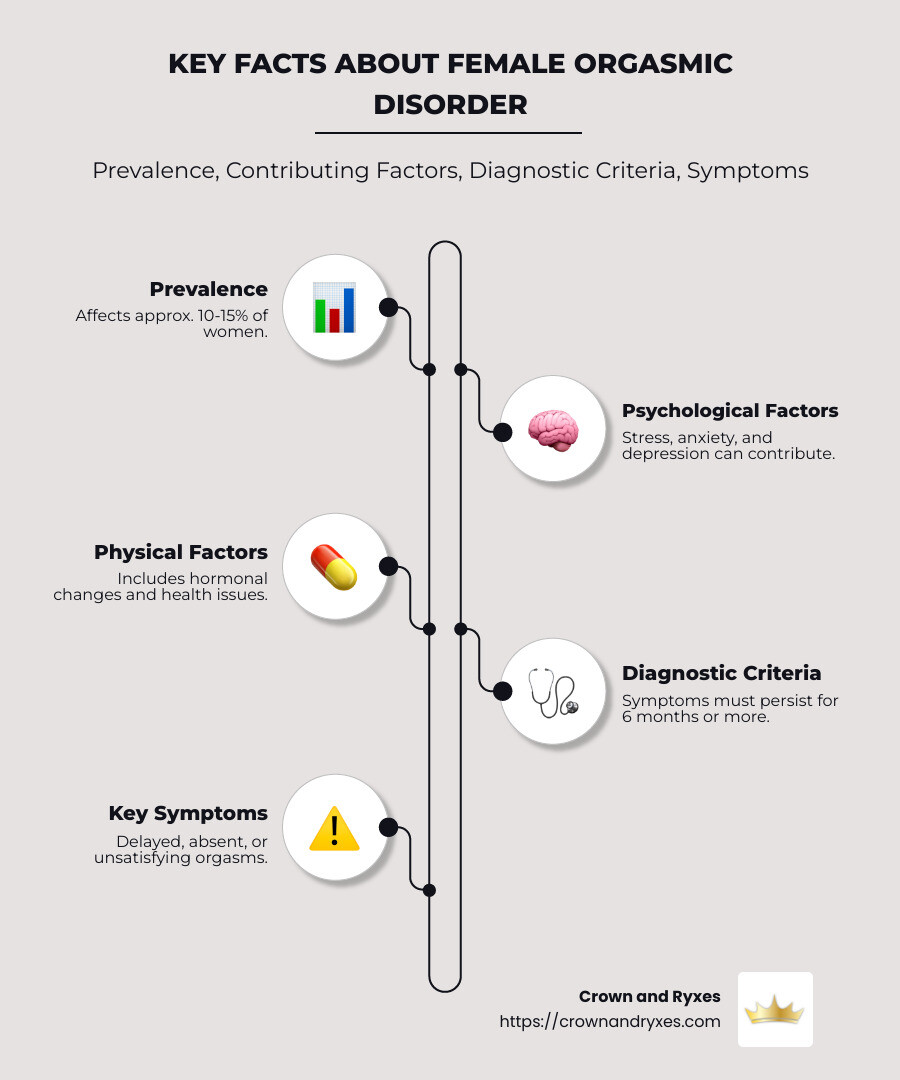
- It can be categorized as either primary (never having experienced an orgasm) or secondary (losing the ability after previously experiencing orgasms).
- Contributing factors include psychological, cultural, and physical elements, as well as certain medications.
- The disorder is clinically diagnosed based on specific criteria, including symptoms persisting for six months or more.
As a medical professional with experience in women’s sexual health, I’ve witnessed the challenges many women face concerning this topic. My background as an Ob/Gyn has provided me with the insight necessary to help individuals steer these issues effectively. Now that we’ve introduced female orgasmic disorder, let’s explore its symptoms in more detail in the next section.
Understanding Female Orgasmic Disorder
Female orgasmic disorder is a condition that affects a woman’s ability to achieve orgasm. It’s also known as anorgasmia. This disorder can be frustrating and distressing, impacting both personal well-being and intimate relationships.
What is Female Orgasmic Disorder?
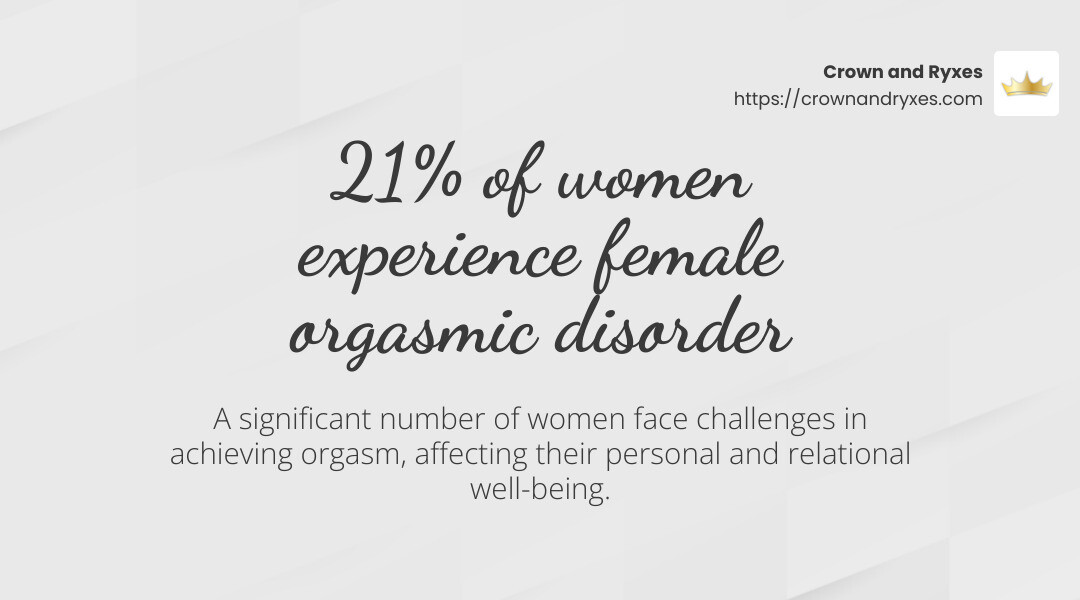
Female orgasmic disorder involves difficulties in reaching orgasm, even with proper sexual arousal and stimulation. It can be primary, where a woman has never experienced an orgasm, or secondary, where she has lost the ability to orgasm after previously experiencing it. This condition is more common than many realize, affecting approximately 21% of women, according to a large U.S. study.
Symptoms of Female Orgasmic Disorder
Recognizing the symptoms of female orgasmic disorder is the first step toward addressing the issue. The main symptoms include:
- Delayed Orgasm: Taking much longer than usual to reach orgasm.
- Absent Orgasm: Inability to reach orgasm at all.
- Unsatisfying Orgasm: Orgasms that are less intense or pleasurable than expected.
These symptoms often lead to distress and can cause interpersonal problems, as they may affect a woman’s confidence and relationship dynamics.
Emotional and Physical Impact
The emotional toll of female orgasmic disorder can be significant. It may lead to anxiety, stress, and even depression. Physically, women might experience other sexual dysfunctions, such as dyspareunia (painful intercourse) or pelvic floor dysfunction. Understanding these symptoms is essential for seeking timely help and improving sexual health.
In the following sections, we will dig deeper into the causes and treatments of female orgasmic disorder, offering practical solutions and insights to steer this condition effectively.
Causes of Female Orgasmic Disorder
Understanding the causes of female orgasmic disorder is crucial for addressing and managing this condition effectively. Several factors can contribute to the difficulty in achieving orgasm, and they often overlap, making each case unique.
Psychological Factors
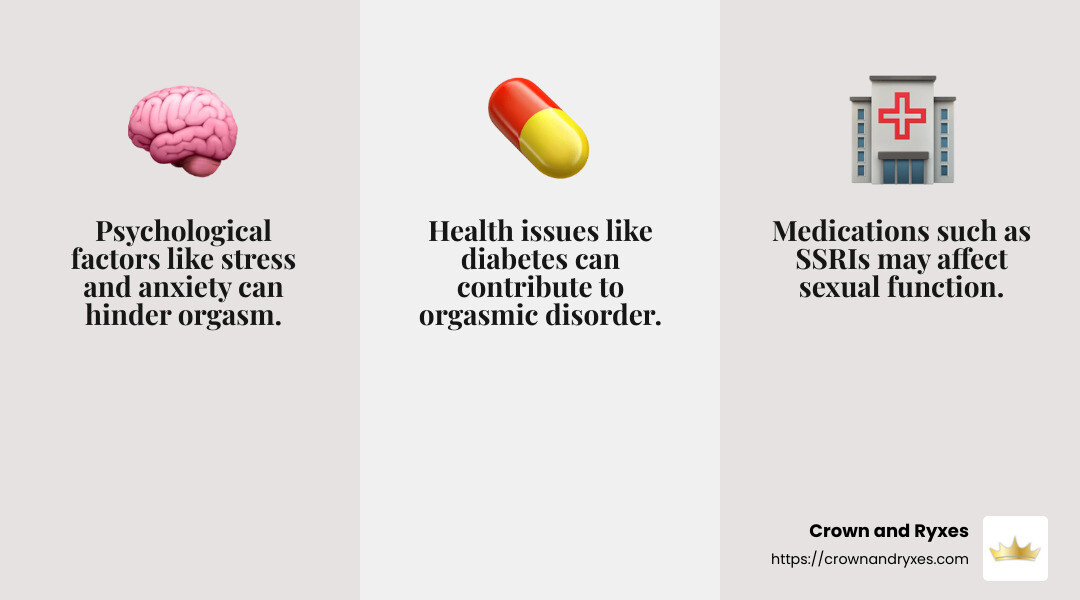
Psychological aspects play a significant role in female orgasmic disorder. Stress, anxiety, and lack of trust in a partner can all hinder sexual satisfaction. Women may also experience performance anxiety, which can create a cycle of worry and fear during intimate moments.
Cultural influences can also impact sexual experiences. In some cultures, there is little focus on female sexual pleasure, which can lead to feelings of guilt or shame around sex. These emotional barriers can make it difficult for women to relax and fully engage in sexual activities.
Medications
Certain medications are known to affect sexual function. Selective serotonin reuptake inhibitors (SSRIs), commonly prescribed for depression and anxiety, can inhibit orgasm. Other medications, such as some antipsychotics and blood pressure medicines, can also interfere with sexual responsiveness.
If you suspect medication is affecting your sexual health, consult with a healthcare provider. They can help explore alternative treatments or adjust dosages to minimize side effects.
Health Issues
Physical health conditions can contribute to female orgasmic disorder. Disorders like diabetes and multiple sclerosis can damage the nerves involved in sexual arousal, leading to difficulties in reaching orgasm.
Pelvic floor disorders, such as incontinence or pelvic organ prolapse, can also impact sexual function. These conditions might cause pain during intercourse or reduce libido, complicating the ability to achieve orgasm.
Additionally, age-related changes, such as those experienced during menopause, can affect sexual health. Hormonal shifts may lead to vaginal dryness or reduced sensitivity, making orgasm more challenging.
Recognizing these factors is the first step towards finding solutions. In the next section, we will discuss various treatment options that can help women overcome these challenges and improve their sexual well-being.
Treatment Options
When it comes to addressing female orgasmic disorder, there are several treatment options available that can help improve sexual well-being and improve pleasure. Let’s explore some effective strategies:
Self-Stimulation
Self-stimulation, or directed masturbation, is often recommended as a first-line treatment. It allows women to explore their own bodies and learn what feels pleasurable. This can help build confidence and increase the likelihood of achieving orgasm.
Using a variety of techniques and tools, such as vibrators, can improve the experience. Experimenting with different types of touch and pressure can provide valuable insights into personal preferences.
Sex Therapy
Sex therapy is another valuable option for women experiencing orgasmic difficulties. This form of therapy involves working with a trained therapist to address sexual concerns and improve intimacy.
Therapists use various techniques, such as sensate focus, which involves exercises to improve physical connection without the pressure of achieving orgasm. This can help reduce anxiety and improve communication between partners.
Psychological Therapies
Psychological therapies, including cognitive-behavioral therapy (CBT), can be beneficial for women whose orgasmic disorder is linked to emotional or mental health issues. These therapies aim to identify and address underlying psychological barriers that may be affecting sexual function.
For example, CBT can help women reframe negative thoughts about sex and develop healthier attitudes towards their bodies and sexual experiences. By working through these issues, women can reduce stress and anxiety, leading to more satisfying sexual encounters.
These treatment options provide a pathway to overcoming female orgasmic disorder. By exploring these strategies, women can take steps towards a more fulfilling and pleasurable sexual life.
In the next section, we’ll cover practical tips to further improve sexual pleasure and intimacy.
Practical Tips for Enhancing Sexual Pleasure
Enhancing sexual pleasure is about exploring what feels good and creating a comfortable environment for intimacy. Here are some practical tips to help:
Clitoral Stimulation
The clitoris is a key player in female sexual pleasure. Focusing on clitoral stimulation can significantly improve sexual enjoyment. Many women find that direct or indirect clitoral stimulation is essential for reaching orgasm.
Try using different techniques, such as circular motions, light tapping, or varying pressure. You can also incorporate tools like vibrators to intensify the sensations. Experimenting with clitoral stimulation during solo or partnered activities can help find what feels best.
Communication
Open communication with your partner is crucial for a satisfying sexual experience. Talk about your likes and dislikes in a respectful and positive manner. Sharing your thoughts on what feels pleasurable can lead to a deeper connection and more enjoyable encounters.
Consider setting aside time to discuss sexual preferences and boundaries. Being open about your desires and concerns can help build trust and improve intimacy. Effective communication is a two-way street, so be sure to listen to your partner as well.
Lifestyle Changes
Lifestyle changes can also play a significant role in enhancing sexual pleasure. Here are a few adjustments to consider:
- Exercise regularly: Physical activity can boost blood flow and improve mood, both of which are beneficial for sexual health.
- Eat a balanced diet: Nutrient-rich foods support overall well-being and can improve sexual function.
- Manage stress: Stress can negatively impact sexual desire and performance. Practice relaxation techniques like yoga or meditation to help reduce stress levels.
- Prioritize sleep: Adequate rest is essential for maintaining energy and libido.
Making these lifestyle changes can improve your overall sexual experience and contribute to a more satisfying intimate life.
By focusing on clitoral stimulation, maintaining open communication, and implementing positive lifestyle changes, women can improve their sexual pleasure and intimacy. In the next section, we’ll address some commonly asked questions about female orgasmic disorder.
Frequently Asked Questions about Female Orgasmic Disorder
What causes a woman not to release fast?
There are several factors that can cause a woman to experience delayed orgasm or difficulty reaching orgasm. Hormonal changes, such as those occurring during menopause, can play a significant role. Hormones like estrogen and progesterone affect sexual function, and imbalances can lead to decreased sexual responsiveness.
Stress is another major factor. When a person is stressed, the body releases cortisol, which can interfere with sexual desire and arousal. Managing stress through relaxation techniques can help improve sexual health.
Certain medications, especially those used to treat depression, like SSRIs, can also delay orgasm. If you suspect medication is affecting your sexual function, discuss this with your healthcare provider.
What hormone is released during orgasm?
During orgasm, the body releases several hormones, but oxytocin and endorphins are the most notable. Oxytocin, often called the “love hormone,” helps strengthen emotional bonds and increase feelings of closeness with a partner. Endorphins are natural painkillers that also create a sense of well-being and pleasure. Together, these hormones contribute to the intense satisfaction and emotional connection often experienced after an orgasm.
What are the symptoms of orgasmic dysfunction?
Orgasmic dysfunction, or female orgasmic disorder, can manifest as different symptoms that affect a woman’s sexual experience. The key symptoms include:
- Delayed orgasm: Taking longer than expected to reach orgasm, despite adequate stimulation and arousal.
- Absent orgasm: Being unable to achieve orgasm at all, even with sufficient sexual stimulation.
- Unsatisfying orgasm: Reaching orgasm but not feeling the usual pleasure or satisfaction associated with it.
These symptoms can significantly impact a woman’s sexual satisfaction and overall well-being. If you’re experiencing any of these symptoms, consider seeking guidance from a healthcare professional to explore potential treatments and improve your sexual health.
Conclusion
At Crown and Ryxes, we believe in the power of personalized wellness journeys to improve sexual health and overall well-being. Female orgasmic disorder is a complex issue, but with the right support and resources, it is possible to steer and improve this aspect of life.
Our approach is rooted in understanding and addressing the unique needs of each individual. We offer a range of sexual wellness solutions designed to help women overcome challenges like orgasmic dysfunction. Whether it’s through personalized consultations, exploring psychological therapies, or providing guidance on self-stimulation techniques, we are committed to helping you open up a more satisfying and fulfilling sexual experience.
By focusing on personalized care, we empower women to accept their sexuality and improve their intimate relationships. Our dedicated team is here to guide you every step of the way, ensuring you receive the support and resources needed to achieve your sexual health goals.
If you’re ready to start your journey towards improved sexual health, we invite you to explore our women’s sexual wellness services. Let’s work together to open up the pleasure and satisfaction you deserve.