
Why Female Sexual Dysfunction Therapy Matters More Than You Think
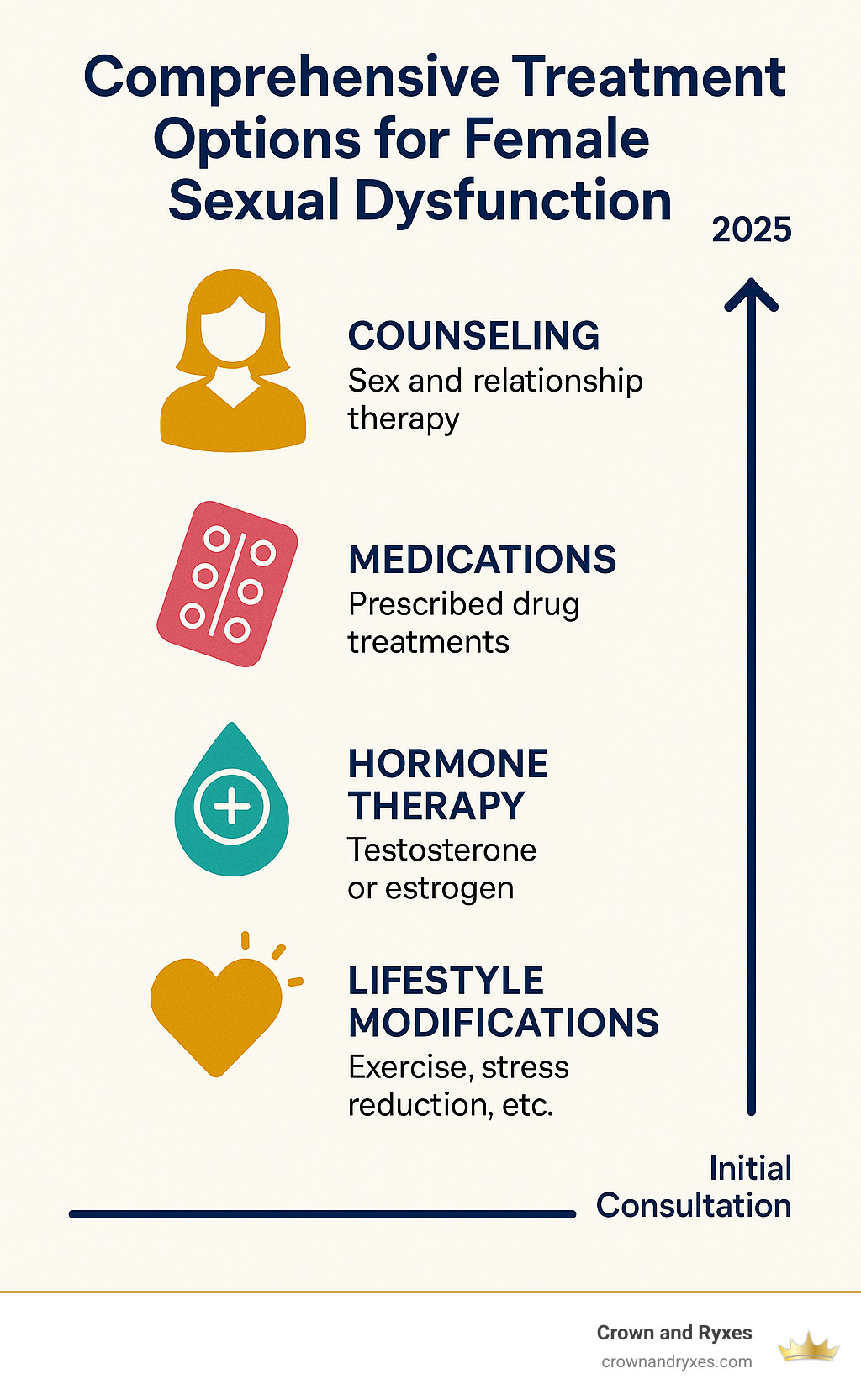
Female sexual dysfunction therapy is a proven medical approach that addresses the physical, emotional, and relational factors affecting women’s sexual health through counseling, medications, hormone treatments, and lifestyle changes.
Quick Treatment Options for Female Sexual Dysfunction:
- Counseling & Sex Therapy: Cognitive-behavioral therapy, mindfulness training, and couples counseling
- FDA-Approved Medications: Flibanserin (Addyi) for premenopausal women, Bremelanotide (Vyleesi) injections
- Hormone Therapy: Testosterone patches, vaginal estrogen, REGENmax hormonal optimization
- Physical Treatments: Pelvic floor therapy, lubricants, dilator therapy
- Lifestyle Changes: Regular exercise, stress management, open communication with partners
Sexual dysfunction affects 43% of women according to research studies, making it more common than many realize. But here’s what matters most: it’s only considered a problem if it causes you personal distress.
The good news? Modern female sexual dysfunction therapy offers multiple pathways to restore intimacy and satisfaction. Whether you’re dealing with low desire, difficulty with arousal, trouble reaching orgasm, or pain during intimacy, evidence-based treatments can help.
Many women suffer in silence, thinking their concerns aren’t valid or treatable. The truth is that sexual health is a vital part of overall wellness, and seeking help is both normal and empowering.
I’m Dr. Matthew Casavant, a board-certified OB/GYN with over 20 years of experience helping women reclaim their sexual health through comprehensive female sexual dysfunction therapy approaches. My practice combines traditional medical treatments with innovative therapies like REGENmax to address the root causes of sexual dysfunction, not just the symptoms.
Basic female sexual dysfunction therapy terms:
– sexual wellness for men
– increase blood flow naturally
– vaginal rejuvenation
Understanding Female Sexual Dysfunction
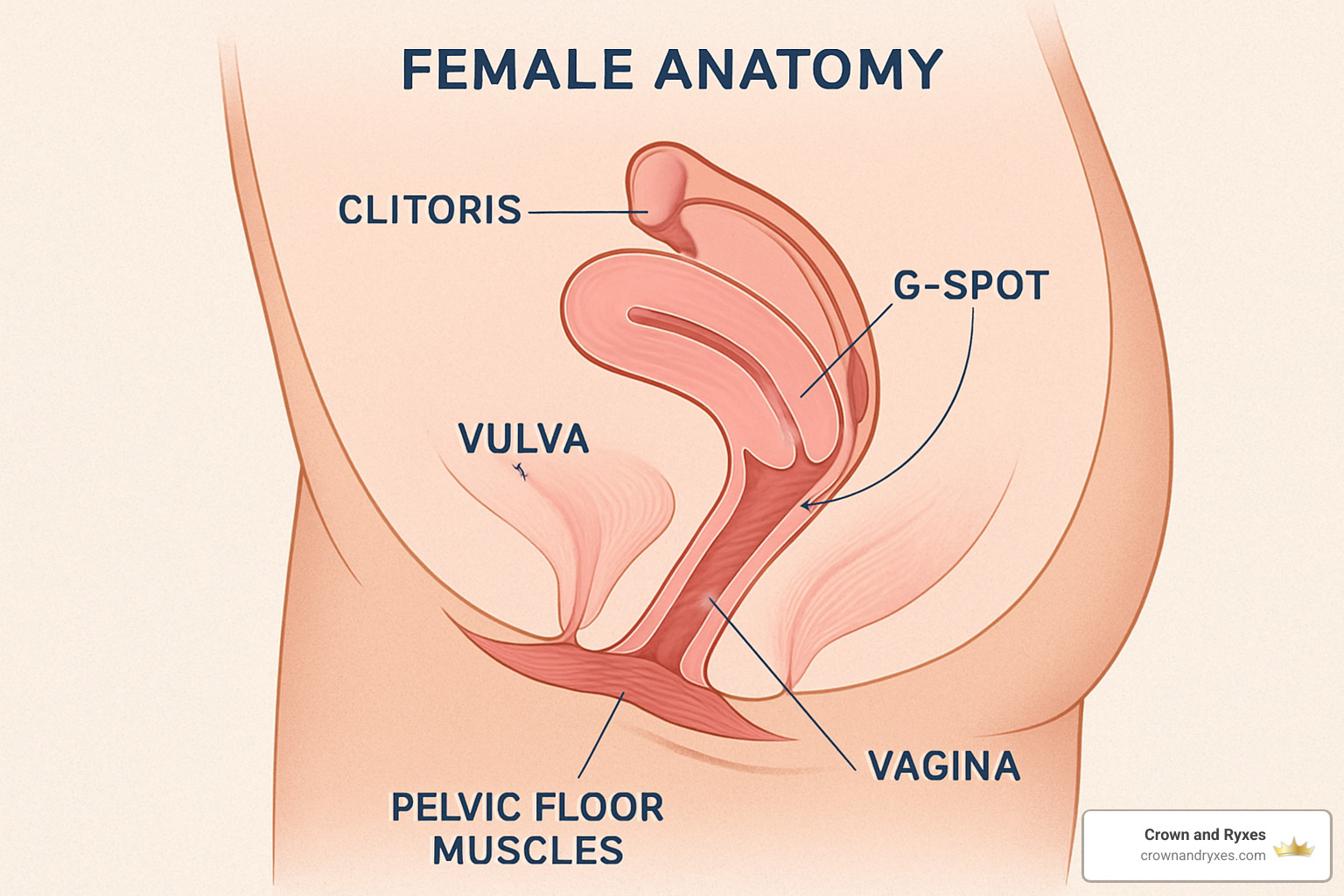
Let’s get clear about what female sexual dysfunction therapy actually treats. Female sexual dysfunction isn’t just one problem – it’s an umbrella term for persistent issues that can happen during any part of your sexual response.
Think of sexual response like a journey with four main stops: desire (wanting intimacy), arousal (your body’s physical response), orgasm (reaching climax), and resolution (returning to baseline). When something consistently goes wrong at any of these stops, and it bothers you personally, that’s when we consider it dysfunction.
Research shows that 40-45% of adult women experience some form of sexual difficulty. But only about 25% actually feel distressed about it. That’s because sexual dysfunction is only a problem if it’s a problem for you.
The medical community agrees that these issues need to cause you significant personal distress and stick around for at least six months before we consider treatment.
At Crown and Ryxes, we use proven assessment tools like the Female Sexual Function Index to understand exactly what’s happening and track your improvement.
Main Types & Symptoms
Sexual Interest/Arousal Disorder is what we see most often in our Clermont FL and The Villages FL practices. You might notice that you’re rarely thinking about sex anymore, you’re not initiating intimacy like you used to, or you’re just not feeling much pleasure during sexual activity. Sometimes your body doesn’t respond with the usual genital sensations.
Female Orgasmic Disorder can be incredibly frustrating. You might find that reaching climax takes much longer than it used to, happens less frequently, or the sensations just aren’t as intense as before.
Genito-Pelvic Pain/Penetration Disorder combines what doctors used to call separate conditions. You might experience fear or anxiety about penetration, notice your pelvic muscles tightening involuntarily, or feel burning, aching, or sharp pain during or after intercourse.
The most important factor across all these types is whether they’re causing you personal distress. Sexual concerns only become dysfunction when they’re affecting your happiness or relationship satisfaction.
How It’s Diagnosed
Getting to the bottom of sexual dysfunction requires detective work. The process starts with an honest conversation about your sexual health. We’ll discuss what’s been bothering you, how long it’s been going on, and how it’s affecting your relationship and quality of life.
A physical examination helps us rule out or identify physical causes. During a pelvic exam, we can spot things like vaginal atrophy, pelvic floor muscle tension, or other anatomical issues.
Laboratory testing often reveals important clues. We typically check your estradiol and testosterone levels since hormones play such a crucial role in sexual function. We’ll also look at your thyroid function, prolactin levels, and screen for conditions like diabetes.
The Female Sexual Function Index and other validated questionnaires help us quantify what you’re experiencing and track your progress.
This isn’t about judgment or embarrassment – it’s about getting you the right female sexual dysfunction therapy approach for your unique situation. Whether that involves REGENmax hormonal optimization, counseling, or other treatments, we’ll work together to create a plan that makes sense for your life and goals.
Why It Happens: Key Causes & Risk Factors
When women come to our Clermont FL and The Villages FL clinics asking about female sexual dysfunction therapy, they often wonder “Why is this happening to me?” The truth is, sexual dysfunction rarely has just one cause. Instead, it’s usually a perfect storm of different factors working together.
Think of your sexual health like a delicate ecosystem. When one element gets thrown off balance, it can create a ripple effect that touches everything else. Understanding these interconnected causes is the first step toward finding the right treatment approach.
Hormonal changes top the list of physical triggers. Your body’s hormone levels naturally shift throughout your life, but the most dramatic changes happen during menopause. As estrogen and testosterone levels drop, you might notice decreased desire, less natural lubrication, and reduced sensitivity. It’s not just about aging – these are real, measurable changes that affect millions of women.
Medications can be silent saboteurs of sexual function. Scientific research on antidepressant-induced dysfunction reveals some eye-opening statistics: 56% of women taking SSRIs (common antidepressants like Prozac or Zoloft) experience sexual side effects. Even more telling, 70% of women who stop these medications cite sexual problems as their main reason for discontinuing treatment.
Chronic health conditions like diabetes, heart disease, and autoimmune disorders don’t just affect your general well-being – they can significantly impact your sexual health too. These conditions may reduce blood flow, cause fatigue, or create pain that makes intimacy challenging.
But it’s not all about physical factors. Your mind and emotions play equally important roles in sexual function.
Physical & Hormonal Triggers
Estrogen loss hits many women hardest during menopause, but it can happen at other times too. When estrogen levels drop, your vaginal tissues become thinner and less elastic. You might experience dryness, irritation, or even pain during intercourse. The vaginal pH changes as well, making infections more likely.
Testosterone deficiency surprises many women because they think of testosterone as a “male” hormone. In reality, women need testosterone for sexual desire and genital sensitivity. When levels are low, you might feel like your sexual spark has simply disappeared.
Thyroid problems can throw your entire system out of whack. Whether your thyroid is overactive or underactive, it can affect your energy levels, mood, and sexual interest. Many women don’t realize their thyroid issues are connected to their sexual concerns.
Pelvic floor dysfunction often develops after childbirth, surgery, or even chronic constipation. These muscles might become too tight (causing pain during penetration) or too weak (affecting sensation and the ability to reach orgasm). The good news is that pelvic floor therapy can make a tremendous difference.
Psychological & Relational Drivers
Your brain is your most powerful sexual organ, which means mental health directly impacts sexual health. Depression and anxiety create a frustrating cycle – sexual problems can worsen mood issues, which then make sexual dysfunction even worse.
Body image concerns can completely derail sexual pleasure. When you’re worried about how you look, it’s nearly impossible to focus on how you feel. This mental distraction prevents the kind of “letting go” that’s essential for arousal and orgasm.
Communication gaps with your partner often make sexual problems worse. Many couples find it easier to discuss finances or parenting than their intimate needs. Without open conversation about preferences, concerns, or changes in desire, small issues can grow into major barriers.
Chronic stress from work, family responsibilities, or major life changes overwhelms your nervous system. When you’re constantly in “fight or flight” mode, your body simply can’t shift into the relaxed state needed for sexual response. High cortisol levels from ongoing stress can also suppress the production of sex hormones.
The encouraging news is that female sexual dysfunction therapy addresses all these interconnected factors. At Crown and Ryxes, we use comprehensive approaches like REGENmax hormonal optimization along with counseling and lifestyle modifications to tackle the root causes, not just the symptoms.
Female Sexual Dysfunction Therapy: Complete Treatment Guide

The good news about female sexual dysfunction therapy is that we have more effective treatment options today than ever before. Think of it like building a personalized toolkit – what works best for you might be different from what helps your friend or sister.
At Crown and Ryxes, we’ve found that the most successful approach combines several different therapies rather than relying on just one treatment. Scientific research on pelvic physiotherapy shows that women who combine physical treatments with counseling and medical therapies see the most significant improvements.
Your treatment journey starts with identifying what’s specifically affecting your sexual health. Once we understand your unique situation, we can create a treatment plan that makes sense for your life.
Counseling & Sex Therapy for Female Sexual Dysfunction Therapy
Cognitive-behavioral therapy (CBT) has shown remarkable success rates, with research showing 74% of women with low sexual desire experiencing significant improvement after completing CBT programs.
CBT helps you identify those negative thoughts that can sabotage your sexual response. These thoughts are intimacy killers, but they’re also completely treatable.
Mindfulness-based therapy teaches you how to stay present during intimate moments instead of getting lost in your head. Learning to focus on physical sensations rather than mental chatter can transform your sexual experience.
Sensate focus exercises take the pressure off performance and help you reconnect with your body and your partner. These structured touching activities remain one of our most effective tools for overcoming arousal and orgasm difficulties.
Couples therapy addresses the relationship dynamics that might be affecting your sexual connection. Sometimes sexual problems are really communication problems in disguise.
Medications & Hormones in Female Sexual Dysfunction Therapy
Modern medicine offers several FDA-approved options specifically for women’s sexual health. Flibanserin (Addyi) works on brain chemistry to increase sexual desire in premenopausal women. We typically try it for eight weeks to see if it’s helping.
Bremelanotide (Vyleesi) is an injection you give yourself about 45 minutes before you want to be intimate. Studies show up to 50% increases in sexually satisfying experiences for women who use it.
For postmenopausal women, testosterone therapy shows real promise. A large analysis of over 3,000 women found significant improvements in desire, orgasm, and overall sexual satisfaction with testosterone treatment.
Vaginal estrogen is incredibly effective for the vaginal dryness and pain that affects up to half of postmenopausal women. These low-dose treatments can restore your vaginal tissue health and make intimacy comfortable again.
REGENmax Hormonal Optimization & Physical Therapies
REGENmax therapy represents the cutting edge of female sexual wellness, and we’re proud to offer it at our Clermont FL and The Villages FL locations. REGENmax goes beyond traditional hormone replacement by creating a truly personalized approach to hormonal optimization.
Instead of using one-size-fits-all hormone doses, we test your specific hormone levels and create a customized treatment plan. This personalized approach helps restore optimal hormone balance for improved desire, arousal, and satisfaction.
REGENmax PRP treatments use your body’s own healing power to refresh intimate tissues. We concentrate the growth factors from your blood and inject them into genital tissues to improve blood flow, sensitivity, and reduce pain.
Shockwave therapy uses gentle low-intensity acoustic waves to stimulate new blood vessel growth in genital tissues, which can significantly improve arousal and orgasmic response.
Pelvic floor physical therapy addresses the muscular side of sexual dysfunction. These specialized muscles can be either too tight (causing pain) or too weak (affecting sensation and orgasm). Studies show significant improvements in both pain and sexual function with pelvic physiotherapy.
Lifestyle & Self-Care Pillars
Regular exercise improves blood flow to all your tissues while also boosting energy levels and body confidence. Aim for 150 minutes of moderate activity or 75 minutes of vigorous exercise each week.
Quality sleep is crucial for hormone production and stress management. Poor sleep disrupts the hormones that regulate sexual desire and can leave you too exhausted to be interested in intimacy.
Stress management through meditation, yoga, or simple deep breathing exercises helps reduce cortisol levels that interfere with sexual response.
Nutrition matters too. A Mediterranean-style diet rich in fruits, vegetables, whole grains, and healthy fats supports overall health and may specifically improve sexual function.
Alcohol moderation is important because while a glass of wine might help you relax, too much alcohol actually impairs sexual response.
Quitting smoking significantly benefits sexual health by improving blood flow throughout your body.
Complementary & Emerging Approaches
Acupuncture shows promise for treating female sexual dysfunction, particularly when combined with other therapies.
Mindfulness apps make this powerful therapy more accessible and can complement your in-person treatment.
Vaginal dilators help women with penetration difficulties gradually become comfortable with vaginal insertion.
The key to successful female sexual dysfunction therapy is finding the right combination of treatments for your unique situation. What matters most is that you don’t have to suffer in silence – effective help is available, and you deserve to have a satisfying intimate life.
Frequently Asked Questions about Female Sexual Dysfunction Therapy
What results can I expect from female sexual dysfunction therapy?
Every woman’s journey with female sexual dysfunction therapy is unique, but most of our patients at Crown and Ryxes start noticing positive changes within the first month or two of treatment. The timeline really depends on what’s causing your concerns and which treatments work best for your situation.
If you’re working with a counselor or sex therapist, you might feel more confident and connected with your partner pretty quickly. Research shows that 74% of women with low sexual desire see significant improvement with structured therapy programs. The mindfulness techniques we teach often help women feel more present and engaged during intimate moments within just a few weeks.
REGENmax therapy typically shows results within 6-12 weeks as your hormones reach optimal levels and tissues begin to regenerate. Many women tell us they notice increased sensitivity and natural lubrication during this time, with continued improvements over several months.
The FDA-approved medications work differently for everyone. Some women respond quickly to treatments like flibanserin or bremelanotide, while others need a few months to see the full benefits. We usually recommend giving medications at least 8-12 weeks to show their effectiveness.
The most successful outcomes happen when we address multiple factors together. Combining REGENmax hormonal optimization with counseling and lifestyle changes often produces the most dramatic and lasting improvements in sexual satisfaction.
Are FDA-approved drugs like flibanserin safe long-term?
This is one of the most common concerns we hear, and it’s completely understandable. The FDA-approved medications for female sexual dysfunction therapy have gone through rigorous safety testing, though they’re relatively new compared to other medications you might be familiar with.
Flibanserin (Addyi) has been studied for up to six months in clinical trials. Most women tolerate it well when taken at bedtime, which helps minimize the main side effects of dizziness and fatigue. About 13% of women decide to stop the medication due to side effects, but the majority find it manageable.
The important thing to know is that you can’t drink alcohol while taking flibanserin, and it can interact with certain other medications. We always review your complete medication list before starting any new treatment.
Bremelanotide (Vyleesi) is the injection you take before anticipated sexual activity. The most common side effect is nausea, especially with the first dose, but this usually gets better with time. We can’t prescribe this if you have uncontrolled high blood pressure or heart disease.
At Crown and Ryxes, we monitor all our patients closely when starting new medications. We typically schedule follow-up appointments every few months initially to make sure you’re getting the benefits you want without troublesome side effects. Many women find that combining these medications with REGENmax therapy allows us to use lower doses while maintaining great results.
How does REGENmax differ from traditional hormone therapy?
REGENmax therapy represents a completely different approach to hormonal health compared to the standard hormone treatments you might have heard about. While traditional hormone replacement often uses a one-size-fits-all approach, REGENmax is designed specifically for your individual needs and goals.
The biggest difference is personalization. Instead of giving every woman the same dose of hormones, we test your specific hormone levels and create a customized treatment plan. This means your REGENmax therapy is as unique as you are, which typically leads to better results with fewer side effects.
REGENmax combines multiple approaches in one comprehensive treatment. While traditional hormone therapy just replaces missing hormones, REGENmax includes regenerative treatments like PRP therapy that actually help restore tissue health and function. Think of it as not just filling up your hormone tank, but also tuning up the entire engine.
We also use advanced delivery methods with REGENmax. Depending on what works best for your body and lifestyle, we might use creams, pellets, or other delivery systems to maintain steady, optimal hormone levels throughout the day.
The monitoring with REGENmax is much more detailed too. We track not just your hormone levels, but how you’re feeling, your energy levels, sleep quality, and of course, your sexual satisfaction. This allows us to make precise adjustments to keep you feeling your best.
Perhaps most importantly, REGENmax works beautifully with other treatments. When we combine REGENmax with counseling, lifestyle changes, or other therapies, the results are often much better than any single treatment alone. It’s this comprehensive approach that makes REGENmax such an effective part of female sexual dysfunction therapy.
Conclusion

Your journey toward sexual wellness doesn’t have to be one you take alone. Female sexual dysfunction therapy has helped countless women refind joy and satisfaction in their intimate lives, and it can help you too.
The path forward might seem overwhelming at first, but remember – you don’t need to fix everything at once. Start with one step, whether that’s scheduling a consultation, having an honest conversation with your partner, or simply acknowledging that your concerns are valid and worth addressing.
At Crown and Ryxes, we understand that every woman’s experience is unique. What works for your friend or sister might not be the right approach for you, and that’s perfectly normal. Our comprehensive approach combines traditional female sexual dysfunction therapy methods with innovative REGENmax treatments to create a personalized plan that addresses your specific needs.
Many of our patients in Clermont FL and The Villages FL tell us they wish they’d sought help sooner. The relief that comes from finally understanding what’s happening with your body – and knowing there are real solutions – can be life-changing.
Sexual health isn’t a luxury or something to feel embarrassed about. It’s a fundamental part of your overall well-being that deserves the same attention you’d give to any other health concern. You wouldn’t ignore persistent headaches or joint pain, so why ignore sexual concerns that affect your quality of life?
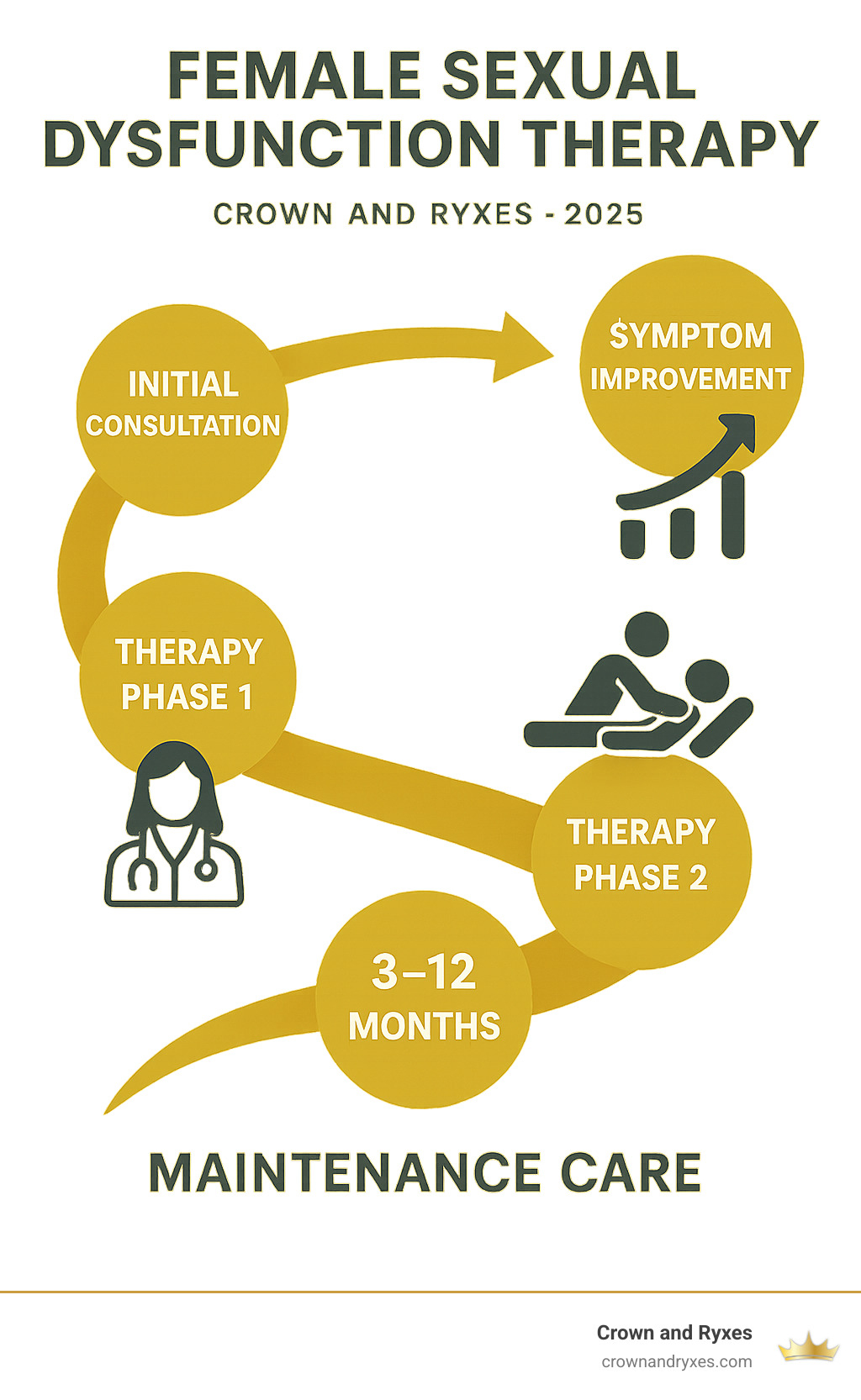
The timeline for improvement varies from woman to woman, but most of our patients begin experiencing positive changes within the first few weeks of treatment. Some notice increased energy and mood improvements first, while others find their desire returning gradually. Physical improvements from REGENmax therapy often become apparent within 6-12 weeks as tissues heal and hormone levels stabilize.
This isn’t about returning to some idealized version of your younger self. It’s about helping you feel comfortable and confident in your body right now, at this stage of your life. Whether you’re 35 or 65, whether you’ve had children or not, whether you’re in a long-term relationship or exploring new connections – your sexual wellness matters.
The most empowering thing about modern female sexual dysfunction therapy is that you have options. Gone are the days when women were told their sexual concerns were “all in their head” or just something to accept. Today’s treatments are based on solid science and real results.
Taking that first step to seek help takes courage, but you’ve already shown that courage by reading this far. Trust that instinct that brought you here. Your future self – the one who feels confident, satisfied, and fully alive in her intimate relationships – is waiting for you to take action.
Ready to reclaim your sexual wellness? More info about REGENmax therapy and find how our personalized approach at Crown and Ryxes can help you write the next chapter of your intimate life with confidence and joy.