
Female sexual health is a crucial part of overall well-being. It influences emotional health and the quality of intimate relationships. Here’s a quick glance at what you need to know:
- Sexual Health is about understanding your body, knowing your desires, and feeling good about yourself.
- Emotional Well-being means feeling happy, connected, and loved in your relationships.
- Communication with your partner helps to build trust, improve intimacy, and solve sexual concerns together.
Talking about sexual health might feel uncomfortable, but it’s important for a fulfilling life. Open and honest communication about desires and boundaries can strengthen emotional bonds and increase satisfaction. Understanding and addressing your sexual health needs leads to a happier and healthier you.
As Dr. Matthew Casavant, I’ve dedicated my career to empowering women with the knowledge and treatments they need for optimal female sexual health. With my experience in advanced minimally invasive surgery, I focus on ensuring my patients receive the best care custom to their unique needs. Let’s explore how improving female sexual health can enrich every aspect of life.

Learn more about female sexual health:
– female orgasmic disorder
– female sexual health questionnaire
– sexuality definition
Understanding Female Sexual Health
Female sexual health is more than just physical interactions; it’s a blend of desire, arousal, orgasm, and changes like menopause. Let’s break down these elements.
Desire
Desire isn’t just about physical attraction. It’s influenced by emotions, mental state, and even the environment. Many women experience changes in sexual desire due to stress, relationship dynamics, or health issues. Unlike men, where desire often leads to arousal, women might feel aroused after they engage in sexual activity. This difference is crucial for understanding female sexual health.
Arousal
Arousal in women involves both physical and emotional responses. It’s not just about physical touch but also about feeling connected and emotionally safe. Hormones like estrogen play a significant role here. As women age or experience hormonal shifts, especially during menopause, arousal can change. This is why communication with partners and healthcare providers is key to maintaining healthy arousal levels.
Orgasm
Many women need more than just penetration to reach orgasm. Manual or oral stimulation often helps. Dr. Stephanie Tarracciano notes that understanding one’s own needs and communicating them is essential. It’s perfectly normal for orgasms to vary in intensity and frequency. What’s important is knowing what feels right for you and discussing it with your partner.
Menopause
Menopause is a natural phase in a woman’s life, marked by a decline in hormones like estrogen and progesterone. These changes can lead to symptoms like vaginal dryness and decreased libido. However, menopause doesn’t mean the end of a satisfying sex life. With treatments like hormone replacement therapy and lifestyle adjustments, women can continue to enjoy intimacy.
Hormonal Changes
Hormones are the body’s chemical messengers. They affect everything from mood to sexual function. Changes in hormone levels can impact desire and arousal. Hormonal imbalances can be addressed with medical interventions, improving overall sexual wellness. It’s important to consult healthcare providers to explore options that suit your specific needs.

Understanding these aspects of female sexual health helps in recognizing what’s normal and when to seek help. Open discussions about sexual health can lead to better relationships and a more fulfilling life.
Next, we’ll look at Common Sexual Health Issues and how they can be addressed effectively.
Common Sexual Health Issues
Female sexual health can be complex, with several common issues affecting many women. These include sexual dysfunction, arousal disorder, orgasmic disorder, and pain during sex. Let’s explore each one.
Sexual Dysfunction
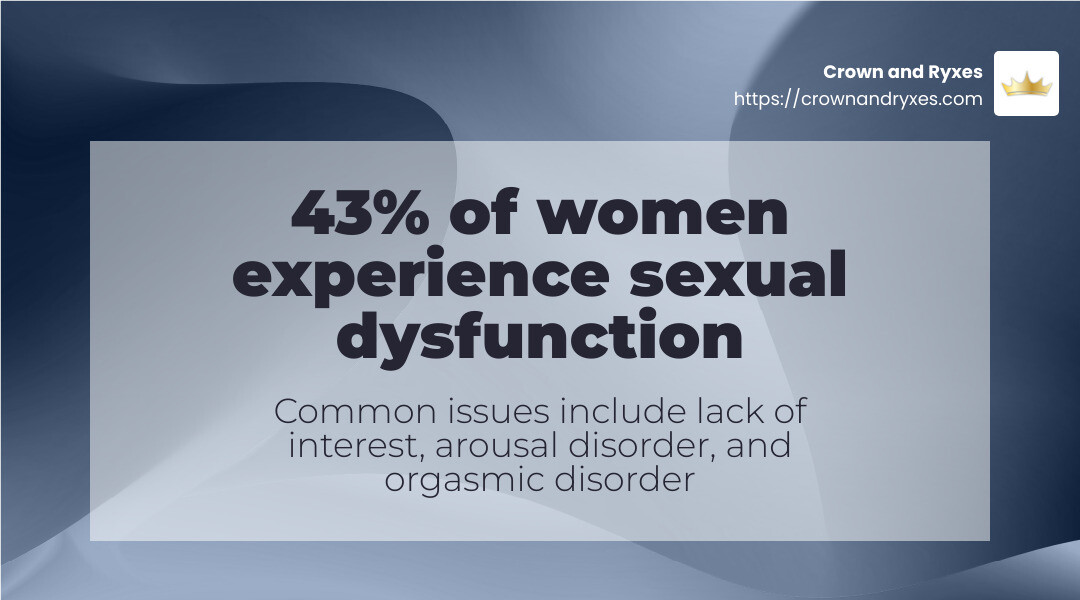
Sexual dysfunction is a broad term that includes problems with desire, arousal, orgasm, and pain. It’s not uncommon. In fact, about 4 in 10 women experience sexual problems at some point in their lives. These issues can cause distress and affect overall well-being.
Arousal Disorder
Arousal disorder occurs when there’s a difficulty in becoming or staying aroused during sexual activity. This can be due to physical factors like hormonal changes or emotional factors such as stress or anxiety. Arousal is both a mental and physical experience. Medications for depression or lack of sleep can also impact arousal.
Orgasmic Disorder
Orgasmic disorder is when there’s a delay or absence of orgasm after adequate sexual stimulation. Some women might take longer to reach orgasm, have fewer orgasms, or find them less intense. Dr. Stephanie Tarracciano emphasizes the importance of understanding one’s own needs and communicating them with partners. This can help in addressing orgasmic issues effectively.
Pain During Sex
Pain during sex, also known as dyspareunia, can be caused by various factors such as vaginal dryness, infections, or medical conditions. Another condition, vaginismus, involves involuntary tightening of the vaginal muscles, making penetration painful or difficult. It’s important to consult a healthcare provider if you experience pain during sex, as treatments are available.
Recognizing these common issues is the first step toward addressing them. Open communication with partners and healthcare providers can lead to effective solutions. Next, we’ll explore ways to improve female sexual health through communication, emotional intimacy, and self-reflection.
Enhancing Sexual Health
Improving female sexual health often starts with open dialogue, both with your partner and yourself. Let’s explore how communication, emotional intimacy, physical changes, and self-reflection can play a vital role in enhancing your sexual well-being.
Communication
Talking openly about your sexual needs and desires with your partner is crucial. It helps to bridge any gaps in understanding and to foster a closer connection. Many women find it challenging to discuss their sexual preferences, but remember, your partner can’t read your mind. Start by admitting any discomfort you might feel and encourage your partner to share their thoughts too. Regular, short conversations can make this topic less daunting over time.
Emotional Intimacy
Emotional intimacy is about feeling connected and understood. It’s more than just physical closeness; it’s about being emotionally available to each other. When you feel emotionally close to your partner, it can improve your sexual experiences. Enjoying simple acts like cuddling, kissing, or holding hands can build this intimacy. These moments of connection can relieve the pressure of performance, allowing you to enjoy the experience without stress.
Physical Changes
Physical changes, whether due to aging, illness, or hormonal shifts, can affect your sexual health. It’s important to acknowledge these changes and talk about them with your partner. For example, menopause can cause vaginal dryness, which might make sex uncomfortable. Using lubricants or consulting a healthcare provider for other solutions can help.
Self-Reflection
Self-reflection involves understanding your own body and what you enjoy sexually. Take time to explore what feels good for you, whether through self-stimulation or experimenting with different forms of touch. Reflecting on your own needs and sharing them with your partner can lead to greater sexual satisfaction.
Enhancing sexual health is a journey of understanding and connection. By focusing on these areas, you can improve your overall well-being and enjoy a more fulfilling sex life. Next, we’ll look at how to address sexual health concerns with professional help when needed.
Addressing Sexual Health Concerns
When it comes to female sexual health, sometimes you need a little extra help. Whether it’s consulting a doctor, seeing a sex therapist, or exploring treatment options, there are many ways to address concerns and improve your sexual well-being.
Doctor Consultation
Your healthcare provider can be a valuable resource. They can help identify any underlying medical issues affecting your sexual health. During a consultation, your doctor might ask about your medical history, any symptoms you experience, and your sexual history. This helps them understand your situation better and offer custom advice.
If you experience pain during sex, vaginal dryness, or other concerns, your doctor can suggest treatments like vaginal moisturizers or estrogen therapy. They might also refer you to a specialist if needed.
Sex Therapist
A sex therapist specializes in addressing sexual health issues from a psychological perspective. They can help you and your partner communicate better, address emotional barriers, and explore solutions to improve your sexual experiences. Sessions can be individual or as a couple, depending on your needs.
Talking to a sex therapist can be especially helpful if you experience issues like arousal disorders or lack of interest. They provide a safe space to discuss your concerns and work towards solutions.
Treatment Options
There are various treatment options available for different sexual health concerns. For example, if you experience vaginal dryness, using lubricants can make sex more comfortable. Water-based or silicone lubricants are safe to use with condoms and can improve pleasure by reducing friction.
For more complex issues, your healthcare provider might recommend specific medications or therapies. It’s essential to discuss potential side effects and benefits with your provider to make informed decisions.
Lubrication
Lubrication is a simple yet effective way to address discomfort during sex. It can make penetration smoother and more enjoyable. If you’re using condoms, opt for water-based or silicone lubricants to ensure compatibility.
You can find lubricants at most pharmacies, and they come in various forms, including gels and creams. Experiment with different types to find one that suits you best.
Addressing sexual health concerns is about taking proactive steps to improve your well-being. Whether through professional guidance or simple solutions like lubrication, there are many ways to improve your sexual health. Up next, we’ll answer some frequently asked questions about female sexual health.
Frequently Asked Questions about Female Sexual Health
What is sexual health for a woman?
Female sexual health is more than just the absence of illness. It encompasses physical, emotional, and social well-being. Physically, it means having a healthy body that supports sexual function without pain or discomfort. Emotionally, it involves feeling confident and secure in your sexual identity and experiences. Socially, it includes having fulfilling relationships where communication is open and supportive.
Sexual health is about feeling good in your skin and having the freedom to express your desires and boundaries. It’s about enjoying intimacy and feeling connected to your partner.
What is the most common sexual problem for females?
Many women experience sexual health issues at some point. The most common ones include:
Lack of Interest: Sometimes, women may not feel like having sex due to stress, fatigue, or relationship issues. This is often referred to as low libido or hypoactive sexual desire disorder.
Arousal Disorder: This occurs when a woman wants to have sex but struggles to become physically aroused. It can be frustrating and might be linked to hormonal changes, medication, or emotional factors.
Orgasmic Disorder: Some women find it difficult to reach orgasm, even when they are sexually aroused. This can lead to feelings of dissatisfaction and frustration.
What are women’s sexual needs?
Every woman’s sexual needs are unique, but there are some common factors that contribute to a satisfying sex life:
Desire: This is the interest or motivation to engage in sexual activity. It’s influenced by physical, emotional, and social factors.
Arousal: This is the body’s physical response to sexual stimuli. It involves increased blood flow to the genital area, leading to lubrication and sensitivity.
Stimulation: Different types of touch, movement, and communication can improve sexual pleasure. Experimenting with what feels good is key to understanding your needs.
Understanding and communicating these needs can lead to a more fulfilling and enjoyable sexual experience.
Next, we’ll dive deeper into how to improve your sexual health through communication, emotional intimacy, and self-reflection.
Conclusion
At Crown and Ryxes, we believe that female sexual health is a vital part of overall well-being. Our approach is centered around personalized wellness journeys, ensuring each individual receives the care and attention they deserve.
We understand that every woman has unique needs and challenges when it comes to sexual wellness. That’s why we offer custom solutions designed to improve both physical and emotional aspects of sexual health. Our services aim to empower women by providing them with the tools and support they need to steer their sexual health confidently and comfortably.
Personalized Wellness: We prioritize understanding each woman’s individual journey. Whether it’s addressing hormonal changes, managing sexual dysfunction, or exploring new dimensions of intimacy, our team is here to guide you every step of the way.
Sexual Wellness Solutions: From consultations to advanced treatments, we offer a range of services that cater to diverse needs. Our goal is to foster a safe and supportive environment where women can openly discuss their sexual health concerns and explore solutions that work best for them.
By focusing on personalized care, we strive to improve sexual health outcomes and improve quality of life for women in our communities. We invite you to start your journey towards a fulfilling and satisfying sexual wellness experience with us at Crown and Ryxes. Together, let’s accept the importance of sexual health as a key component of overall well-being.