

Understanding Hair Loss: A Common Challenge with Real Solutions
Hair fall control is achievable through proper diagnosis, medical treatments, lifestyle changes, and consistent care. While losing 50-100 hairs daily is normal, excessive shedding requires attention. Effective solutions include:
- Early professional consultation for accurate diagnosis
- FDA-approved treatments and targeted therapies
- Lifestyle modifications like balanced nutrition and stress management
- Advanced treatments such as PRP therapy and hair transplants
- Consistent application of treatments for 4-6 months to see results
If you’re noticing more hair in your brush, you’re not alone. More than 50% of women will experience noticeable hair loss at some point. It’s important to know that shedding 50-100 hairs daily is part of the natural hair growth cycle. The problem begins when new hair doesn’t grow back.
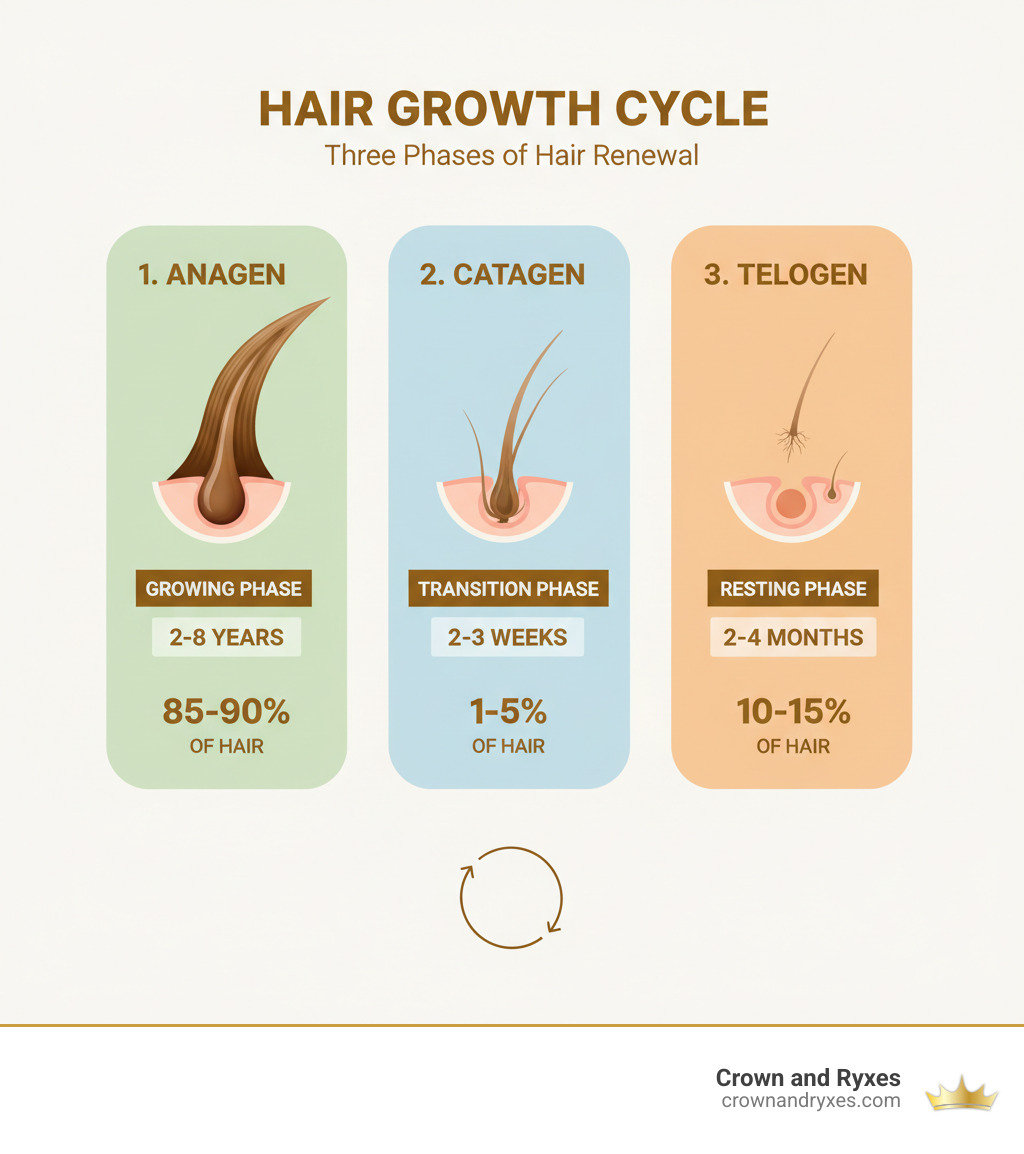
Hair growth has three phases: the anagen (growing) phase, the catagen (transition) phase, and the telogen (resting) phase, after which the hair sheds. When this cycle is disrupted by illness, hormonal changes, stress, or genetics, it can lead to medical hair loss, known as alopecia.
The good news? Many effective treatments can slow hair loss and spur new growth. The key is identifying the cause early. As Dr. Matthew Casavant, I’ve spent over 20 years helping patients with hair fall control using comprehensive diagnostics and personalized plans. My experience shows that early intervention is crucial for managing hair loss effectively.
Understanding the Root Causes of Hair Loss
If you’re noticing thinning hair or bald spots, understanding the cause is the first step toward effective hair fall control. Hair loss is a complex puzzle with many possible pieces.
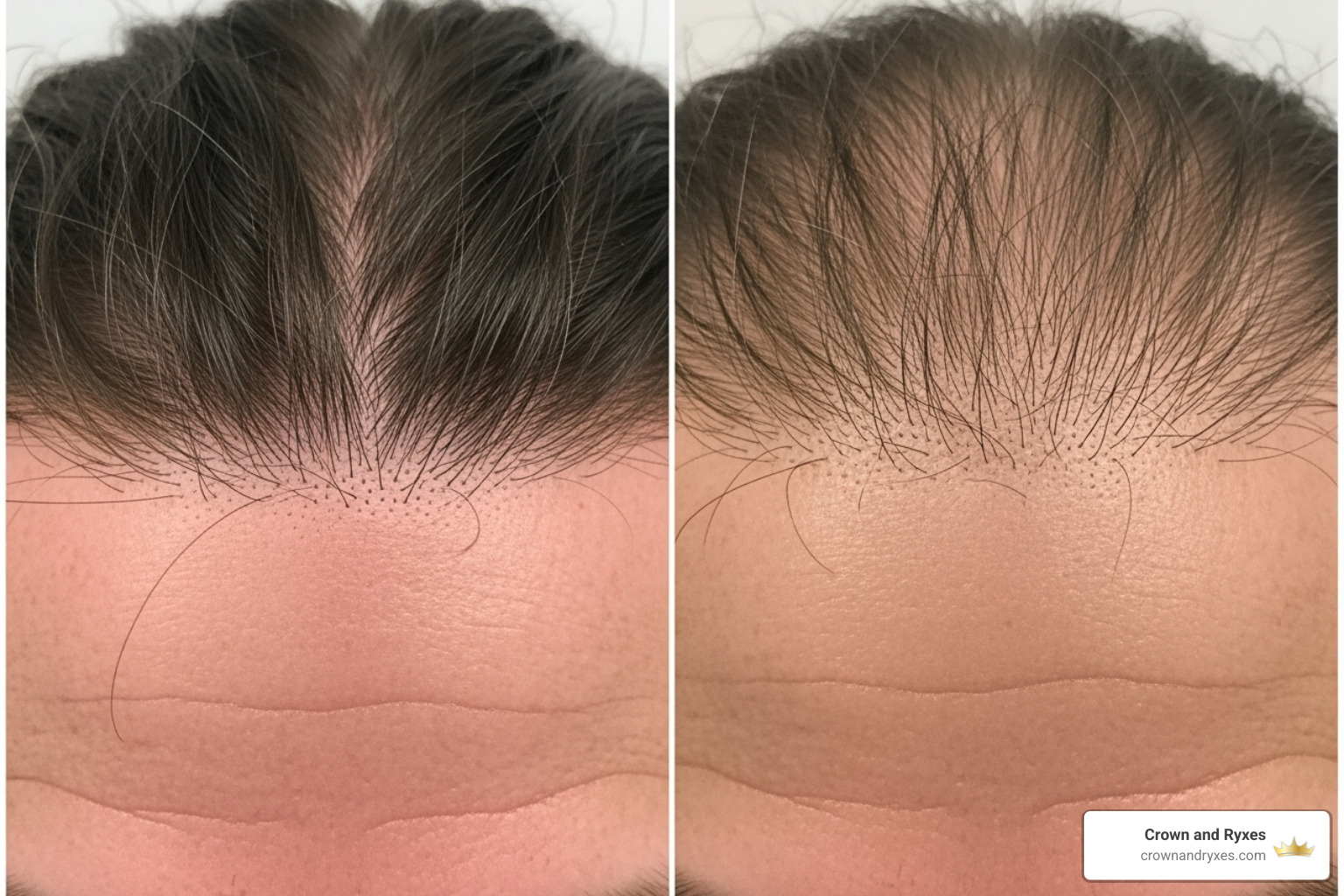
Hair thinning is a gradual reduction in density, while bald spots are distinct patches of hair loss. They often point to different issues.
The most common cause is androgenetic alopecia, or female-pattern hair loss (FPHL). This hereditary condition causes gradual thinning on the top and sides of the head. You’re not alone; it affects about 30 million women in the U.S.
Other common causes include:
- Telogen Effluvium: A temporary condition where a stressful event (surgery, rapid weight loss, childbirth) pushes many hairs into the resting phase, causing excessive shedding 2-3 months later.
- Anagen Effluvium: Rapid, dramatic hair loss caused by damage to follicles in their growing phase, most commonly from chemotherapy.
- Traction Alopecia: This preventable hair loss is caused by repeated tension from tight hairstyles like braids, ponytails, or buns. Early changes in styling can stop its progression.
Hormonal changes are a major factor for women. Pregnancy can thicken hair, only for it to shed dramatically postpartum. Menopause brings declining estrogen and progesterone, causing follicles to shrink, growth to slow, and strands to become finer.
Stress, whether chronic or from a single event, triggers inflammation that can push hair into the shedding phase. Likewise, nutritional deficiencies rob your hair of essential building blocks. Iron deficiency is a common culprit, as are insufficient protein and other vitamins.
Finally, underlying medical conditions like thyroid disorders or autoimmune diseases can manifest as hair loss. This is why a professional diagnosis is crucial—your hair might be signaling a different health issue. What triggers hair loss in one person may not affect another, making it essential to find the specific cause of your hair loss. You can learn more on our Hair Loss Hormone Imbalance page.
Your First Steps: Diagnosis and When to See a Doctor
If you’re noticing persistent hair shedding, seeking professional help is the smartest first step toward effective hair fall control. Early diagnosis is critical, as it expands treatment options and improves the chances of success. The sooner we understand the cause, the sooner we can address it.
You should see a dermatologist if you experience:
- Sudden or excessive hair loss (well over 100 strands daily)
- Patchy hair loss or distinct bald spots
- An itchy, burning, or irritated scalp
- Hair loss that doesn’t improve with gentle care
During your consultation, our doctors, like Dr. Matthew Casavant, will conduct a thorough review of your diet, styling habits, and medical history, followed by a physical exam of your scalp and hair.
To find the root cause, we may recommend diagnostic tests. Blood tests are vital for checking nutritional deficiencies, especially iron levels, a common cause of hair shedding. You can read about the importance of iron levels and their effect on hair. We also check vitamin D, B vitamins, zinc, and thyroid hormones.
The pull test involves gently tugging a small section of hair to gauge the extent of shedding. In some cases, a scalp biopsy (examining a tiny piece of scalp tissue) or light microscopy (examining hair strands) may be needed to identify underlying conditions.
Finding a qualified professional is straightforward. The American Academy of Dermatology offers a Find a Dermatologist tool. If you’re near Clermont, FL, or The Villages, FL, we invite you for an expert consultation. You can also find our services by searching for a Doctor for Hair Near Me.
You don’t have to steer this alone. A professional diagnosis is the foundation for a treatment plan custom to your needs.
Effective Hair Fall Control: Treatments and Solutions
Once we’ve identified what’s causing your hair loss, we can create a treatment plan that’s custom specifically to you. Here’s something important to understand right from the start: hair fall control isn’t an overnight miracle. Most treatments need consistent use for at least four to six months before you’ll notice real improvement.
You might even experience what seems like a setback at first. Some treatments, particularly minoxidil, can trigger an initial shedding phase. Before you panic and stop treatment, know that this is actually a positive sign! It means the treatment is working to push out weaker hairs and make room for stronger, healthier growth. The key to success? Stick with it.
Every person’s hair loss journey is unique, which is why we believe in personalized treatment plans. What works beautifully for one person might not be the right fit for another. That’s where our expertise comes in. For a comprehensive look at all your options, take a look at our Hair Restoration Complete Guide.
Lifestyle and Dietary Adjustments for Hair Health
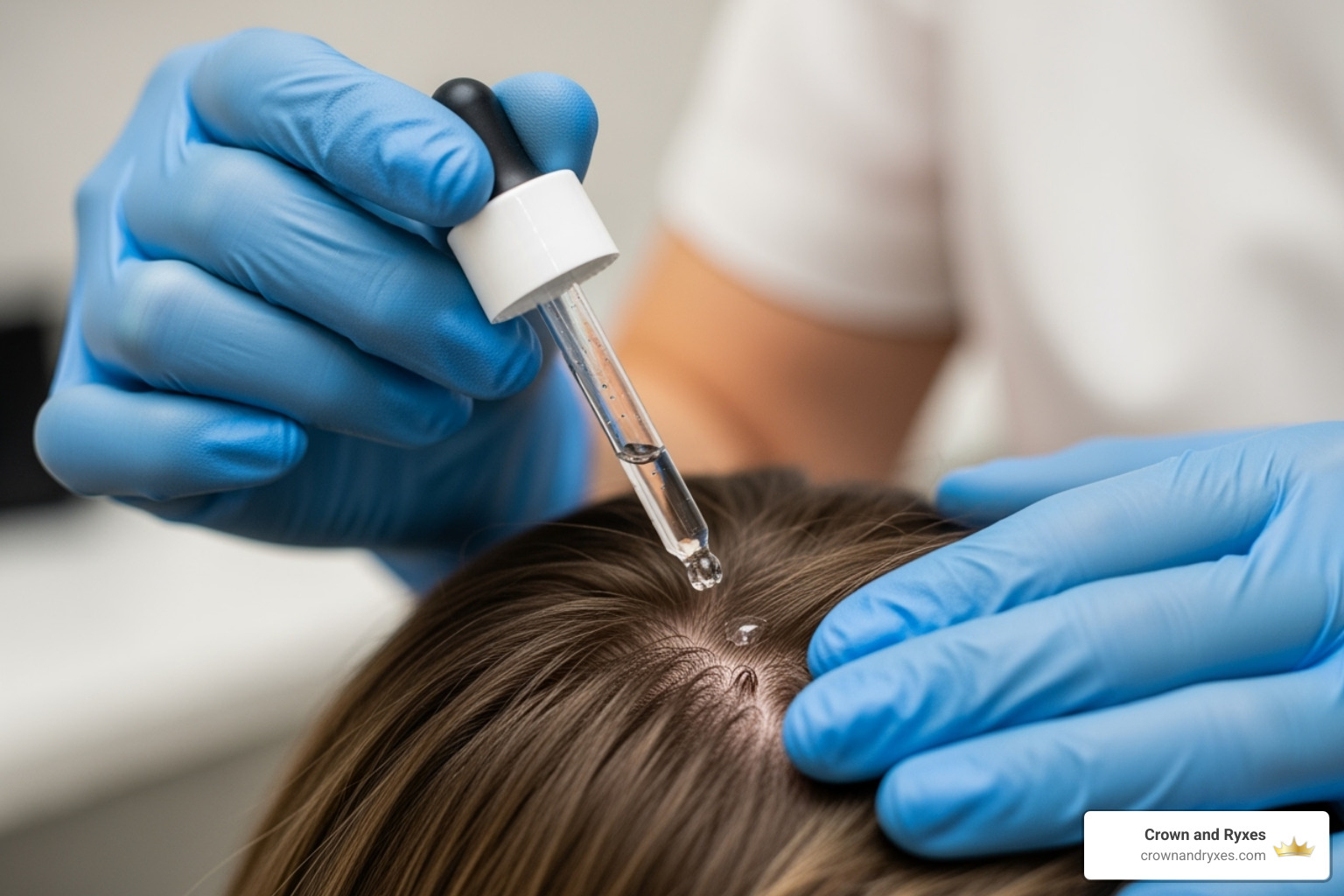
Your daily habits directly impact your hair’s health, and adjusting them can be a cornerstone of effective hair fall control.
- Diet: Your hair needs protein to build keratin. Aim for 40-60 grams daily from sources like eggs, lean meats, and beans. A Diet and hair loss research study confirms the link between nutrition and hair health. The Mediterranean diet, rich in raw vegetables, may also slow androgenetic alopecia. Severe calorie restriction can trigger hair loss.
- Supplementation: Avoid taking supplements unless a blood test confirms a deficiency in nutrients like iron, zinc, or vitamin D3. Excess intake of certain vitamins can worsen hair loss. Learn more on our Vitamins for Hair Loss page.
- Stress Management: Chronic stress can increase shedding. Practices like yoga and meditation can make a real difference.
- Gentle Hair Care: Use a mild shampoo and avoid tight hairstyles that pull on follicles (traction alopecia). Limit heat styling and let your hair air-dry when possible.
- Quit Smoking: Smoking damages hair follicles and reduces blood flow to the scalp, accelerating hair loss.
At-Home and Crown and Ryxes Hair Fall Control Solutions
Beyond lifestyle changes, several targeted solutions can strengthen your hair fall control strategy. Some you can start at home today, while others benefit from our professional guidance at Crown and Ryxes.
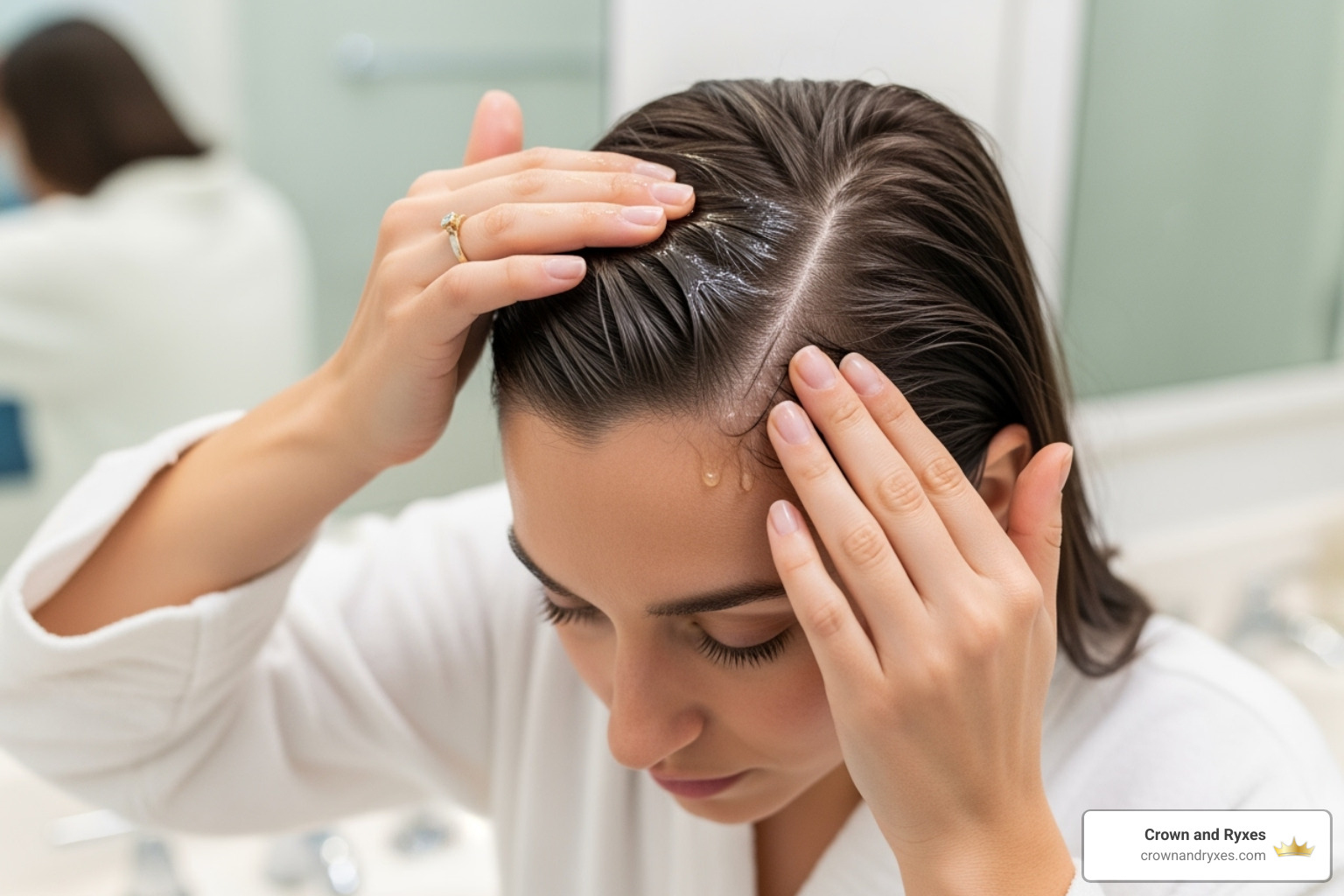
Minoxidil (Rogaine) is the only FDA-approved topical ingredient for hair loss. The 2% or 5% solution is typically applied once daily for women, but you must use it indefinitely to maintain results.
At Crown and Ryxes, we offer customized Topical Solutions for Hair Loss that may include ingredients like melatonin, caffeine, peptides, and rosemary oil.
Scalp massage can also help. A 2016 study found that four minutes of daily massage increased hair thickness by boosting circulation. Similarly, essential oils like lavender and peppermint have shown promise, but always dilute them with a carrier oil before application.
Low-Level Laser Therapy (LLLT) is an FDA-approved, non-invasive option for hereditary hair loss. Devices like a Laser Cap for Hair Growth use low-level lasers to stimulate follicles. We can guide you toward the best LLLT options for your situation.
Professional and Medical Hair Fall Control Treatments at Crown and Ryxes
When you’re ready for more advanced interventions, Crown and Ryxes offers professional medical treatments that can deliver remarkable results for hair fall control.
- Platelet-Rich Plasma (PRP): We process a small amount of your blood to concentrate platelets, which are rich in growth factors. This PRP is then injected into your scalp to stimulate follicles. We specialize in PRP Hair Treatment Woman for our female clients.
- Mesotherapy: This technique involves injecting a cocktail of vitamins, minerals, and other nutrients directly into the scalp to nourish follicles and improve circulation. Find the many Mesotherapy Hair Benefits that could work for you.
- Hair Transplant Surgery: For permanent hair loss, this procedure moves healthy follicles from a donor area to thinning areas. It has a high success rate, with 10-80% of transplanted hair regrowing in 3-4 months. We also offer various Non-Surgical Hair Restoration options.
- Prescription Medications: Finasteride (Propecia) is primarily for men and blocks DHT, a hormone that shrinks follicles. For women with hormonal hair loss, medications like spironolactone may be prescribed under strict medical supervision. Important note: women who are pregnant or may become pregnant should never touch crushed or broken Finasteride tablets.
Frequently Asked Questions about Hair Loss Prevention
We understand you have questions, and we’re here to provide clear, helpful answers to empower you in your journey toward better hair fall control. Let’s address some of the most common concerns we hear from women experiencing hair loss.
Can hair loss in women be prevented?
Here’s the honest answer: it depends on what’s causing it. Not all types of hair loss can be entirely prevented, especially those with a strong genetic component like hereditary female-pattern hair loss (FPHL).
However, many forms of hair loss are preventable or can be significantly minimized. Hair loss caused by damage is largely within your control. You can protect your hair by avoiding harsh chemical treatments, practicing gentle styling, and limiting heat styling. Steer clear of tight hairstyles that cause traction alopecia, which can become permanent. Maintaining a healthy diet and managing stress are also key preventive measures.
The bottom line? Early intervention is always beneficial. Addressing hair loss promptly with a professional at Crown and Ryxes can make a significant difference in preventing further progression.
What is the prognosis for women experiencing hair loss?
This is a question we hear often, and the prognosis varies greatly depending on the underlying cause.
- Temporary Hair Loss: Conditions like telogen effluvium, often triggered by stress, illness, or postpartum hormonal shifts, usually resolve on their own. Hair typically regrows within several months.
- Progressive Hair Loss: Androgenetic alopecia (FPHL) is a progressive condition, but don’t let this discourage you. With consistent treatments—such as minoxidil or PRP therapy—the progression can be slowed, and regrowth is possible.
- Permanent Hair Loss: Some types, like scarring alopecia or long-standing traction alopecia, can cause permanent follicle damage. In these cases, treatments focus on preventing further loss and exploring options like hair transplant surgery.
While hair loss itself poses no direct medical risk, we understand it can be emotionally challenging. Effective treatments exist, and if hair loss is causing you significant distress, talking with a mental health professional can provide valuable support.
How does menopause affect hair loss in women?
Menopause often brings unwelcome changes to hair health due to hormonal shifts. As estrogen and progesterone levels decline, the effects of androgens—male hormones that women also produce—can become more pronounced.
This hormonal imbalance can lead to shrinking hair follicles, slower hair growth, and thinner hair strands, resulting in a noticeable reduction in volume. Many women experience a diffuse thinning across the entire scalp. Hormone replacement therapy (HRT) can sometimes be considered. We can discuss whether HRT, specialized treatments like REGENmax for sexual wellness, or other hair fall control solutions might be suitable options for you during a consultation at our clinics in Clermont, FL, or The Villages, FL.
Conclusion: Taking Control of Your Hair’s Future
We know that hair loss can shake your confidence, but you have more control than you might think. Effective hair fall control starts with an accurate diagnosis from a qualified professional to pinpoint the cause.
From there, a combination of strategies makes a real difference. Lifestyle adjustments like a balanced diet, stress management, and gentle hair care create a healthy foundation. These can be supported by at-home solutions like FDA-approved minoxidil and professional treatments at Crown and Ryxes. Our advanced options—from PRP therapy to mesotherapy—are designed around your unique situation.
Regrowth takes patience; most treatments require at least four to six months of consistent use. But the result is often more than just physical—it’s the restored confidence that comes from feeling like yourself again.
Whether you’re dealing with hormonal changes, stress-related shedding, or hereditary thinning, effective solutions exist. The most important step is to be proactive. Early intervention offers the best chance of slowing loss and encouraging new growth.
At Crown and Ryxes, Dr. Matthew Casavant and our team are here to support you. We combine over 20 years of medical expertise with cutting-edge treatments and a genuine understanding of what you’re going through. Your hair’s future can be brighter—and we’re ready to help you get there.
Ready to explore what’s possible for your hair? Explore our advanced topical solutions for hair loss and find how we can create a personalized plan just for you.