

The Root of Healthy Hair
Hair follicle health is the foundation of strong, vibrant hair. Understanding and caring for these tiny structures in your scalp can make the difference between thinning strands and a full, healthy head of hair.
Quick Answer: What You Need to Know About Hair Follicle Health
- What it is: Hair follicles are small, tunnel-like structures in your skin where each hair strand grows from.
- Why it matters: Healthy follicles produce strong hair; damaged follicles lead to thinning, weakness, or hair loss.
- Key factors: Hormones, nutrition, stress, scalp care, and genetics all affect follicle function.
- Normal shedding: Losing 50-100 hairs per day is completely normal.
- Action steps: A proper diet, gentle hair care, stress management, and professional treatments can support follicle health.
While hair loss isn’t painful, the emotional distress of seeing thinning hair and a visible scalp is real. Many people don’t realize that the health of their hair starts deep beneath the surface, in those tiny pockets called hair follicles.
Your follicles are where everything begins. When they’re functioning well, they produce strong, thick hair through a continuous cycle of growth, rest, and renewal. When they’re damaged or stressed, that cycle breaks down.
The average human scalp contains about 100,000 hair follicles, and each one cycles independently. At any time, about 90% of your follicles are actively growing hair. Problems arise when follicles shrink, become dormant, or stop functioning altogether.
This guide will walk you through everything you need to know about keeping your follicles healthy. Whether you’re dealing with early signs of thinning or simply want to maintain the hair you have, understanding your follicles is the first step.
I’m Dr. Matthew Casavant. With over two decades in medicine, I’ve seen how follicle health impacts confidence. My work in advanced medical treatments and regenerative therapies helps patients understand and address the root causes of their hair concerns.
The Life Cycle of Your Hair: Understanding Follicle Function
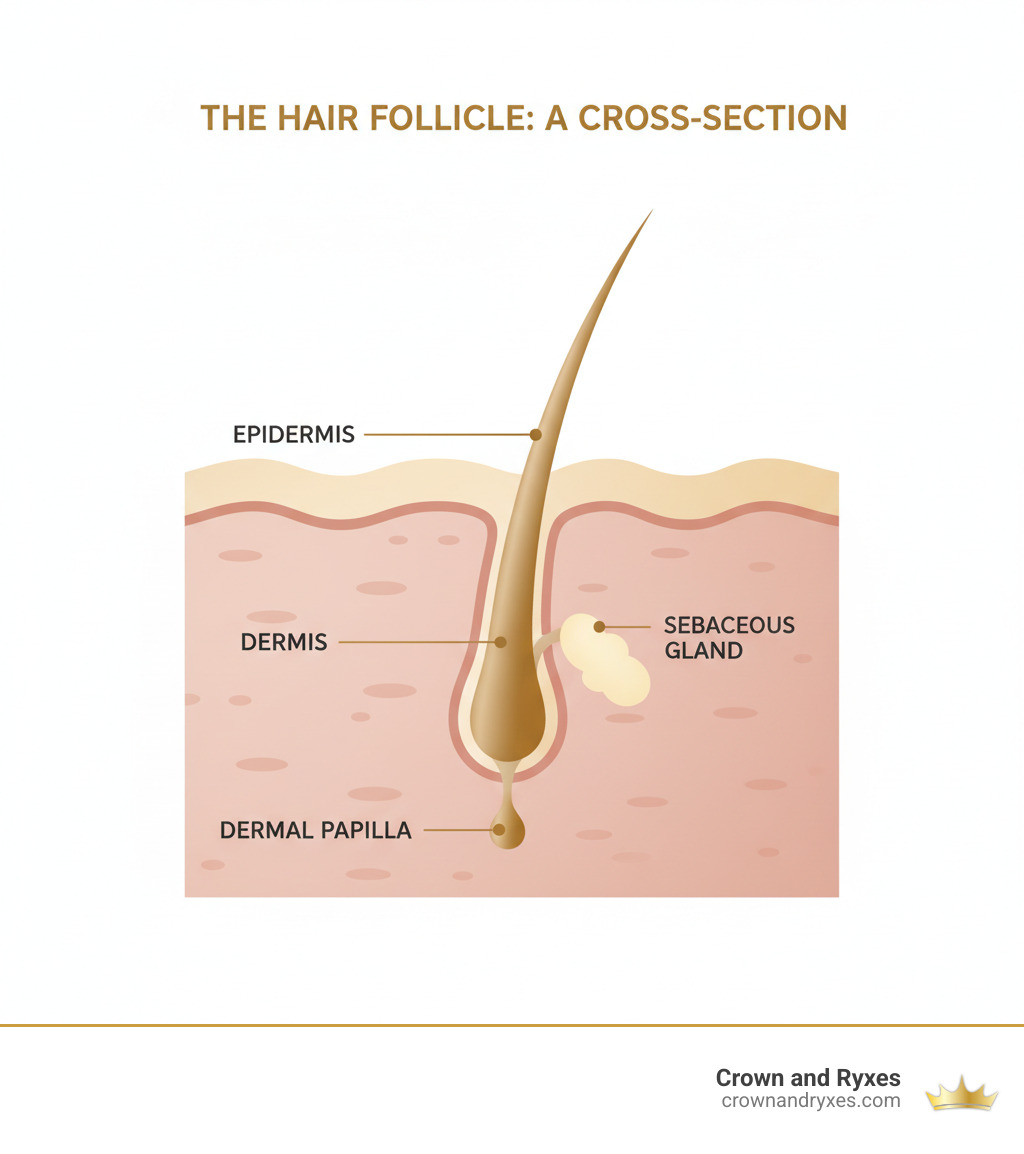
Think of a hair follicle as a tiny factory beneath your skin’s surface. Hair follicle health begins with understanding what these remarkable structures are and how they function.
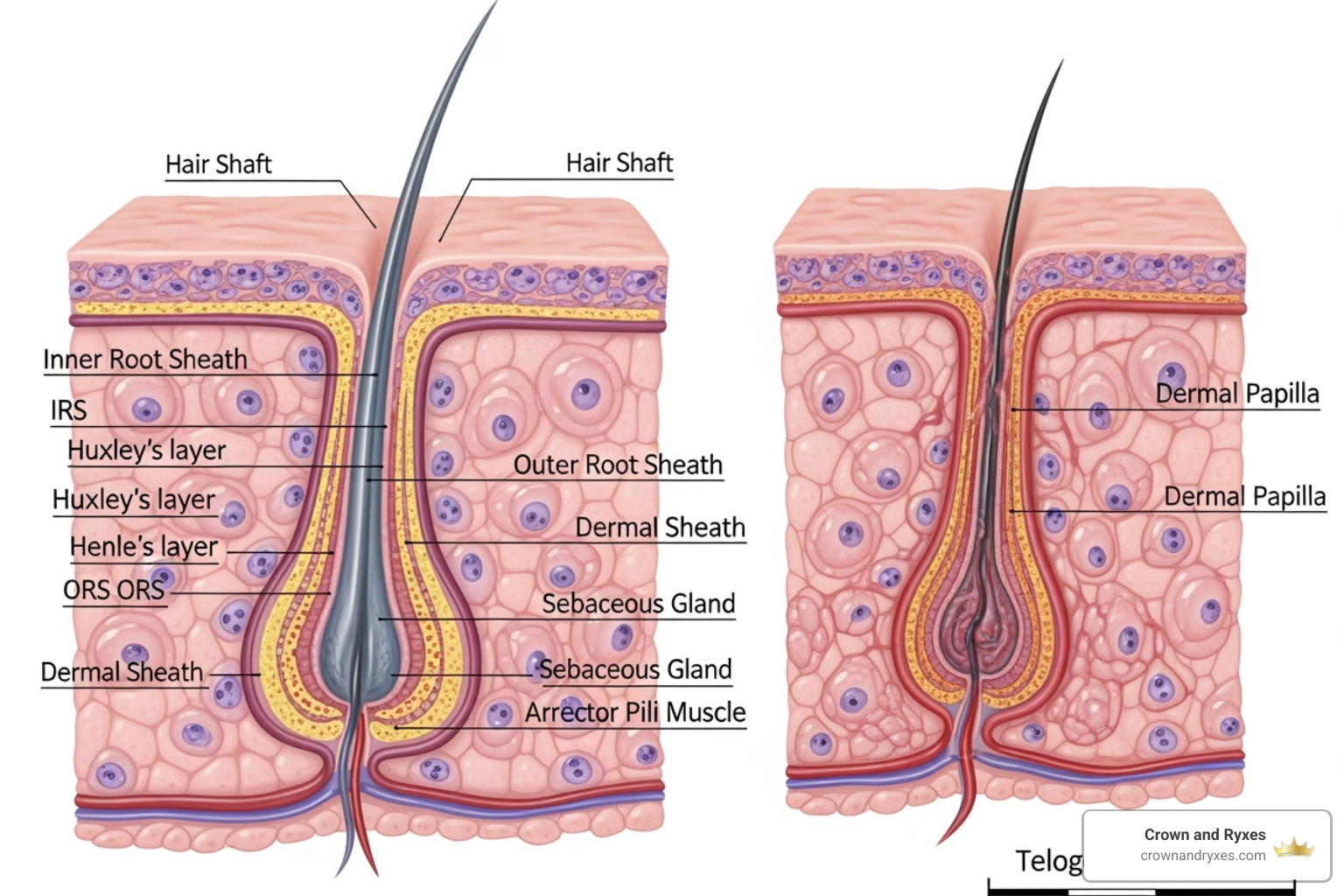
A hair follicle is a tunnel-shaped mini-organ extending from the scalp into the deeper skin layers. We’re born with about 100,000 to 150,000 on our scalp alone, each a sophisticated factory for hair production. At the follicle’s base, the hair bulb contains rapidly dividing cells that form the hair shaft. These are nourished by blood vessels in the dermal papilla, a structure that controls hair thickness and color.
Attached sebaceous glands produce natural oil (sebum) for moisture, while the tiny arrector pili muscle causes hair to stand on end (goosebumps). These follicles are more than just hair producers; they also aid in skin repair and nerve cell generation, as detailed in research on the human hair: from anatomy to physiology.
The Three Phases of Hair Growth
Each follicle moves through a repeating cycle of growth, transition, and rest. This explains why we naturally shed hair and why hair follicle health is so important.
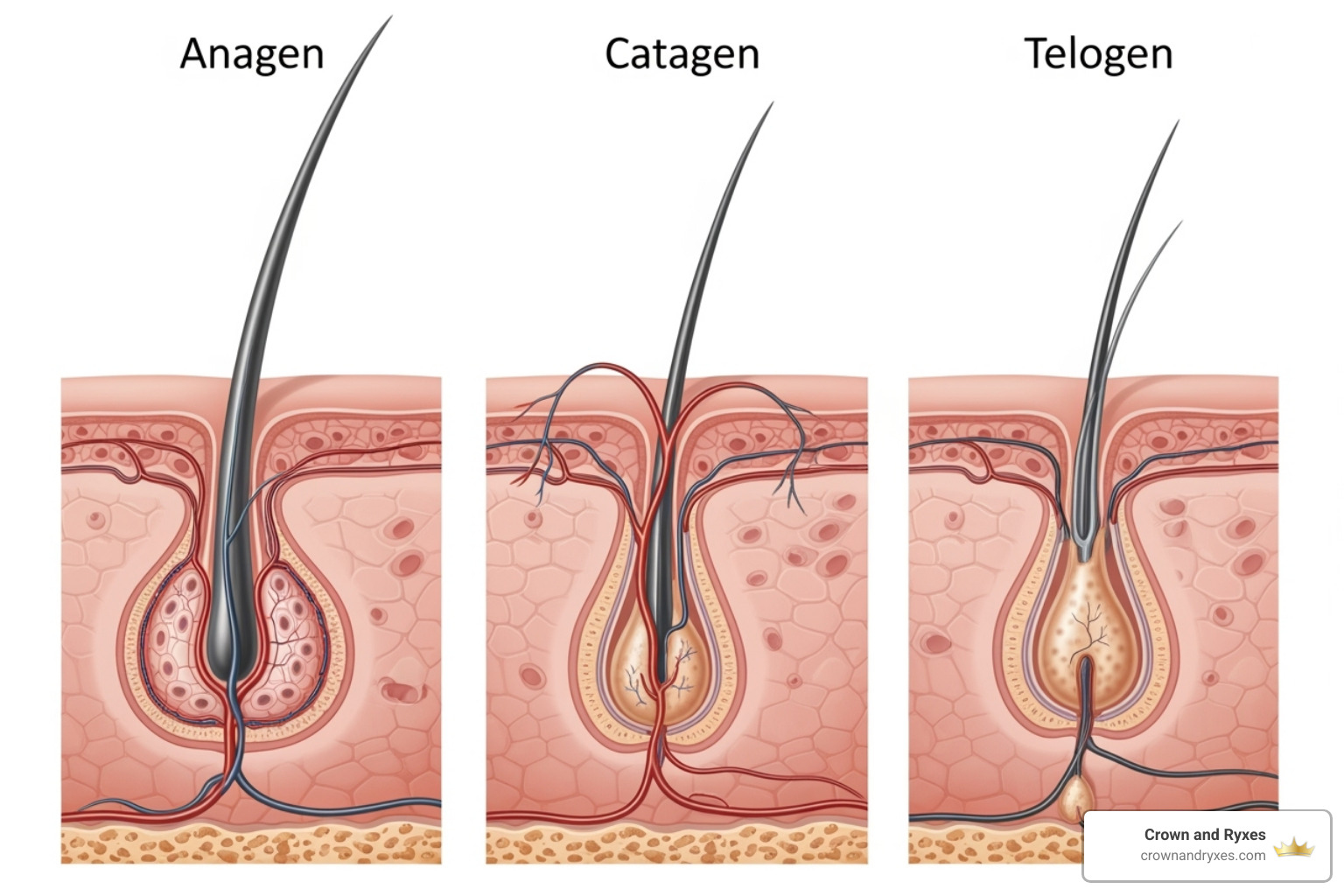
Anagen (Growth Phase): This is the active growth period, lasting three to seven years for scalp hair. Hair grows about half an inch per month. The longer your anagen phase, the longer your hair can grow.
Catagen (Transition Phase): A brief transitional period of two to four weeks where growth stops and the follicle begins to shrink.
Telogen (Resting Phase): This resting and shedding stage lasts about three to four months. The old hair strand falls out to make room for a new one. About 10-15% of your hair is in this phase at any time.
Losing 50 to 100 hairs daily is normal, as the American Academy of Dermatology explains that a hair follicle is a tunnel-shaped structure that continuously cycles through these phases.
How Follicles Determine Your Hair Type
Your hair’s texture and color are determined by your follicles.
The shape of your follicle dictates your hair type. Round follicles produce straight hair, while oval-shaped ones create wavy or curly hair. The flatter the oval, the curlier the hair.
Your hair color comes from melanin, a pigment produced by specialized cells within the follicle. The combination of two melanin types, eumelanin (black/brown) and pheomelanin (red/orange), creates your unique shade. As we age, melanin production slows, and new hair grows in without pigment, appearing gray or white.
Common Threats to Hair Follicle Health
Your hair follicles face constant challenges that can disrupt hair production. When follicles become damaged, hair grows thinner, growth slows, and some follicles may stop producing hair altogether. This process, called miniaturization, is when follicles shrink until they can no longer produce visible hair.
Let’s look at what puts your hair follicle health at risk.
Hormonal Imbalances and Genetic Factors
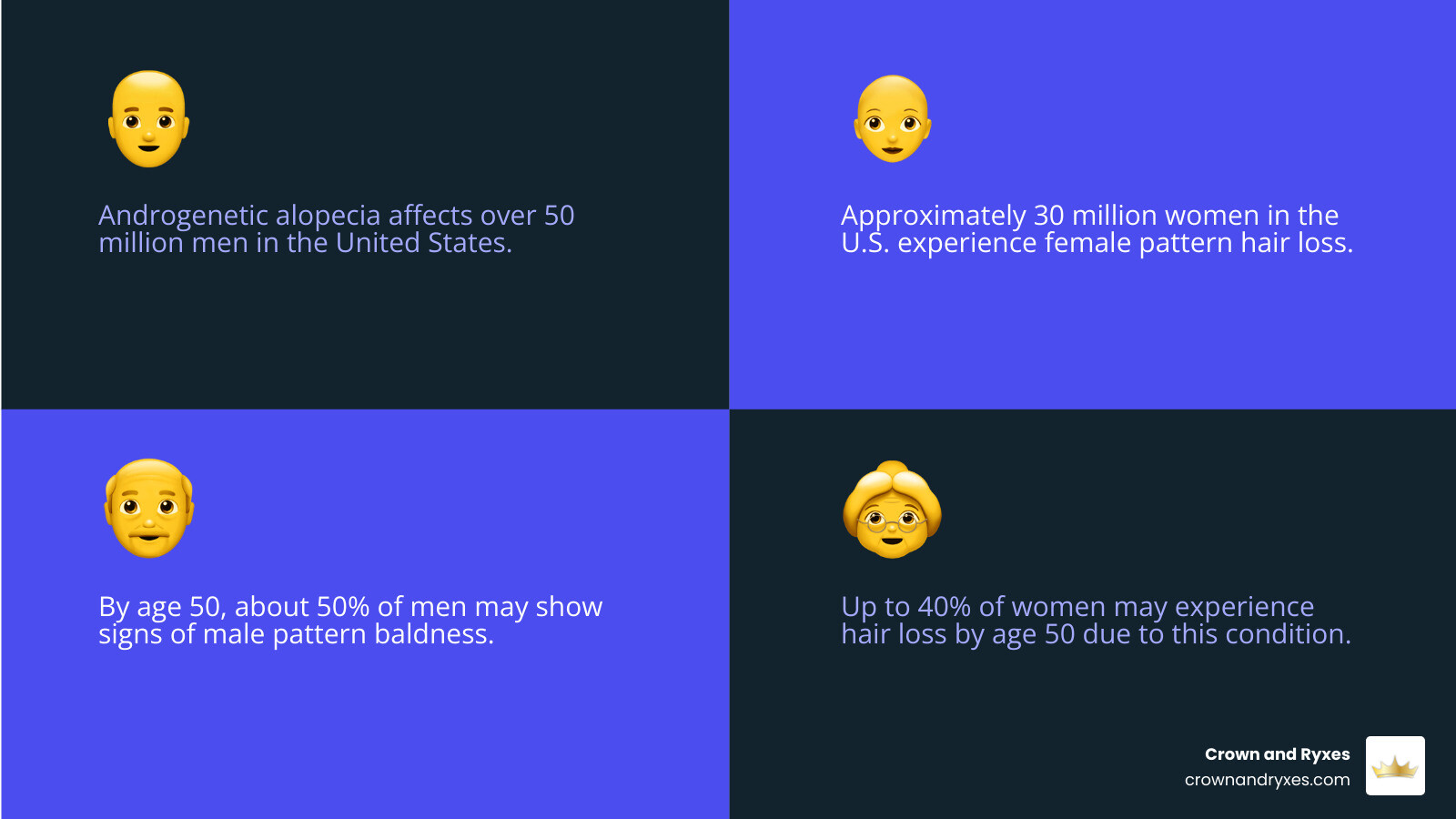
The biggest threat often comes from within. Androgenetic alopecia (pattern baldness) affects millions and is linked to genetics. The main culprit is dihydrotestosterone (DHT), a hormone that attaches to genetically susceptible follicles, causing them to shrink. This miniaturization process leads to progressively thinner hair and, eventually, hair loss. In men, it often presents as a receding hairline or thinning crown, while women typically see diffuse thinning across the top of the scalp. Understanding this connection is the first step if you’re dealing with a Hair Loss Hormone Imbalance. Research on Androgenetic Alopecia continues to offer new insights.
The Impact of Stress and Lifestyle
Your follicles are sensitive to your lifestyle. Chronic stress releases cortisol, a hormone that can trigger telogen effluvium, a condition where large numbers of follicles enter the resting phase at once. This results in sudden, heavy shedding a few months after a stressful event. While usually temporary, it’s a clear sign your follicles are struggling.
Daily habits also matter. Poor nutrition starves follicles of the building blocks they need. Smoking and excessive alcohol restrict blood flow to the scalp, reducing oxygen and nutrient delivery. Even dehydration can impair follicle function and impact hair follicle health.
Physical Damage and Scalp Conditions
External factors can also harm your follicles. Traction alopecia results from constant pulling from tight hairstyles like braids or ponytails, which can cause permanent damage if not addressed early.
Harsh chemical treatments and excessive heat styling can irritate the scalp and weaken follicles over time.
Scalp conditions create a hostile environment for hair growth. Folliculitis is an infection of the follicles, causing itchy red bumps. Scalp inflammation from conditions like psoriasis or dermatitis impairs follicle function. Finally, clogged follicles from product buildup, oil, and dead skin cells can suffocate the hair root and hinder new growth.
Nurturing Strong Follicles: A Proactive Approach
You have more control over hair follicle health than you might think. While you can’t change your genetics, your daily habits can create an environment where follicles flourish, much like tending to a garden.

The Role of Diet in Hair Follicle Health
Your follicles need raw materials from your diet to build strong hair. A balanced diet is key, but certain nutrients are especially important:
- Protein: Hair is made of keratin, a protein. Include lean meats, eggs, fish, and beans.
- Biotin (Vitamin B7): Crucial for keratin production. Found in eggs, nuts, and whole grains.
- Iron: Carries oxygen to your follicles. Find it in spinach, lentils, and red meat.
- Vitamin C: Helps absorb iron and builds collagen. Abundant in oranges, berries, and bell peppers.
- Zinc & Vitamin E: This pair supports hair tissue repair and protects follicles from stress. Found in nuts, seeds, and leafy greens.
- Omega-3 Fatty Acids: Reduce inflammation. Salmon, flaxseed, and walnuts are great sources.
While supplements can fill gaps, a varied diet is the best source for these essential Vitamins for Hair Loss.
Effective Scalp Care Practices
Your scalp is the foundation of healthy hair and deserves dedicated care.
- Gentle Cleansing: Use a sulfate-free shampoo to remove buildup without stripping natural oils.
- Scalp Massage: Massaging your scalp for a few minutes daily improves blood circulation, delivering more oxygen and nutrients to follicles.
- Exfoliation: Use a scalp scrub once a week to remove dead skin cells and prevent clogged follicles.
- UV Protection: Your scalp can get sunburned. Wear a hat or use a UV-protectant spray when outdoors to shield follicles from damage.
Natural Remedies to Support Follicles
Several natural remedies can support hair follicle health. For more ideas, explore our guide to Hair Restoration Natural Solutions.
- Rosemary Oil: Research suggests it may improve circulation to the scalp, similar to minoxidil. Mix a few drops with a carrier oil and massage it into your scalp.
- Green Tea Rinse: The antioxidants in green tea may help reduce DHT on the scalp. Use cooled, brewed green tea as a final rinse after shampooing.
- Aloe Vera: Soothes the scalp and helps clear away buildup that clogs follicles. Apply fresh gel to your scalp, let it sit, and rinse.
- Onion Juice: Rich in sulfur, a key component of keratin, it’s believed to nourish follicles. Apply to the scalp, leave for 15 minutes, and wash thoroughly.
Medical Conditions and Professional Hair Restoration
Sometimes, despite your best efforts, hair loss continues. This may signal an underlying medical issue or follicle damage that requires professional intervention. If you’re experiencing persistent or sudden hair loss, or scalp symptoms like pain and redness, it’s time to see a specialist. A proper diagnosis is key. Our team can connect you with a qualified Doctor for Hair Near Me in Clermont, FL, or The Villages, FL, to assess your hair follicle health.
Medical Conditions Affecting Hair Follicle Health
Several medical conditions can disrupt the hair growth cycle.
- Alopecia Areata: An autoimmune condition where the body attacks its own hair follicles, causing hair to fall out in round patches. Since the follicles aren’t destroyed, hair can often regrow with treatment. You can learn more in this Alopecia overview.
- Cicatricial (Scarring) Alopecia: A group of rare inflammatory disorders that destroy hair follicles and replace them with scar tissue, leading to permanent hair loss. Early diagnosis is critical to save remaining follicles.
- Tinea Capitis (Scalp Ringworm): A fungal infection that attacks the hair shaft and follicle, causing hair to break off. It’s treatable with antifungal medication, and hair typically regrows.
- Chronic Telogen Effluvium: This is persistent, excessive shedding lasting more than six months. It often points to an unresolved underlying issue like a chronic illness, nutritional deficiency, or thyroid disorder.
Advanced Treatments to Revive Hair Follicles
When home care isn’t enough, professional treatments offer powerful solutions to restore hair.
Topical Solutions: FDA-approved treatments like minoxidil work by extending the hair’s growth phase and can improve hair density with consistent use.
Platelet-Rich Plasma (PRP) Therapy: Our PRP Hair Growth Treatment harnesses your body’s own healing power. We concentrate platelets and growth factors from your blood and inject them into the scalp to stimulate dormant follicles and encourage new growth.
Low-Level Laser Therapy (LLLT): Our convenient at-home Laser Hair Growth Cap uses red light to energize follicles, increase blood flow, and reduce inflammation, leading to thicker, fuller hair over time.
Follicular Unit Extraction (FUE): For more advanced hair loss, FUE offers a permanent solution. This procedure involves transplanting healthy, genetically resistant follicles from the back of your head to thinning areas. Our team provides expert Hair Transplant Services in Clermont FL with personalized care.
A thorough consultation is the first step to matching the right treatment to your specific needs and goals.
Frequently Asked Questions about Hair Follicle Health
Understanding what’s happening with your hair can be overwhelming. Here are answers to some of the most common questions we hear about hair follicle health.
Can damaged or dormant hair follicles be revived?
Yes, in many cases. The distinction is important: follicles that are dormant (in a prolonged resting phase) or miniaturized (shrunken but still alive) can often be revived. Treatments like PRP and LLLT are designed to stimulate these follicles back into a healthy growth phase. However, follicles that have been completely destroyed and replaced by scar tissue cannot be recovered. This is why early intervention is so critical. Our Non-Surgical Hair Restoration options are designed to target these struggling follicles.
How does stress directly cause hair loss?
Significant physical or emotional stress causes your body to release high levels of the hormone cortisol. This can push a large number of hair follicles prematurely into the resting (telogen) phase. About two to three months later, this results in a period of heavy shedding known as telogen effluvium. The good news is that this type of hair loss is usually temporary and resolves once the stress is managed.
What is the most important nutrient for hair follicles?
While a balanced diet is key for hair follicle health, the single most important nutrient is protein. Hair is made of a protein called keratin, so without enough dietary protein, your body lacks the fundamental building blocks for hair growth. However, protein doesn’t work alone. It needs support from other key nutrients like iron (for oxygen transport), biotin (for keratin production), and zinc (for tissue repair). A varied, nutrient-rich diet will always outperform any single supplement. Our Best Herbal Hair Loss Guide offers more insight into natural support for your hair.
Conclusion: Take Control of Your Hair’s Future
We’ve explored hair follicle health, from the growth cycle to the common threats that weaken hair. The key takeaway is that your hair’s future is largely in your hands. A healthy lifestyle, proper diet, and gentle scalp care create the foundation for strong growth.
But when that’s not enough, professional help is essential. At Crown and Ryxes, serving both Clermont, FL, and The Villages, FL, we specialize in personalized solutions to restore your hair and your confidence. Whether you are a candidate for PRP therapy to awaken follicles, LLLT to stimulate growth, or an FUE hair transplant for a permanent solution, we will find the right path for you. We also support your total well-being with REGENmax.
The sooner you address hair loss, the more options you have and the more follicles you can save. Don’t wait and wonder what to do. Take the first step today by exploring our Topical Solutions for Hair Loss or reaching out for a personalized consultation.
Your journey to healthier, fuller hair starts with the decision to take control. We’re here to help you open up your hair’s full potential.