

Hair restoration solutions are sought after by many individuals who are facing the challenging experience of thinning hair. If you’re looking for effective ways to regain your confidence and appearance, here are some key options to consider:
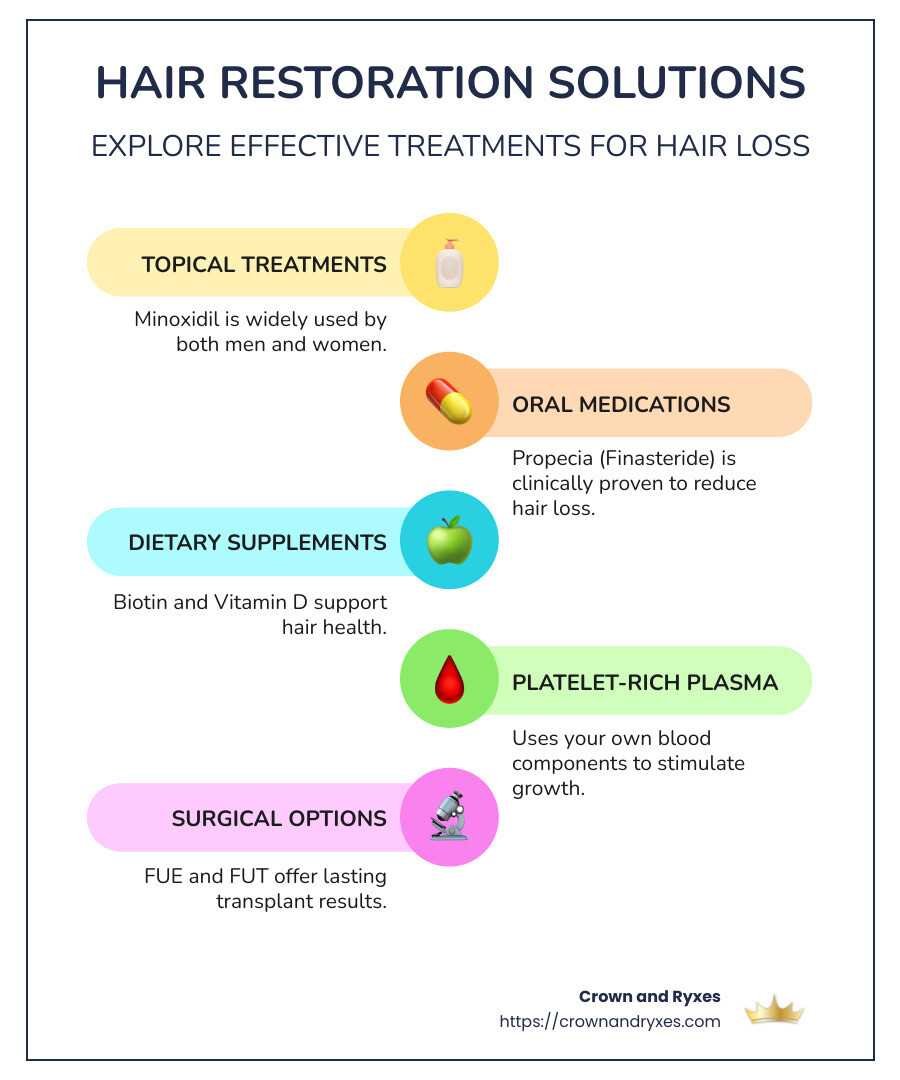
- Topical treatments: Minoxidil is a common choice for both men and women.
- Oral medications: Propecia (Finasteride) is clinically proven to reduce hair loss.
- Dietary supplements: Ensuring your diet includes essential vitamins and minerals like Biotin and Vitamin D can support hair health.
- Platelet-rich plasma therapy: A natural solution that uses components of your own blood to stimulate hair growth.
- Surgical options: Follicular Unit Extraction (FUE) and Follicular Unit Transplant (FUT) are popular transplant methods for lasting results.
Understanding the root cause of hair loss can help in selecting the right approach custom to your needs. Whether considering topical treatments, medication, or more advanced medical procedures, personalized care is crucial for achieving optimal results.
As Dr. Matthew Casavant, I bring years of experience in advanced and minimally invasive treatments to provide you with the most effective hair restoration solutions. My practice is committed to enhancing your wellness, ensuring you achieve a full head of hair and renewed confidence. Let’s dig into understanding hair loss and how we can tackle it effectively.
Understanding Hair Loss
Hair loss is a common concern for many people, affecting both men and women differently. Understanding its causes can be the first step toward finding a solution.
Causes of Hair Loss
The most common cause of hair loss is genetics, accounting for 95% of cases. This type of hair loss is called androgenetic alopecia, commonly known as male pattern baldness in men and female pattern hair thinning in women. Other factors contributing to hair loss include:
- Diet and Nutrition: Low levels of iron or protein can lead to hair thinning.
- Stress and Illness: Conditions like thyroid disease, severe infections, or even the flu can trigger hair loss.
- Medications: Drugs for high blood pressure, heart issues, or depression may cause hair to fall out.
For women, hormonal changes during childbirth can result in temporary hair loss.
Male Pattern Baldness
Male pattern baldness (MPB) often starts with a receding hairline or thinning at the crown. By age 35, around 40% of men experience noticeable hair loss. MPB is largely hereditary and can be influenced by hormones, particularly dihydrotestosterone (DHT).
Female Hair Thinning
Female hair thinning typically presents as a general thinning across the scalp rather than distinct bald spots. Women may begin to notice this as early as their teenage years. Hormonal changes, especially those related to menopause, can accelerate this process. Unlike men, women often retain their hairline but experience a widening part.

Women’s hair loss can be particularly distressing due to societal pressures and expectations. Understanding the specific type and cause of hair loss is essential for selecting the most effective treatment option.
Taking the time to understand these factors can guide you in choosing the right hair restoration solutions custom to your needs. Up next, we’ll explore these solutions in greater detail, helping you regain your confidence with the right approach.
Hair Restoration Solutions
When it comes to addressing hair loss, a variety of hair restoration solutions can help you regain your confidence. Let’s dig into some popular non-surgical options that might be the perfect fit for you.
Platelet-Rich Plasma (PRP) Therapy
PRP therapy is a cutting-edge treatment that uses your body’s own platelets to stimulate hair growth. By injecting these platelets into your scalp, PRP can improve healing and encourage hair regeneration. According to research, this therapy is particularly effective for those in the early stages of hair loss, where hair follicles are still functional.
The cost of PRP therapy varies, but you can expect to pay around £300 to £350 in the UK. It’s important to consult with a specialist to determine if you’re a suitable candidate for this treatment.
Low-Level Light Therapy (LLLT)
Low-Level Light Therapy, also known as LLLT, uses low-intensity lasers to stimulate hair follicles. This non-invasive treatment is approved for both men and women and is effective for various types of hair loss, including postpartum and post-menopausal thinning. However, it’s less effective in areas of complete baldness.
The price for LLLT treatments can start from £450, depending on the clinic and duration of the treatment.
Scalp Micropigmentation (SMP)
Scalp Micropigmentation is a unique technique that uses specialized ink to mimic the appearance of natural hair follicles. This creates the illusion of a fuller head of hair or a closely shaved look. It’s a great option for those who prefer a non-surgical approach to hair restoration.
Prices for SMP can range from £300 for minor hairline adjustments to over £3000 for larger areas.
Topical Solutions
Topical treatments are a convenient option for many people. Products like minoxidil (Rogaine) are applied directly to the scalp to promote hair regrowth. These solutions work by increasing blood flow to hair follicles, extending the growth phase of hair. It’s essential to use these products consistently and under medical supervision to avoid potential side effects.
Hair Growth Tablets
Oral medications like Finasteride (Propecia) are also available for hair restoration. These tablets work by blocking DHT, a hormone linked to hair loss in men. While effective, they may not be suitable for everyone, especially women. Vitamins and minerals, such as biotin and iron, can also support hair health, particularly when hair loss is related to nutritional deficiencies.
Choosing the right hair restoration solution depends on your specific needs and circumstances. Consulting with a professional can help tailor a treatment plan that works best for you. Next, we’ll explore surgical hair restoration techniques, offering more permanent solutions for those ready to take that step.
Surgical Hair Restoration Techniques
When non-surgical options aren’t enough, surgical hair restoration techniques provide a more permanent solution. Let’s explore some of the most popular methods: Follicular Unit Extraction (FUE), Follicular Unit Transplantation (FUT), and general hair transplants.
Follicular Unit Extraction (FUE)
FUE is a modern hair transplant technique that involves extracting individual hair follicles from a donor area, typically the back of your scalp, and implanting them in areas experiencing hair loss. This method is minimally invasive and often done in a single day.
One of the biggest advantages of FUE is that it leaves minimal scarring. Instead of a linear scar, it results in tiny, almost invisible dots. This makes it ideal for people who prefer shorter hairstyles.
The procedure uses advanced technology, like the ARTAS iX® robotic system, which selects the best hair grafts for a high success rate. Patients often see natural-looking results within a few months post-treatment.
Follicular Unit Transplantation (FUT)
FUT, also known as strip surgery, has been around since 1992. This method involves removing a strip of scalp from the donor area, which is then divided into individual follicular units for transplantation.
While FUT can leave a linear scar, it allows for the transplantation of a larger number of grafts in one session—up to 3,000 hair grafts. This makes it a preferred choice for those with more extensive hair loss seeking dramatic results.
The procedure is typically performed under local anesthesia to ensure comfort. Post-operative care is crucial for optimal healing and to minimize scarring.
Hair Transplants
Hair transplants, whether FUE or FUT, are the most effective way to restore hair permanently. They involve relocating healthy hair follicles to balding areas, where they continue to grow naturally.
A key factor for successful hair transplants is having a good-quality donor area with sufficient hair density. The skill of the surgeon also plays a significant role in achieving a natural hairline and minimizing damage to existing hair.
Both FUE and FUT are outpatient procedures, meaning you can go home the same day. Recovery times are relatively short, and most patients return to normal activities within a week. However, it’s important to follow your surgeon’s aftercare instructions carefully.
Choosing between FUE and FUT depends on your specific needs, hair loss extent, and personal preferences. Consulting with a hair restoration specialist can help determine the best approach for your situation.
Next, we’ll dive into non-surgical hair restoration options, providing alternatives for those seeking less invasive solutions.
Non-Surgical Hair Restoration Options
If you’re looking for less invasive ways to tackle hair loss, non-surgical hair restoration solutions offer promising alternatives. These options are effective for many people and can be used alone or alongside surgical treatments. Let’s explore some popular choices:
Laser Cap Therapy
Laser Cap Therapy uses low-level laser light to stimulate hair follicles. This FDA-approved treatment is designed to improve hair thickness and health. It’s non-invasive and easy to use at home, making it a convenient option for many. Simply wear the cap for a specified time each day to see results over several months.
Minoxidil
Minoxidil is a topical solution applied directly to the scalp. It works by widening blood vessels, which improves blood flow to hair follicles and extends the hair growth phase. Minoxidil is particularly effective for promoting hair regrowth in the crown area. Most users notice changes within a few months of consistent use.
Finasteride
Finasteride is an oral medication that targets hair loss by inhibiting the hormone dihydrotestosterone (DHT). DHT is linked to hair loss in men, and Finasteride helps prevent further loss while sometimes promoting regrowth. It’s important to discuss potential side effects with a healthcare professional before starting this medication.
Healthy Diet
A healthy diet plays a crucial role in maintaining hair health. Nutrients like protein, iron, vitamins, and minerals are essential for hair growth. A balanced diet can help prevent hair loss, especially when hair loss is linked to nutritional deficiencies. Staying hydrated and avoiding excessive dairy consumption can also support healthy hair.
These non-surgical hair restoration solutions are accessible and effective for many individuals. They offer a range of benefits, from convenience to affordability. Next, we’ll address frequently asked questions about hair restoration solutions, helping you make informed decisions about your hair care journey.
Frequently Asked Questions about Hair Restoration Solutions
Do any hair restoration products really work?
Yes, some hair restoration products have proven effectiveness in both clinical studies and real-world use. Two widely used products are Minoxidil and Finasteride.
Minoxidil, often known by its brand name Rogaine, is a topical solution. It improves blood flow to hair follicles, promoting regrowth, particularly in the crown area. Regular application can yield noticeable results within a few months.
Finasteride, marketed as Propecia, is an oral medication. It works by blocking the conversion of testosterone to dihydrotestosterone (DHT), a hormone linked to hair loss. This can help prevent further hair loss and, in some cases, encourage regrowth.
Both products have been backed by research and have received FDA approval, making them reliable options for many seeking to combat hair loss.
What is the most effective hair restoration treatment?
Determining the most effective treatment often depends on individual needs and the underlying cause of hair loss. However, some treatments stand out for their efficacy:
PRP (Platelet-Rich Plasma) Therapy: This involves injecting concentrated platelets from your own blood into the scalp. It stimulates hair follicles and promotes natural growth. PRP is a non-surgical option and has shown promising results in improving hair thickness and health.
FUE (Follicular Unit Extraction): A surgical procedure where individual hair follicles are extracted and transplanted to balding areas. It’s known for its natural-looking results and minimal scarring.
DHI (Direct Hair Implantation): A variant of FUE, DHI involves implanting hair directly into thinning areas using a specialized tool. It offers precision and control, yielding high-quality results.
Each of these methods has its strengths, and consulting with a specialist can help determine which is best suited for your situation.
What is the most successful hair regrowth product?
While success can vary from person to person, Minoxidil remains one of the most successful and popular hair regrowth products available. Its ability to stimulate hair growth and slow down hair loss has made it a staple in many hair care routines.
For those seeking a non-medicated option, Kerastase Initialiste is a product known for its nourishing properties. It supports scalp health and can improve the overall vitality of hair, though it may not be as potent as Minoxidil in cases of significant hair loss.
Choosing the right product often involves considering the extent of hair loss, personal preferences, and any underlying health conditions. Consulting with a healthcare professional can provide guidance custom to your needs.
Conclusion
At Crown and Ryxes, we understand that hair loss can be a deeply personal journey. That’s why we offer personalized wellness journeys to help you regain not just your hair, but also your confidence and well-being.
Our range of hair restoration solutions is designed to cater to diverse needs and preferences. Whether you’re considering non-surgical options like PRP therapy or exploring surgical techniques such as FUE, our expert team is here to guide you every step of the way.
We believe in a holistic approach to hair restoration. This means not only addressing the physical aspects of hair loss but also supporting your overall wellness. Our solutions are custom to fit your unique situation, ensuring you receive the most effective and comfortable treatment possible.
With locations in Clermont, FL, and Lady Lake, FL, our dedicated team is ready to help you start on your personalized wellness journey. We invite you to explore the possibilities and find how our hair restoration solutions can transform your life.
Take the first step towards a fuller, more confident you. Contact us today to learn more about our services and how we can assist you in achieving your hair restoration goals.