

Understanding Hair Restoration: Your Path to Fuller Hair
Hair restore treatments offer effective solutions for thinning hair and baldness. If you’re searching for ways to regrow your hair, here’s what you need to know:
Hair Restoration Options at a Glance:
– Non-surgical methods: Minoxidil (Rogaine), supplements (Nutrafol, Viviscal), low-level laser therapy
– Surgical procedures: Follicular Unit Transplantation (FUT), Follicular Unit Extraction (FUE)
– Timeline: Most treatments take 3-6 months to show initial results
– Cost range: $10-$100 for OTC products; $4,000-$15,000+ for surgical procedures
Hair loss affects millions of people worldwide, with the average person losing 50-100 hairs daily as part of the natural growth cycle. When this balance is disrupted by genetics, hormones, stress, or other factors, noticeable thinning occurs.
The good news? Modern hair restoration science offers multiple pathways to regain your confidence and your hair.
Whether you’re experiencing the early signs of thinning or looking for comprehensive restoration options, today’s treatments range from over-the-counter products to advanced surgical techniques, with success rates higher than ever before.
I’m Dr. Matthew Casavant, and I’ve dedicated my practice to helping patients achieve optimal wellness, including hair restore treatments that deliver natural-looking, confidence-boosting results. My background in minimally invasive procedures and personalized care ensures you receive treatment custom to your unique needs.

Hair restore terms to know:
– laser cap for hair growth
– laser hair therapy
– therapie bikini laser
Hair Loss 101: What Makes Hair Fall Out?
Ever wonder why your hair seems to be saying goodbye? Understanding the “why” behind hair loss is your first step toward effective hair restore solutions. Your hair follows a natural cycle – growing, transitioning, and resting – and disruptions to this delicate dance can lead to thinning or baldness.
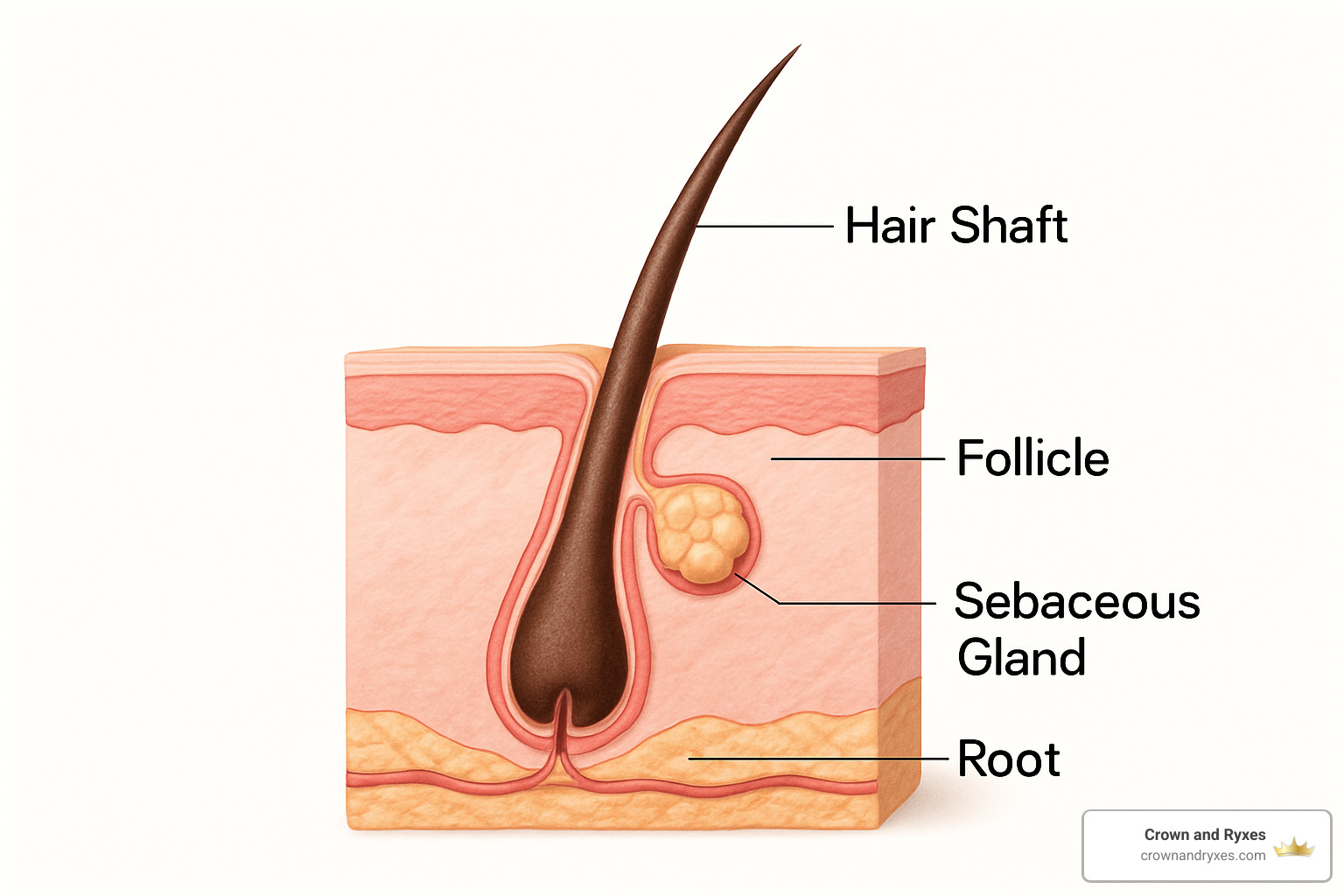
Your scalp houses about 100,000 hair follicles, and losing 50-100 hairs daily is perfectly normal (yes, those strands in your shower drain aren’t always cause for concern!). It’s when that number increases or when hair stops regrowing that the real problem begins.
So what’s behind those empty follicles? Several culprits might be at play:
Androgenetic Alopecia is the scientific name for what most of us call pattern baldness. It’s the most common cause of hair loss, linked to both your family tree and hormones – particularly DHT, which can gradually shrink your follicles until they stop producing hair altogether.
Telogen Effluvium sounds complicated, but it’s essentially your body’s response to stress. After a physical shock (surgery, extreme weight loss) or emotional upheaval, a large number of follicles suddenly enter “rest mode,” leading to noticeable shedding. The good news? This type is usually temporary.
Your immune system can also turn against your hair follicles in conditions like alopecia areata, creating distinct patchy hair loss that can be emotionally challenging.
Hormonal fluctuations from pregnancy, menopause, or thyroid disorders often show up on your scalp before anywhere else. Your hair is surprisingly sensitive to these internal changes.
Don’t underestimate the importance of proper nutrition either. Lacking essential nutrients like iron, zinc, biotin, or protein can leave your hair literally starving for what it needs to grow strong.
Many common medications list hair loss as a side effect – from cancer treatments to blood pressure pills and antidepressants. And those tight ponytails or hot styling tools? They can lead to traction alopecia if overused.
Key Triggers & Who’s Most Affected
Hair loss doesn’t play favorites, but it does follow patterns across different groups:
For men, the journey typically begins with that telltale receding hairline and thinning crown, gradually forming an “M” shape that expands over time. By the big 5-0, about half of all men notice significant thinning – though many see changes much earlier.
Women experience a different pattern – usually overall thinning, especially at the crown, while maintaining their frontal hairline. Around 40% of women notice thinning by age 50, with risk climbing after menopause.
Those with thyroid issues often see hair changes as an early symptom. Women face these challenges 5-8 times more frequently than men, making regular thyroid screening important for those with unexplained hair loss.
New moms aren’t imagining things – postpartum hair loss affects up to half of women after giving birth. Those falling estrogen levels that helped maintain luxurious pregnancy hair suddenly drop, leading to temporary shedding that typically resolves within a year.
Medication-induced hair loss isn’t limited to chemotherapy. Many everyday prescriptions can trigger shedding, including blood thinners, certain antidepressants, and some heart medications.
Understanding your specific hair loss trigger is crucial for finding the right hair restore approach. At Crown and Ryxes, we believe in thorough assessment before treatment – because knowing why your hair is thinning is the first step toward helping it grow again. According to the American Academy of Dermatology, identifying the underlying cause dramatically improves treatment success rates.
Non-Surgical Hair Restore Solutions
For many people experiencing hair loss, non-surgical options provide an excellent first line of defense. These treatments can slow hair loss, strengthen existing hair, and in many cases, stimulate new growth without the need for surgery.
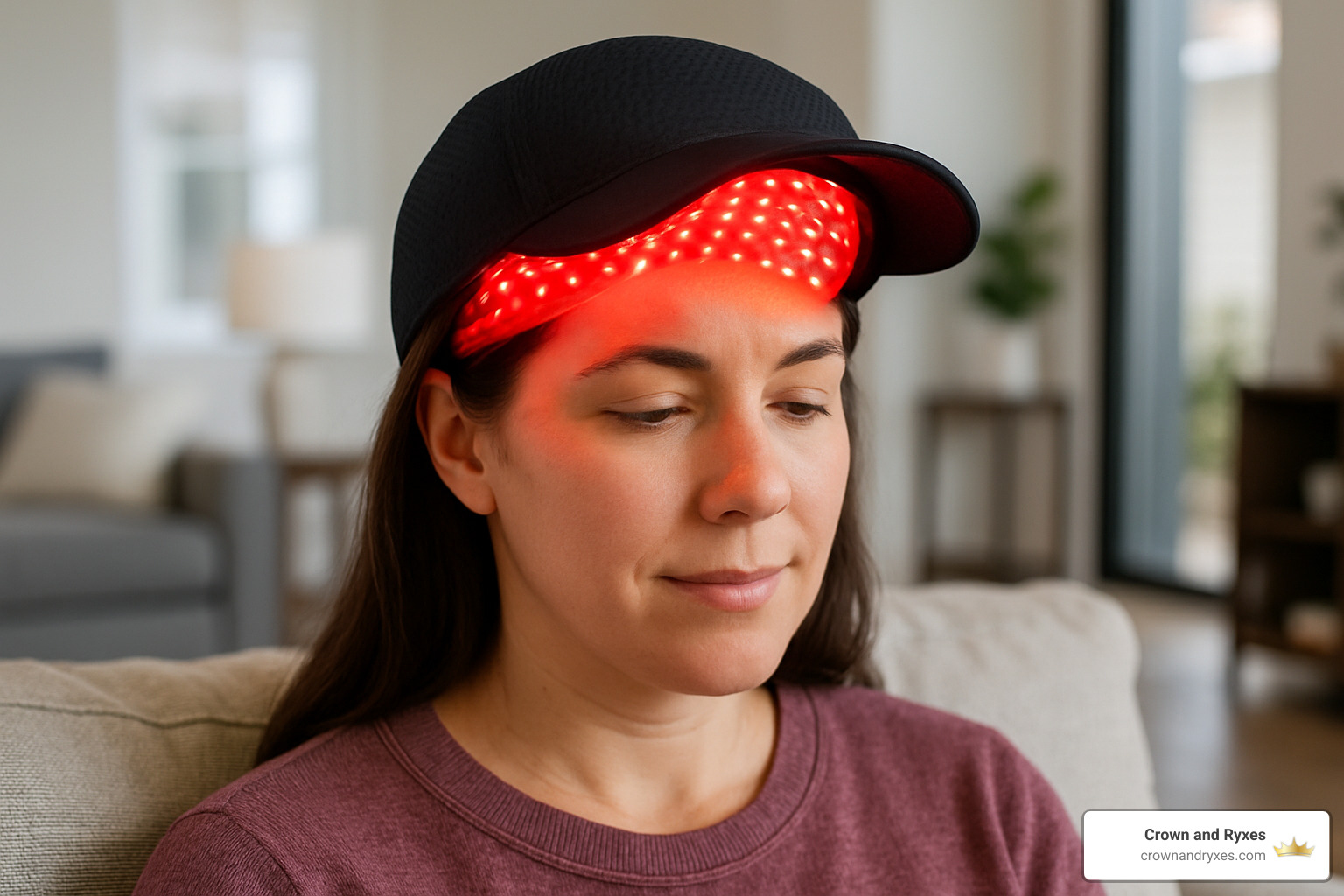
Let’s face it—losing your hair can feel like losing a part of your identity. The good news? You don’t necessarily need surgery to see real improvements. At Crown and Ryxes, we’ve helped countless clients regain their confidence through effective non-surgical approaches.
Topical treatments like Minoxidil (Rogaine) remain the gold standard for many people. The 5% formulation works wonders by extending your hair’s growth phase and boosting blood flow to your scalp. Many of our clients report less shedding within just weeks of starting treatment. For improved results, we sometimes recommend prescription formulations that combine minoxidil with other powerful ingredients like finasteride or anti-inflammatory compounds.
Nutraceuticals are another powerful weapon in your hair restore arsenal. Products like Nutrafol and Viviscal deliver targeted nutrition directly to your follicles. These aren’t your average vitamins—they’re comprehensive formulas backed by impressive research. One client told me, “I was skeptical at first, but after four months, even my hairdresser noticed the difference!”
Have you heard about low-level laser therapy (LLLT)? These FDA-cleared devices might look a bit futuristic, but the science behind them is solid. They work by stimulating cellular energy production in your follicles, essentially waking up dormant hairs. A 2019 study confirmed what we’ve been seeing in practice: significant improvements in both hair density and regrowth for men and women alike. Our clients particularly love the convenience of laser caps that can be used while working from home or watching TV.
For those seeking more intensive treatment without surgery, Platelet-Rich Plasma (PRP) offers remarkable results. This treatment uses your body’s own healing factors to refresh your scalp. After a simple blood draw, we concentrate your platelets and inject them precisely where you need growth. The growth factors get right to work, improving blood supply and nutrient delivery to struggling follicles.
Don’t underestimate the power of simple scalp therapies, either. A regular 4-minute scalp massage can work wonders by improving blood flow and reducing tension. And certain essential oils have shown promising results—rosemary oil, for instance, has performed similarly to 2% minoxidil in clinical studies. These natural approaches can complement other treatments or serve as gentle first steps.
Your lifestyle choices matter tremendously in your hair restore journey. Eating foods rich in protein, iron, zinc, vitamin D, and omega-3s creates the nutritional foundation for healthy hair. Managing stress through meditation or adequate sleep can prevent stress-triggered shedding. And treating your existing hair gently—avoiding tight ponytails, harsh chemicals, and excessive heat—protects what you already have.
Hair Restore Timeline Without Surgery
When starting on a non-surgical hair restore program, patience truly is a virtue. Here’s what most of our clients experience:
During the first 1-2 months, you’ll likely notice less hair in your shower drain or on your pillow, but visible regrowth takes more time. Around the 3-4 month mark, those tiny, fine “baby hairs” start appearing in previously thinning areas. This is when many clients first feel that surge of hope!
The 6-month milestone is when minoxidil users typically see the most dramatic improvements in density and coverage. By 12 months, you’ll achieve maximum results from most non-surgical treatments—though maintenance is key to preserving your gains.
Consistency is absolutely crucial. Skipping applications or treatments can quickly undo your progress. Think of your hair restore routine as brushing your teeth—it needs to become a non-negotiable part of your daily life.
Safety & Side Effects Snapshot
Most non-surgical hair restore treatments boast excellent safety profiles, but it’s important to know what to expect.
With topical minoxidil, some people experience temporary scalp irritation, dryness, or flaking. Don’t be alarmed if you notice increased shedding during the first few weeks—this “shedding phase” actually signals that the treatment is working, pushing out older hairs to make way for new growth.
Supplements occasionally cause mild digestive upset, particularly when first starting them. Taking them with food usually helps minimize any discomfort.
Laser therapy stands out for its remarkable safety record. Side effects are extremely rare, though we don’t recommend it if you have certain photosensitive conditions or take medications that increase light sensitivity.
PRP might cause brief tenderness or swelling at injection sites, but these typically resolve within 24-48 hours. Many clients return to work immediately after treatment.
At Crown and Ryxes, we carefully review your medical history and current health status before recommending any hair restore treatment. Your safety is always our top priority, and we’ll help you steer any minor side effects that might occur along your journey to thicker, healthier hair.
Looking for more information? Check out our comprehensive resources on A Comprehensive Guide to Laser Hair Therapy Effectiveness, Hair Restoration Natural Solutions, and Non-Surgical Hair Restoration Options.
Surgical Hair Restore: FUT, FUE & Beyond
When non-surgical options haven’t given you the results you’re hoping for, surgical hair restore procedures offer a permanent solution that can truly transform your appearance and confidence. The good news? These techniques have come a long way in recent years, delivering incredibly natural-looking results that even your hairstylist might not detect.
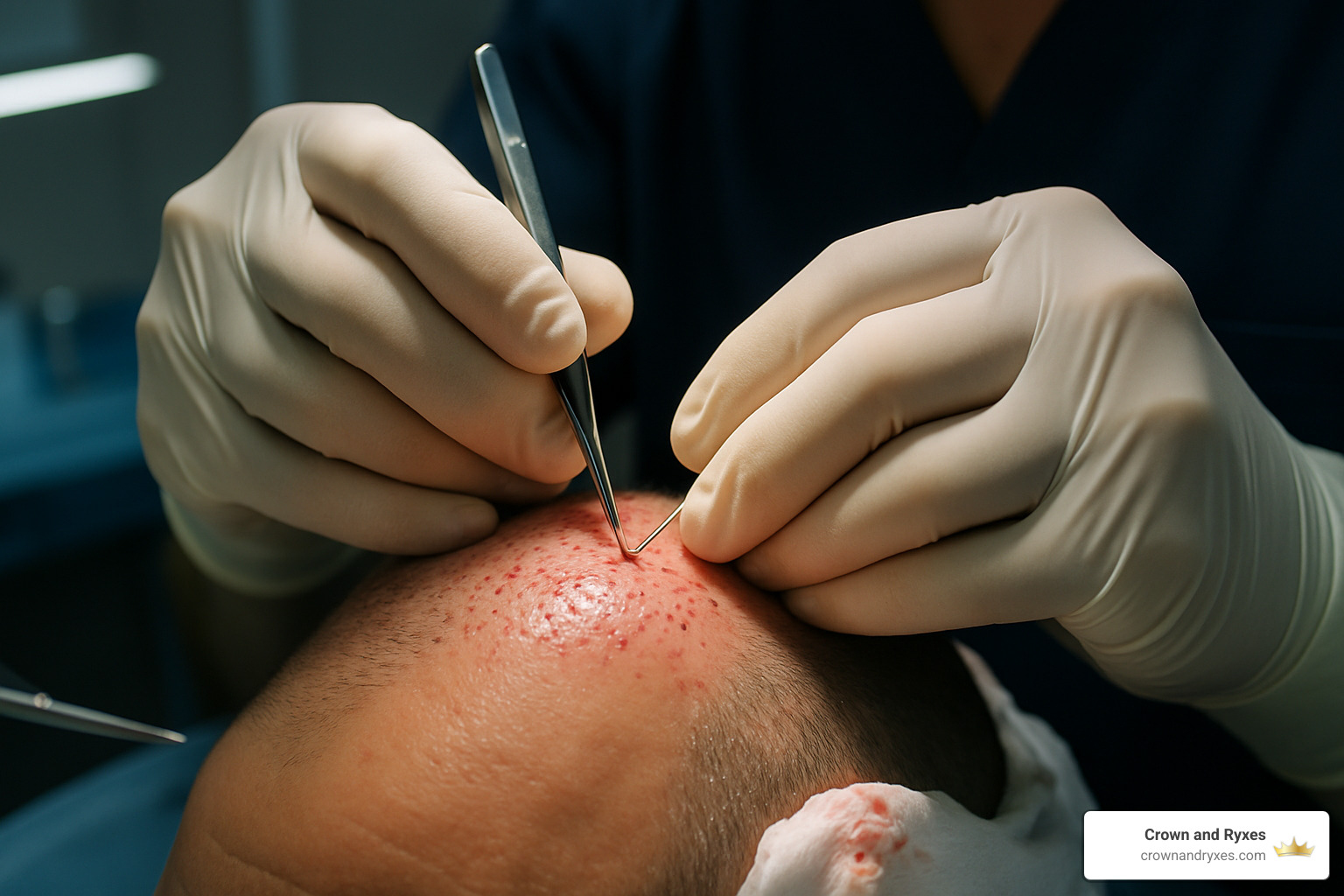
Let’s explore the two main surgical approaches that have helped thousands regain their hair and confidence:
Follicular Unit Transplantation (FUT)
Often called the “strip method,” FUT is like transplanting tiny gardens of hair from one part of your scalp to another. The surgeon removes a narrow strip of hair-bearing skin from the back of your head (where hair is typically resistant to balding), then carefully divides it into individual follicular units containing 1-4 hairs each.
These natural hair groupings are then placed into tiny recipient sites created in your thinning areas. While effective, this method does leave a linear scar at the donor site, though it’s typically covered by your surrounding hair.
Follicular Unit Extraction (FUE)
FUE represents the more advanced approach to hair restore surgery. Rather than removing a strip, this method harvests individual follicular units directly from your donor area using specialized micro-punches. The result? No linear scar—just tiny dot-like marks that become virtually invisible once healed.
One of the most exciting innovations is the “No-Shave” technique, which allows you to keep your existing hair during the procedure. This means you can return to work or social activities much sooner without anyone noticing you’ve had work done.
| Feature | FUT (Strip Method) | FUE |
|---|---|---|
| Procedure Time | 4-8 hours | 4-8 hours (may require multiple sessions for large areas) |
| Scarring | Linear scar | Tiny dot scars, virtually invisible |
| Recovery Time | 10-14 days | 5-7 days |
| Post-Op Pain | Moderate | Minimal |
| Graft Yield | Can harvest many grafts in one session | May require multiple sessions for equivalent graft count |
| Suitable For | Larger areas of baldness | Smaller areas or those wanting to wear hair very short |
| Average Cost | $4,000-$8,000 | $6,000-$15,000+ |
At Crown and Ryxes, we’ve made advanced FUE techniques our specialty. Our gentle approach minimizes discomfort and downtime while maximizing natural-looking results. You’ll be comfortable throughout the procedure thanks to local anesthesia, and many of our patients are pleasantly surprised by how painless the experience actually is.
Hair Restore Outcomes & Risks
I always tell my patients that patience is the key to successful hair restore surgery. Here’s what you can realistically expect:
Your journey will begin with what seems like a setback—most transplanted hairs shed within 2-3 weeks after surgery. Don’t panic! This is completely normal and part of the process. New growth typically begins around months 3-4, with noticeable improvement by months 6-8. Your final results will continue to develop, with the complete picture emerging about 12-18 months after your procedure.
The success rates for properly selected candidates exceed 95%, and the results are permanent because the transplanted follicles maintain their genetic resistance to the hormones that caused your original hair loss.
Of course, every medical procedure comes with some potential risks. These include temporary “shock loss” (where some existing hairs near the transplant sites temporarily fall out), infection (rare with good aftercare), scarring (minimal with FUE), and the possibility of unnatural appearance if not properly planned. The good news is that an experienced surgical team can minimize all these risks.
The key to successful hair restore outcomes isn’t just technical skill—it’s proper candidate selection and thoughtful surgical planning. At Crown and Ryxes, we take the time to thoroughly evaluate each patient, ensuring they’re suitable candidates before recommending surgical intervention. We’ll never suggest a procedure unless we believe it will give you the natural, confidence-boosting results you deserve.
Want to see what’s possible? Check out our Hair Transplant Success Stories featuring real patients and their life-changing results.
Getting Started with Hair Restore (Costs, Consults & FAQs)
Ready to take the next step on your hair restore journey? Finding the right solution starts with a personalized consultation that addresses your unique needs and concerns.

At Crown and Ryxes, we believe in creating a warm, judgment-free environment where you can openly discuss your hair restoration goals. Our consultations aren’t just about evaluating your hair—they’re about understanding you as a whole person and crafting solutions that fit seamlessly into your life.
When you visit us, we’ll take time to examine your scalp condition, document your current hair density, and discuss any factors that might be contributing to your hair loss. We’ll review your medical history, including medications that could affect treatment outcomes, and capture detailed photos to track your progress over time.
The best part? This comprehensive initial evaluation comes at no cost to you. We want to remove barriers to getting the information you need to make confident decisions about your hair health.
Hair Restore Consultation Checklist
Coming prepared helps us make the most of your consultation time. Before your appointment, try to gather:
Your medical timeline – Jot down relevant health conditions, medications you’re taking, and any previous hair treatments you’ve tried. Those antibiotics from six months ago might be more relevant than you think!
Visual history – Those old photos gathering dust? Bring them along! Pictures of yourself before hair loss help us understand your natural hair patterns and set realistic restoration goals.
Daily habits – Be ready to chat about lifestyle factors like diet, stress levels, and hair care routines. Sometimes small adjustments here can make a big difference.
Questions and concerns – Write down what’s on your mind, whether it’s about procedure pain, recovery time, or how soon you’ll see results. No question is too small or silly—we’re here to address them all.
Budget considerations – Having a general idea of what you’re comfortable investing helps us recommend appropriate options without wasting your time.
Cost Considerations
Let’s talk numbers—because we know that’s an important part of your decision-making process.
Non-surgical hair restore treatments range widely in price. Monthly options like minoxidil ($10-$50) and premium supplements like Nutrafol ($40-$90) represent ongoing investments in your hair health. One-time purchases like laser therapy devices typically cost between $300-$3,000 depending on the technology. PRP treatments, which harness your body’s natural healing abilities, generally run $500-$2,000 per session, with most patients benefiting from 3-4 sessions.
For those considering surgical solutions, FUT (strip method) procedures typically range from $4,000-$8,000, while more advanced FUE techniques generally cost between $6,000-$15,000+, depending on the number of grafts needed and the specific techniques used.
While most insurance plans don’t cover cosmetic hair restore procedures, we offer flexible payment plans that make treatment more accessible. And for patients whose hair loss stems from medical conditions, we can help explore potential insurance coverage options.
Hair Restore FAQs
What happens during my first consultation?
Your initial visit is conversation-focused—no procedures, just discussion and evaluation. We’ll examine your scalp, take photos for our records, discuss your goals, and outline potential treatment paths. Think of it as a friendly chat with experts who genuinely want to help.
How quickly will I see results?
Patience is key with hair restore treatments. Non-surgical approaches typically show initial improvements within 3-6 months of consistent use. Surgical results follow a timeline of their own: transplanted hairs shed within 2-3 weeks (totally normal!), new growth begins around month 3-4, with significant improvements visible by months 6-8 and final results appearing 12-18 months post-procedure.
Can I combine different treatments?
Absolutely! In fact, we often recommend combination approaches for optimal results. Many of our patients use minoxidil and laser therapy to improve their surgical results, or combine supplements with topical treatments for non-surgical approaches. Your customized plan might include several complementary therapies working together.
Will my results look natural?
Today’s hair restore techniques are light-years ahead of the “pluggy” look of decades past. Our team at Crown and Ryxes specializes in creating results that mimic nature’s design—matching your hair’s natural angle, direction, and distribution. Most people won’t know you’ve had anything done unless you choose to tell them.
Is recovery painful?
Most non-surgical treatments cause minimal discomfort—perhaps some mild scalp tingling with minoxidil or warmth during laser therapy. Surgical procedures are performed under local anesthesia, keeping you comfortable throughout. Recovery from modern FUE typically involves mild discomfort for just 1-3 days, easily managed with over-the-counter pain relievers.
How much work will I miss?
Most patients return to desk jobs within 2-3 days after FUE procedures. If your job involves heavy physical activity or you’re in the public eye, you might want to schedule 5-7 days of downtime. Many of our patients schedule their procedures before a weekend to minimize work disruption.
Ready to take the next step? The team at Crown and Ryxes is here to guide you through every phase of your hair restore journey. From your first consultation to celebrating your results, we’re committed to providing compassionate care and natural-looking outcomes that help you feel like yourself again.
For more information about our approach to hair restoration, visit our detailed Hair Loss Treatments page or explore scientific research on treatment options from trusted medical sources.
Conclusion: Your Hair Restore Journey
Hair restore treatments have never been more effective or accessible than they are today. Whether you’re just noticing thinning or have been dealing with hair loss for years, solutions exist that can help you regain not just your hair, but the confidence that comes with it.

The journey to fuller hair is personal and unique for everyone. What works wonderfully for one person might not be the perfect solution for another. That’s why at Crown and Ryxes, we take the time to understand your specific concerns, pattern of loss, and lifestyle before recommending a treatment path.
Patience is essential when it comes to hair restore treatments. Hair growth follows natural biological timelines that can’t be rushed, but with consistency and the right approach, impressive results are absolutely achievable. Most patients begin seeing meaningful improvements within 3-6 months, with continued improvement over time.
Setting realistic expectations is crucial for satisfaction with your results. While modern treatments can dramatically improve hair density and appearance, understanding the possibilities and limitations for your unique situation will help you approach your journey with confidence.
The most successful hair restore outcomes often come from combining multiple approaches. For instance, many of our patients achieve optimal results by using minoxidil and laser therapy alongside nutritional support, or by maintaining their surgical results with ongoing non-surgical treatments.
Early intervention makes a significant difference in hair restoration success. The sooner you address thinning hair, the more options you’ll have available and the better your potential outcomes. Hair follicles that have been dormant for many years are harder to revitalize than those that have only recently stopped producing hair.
At Crown and Ryxes, our team in Clermont, FL and The Villages, FL is dedicated to providing personalized care throughout your hair restore journey. We understand that hair loss affects more than just your appearance—it impacts how you feel about yourself and how you interact with the world.
We invite you to schedule a consultation to discuss your hair restore options in a comfortable, judgment-free environment. Our experienced providers will take the time to answer all your questions and help you choose the approach that best fits your needs, goals, and budget.
For more information about our comprehensive hair restore treatments, including our advanced laser hair therapy options, visit our laser hair therapy page or contact us today to begin your change.
Your hair restoration journey doesn’t have to be traveled alone. With the right support, guidance, and treatment plan, you can look forward to seeing a fuller, more confident version of yourself in the mirror again.