

Hair loss can be difficult for many individuals, impacting their self-confidence and overall well-being. In recent years, hair transplants have become a popular solution for those looking to restore a fuller head of hair. However, the decision to undergo a hair transplant is not one to be taken lightly. It requires careful consideration and understanding of the transformation process before and after the procedure.
This comprehensive guide will delve into all aspects of hair transplant before and after, providing valuable information to help you make an informed decision. So, let us embark on this journey together to discover the transformative power of a hair transplant.
What is a Hair Transplant
Hair transplant is a surgical procedure that involves taking hair follicles from one part of the body, usually the back or sides of the scalp, and implanting them onto areas with thinning or balding. This process mimics natural hair growth patterns and provides a permanent solution for individuals experiencing receding hairline or hair loss. The most common type of hair transplant is called Follicular Unit Extraction (FUE), where individual follicular units are extracted and transplanted.
This method allows for a more natural-looking result than older techniques, such as strip harvesting, which can leave visible scarring on the scalp. In addition, FUE hair transplantation is less invasive and has a shorter recovery time than other methods.
Hair Transplant Procedure
There are some steps to undergo before and after the hair transplant procedure. Here are a few things you should know about the process:
Consultation
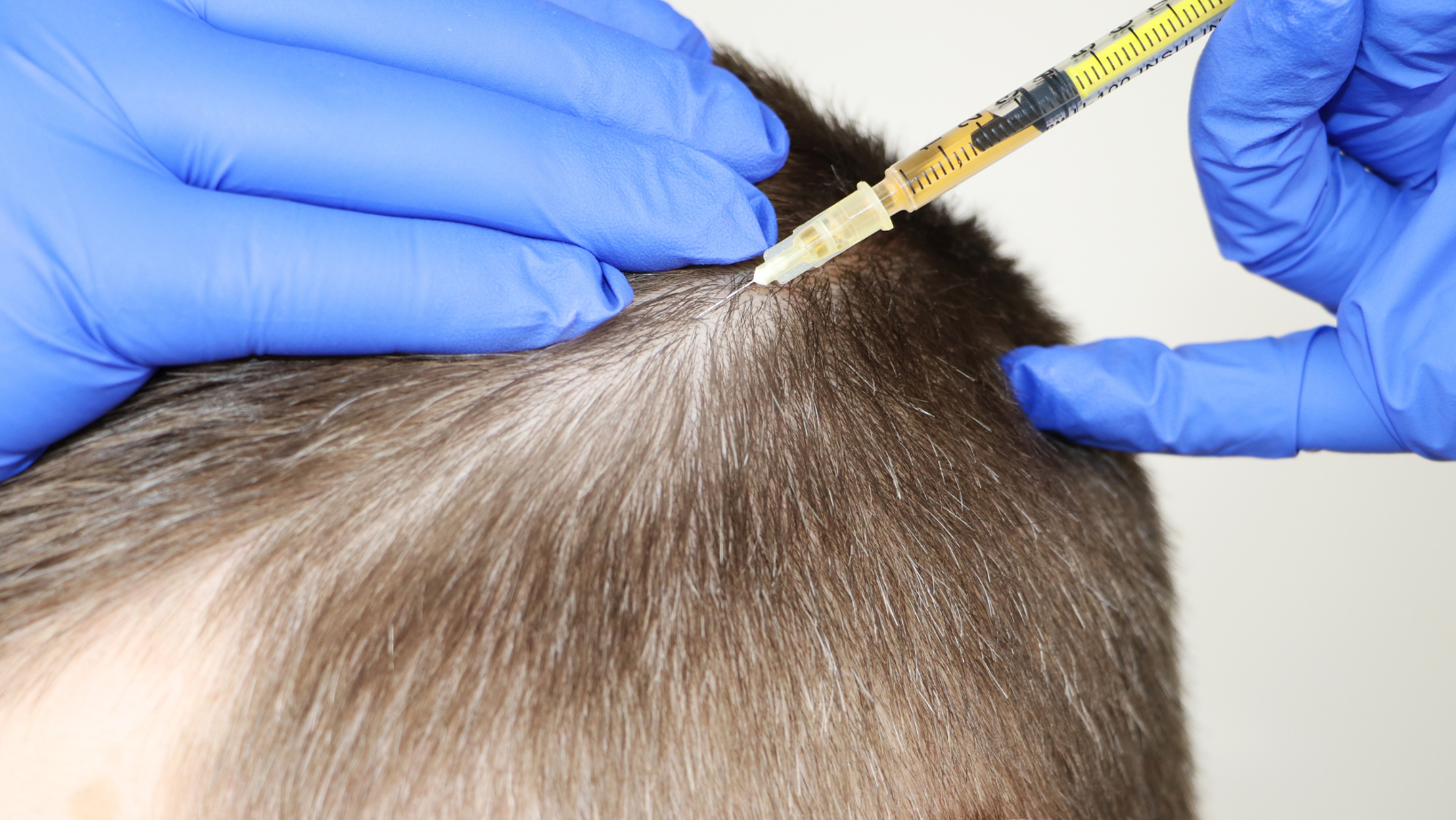
Before undergoing a hair transplant, scheduling a consultation with a reputable and experienced hair transplant surgeon is crucial. During this initial meeting, you will have the opportunity to discuss your concerns, medical history, and expectations for the procedure. The surgeon will also evaluate your scalp’s condition and determine your suitability for hair restoration.
For instance, an alternative treatment may be recommended if you have significant hair loss. The consultation is also the perfect time to ask questions and address concerns about the procedure. Your surgeon will provide you with all the necessary information to make an informed decision about your hair transplant journey.
Pre-Operative Instructions
Following your initial consultation, your surgeon will provide you with a set of pre-operative instructions to prepare for your hair transplant procedure. These guidelines are crucial as they guarantee a successful operation and smooth recovery. For instance, you may be advised to stop certain medications, such as blood thinners, to prevent excessive bleeding during the procedure.
Similarly, smoking and alcohol, which can hinder the healing process, should be avoided for a period before the surgery. It is also typically recommended to wash your hair thoroughly on the day of the operation to minimize the chances of infection. Following these instructions will help ensure the best possible outcome for your hair transplant.
Hairline Design
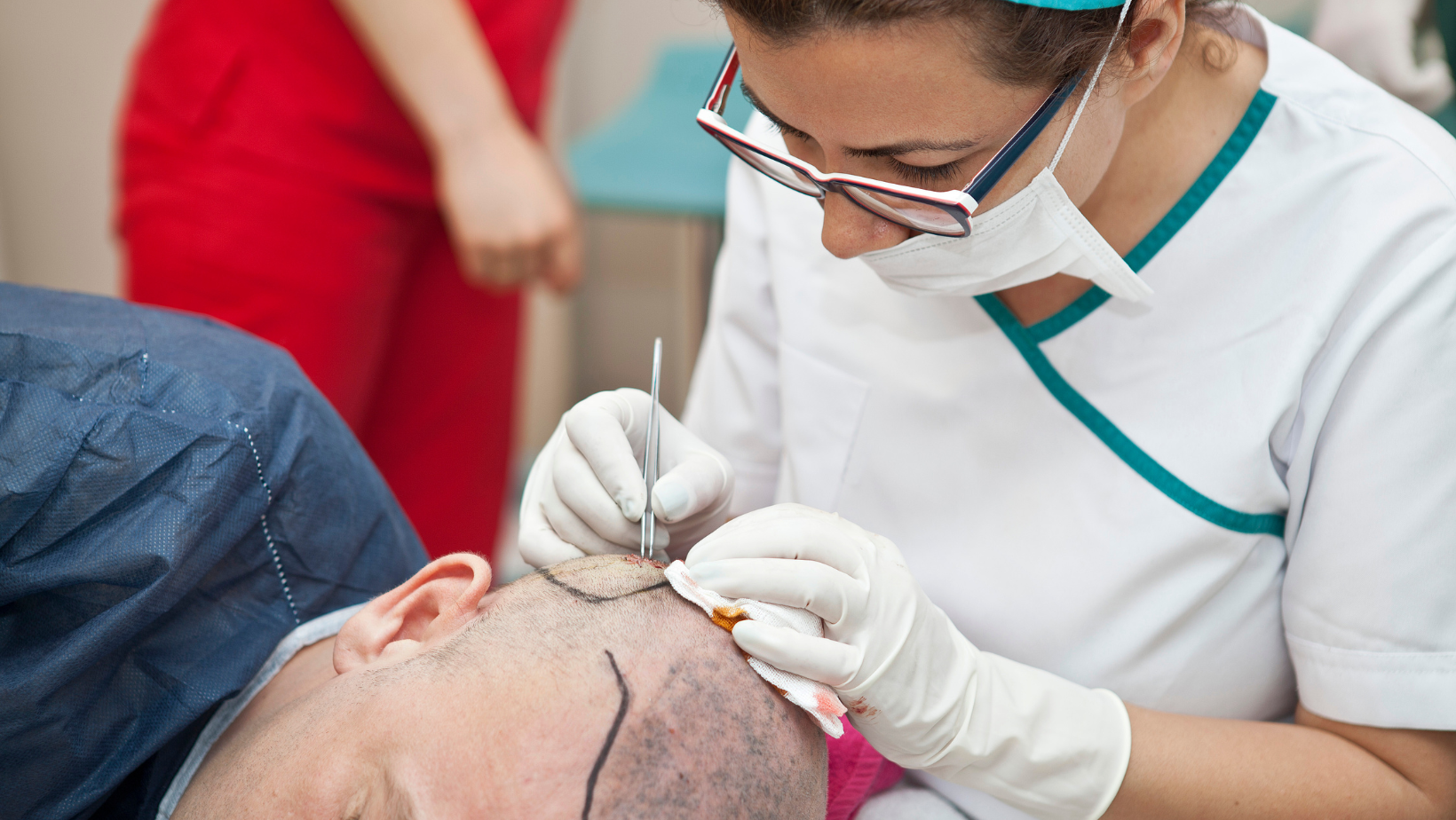
Before your surgeon commences the hair transplant procedure, a crucial step is designing your new hairline. This art process demands precision, aesthetic understanding, and professional judgment. The aim is to create a hairline that harmoniously blends with your facial features, age, and ethnicity, ensuring a natural-looking result.
For instance, a well-designed hairline will not be perfectly straight but have subtle irregularities mimicking a natural hairline. During this stage, your surgeon will mark the intended hairline on your scalp.
Hair Graft Extraction
The hair graft extraction phase is vital in the hair transplant procedure, requiring the surgeon’s utmost precision and expertise. During this stage, your surgeon extracts follicular units (clusters of 1-4 hairs) from the donor area, typically at the scalp’s back or sides. This selected region is known for its resistance to hair loss and, thus, provides an ideal reservoir of healthy hair follicles for transplantation.
The extraction process is facilitated by using specialized micro-needles and a high-power stereo microscope, ensuring that the process is conducted with minimal damage to the hair follicles. The surgeon’s skill is key here: each graft must be meticulously extracted to preserve essential structures and maximize the potential for growth in the recipient area.
Graft Preservation
After the hair follicles are extracted, they must be carefully preserved until they are ready to be transplanted. This is a crucial step in ensuring the success of your hair transplant procedure. The extracted grafts are stored in a specialized solution that mimics the body’s natural environment to keep them healthy and viable. The longer the grafts remain out of the body, the less likely they are to survive, so it is essential to preserve them until they can be transplanted carefully.
For example, if you are a hair transplant patient, and your surgeon has just completed the extraction phase. The number of grafts removed from your scalp are immediately placed in the preservation solution to ensure survival. This step requires precision and attention to detail to guarantee the best possible outcome for your hair transplant.
Implantation
Once the grafts have been extracted and preserved, it is time for the implantation phase of the hair transplant procedure. During this stage, your surgeon will use specialized micro-needles to create tiny incisions in the recipient area, where the hair follicles will be placed.
The number and placement of these incisions are crucial as they determine the density, direction, and angle of hair growth. These factors are vital to achieve a natural-looking result that blends seamlessly with your existing hair. The grafts are then carefully inserted into these tiny incisions to ensure maximum survival and optimal growth.
What Are the Long-Term Results Expected After a Hair Transplant?

After undergoing a hair transplant procedure, it is essential to have realistic expectations for the long-term results. Here are a few things you should know about the transformation that takes place before and after a hair transplant:
Hair Growth
During the first few months after your hair transplant, it is normal to experience some shedding and minimal hair growth as your scalp adjusts to the new follicles. However, within 3-6 months, you should start noticing significant hair growth in the transplanted area. By one year post-surgery, most patients see a full head of healthy and natural-looking hair.
Remember that everyone’s hair growth pattern differs, so don’t be discouraged if your results take longer. For example, you may have a denser head of hair than someone else who underwent the same procedure, or it may take slightly longer for your transplanted hair to grow. Your surgeon will provide personalized advice and timelines based on your unique case, ensuring that you have realistic expectations for your hair transplant before and after transformation.
Natural-Looking Results
When it comes to hair transplants, one of the most significant concerns for patients is whether or not the results will look natural. After all, no one wants an obvious and noticeable “hair transplant” look. However, with advancements in technology and techniques, modern hair transplant procedures can provide incredibly natural-looking results.
For example, a skilled surgeon will carefully design your hairline to match your facial structure and create irregularities to mimic a natural hairline. Additionally, specialized tools and techniques ensure that the transplanted hair grows in the same direction as your existing hair, further enhancing the natural appearance. With proper care and maintenance, no one should be able to tell that you have had a hair transplant!
Permanent Results
Write a long, engaging paragraph for the title above, and sound like a professional writer. Add a relevant example and use 2nd person to help the reader feel like they are receiving personalized advice.
One of the most significant advantages of a hair transplant procedure is that it provides permanent results. Unlike temporary solutions like wigs or hairpieces, a hair transplant uses your own healthy hair follicles to restore natural-looking hair growth in areas affected by baldness or thinning. These transplanted hairs will continue to grow and thrive for the rest of your life, just like the hair on the rest of your scalp.
For example, your surgeon has just completed your hair transplant, and you are thrilled with the results. Over time, as you age, it is natural for your existing hair to thin or fall out. However, the transplanted hairs will remain unaffected by this natural process and grow healthily, ensuring a permanent transformation. This means you can enjoy a full head of hair without worrying about future hair loss, making a hair transplant an excellent long-term solution.
Benefits of a Hair Transplant
Besides the obvious aesthetic transformation, there are many other benefits to undergoing a hair transplant procedure. Here are some reasons why people choose to have a hair transplant:
Boost in Confidence
One of the most significant benefits of a hair transplant is the boost in confidence that it can provide. For many people, hair loss or thinning hair can significantly impact their self-esteem and feelings about themselves. However, with a successful hair transplant, you can restore your natural hairline and regain a full head of healthy-looking hair.
This transformation can greatly boost your confidence and self-image, making you feel more comfortable in social situations or while pursuing personal goals. For example, hair transplants have helped many people feel confident enough to pursue their dream job or even enter the dating scene with newfound confidence. Your hair transplant before and after transformation can significantly boost overall happiness and satisfaction in life.
Permanent Solution to Hair Loss
Another significant benefit of a hair transplant is that it is a permanent solution to hair loss. Unlike other temporary solutions like medication or topical treatments, a hair transplant offers a long-term solution to baldness and thinning hair. This means you can say goodbye to constantly worrying about your hair and trying different products or treatments.
For example, if you have been struggling with hair loss for years and have finally decided to undergo a hair transplant, you can look forward to permanent results. Your transplanted hairs will continue to grow and thrive for the rest of your life, eliminating the need for frequent treatments or maintenance. This long-term solution can provide peace of mind and save time and money in the long run.
Cost-Effective
At first glance, a hair transplant may seem like a significant investment. However, compared to other temporary solutions and the long-term maintenance cost, a hair transplant can be very cost-effective. For example, constantly purchasing expensive medications or treatments for hair loss can add up over time. In contrast, a one-time hair transplant can provide permanent results, saving you money in the long run.
A hair transplant can save you money on other aesthetic procedures related to hair loss. For example, many people with thinning hair or bald spots may consider getting scalp micropigmentation (SMP) to create the illusion of thicker hair. However, this treatment can be costly and requires regular touch-ups. You can achieve natural-looking results with a hair transplant without additional procedures or treatments.
Low Maintenance
Another benefit of a hair transplant is that it requires very little maintenance after the initial procedure. Unlike temporary solutions like wigs or hairpieces that require daily upkeep and replacement, transplanted hairs behave like your existing hair. This means you can simply wash, style, and care for your hair as usual without any extra maintenance.
For example, using specialized shampoos or avoiding certain hairstyles to maintain a wig can be time-consuming and expensive. With a hair transplant, you don’t have to worry about additional maintenance, making it a convenient and hassle-free solution for hair loss.
Risks and Considerations
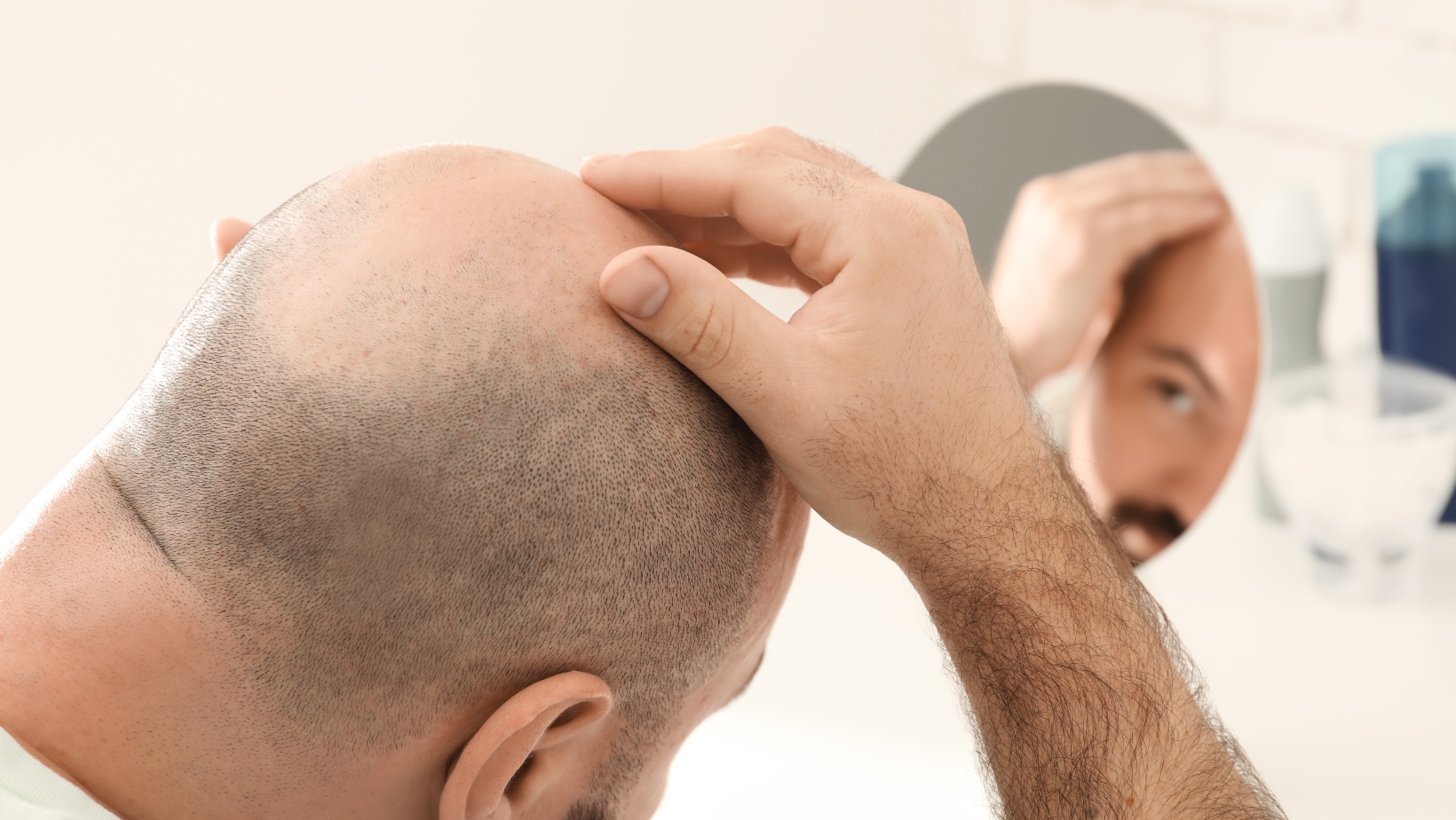
Before undergoing any cosmetic procedure, it is crucial to understand the potential risks and considerations involved. While hair transplant procedures have a high success rate, discussing your medical history and expectations with a qualified surgeon before deciding on surgery is essential. Below are factors to consider:
Potential Side Effects
As with any medical procedure, a hair transplant carries potential side effects and risks. These can include temporary swelling or bruising around the surgical site, mild discomfort during recovery, and minor scarring. However, these side effects are typically minimal and resolve independently within a few weeks.
In rare cases, there is a risk of infection at the transplant site or an allergic reaction to the anesthesia. Choosing a reputable and experienced surgeon and carefully following all post-operative care instructions are crucial to minimize these risks. For example, you should avoid scratching or picking at the surgical site and take any prescribed medications as directed. Following these precautions can greatly reduce the chances of experiencing any serious side effects from your hair transplant procedure.
Time Commitment
Another consideration when undergoing a hair transplant is the time commitment involved. While the surgery may only take a few hours, recovery can last several weeks. You may experience swelling and discomfort at the surgical site and need to take a few days off work to rest and recover.
Additionally, your transplanted hairs may take up to 12 months to fully grow and achieve their final appearance. Therefore, patience is key when undergoing a hair transplant, and you should carefully consider your schedule and any upcoming events or commitments before scheduling the procedure.
Cost
As mentioned earlier, a hair transplant can be cost-effective in the long run. However, the initial cost of the surgery may still be a significant investment for some individuals. The cost of any hair transplant method can vary depending on factors such as the extent of the procedure, the surgeon’s experience and reputation, and the location.
Researching and comparing different clinics and surgeons is essential before ensuring you are getting the best value for your money. Some clinics may offer financing options or payment plans to make the cost more manageable. However, it is crucial not to compromise on quality for a lower price, as this can increase the risk of complications or unsatisfactory results.
Results and Expectations
While a hair transplant surgery can provide significant, long-term results, it is essential to have realistic expectations about the outcome. For example, a hair transplant cannot restore a full head of hair if you have advanced stages of baldness or very thin donor hair. Your surgeon can assess your hair loss and determine the best action to achieve your desired results.
Additionally, it is crucial to have realistic expectations about the recovery process. As mentioned earlier, transplanted hairs can take up to 12 months to grow and fully achieve their final appearance. This means that you may not see immediate results after the surgery and must be patient and committed to recovery.
Conclusion
A hair transplant can be an excellent solution to hair loss, offering permanent and natural-looking results. It is a cost-effective solution in the long run and requires minimal maintenance. However, like any medical procedure, it comes with potential risks and considerations that should be weighed carefully.
Side effects are usually minimal and temporary, but committing to the recovery time and maintaining realistic expectations about the results is important. Your doctor can guide you through the process and help you determine whether a hair transplant is the right solution. Always remember every individual’s hair loss journey is unique, and the best option for you will depend on your specific circumstances and desires.