

Are you struggling with hair loss and considering a hair transplant? You’re not alone. Hair loss is a common problem that affects millions of people worldwide. While there are various options available to address this issue, hair transplant surgery has become an increasingly popular choice for its effectiveness and natural-looking results.
However, choosing the right hair transplant clinic can be overwhelming, as the market is flooded with options. That’s why we’ve created this comprehensive guide to help you navigate the process and choose the best hair transplant clinic for your needs. Let’s dive in!
Why Choose a Hair Transplant Clinic?
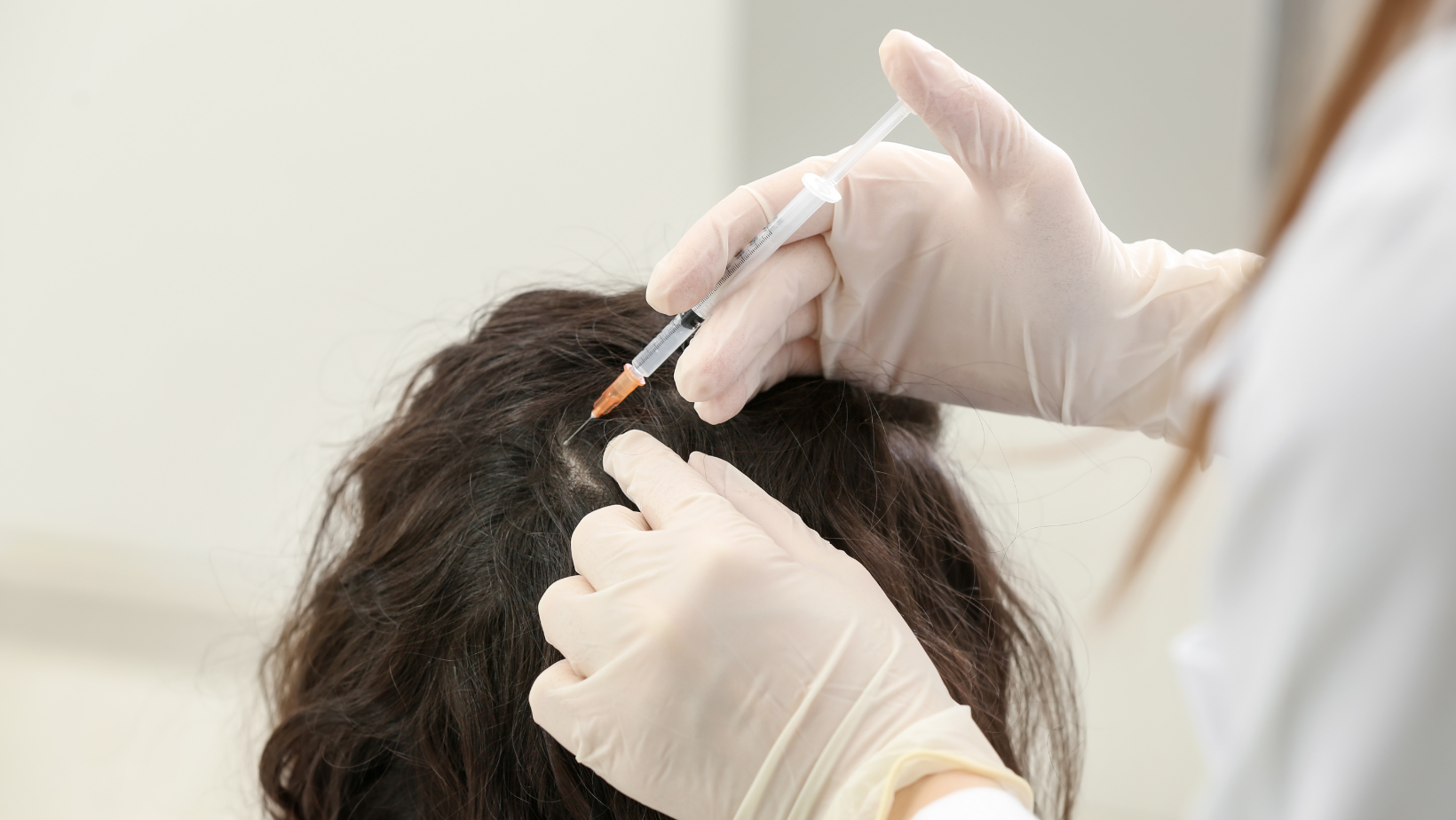
Opting for a reputable hair transplant clinic is critical to reclaiming your hair and confidence. Unlike over-the-counter hair remedies, which often offer temporary and less-than-satisfactory results, a hair transplant provides a permanent and seamless solution to hair loss. The procedure involves transplanting your own hair follicles from donor areas, typically from the back or side of your scalp, to the thinning or balding regions.
This process ensures that the transplanted hair blends naturally with your existing hairstyle, growing and behaving like your other locks. For example, patients who have undergone a hair transplant at our clinic have reported a significant boost in their self-esteem, with many confidently showcasing their new and improved hair. You can achieve natural-looking, virtually undetectable results with reputable clinics’ advanced techniques and technology.
Factors to Consider When Choosing a Hair Transplant Clinic
With so many hair transplant clinics, it’s crucial to research and carefully evaluate each option. Here are some essential factors to consider when making your decision:
Experience and Qualifications
When choosing a hair transplant clinic, one of the most critical factors is their experience and qualifications. You want to make sure that the clinic you choose has a team of highly trained and skilled professionals who specialize in hair transplant surgery. Look for clinics with experienced surgeons who have performed numerous successful procedures and have a record of satisfied patients.
For example, surgeons with years of experience and advanced training in hair transplant techniques, such as Follicular Unit Extraction (FUE) or Direct Hair Implantation (DHI), are more likely to deliver excellent results. They also have the expertise to handle any potential complications during the procedure. Make sure to research the qualifications and credentials of the surgeons at the clinic you’re considering to ensure they have the necessary skills and expertise to perform your hair transplant.
Techniques and Technology Used
Another pivotal aspect to assess when selecting a hair transplant clinic is the array of techniques and technology they employ. Advancements in medical technology have given rise to innovative hair transplant methods, such as FUE and DHI, which are less invasive, leave fewer scars, and require reduced recovery time compared to traditional techniques like Follicular Unit Transplantation (FUT). Choosing a clinic that is up-to-date with the latest hair transplant technology and consistently adopts the newest, most effective hair transplant procedures is advisable.
Additionally, the precision tools and cutting-edge equipment used during surgery can significantly enhance the quality and natural appearance of the hair restoration surgery. Clinics investing in state-of-the-art technology are committed to delivering the best possible patient outcomes. During your research, inquire about the equipment used in the clinics, the type of hair transplant methods offered, and how they are implemented to ensure they align with the most current standards of care in hair restoration.
Reputation and Reviews
When determining the suitability of a hair transplant clinic, the reputation and patient reviews should not be overlooked. A clinic’s standing is often reflected in the experiences of its previous patients, which can provide invaluable insights into the quality of care and results you can expect. Seeking online testimonials, before-and-after photos, and reviews on independent platforms can give you a more objective view of the clinic’s capabilities.
Remember to look beyond the ratings and read the comments to understand the context of patients’ experiences. Consider both positive and negative reviews to get a balanced perspective. Furthermore, a reputable clinic is typically transparent about its success stories and willing to provide references or connect you with past patients. An established track record of consistent patient satisfaction indicates that a clinic maintains high standards in hair transplantation.
Location and Accessibility
The location and accessibility of the hair transplant clinic are practical considerations that can notably impact your decision. Ideally, you’ll want to find a clinic that is conveniently located near your home or workplace to facilitate easy travel to and from post-operative appointments. Additionally, clinics situated in major cities might offer better accessibility for patients traveling from afar, including access to airports and public transportation.
Think about the logistics of getting to and from the clinic, particularly in the days immediately following your procedure when you might be less mobile and more prone to discomfort. A clinic that provides assistance with travel arrangements or accommodations can demonstrate a commitment to patient care beyond the surgical procedure. Don’t hesitate to inquire about these services and consider the added convenience they may offer when selecting.
Cost and Financing Options
While the hair transplant cost is crucial for most patients, it should not be the determining factor. Hair transplant surgery is a significant investment requiring thoughtful deliberation and financial planning. However, it is important to remember that selecting a clinic based on cost can result in subpar outcomes or complications if patient safety and quality care are not prioritized.
When researching different clinics, comparing costs and thoroughly understanding what is included in the overall price is essential. Some clinics may provide comprehensive packages that incorporate follow-up appointments, medications, or additional services, which can ultimately save money. Additionally, it is worth inquiring about financing options or payment plans if assistance is needed to manage the procedure’s cost. Remember, the cheapest alternative may not always be optimal for your health and appearance.

Consultation Process
The consultation process is a critical step in your journey toward a hair transplant. This initial meeting with the hair transplant clinic allows you to discuss your hair loss concerns and the desired outcomes and explore available options. During the consultation, expect a comprehensive examination of your hair loss pattern and a discussion about your medical history to ensure you’re a suitable candidate for the procedure.
A thorough consultation will provide a platform for assessing the expertise of the clinic’s staff but will also offer insight into the level of personalized care you can expect. It is the opportune time to ask any questions regarding the procedure, recovery, risks, and the results you can anticipate. Reputable clinics will ensure patients leave the consultation with realistic expectations and a clear understanding of the surgical process. Transparency during the consultation regarding risks, outcomes, and the number of sessions required indicates a clinic’s integrity and commitment to patient satisfaction.
Preparing for Your Clinic
Preparing for your hair transplant procedure is crucial to ensure a smooth operation and optimal results. In the weeks leading up to the surgery, it is recommended that patients do the following:
Stop Smoking
Smoking is a habit that can significantly impact your overall health and well-being. While most people are aware of the various detrimental effects smoking has on their lungs and heart, its consequences for hair transplant surgery may not be as widely known. Smoking constricts blood vessels and reduces blood flow to the scalp, affecting the amount of oxygen and nutrients reaching the transplanted follicles. This can result in thinning hair, leading to male pattern baldness.
For example, smoking can decrease the effectiveness of the hair transplant procedure by slowing down healing and increasing the risk of infection. Imagine booking a costly hair transplant surgery, going through all the pre-operative preparations, only to have it compromised due to smoking. Not only will this increase your chances of needing additional sessions in the future, but it also potentially harms your health. Therefore, it is recommended to stop smoking at least two weeks before the surgery and refrain from doing so during the recovery period.
Avoid Blood Thinners
Certain medications, supplements, and foods are known to thin the blood and increase bleeding. Before your hair transplant procedure, consult your doctor about any prescription or over-the-counter medicines you take. They may suggest stopping them temporarily to reduce the risk of excessive bleeding or bruising during and after surgery.
It is also essential to avoid blood-thinning supplements, such as fish oil, garlic, ginger, and vitamin E, for at least two weeks before the operation. These can affect blood clotting and increase the chance of complications during surgery. Additionally, it is recommended to avoid alcohol and caffeine 48 hours before the procedure, as they can also impact blood clotting and recovery.
Plan for Time Off
Taking adequate time off from work or daily activities is key to successful recovery following your hair transplant. Generally, patients are advised to take at least a week off to rest and allow the scalp to begin healing without the added stress of routine obligations. This time off will also provide a buffer to manage discomfort or swelling post-surgery.
If your job involves physical labor or puts you under direct sunlight, which can be detrimental in the early healing stages, consider extending your time off to protect the transplant area. Before scheduling your procedure, discuss with your employer your need for time away from work and check your options for sick leave or vacation time for recovery. Preparing for this absence in advance can ease your return to your daily routine and work while ensuring you give your body the rest it needs for optimal recovery.
Plan Your Post-Surgery Care
Like any surgical procedure, hair transplants require post-operative care to ensure proper healing and optimal results. Before your surgery, discuss the steps needed during recovery with your doctor. This may include using specialized shampoos or medications, avoiding certain activities or products that could irritate the scalp, or scheduling follow-up appointments.
Having someone available to take you home after the surgery and help with daily tasks for the first few days of recovery is also essential. As your scalp will be sensitive and may have some swelling, avoiding strenuous activities or wearing hats during this time is recommended. Proper post-surgery care can significantly impact your hair transplant’s success, so follow your doctor’s instructions carefully.
The Importance of Aftercare and Follow-Up
Patients often overlook the importance of aftercare and follow-up appointments following their hair transplant surgery. However, these steps are crucial in ensuring long-term results and maintaining the health of your transplanted hair. Some of the reasons why aftercare and follow-up appointments are essential include:
Monitoring Healing and Detecting Complications
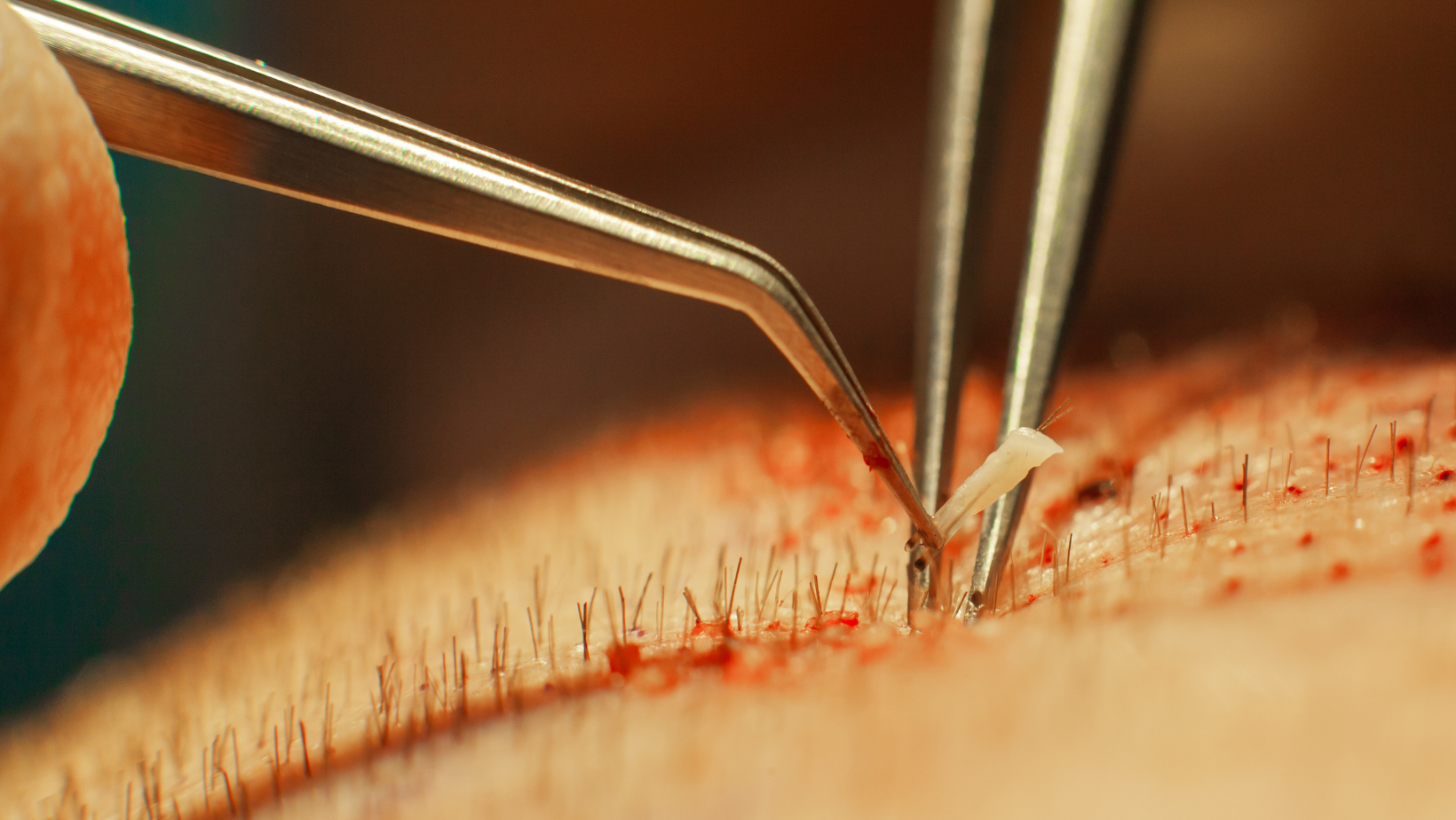
After your fue hair transplant, it is essential to closely monitor the healing process and any potential complications that may arise. This is where aftercare and follow-up appointments play a critical role. Your doctor will schedule regular check-ups to assess the progress of your recovery and identify any issues that need attention. For instance, during one of your follow-up appointments, your doctor may notice signs of infection, such as redness, swelling, or drainage from the transplant site. They can address this promptly and prescribe antibiotics if necessary, preventing further complications.
Similarly, aftercare appointments allow your doctor to monitor the growth of your transplanted hair and identify any potential issues that could affect its success. For example, they may notice a particular area of hair not growing at the same rate as the rest and provide targeted hair restoration treatment to promote its growth. Regular monitoring during aftercare appointments can ensure proper healing and a successful hair transplant outcome.
Addressing Concerns and Providing Support
Another significant aspect of aftercare is the support and guidance it offers to patients. Post-surgery, individuals might experience anxiety or worry about their recovery and the growth of their transplanted hair. During aftercare and follow-up appointments, doctors can address patients’ concerns, such as the expected timeline for natural hair growth or any unusual symptoms they might be experiencing.
This reassures the patient and reinforces their trust in the procedure and the care they are receiving. Additionally, doctors can provide valuable advice on lifestyle choices or hair care techniques that can contribute positively to the long-term success of the transplant. This continuous support system greatly enhances the overall patient experience and satisfaction with the treatment.
Maintaining Long-Term Results
Aftercare and follow-up appointments are crucial in maintaining the long-term results of your hair restoration journey. During these appointments, your doctor can assess any changes in your scalp or hair growth and recommend appropriate interventions to maintain its appearance and health. This may include additional hair restoration procedures, such as touch-up sessions or PRP treatments, to boost hair growth and density.
Additionally, aftercare appointments allow doctors to educate patients on proper hair care techniques, such as using mild shampoos or avoiding certain styling products, to maintain the health of their transplanted hair. In this way, aftercare is vital in ensuring the longevity of your hair transplant results.
Conclusion
Hair transplant surgery represents a significant investment in one’s appearance and self-confidence. The procedure begins the journey to achieve the desired hairline and density. Success lies in carefully managing post-operative care and attending aftercare and follow-up appointments.
These steps ensure the health and prosperity of the transplanted follicles and address any concerns or complications promptly. By adhering to the recommended guidelines and maintaining ongoing communication with their healthcare provider, patients can enjoy their hair transplant’s full benefits and lasting results. With the right care, the dream of restoring hair is achievable and sustainable, offering a lifelong impact on one’s appearance and psychological well-being.