

When Hair Restoration Goes Wrong: The Reality of Failed Procedures
A bad hair transplant can be a devastating experience that leaves patients with unnatural-looking results, visible scarring, and damaged confidence. While modern hair restoration techniques have significantly improved success rates, studies show that 5-10% of procedures still fail to meet expectations.
Signs of a bad hair transplant include:
- Unnatural, “pluggy” hairline appearance
- Visible scarring in donor or recipient areas
- Poor hair density or patchy growth
- Hair growing at incorrect angles
- Overharvested donor area with “moth-eaten” appearance
- Persistent infections or scalp necrosis
Common causes of failure:
- Inexperienced surgeons or unqualified technicians
- Outdated surgical techniques
- Poor graft handling and placement
- Inadequate aftercare and post-operative instructions
- Unrealistic patient expectations
The rise of medical tourism and unregulated clinics has unfortunately increased the number of botched procedures. Research shows that 96.4% of hair restoration specialists report treating patients seeking repairs from previous “black market” procedures, with complications particularly associated with overseas clinics.
However, there’s hope for those affected. Advanced corrective procedures, including revision surgery, scalp micropigmentation, and scar treatments, can often repair damage and restore natural-looking results.
As Dr. Matthew Casavant, I’ve witnessed the emotional and physical impact that a bad hair transplant can have on patients seeking restoration. With over 20 years of experience in advanced surgical procedures and a commitment to meticulous technique, I understand the importance of proper planning and execution in achieving successful outcomes.

Telltale Signs: How to Identify a Hair Transplant Gone Wrong
Recognizing the warning signs of a bad hair transplant is crucial for anyone who’s undergone the procedure or is considering it. These red flags can appear gradually over the months following surgery, and knowing what to look for helps you take action early. Let’s walk through the most common indicators that something has gone wrong.
Unnatural Hairline
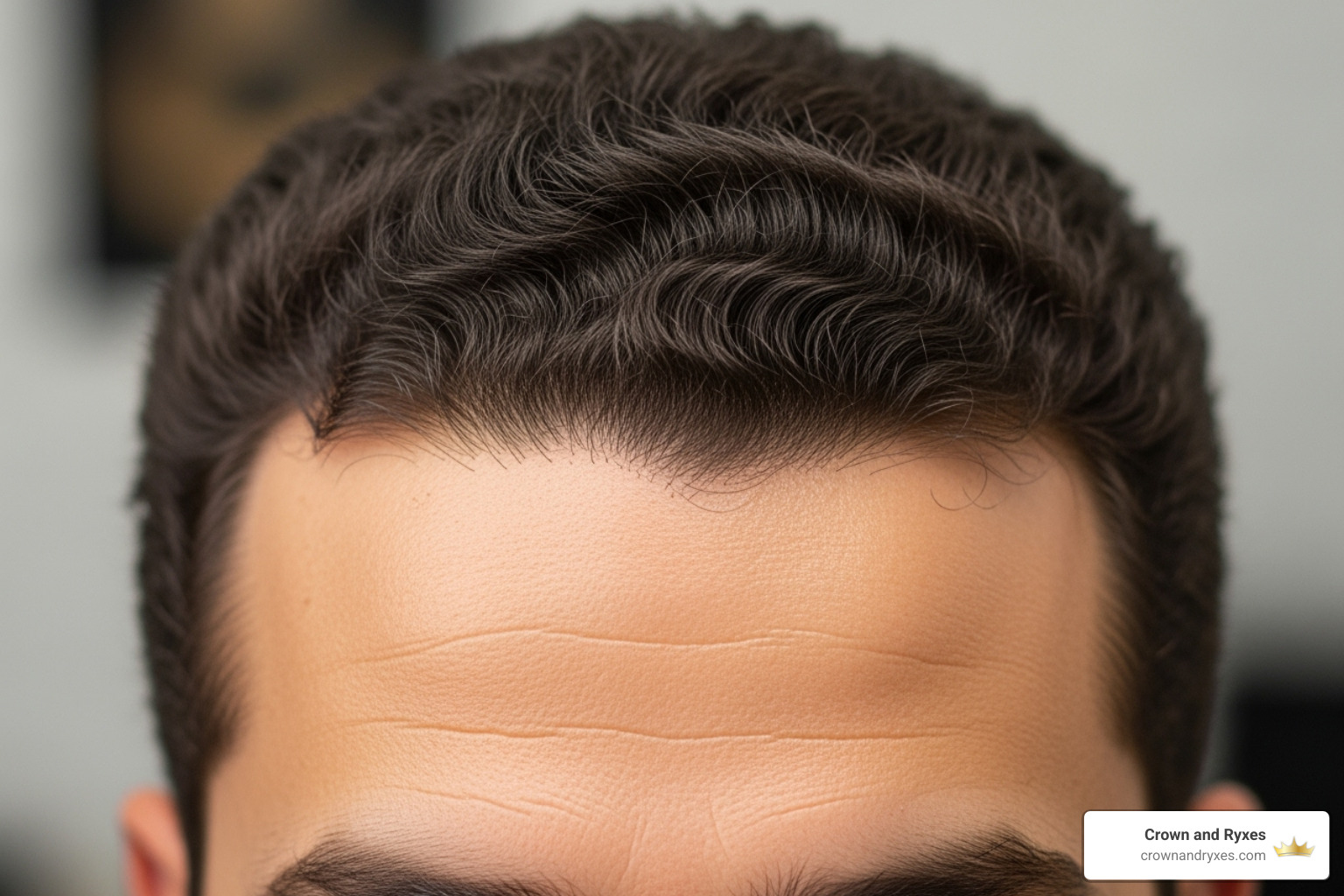
Your hairline is the frame of your face, so when it looks artificial, everyone notices. The most obvious sign of a bad hair transplant is what we call a “pluggy” appearance – where hair grows in obvious, unnatural clumps rather than the subtle, varied pattern nature intended.

A natural hairline has gentle irregularities and subtle variations – it’s never a perfectly straight line. When surgeons create hairlines that are too straight, too low, or lack these natural imperfections, the result screams “artificial.” Think of it like a bad toupee – you might not know exactly what’s wrong, but something definitely looks off.
Another major issue is incorrect hair angle. Your hair naturally grows at specific angles and directions. When grafts are placed incorrectly, the hair can stick straight up like a crew cut, grow sideways, or point in completely wrong directions. This creates an obviously unnatural appearance that’s difficult to style or hide.
Low Density and Patchy Growth
Even if your hairline looks natural, poor density can make your transplant look incomplete. This happens when there simply aren’t enough surviving grafts to create the fullness you were promised. Instead of the thick, natural coverage you expected, you’re left with sparse, patchy areas that still look thin or bald.
Sometimes this occurs because grafts didn’t survive the transplant process due to poor handling or improper storage. Other times, the surgeon simply didn’t place enough grafts close enough together to achieve adequate density. Either way, you end up with results that fall far short of your expectations.
If you’re interested in learning more about proper technique, our FUE Hair Restoration page explains how careful graft placement and handling can prevent these issues.
Excessive Scarring
While some scarring is normal with any surgery, excessive or highly visible scars are clear signs of a bad hair transplant. The type of scarring depends on which technique was used.
With FUT procedures, you might see wide, stretched linear scars across the back of your head. These “zipper scars” can be several inches long and quite noticeable, especially with shorter hairstyles. They often result from poor surgical closure or excessive tension during healing.
FUE procedures can leave their own problems. Instead of one long scar, you might notice pitting – small depressions or holes scattered across the donor area. This happens when extraction tools are too large or when tissue is removed carelessly around each follicle.
The most concerning issue is donor area overharvesting. This creates a “moth-eaten” appearance where your donor area looks patchy, thin, or damaged. Not only does this look terrible, but it also limits your options for future procedures.

Medical Complications
Beyond cosmetic issues, a bad hair transplant can cause serious medical problems that require immediate attention. While these complications are relatively rare in properly accredited clinics, they can be severe when they occur.
Scalp necrosis is perhaps the most serious complication. This occurs when skin tissue actually dies due to compromised blood supply. You’ll notice dark discoloration, open sores, or scabs that won’t heal. This can happen when too many grafts are placed too close together or when surgical trauma damages blood vessels.
Persistent infections are another red flag. While some redness and swelling are normal initially, ongoing symptoms like increasing pain, spreading redness, pus, or foul odors signal a serious problem. Left untreated, infections can become life-threatening.
Cysts can develop when grafts are placed too deeply or when hair becomes trapped under the skin. While many resolve on their own, persistent or painful cysts may need medical intervention.
These complications highlight why choosing an experienced, qualified surgeon is so important. Our comprehensive guide on Hair Transplant Risks and Complications: What You Need to Know covers these risks in detail and explains how proper surgical technique can minimize them.
The key is recognizing these warning signs early. If you notice any of these issues developing after your procedure, don’t wait – seek professional evaluation from a qualified hair restoration specialist who can assess your situation and recommend appropriate treatment options.
The Root Causes of a Bad Hair Transplant
Understanding why hair transplants fail isn’t just academic—it’s your best protection against joining the unfortunate 5-10% who experience disappointing results. Most bad hair transplant outcomes aren’t random accidents; they’re predictable consequences of specific problems that can often be avoided with proper research and planning.
When we dig into failed procedures, we usually find a perfect storm of issues. It could be inexperienced hands, poor technique, or patients who didn’t follow crucial aftercare instructions. Let’s explore these root causes so you can spot red flags before it’s too late.
Surgeon and Clinic Inexperience
Here’s a sobering reality: the person performing your hair transplant might not be a qualified surgeon at all. In many unregulated clinics, especially those capitalizing on medical tourism, unqualified technicians often handle the actual procedure while a surgeon makes only brief appearances—if any at all.
We’ve encountered patients who found their procedures were performed by individuals with no medical training whatsoever. Some clinics have been caught using cleaning staff or even taxi drivers to perform parts of the surgery. This isn’t an exaggeration—it’s a documented problem that leads directly to bad hair transplant results.
Lack of surgeon involvement is another critical issue. A qualified hair restoration surgeon should personally design your hairline, supervise graft extraction, and oversee implantation. When clinics treat hair transplants like an assembly line, with minimal physician oversight, disaster often follows.
Many clinics also rely on outdated techniques that were abandoned years ago by reputable practitioners. The old “plug method,” which created that telltale doll-hair appearance, still surfaces in some facilities. These techniques persist because they’re faster and cheaper to perform, not because they produce better results.
The medical tourism risks are particularly concerning. While the promise of significant savings is tempting, research consistently shows higher complication rates at unregulated overseas clinics. A 2021 survey found that 96.4% of complications requiring corrective procedures were associated with overseas clinics, particularly in popular medical tourism destinations.
Choosing the right professional makes all the difference. Our comprehensive guide on How to Choose the Right Hair Transplant Clinic walks you through essential questions to ask, and we’ve compiled insights about Top FUE Hair Transplant Surgeons to help guide your decision.
Critical Errors in Surgical Technique
Even with qualified surgeons, technical mistakes can turn a promising procedure into a bad hair transplant. Poor hairline design tops the list of surgical errors. Your hairline is essentially the frame for your face—get it wrong, and everything else suffers.
We see hairlines designed too low, too straight, or completely inappropriate for the patient’s age and facial structure. Wrong temporal points are particularly problematic because they affect how your hair frames your face. Unnatural angles in graft placement create hair that sticks out awkwardly instead of lying naturally against the scalp.
The artistry involved in hairline design cannot be overstated. It requires understanding facial aesthetics, predicting future hair loss patterns, and creating natural irregularities that mimic how hair actually grows. You can see examples of careful planning and execution in our Hair Transplant Before and After: A Guide to the Change gallery.
Improper graft handling represents another major technical failure. Once extracted, hair follicles are living tissue with limited survival time outside the body. Poor storage conditions, excessive handling, or leaving grafts exposed for too long dramatically reduces their viability. Transection—accidentally cutting through follicles during extraction—destroys grafts entirely.
The delicate nature of graft size and graft angulation requires precision and experience. Placing grafts too deep, too shallow, or at incorrect angles affects both survival and appearance. Scientific research on Complications of Hair Transplant Procedures extensively documents how technical errors directly correlate with poor outcomes.
Donor site mismanagement, particularly overharvesting, creates permanent damage that limits future options. Taking too many grafts from one area creates visible thinning that no amount of corrective surgery can fully restore. This shortsighted approach prioritizes immediate graft numbers over long-term donor conservation.
Patient-Related Factors and Poor Aftercare
While surgeon skill is crucial, patient factors significantly influence outcomes. Unrealistic expectations set the stage for disappointment even when surgery goes well technically. Some patients expect to regain their teenage hairline regardless of their current age, donor hair availability, or progression of hair loss.
Poor candidate selection occurs when patients aren’t suitable for surgery but proceed anyway. Progressive hair loss that hasn’t stabilized can leave transplanted areas looking like islands surrounded by continued balding. Certain medical conditions, medications, or lifestyle factors can also compromise healing and graft survival.
Understanding your hair loss pattern and exploring all treatment options is essential. We offer comprehensive Hair Loss Treatments that may be more appropriate depending on your specific situation.
Neglecting post-operative care transforms technically sound surgeries into bad hair transplant outcomes. The weeks following surgery are critical for graft survival and proper healing. Infection risk increases dramatically when patients ignore hygiene instructions or skip prescribed antibiotics.
Smoking devastates healing by restricting blood flow to transplanted grafts. Sun exposure on the healing scalp can damage delicate new grafts and cause pigmentation problems. Even seemingly minor issues like bumping your head or scratching the scalp can dislodge grafts during the crucial first few weeks.
The recovery period requires patience and diligence, but following instructions makes the difference between success and failure. Our detailed guide on The Recovery Process: What to Expect After a Hair Transplant provides everything you need to know about protecting your investment during healing.
Understanding these root causes empowers you to make informed decisions and avoid the pitfalls that lead to disappointing results. A successful hair transplant requires the right surgeon, proper technique, and your commitment to the process.
Your Path to Correction: How to Fix a Botched Procedure
If you’re reading this section, chances are you’ve experienced the heartbreak of a bad hair transplant. I want you to know that you’re not alone, and more importantly, this isn’t the end of your story. While the disappointment and frustration are completely understandable, there’s genuine hope ahead.
The reality is that many botched procedures can be significantly improved, and sometimes completely transformed. I’ve seen patients who thought their situation was hopeless walk out of our clinic with renewed confidence after corrective treatment.
Initial Assessment
Before jumping into any corrective procedure, we need to take a step back and properly evaluate your situation. This process requires patience, but it’s absolutely critical for your success.
The waiting period of 9-12 months might feel like forever when you’re unhappy with your results, but hair growth is notoriously slow. What looks disappointing at three months might surprise you at nine months. We’ve seen patients panic at the six-month mark, only to achieve satisfactory results by their first anniversary.
However, if you’ve waited the full term and you’re still dealing with obvious signs of a bad hair transplant – whether it’s an unnatural hairline, poor density, or visible scarring – it’s time to consult a specialist. Ideally, this should be a different clinic from your original provider, especially if your first experience was with an unregulated or inexperienced facility.
During your consultation with us, we’ll thoroughly assess the extent of any damage, evaluate the quality of your remaining donor hair, and have an honest conversation about what’s realistically possible. Sometimes the options for revision can be limited by a depleted donor area or significant scar tissue, but often there’s much more we can do than patients initially believe.
Surgical Correction for a Bad Hair Transplant
For many cases of bad hair transplant results, surgical revision offers the most dramatic and lasting improvements. The good news is that modern techniques have become incredibly sophisticated at addressing previous mistakes.
Corrective FUE surgery has become our go-to approach for most revision cases. This technique allows us to carefully extract individual grafts from your donor area (and sometimes from body hair if your scalp donor is limited) and strategically place them where they’re needed most.
When we’re camouflaging old plugs from outdated procedures, we can often redistribute those existing grafts or surround them with smaller, single-follicle grafts. This creates a much softer, more natural transition that eliminates that telltale “doll hair” appearance.
Redesigning the hairline is often the most transformative part of a revision procedure. We carefully create a natural, age-appropriate hairline by adding single-hair grafts to soften harsh lines and create the subtle irregularities that make a hairline look authentic.
In severe cases, we might need to perform graft excision, carefully removing poorly placed or oversized grafts before implanting new, finer ones. While this adds complexity to the procedure, it’s sometimes necessary to achieve truly natural results.
For areas with low density from the original procedure, we can add additional grafts to create the fullness you were hoping for initially. The key is working within the constraints of your available donor hair while maximizing the aesthetic impact.
Our entire approach focuses on natural solutions that blend seamlessly with your existing hair. You can learn more about our philosophy through our Hair Restoration Natural Solutions page.
Non-Surgical and Scar Revision Options
Not every bad hair transplant requires another surgical procedure. Sometimes non-surgical treatments can provide excellent results, either on their own or in combination with revision surgery.
Scalp Micropigmentation (SMP) has revolutionized how we address certain transplant complications. This technique uses detailed micro-needles to deposit pigment into the scalp, creating the appearance of tiny hair follicles. It’s particularly effective for camouflaging linear FUT scars or diffuse thinning in over-harvested donor areas. SMP can also add the illusion of density in sparse areas, especially when you prefer to keep your hair short.
PRP therapy involves injecting your own concentrated platelets into the scalp to stimulate growth and improve follicle health. While it won’t fix a bad hair transplant on its own, PRP can significantly support newly transplanted grafts during revision surgery and improve your overall hair quality. We frequently use PRP Hair Treatment for Receding Hairline concerns and other hair loss issues.
Laser therapy offers another supportive treatment option. Low-Level Laser Therapy can stimulate follicles, improve circulation, and promote growth. Like PRP, it works best as part of a comprehensive treatment plan.
For prominent or painful scars, scar revision surgery might be necessary. Sometimes we can even transplant FUE grafts directly into scar tissue to help conceal it naturally.
Mesotherapy provides another supportive option by injecting vitamins, minerals, and amino acids into the scalp to nourish follicles. While it won’t directly fix transplant damage, it can improve overall scalp health and support hair vitality. Learn more about Mesotherapy Hair Benefits.
The key to successful correction is having realistic expectations. While we can often achieve remarkable improvements, the extent of what’s possible depends on the initial damage and your remaining donor resources. But with the right approach and an experienced team, most patients can achieve results they’re genuinely happy with.
Frequently Asked Questions about Failed Hair Transplants
We understand that facing the possibility of a bad hair transplant brings up many concerns and questions. Having worked with countless patients over the years, we’ve heard these worries time and again. Let me address the most common questions we receive with the honesty and clarity you deserve.
What percentage of hair transplants actually fail?
This is probably the first question on your mind, and it’s completely understandable. While modern hair transplant techniques have dramatically improved success rates, no medical procedure comes with a 100% guarantee. The reality is that failure rates typically range from 5% to 10%, meaning about 90-95% of procedures are successful.
But here’s where it gets a bit more complex. “Failure” isn’t always black and white. Sometimes it means that grafts simply didn’t survive and grow. Other times, the hair grows perfectly fine, but the aesthetic result doesn’t match what you envisioned. Maybe the hairline looks unnatural, or the density isn’t what you hoped for.
What makes this particularly challenging is that even though the failure rate seems relatively low, the impact of a single failure can be devastating for the patient experiencing it. We’ve seen how a poor outcome affects not just appearance, but confidence, relationships, and overall well-being.
Can a bad hair transplant be reversed?
This is where I need to be completely straight with you. A hair transplant cannot be “reversed” in the traditional sense of simply undoing what was done. Once hair follicles are transplanted and establish their new blood supply, they’re permanent residents in their new location.
However, and this is important, the results of a bad hair transplant can absolutely be improved, repaired, and often completely transformed. We’ve helped many patients who thought their situation was hopeless.
Corrective surgery is often our most powerful tool. This might involve carefully removing poorly placed grafts and repositioning them, or adding new grafts to improve density and create a more natural hairline. We can also perform scar revision procedures to minimize unsightly scarring from previous surgeries.
Non-surgical options like Scalp Micropigmentation (SMP) work wonderfully for creating the illusion of density or camouflaging scars. Think of it as a sophisticated tattoo that mimics the appearance of tiny hair follicles. We also use treatments like PRP therapy and laser therapy to support overall hair health and graft survival.
The goal isn’t to erase what happened, but to transform an undesirable outcome into something natural-looking and confidence-restoring.
How do I avoid a bad hair transplant?
Prevention is always better than correction, and this question shows you’re thinking smart. The best protection against a bad hair transplant is thorough research combined with realistic expectations.
Research your surgeon’s credentials thoroughly. Make sure they’re board-certified and specialize specifically in hair restoration. Ask direct questions about their experience, how many procedures they’ve performed, and most importantly, their personal involvement in every step of your surgery. You’d be shocked to learn that in some unregulated clinics, procedures are performed by unqualified technicians while the “surgeon” is barely involved.
Review real before-and-after photos from actual patients, not stock images. Look for consistent, natural-looking results, especially focusing on hairlines that look like they could belong to someone you know, not a mannequin. Pay attention to cases similar to your own hair loss pattern.
Be extremely cautious of deals that seem too good to be true, especially from overseas clinics. We know the price difference can be tempting, but research shows that complications are significantly higher in unregulated environments. A 2021 survey revealed that all complications reported by patients seeking corrective procedures were associated with unregulated clinics abroad.
Have honest conversations about realistic expectations. A reputable surgeon will never promise you the hairline you had at 18 if your donor area can’t support it. They should discuss the progressive nature of hair loss and plan for your future, not just your immediate desires.
Understand the importance of aftercare. Many poor outcomes result from patients not following post-operative instructions. This includes everything from proper cleaning techniques to avoiding smoking and sun exposure during healing.
At Crown and Ryxes, we believe that investing in a reputable clinic with experienced surgeons and a genuine commitment to patient safety is the best insurance policy against experiencing a bad hair transplant. We’d rather have an honest conversation upfront about what’s possible than leave you disappointed later.
Conclusion: Taking the Right Steps for a Successful Outcome
Experiencing a bad hair transplant can feel like a crushing blow to your confidence and your wallet. We understand the frustration, embarrassment, and sense of betrayal you might feel when your dream of restored hair turns into a nightmare of unnatural results or visible scarring. But here’s what we want you to know: this is not the end of your story.
Throughout this guide, we’ve walked through the warning signs that something has gone wrong—from that telltale “pluggy” appearance to overharvested donor areas that leave you worse off than when you started. We’ve explored the root causes, whether it’s an inexperienced surgeon cutting corners, outdated techniques that should have been retired years ago, or the unfortunate reality of unregulated clinics that prioritize profit over patient care.
Knowledge is your greatest weapon against making the same mistake twice. Understanding these red flags empowers you to ask the right questions, demand to see proper credentials, and recognize when a deal seems too good to be true. Because let’s be honest—it usually is.
For those already dealing with the aftermath of a failed procedure, there’s genuine hope ahead. Modern corrective techniques have come a long way. Whether it’s carefully redesigning an unnatural hairline, using advanced FUE methods to add density where it’s lacking, or employing innovative treatments like scalp micropigmentation to camouflage scarring, skilled specialists can often transform disappointing results into something you’ll be proud to show off.
The path to correction isn’t always simple, and it requires patience—both for the healing process and to allow your hair to grow. But with the right team guiding you, that bad hair transplant can become just a chapter in your journey, not the final page.
At Crown and Ryxes, our specialists in Clermont, FL, and The Villages, FL, have seen it all. We’ve helped countless patients move past their initial disappointments to achieve the natural, confident look they originally sought. Our approach combines technical expertise with genuine compassion, because we know this isn’t just about hair—it’s about how you feel when you look in the mirror.
Ready to turn your hair restoration story around? Don’t let one bad experience define your future. Explore your options for Hair Transplant Repair and take the first step toward the results you deserve.