

Hair transplants are surgical procedures that involve the relocation of hair from a donor area, typically the back or side of the head where hair is more resistant to balding, to the balding or thinning regions. The two predominant techniques used in hair transplantation are Follicular Unit Transplantation (FUT) and Follicular Unit Extraction (FUE). FUT involves removing a strip of scalp with healthy hair follicles, which is then dissected into individual units for transplantation.
On the other hand, FUE entails the extraction of individual hair follicles directly from the scalp without removing a strip. Both methods aim to achieve a natural-looking hairline and density. For example, patients can expect significant results after about 6 months, with full growth and density achieved within a year. It is important to note that while hair transplants are generally successful, they may not be suitable for everyone, and results may vary depending on individual factors.
Factors That Contribute to a Successful Transplant
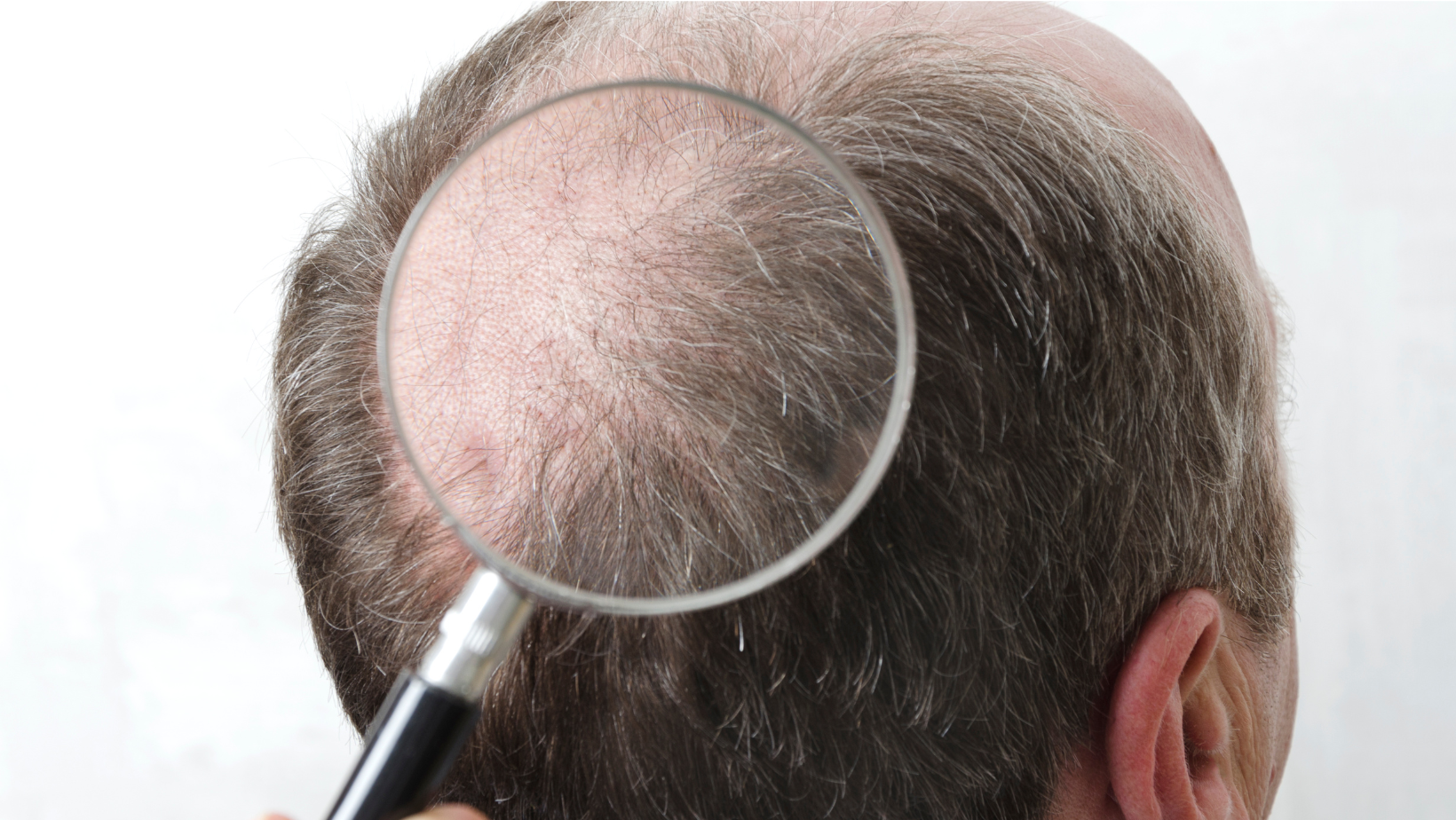
Several critical factors contribute to the success of a hair transplant, ensuring that patients achieve the desired results. Below are some factors that are often mentioned in successful hair transplant stories:
Expertise of the Surgeon
The surgeon’s expertise plays a pivotal role in the success of a hair transplant. A highly skilled and experienced hair restoration specialist with a proven track record of successful procedures brings a wealth of knowledge and precision. Their extensive experience allows them to navigate the intricacies of hair growth patterns, understand the nuances of scalp anatomy, and master the art of hair grafting. By tailoring the procedure to each patient’s unique needs, these experts ensure that the results are aesthetically pleasing and long-lasting.
When choosing a surgeon for a hair transplant, it is advisable to consider those members of recognized associations such as the International Society of Hair Restoration Surgery (ISHRS). Membership in such associations signifies that the surgeon has undergone rigorous training and adheres to strict ethical standards. This gives patients added confidence and peace of mind during the procedure, knowing they are in a trusted professional’s hands.
Adequate Pre-Procedure Consultation
Adequate pre-procedure consultation sets the stage for a successful hair transplant by comprehensively assessing the patient’s hair loss condition and determining the most appropriate treatment plan. During this phase, surgeons evaluate hair density, scalp laxity, and future hair loss patterns. A detailed consultation allows the physician to calculate the number of grafts needed for an optimal outcome and to design a natural hairline for the patient’s age and face shape.
A thorough consultation also allows patients to discuss their expectations and concerns, ensuring they have realistic goals and understand the complexities and limitations of hair transplantation. Additionally, it enables the surgeon to review medical history, address the risks involved, and identify any factors that might impact the effectiveness of the transplant, such as underlying health conditions or medication use. By investing time in a meticulous consultation process, the patient and surgeon lay the groundwork for a procedure that meets the patient’s aesthetic desires and promotes collaboration between patient goals and achievable results.
Quality of Donor Area
The quality of the donor area is paramount in determining the success of a hair transplant. This area, typically at the back of the scalp, must have a high density of healthy hair follicles genetically resistant to new hair loss. The strength and vitality of these donor hairs directly influence the longevity and appearance of the transplant. Surgeons meticulously evaluate the donor area for suitability and potential yield before surgery.
The extraction of follicles should be done with precision to ensure that the donor area remains unaffected and scars are minimized. In the case of FUT, where a strip of skin is removed, it’s important that the scar is discreet and recovered timely. For FUE, the surgeon’s skill in individually extracting hair follicles while keeping the donor site looking natural is critical. Post-operative care of the donor area is also essential to promote healing and prevent complications, contributing to overall success and satisfaction with the transplant process.
Technique and Technology
Advanced techniques and cutting-edge technology greatly enhance the effectiveness of a hair transplant. The precision with which each hair follicle is extracted and implanted plays a crucial role in the procedure’s success. New technologies and techniques have enabled surgeons to perform transplants more accurately, leading to more natural results and faster healing times.
For instance, robotic assistance has become increasingly prevalent in FUE procedures, allowing for precise and consistent extraction of hair follicles. Similarly, innovations such as minimally invasive punches, high-definition cameras, and specialized implantation tools have revolutionized how transplants are performed. These technological advancements improve the aesthetic outcome by ensuring appropriate hair growth angle, depth, and direction and reducing scalp trauma, which can speed up the recovery process.
Maintenance of Donor Grafts
The success of a hair transplant extends well beyond the day of surgery. Maintaining donor grafts’ viability and integrity ensures they are correctly handled, preserved, and inserted throughout the procedure. These delicate follicles require meticulous care and attention, from extraction to implantation, to ensure their sustainability.
Grafts should be stored in a cool, sterile environment to preserve their vitality until they are ready for implantation. Surgeons often use specialized solutions and techniques that minimize graft handling and trauma during the transplantation process, promoting higher success rates of graft survival. With advancements in preservation methods, donors can also opt for long-term storage of their hair follicles for future treatments. By carefully managing the donor grafts, surgeons can maximize their longevity and promote long-lasting, natural-looking results for patients.
Patient Hair Transplant Reviews
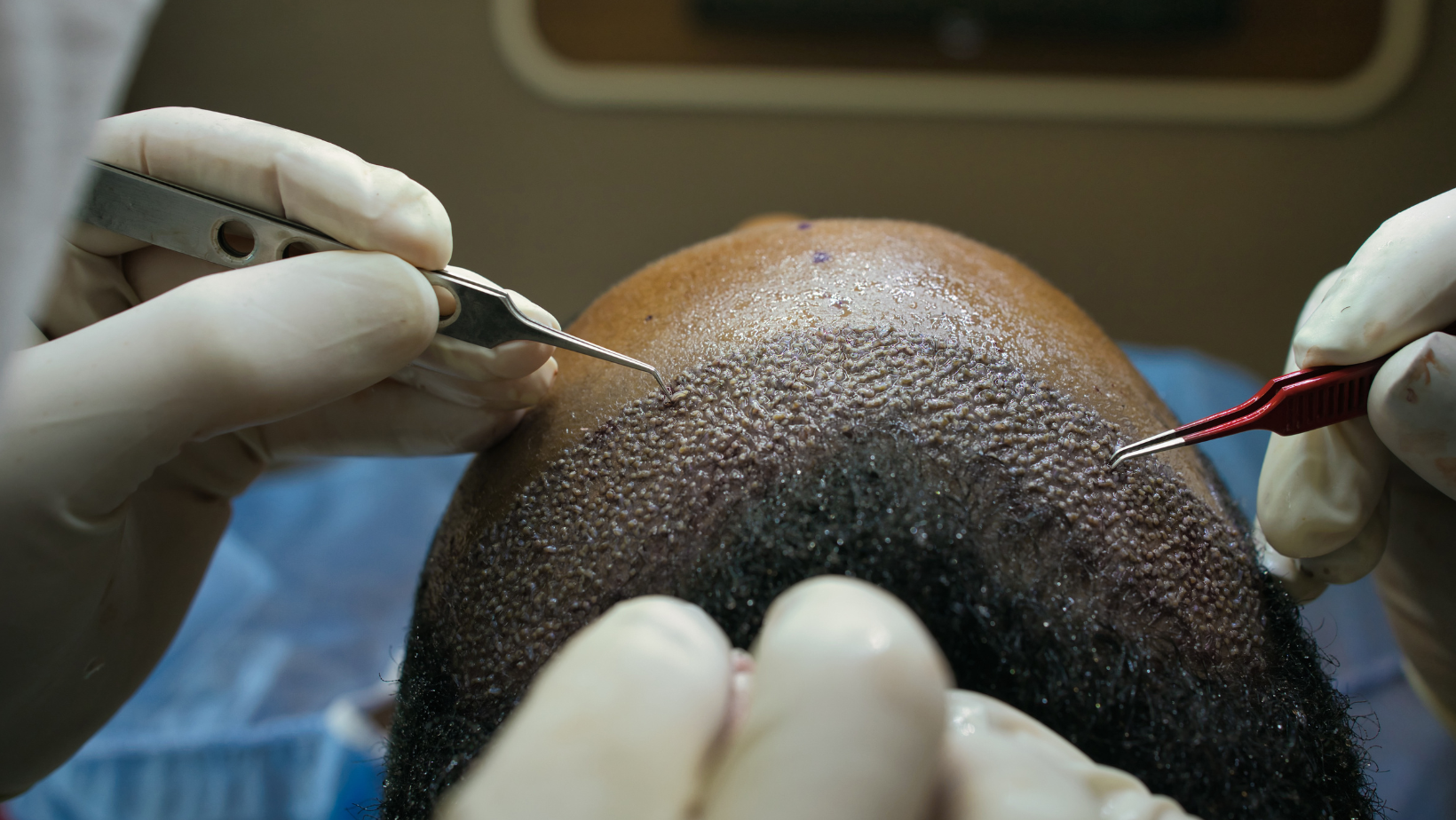
The success of a hair transplant is ultimately determined by the satisfaction and confidence it brings to patients. Here are key areas of satisfaction highlighted in patient testimonials:
Aesthetic Results That Look Natural and Undetectable
One of the most common reasons patients seek a hair transplant is to achieve natural-looking results that are undetectable to others. This task can be daunting, requiring precise surgical technique, an artistic eye, and an understanding of facial aesthetics. However, skilled surgeons can create a hairline that seamlessly blends with your existing hair and face shape, making the transplant virtually undetectable.
For example, if you have a receding hairline and thinning crown, a well-executed hair transplant can restore a full, youthful-looking head of hair without anyone knowing you had the procedure done. Patients are often amazed at how natural their results appear, even when closely scrutinized by friends and family. This level of aesthetic outcome is a key factor in patient satisfaction and highlights the importance of choosing a reputable and experienced surgeon for your hair transplant.
Increased Self-Esteem and Confidence
For many individuals dealing with the emotional impact of hair loss, their self-esteem and confidence can suffer greatly. The transformative power of a successful hair transplant cannot be overstated, as it has the potential to alter this psychological state significantly. Restoring a person’s hair often equates to restoring their sense of identity, self-assurance, and overall well-being.
The emotional benefits received post-transplant are not just anecdotal; they are frequently reflected in the heartfelt testimonials of patients. These individuals express renewed vigor, optimism, and enthusiasm in their personal and professional lives. They recount experiences of feeling more presentable and confident in social settings, no longer burdened by self-consciousness about their appearance. Hair transplantation can profoundly impact a person’s quality of life, and this transformation is one of the most satisfying outcomes for both patients and surgeons.
Low Maintenance and Durable Results
Another appealing aspect of hair transplant surgery is that once the treated area heals, the results require minimal maintenance. The transplanted hair follicles are genetically resistant to the hormones that cause hair loss, meaning they retain their robustness throughout the patient’s life. Therefore, unlike other hair restoration methods that necessitate ongoing treatment, hair transplants provide a permanent solution to hair thinning and baldness.
Furthermore, the durability of the transplanted hair allows patients to cut, style, and dye their hair as they would with their natural hair, without the need for special products or regimens. Feedback from patients frequently underscores the value of this long-term solution, which restores not just their hair but also their freedom to live confidently without hair-related constraints. This low maintenance, coupled with the resilience of the outcome, accounts for high levels of patient satisfaction and often solidifies their decision that undergoing the procedure was worth the investment.
Fast Recovery Times
While surgical procedures often require weeks or even months of recovery time, hair transplants are relatively quick and have a fast healing process. Patients can typically return to work after just a few days, with residual redness and swelling dissipating within two weeks.
Advanced techniques such as FUE and the precision of robotic assistance have significantly reduced the trauma and healing time for hair transplants. With minimal downtime, patients can resume their daily activities with minimal disruption to their routine, allowing them to enjoy their new head of hair without sacrificing too much time or productivity. Patients frequently highlight this swift recovery period as a key reason for choosing a hair transplant over other hair restoration methods.
Personalized Treatment Plans
Each individual’s hair loss is unique, and a one-size-fits-all approach to treatment is rarely effective. Experienced surgeons recognize this and develop personalized treatment plans tailored to each patient’s needs and goals. When creating a treatment plan for their new transplanted hair, they consider factors such as the extent of hair loss, hair quality, scalp condition, and overall health.
The personalized approach ensures optimal results and makes patients feel seen and heard. Patient testimonials often reflect this level of care and attention to detail, with many expressing gratitude for the individualized treatment that catered to their unique needs. Having a customized solution can also alleviate any concerns or doubts patients may have about the success of their transplant, ensuring they feel confident and reassured throughout the process.
Minimal Scarring
One of the potential drawbacks of traditional strip harvesting methods is scarring, which may be visible if a patient wears their hair short. However, modern techniques such as FUE and robotic hair transplants have significantly reduced this risk by using small incisions that heal with minimal scarring. Additionally, skilled surgeons use advanced closure techniques to minimize the appearance of any scarring.
The minimally invasive nature of these techniques has made hair transplants a more appealing option for those who wish to avoid noticeable scarring following their hair transplant procedure. This aspect is particularly crucial for individuals in certain professions or those with active lifestyles where concealing scars may be challenging. With advancements in technology and techniques, hair transplants now offer a highly effective and aesthetically pleasing solution to hair loss without the concern of visible scarring.
Cost-Effective
While the upfront cost of a hair transplant may seem daunting, it is often a more cost-effective option in the long run compared to other hair restoration methods. Since hair transplants provide permanent results, patients do not need to spend money on ongoing treatments or products, making it a one-time investment.
Additionally, the improved psychological well-being and confidence gained from a successful hair transplant can increase opportunities in personal and professional aspects of life. This can result in higher self-esteem, which may positively impact career advancement prospects, social connections, and overall quality of life. Thus, many patients view hair transplants as a valuable and worthwhile investment for their future.
Aftercare and Maintaining Recommendations
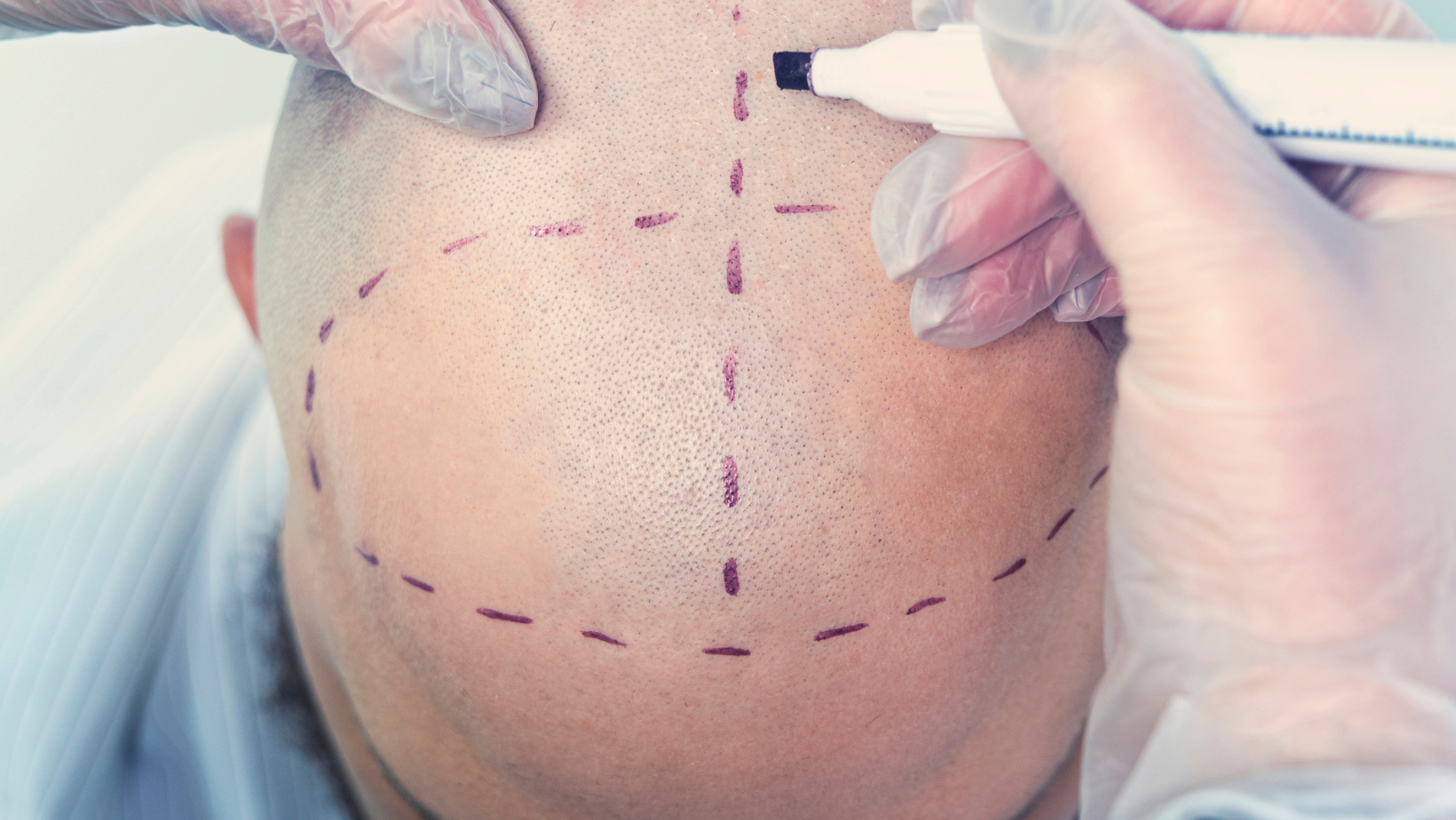
Proper aftercare is essential to ensure the success and longevity of a hair transplant. Patients must follow post-operative instructions closely to facilitate healing and maximize the outcome. Here are some recommended guidelines for aftercare and maintenance:
- Avoid Strenuous Activities: During the first week after surgery, it is important to avoid engaging in any activities that involve heavy lifting or vigorous exercise. These activities can potentially lead to sweating, which may negatively impact the healing process of the grafts. Refraining from these activities allows your body to focus on the recovery and ensuring the best possible outcome for your healing journey.
- Protect Your Scalp from the Sun: The sun’s UV rays can harm your scalp after a hair transplant, especially during the first few weeks when the newly transplanted follicles are most vulnerable. Protecting your scalp from direct sunlight by wearing a hat or sunscreen with at least SPF 30 is essential whenever you go outside.
- Follow the Prescribed Medications: Your hair transplant surgeon may prescribe medications such as antibiotics or painkillers to aid in your recovery and prevent infection. Following their instructions and taking all prescribed medications as directed is crucial.
- Avoid Smoking and Alcohol: In the weeks following a hair transplant, it is recommended to avoid smoking and consuming alcohol, as they can interfere with the body’s healing process. Both habits can also potentially increase the risk of complications and hinder the growth of transplanted hair follicles.
- Be Patient: While it is normal to want immediate results, it’s important to remember that a hair transplant is gradual. It takes time for the transplanted hairs to grow and blend in with your existing hair. It may take up to 12-18 months to see the full results of your transplant, so patience is key.
- Follow-Up with Your Surgeon: Attending scheduled follow-up appointments with your surgeon is crucial to monitor your healing progress and address any concerns. They can also provide personalized recommendations on maintaining and caring for your hair post-transplant.
Conclusion
Hair transplant surgery offers a durable and natural-looking solution to the hair loss challenge. It is a testament to modern medical advancements, delivering personalized treatment plans, minimal scarring, and the promise of renewed self-confidence. As with any medical procedure, the key to optimal results lies in the hands of skilled surgeons, adherence to proper aftercare, and a patient’s informed commitment to the process. Embracing these innovations in hair restoration not only restores hair but also helps rebuild the intangible aspects of one’s self-image and quality of life.