

Hair transplant surgery, a pioneering procedure in the field of cosmetic surgery, is revolutionizing the way we address hair loss. This surgical technique, designed to address the effects of alopecia or other hair loss conditions, involves meticulously moving hair follicles from a part of the body known as the ‘donor site’ to the balding or ‘recipient’ area. As an intricate process that requires a seasoned hand and an eye for detail, it has shown immense success in instilling confidence and rejuvenating the appearance of thousands around the globe.
However, like any medical procedure, it’s essential to fully comprehend what the surgery entails, its potential benefits, and the risks involved. As you read this comprehensive guide, you will be armed with the knowledge necessary to decide whether a hair transplant surgery is the right choice for your unique circumstances. Let’s dive in!
The Science Behind Hair Transplant

Hair replacement surgery harnesses the potential of regenerative medicine and the body’s inherent ability to grow hair. Its scientific foundation lies in the “donor dominance” concept, introduced by Dr. Norman Orentreich in the 1950s. According to this principle, hair restoration from a hair-rich donor site to a hair-poor recipient site maintains its original characteristics and continues to grow as it would in its original location.
During a typical procedure, the surgeon carefully extracts individual hair follicles or a strip of scalp from the donor site, often located at the back or sides of the head where hair is less prone to balding. These grafts are then meticulously implanted into small incisions in the recipient site, following the natural direction of hair growth to achieve a seamless and natural-looking outcome. For instance, if you are experiencing pattern baldness on the crown of your head, the hair follicles from the donor site will be strategically placed in a “whorl” pattern to replicate the natural growth pattern in that specific area.
Who is A Good Candidate for Hair Transplant Surgery?
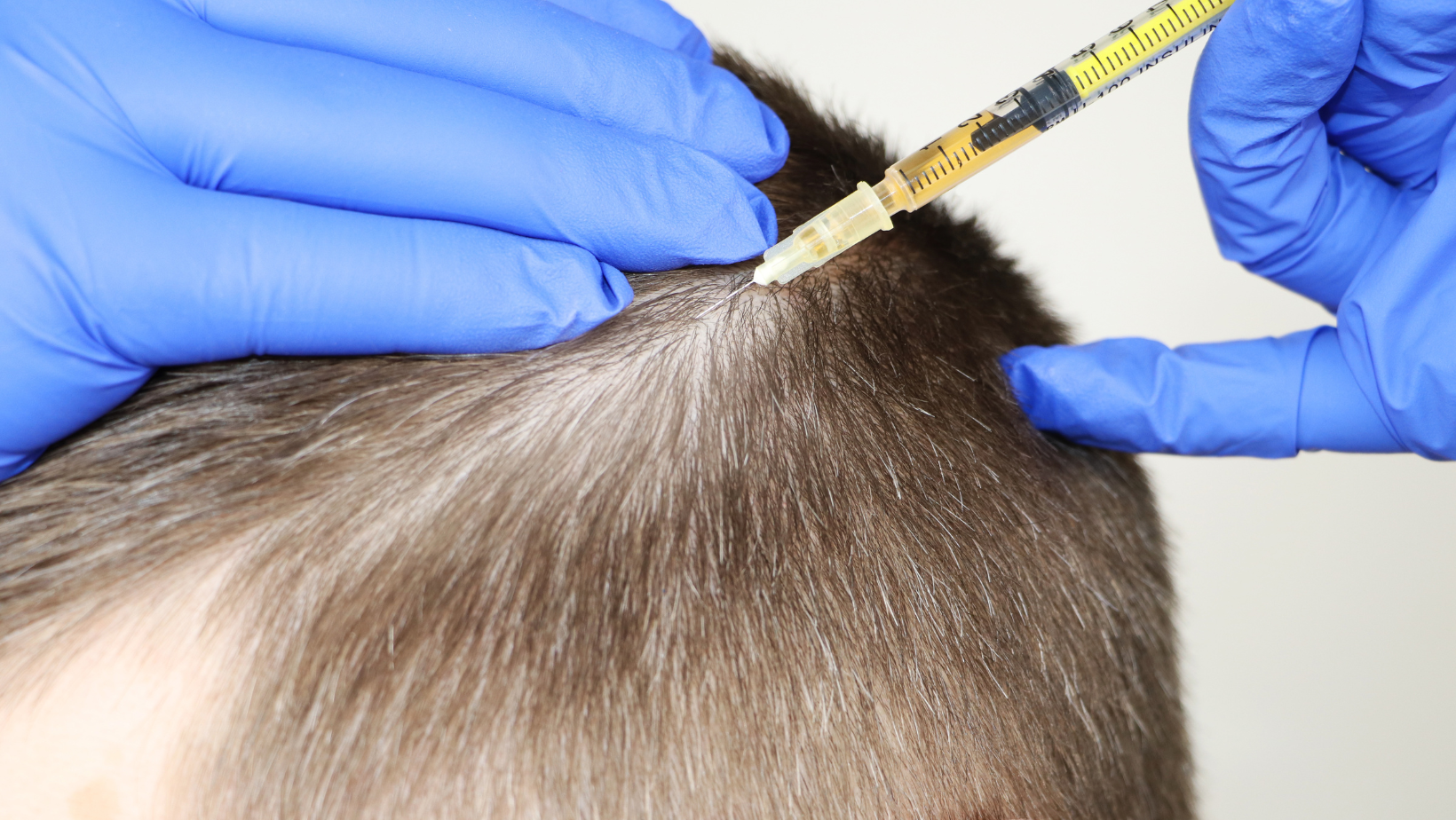
While hair transplant surgery has become increasingly popular over the years, not everyone is an ideal candidate for the procedure. Here are key factors to consider while determining if you’re a good candidate for hair transplant surgery:
The Extent of Your Hair Loss
The extent of your hair loss is pivotal in deciding whether you’re a suitable candidate for hair transplant surgery. It’s crucial to understand that hair transplant isn’t a one-size-fits-all solution to hair loss, and the success of the procedure largely depends on the amount of hair-bearing scalp available in the donor site to transplant to the balding areas. Those with diffuse unpatterned alopecia (DUPA), characterized by hair thinning throughout the scalp, may not be good candidates as there isn’t enough robust donor hair.
On the other hand, those with patterned hair loss, such as androgenetic alopecia, where only certain parts of the scalp are affected, often have sufficient hair in the donor area for a successful transplant. For instance, if you have a receding hairline or a bald spot on the crown of your head, you may be an ideal candidate for hair transplant surgery, as these areas typically have healthy and robust hair follicles that can be transplanted. It’s essential to consult with a qualified surgeon who can assess the extent of your hair loss and determine if you’re a suitable candidate for the procedure.
Your Age
Age is a significant factor to consider when contemplating hair restoration surgery. The pattern and progression of hair loss often evolve as we age. For instance, a younger person in their 20s may experience a receding hairline, which could appear to be an ideal case for a transplant. However, if the hair loss is aggressive and progresses rapidly, a hair transplant may not provide a long-term solution, as thinning or balding areas could surround the newly transplanted hair over time.
Furthermore, younger patients may have unrealistic expectations of achieving a dense, full head of hair immediately after the surgery, which is not typically true. For these reasons, many surgeons recommend waiting until at least the age of 30 to assess the full extent and pattern of hair loss before considering a transplant.
Hair Characteristics
Your hair characteristics significantly influence the success and aesthetic outcome when you want to perform hair transplant surgery. Hair color, texture, and density are crucial in determining how well the transplanted hair will blend with the existing hair, creating a natural and seamless appearance. For instance, individuals with thicker hair strands typically achieve better coverage than those with finer hair, as each transplanted hair graft occupies more scalp area.
Similarly, individuals with curly or wavy hair achieve better volume and coverage post-transplant than those with straight hair. The contrast between hair and scalp color also impacts the perceived density after the procedure. For example, a person with dark hair and a light scalp may need more hair grafts to achieve an optimal density look compared to someone with less contrast between their hair and scalp color. The role of hair density in the donor area is also worth noting. A high-density donor area allows for more grafts, leading to a fuller final result.
Your Overall Health
Hair plugs surgery is a significant medical procedure that requires both physical and emotional readiness. Your overall health, including your medical history and any pre-existing conditions, can impact the outcome of a hair transplant surgery. For instance, individuals with underlying medical conditions like uncontrolled diabetes or high blood pressure may be at higher risk for complications during and after the surgery.
Smokers are also not ideal candidates for hair transplant surgery, as tobacco use can hinder the healing process and increase the risk of surgical complications. A thorough consultation with your surgeon is essential to assess your overall health and determine if you’re a good candidate for the procedure.
Your Gender
Gender plays a crucial role in determining the appropriateness of a hair transplant. Notably, male and female pattern baldness are presented differently. Men often experience a receding hairline or balding at the crown, while women commonly endure a diffuse thinning across the entire scalp, maintaining the frontal hairline. As the patterns of loss are different, so are the strategies for hair transplantation.
For men, the process usually involves relocating follicles from the back or sides of the head to the thinning or balding areas. The approach might be different for women due to the widespread thinning, and they might not have a robust donor area for transplantation. A concrete example of the gender difference is seen in a condition called Traction Alopecia, which is more prevalent in women. This condition, often caused by tight hairstyles that pull at the hair over time, leads to hair loss, primarily around the hairline and edges of the scalp. Due to the shortage of healthy donor hair, women with this condition may not be good candidates for a hair transplant.
Your Hair Loss Stability
The stability of your hair loss is another critical factor surgeons evaluate when determining eligibility for a hair transplant. A hair transplant may only offer a temporary solution if your hair loss is progressive. This is because balding areas may surround the transplanted hair over time as hair loss progresses.
On the other hand, if your hair loss has stabilized, meaning it has reached a point where the pattern and extent of hair loss remain relatively unchanged over a substantial period, you may be an ideal candidate for a transplant. For instance, consider individuals with androgenetic alopecia. In this condition, hair loss usually progresses until it reaches a certain stage and stabilizes. If a prospective patient has reached this point of stability, a hair transplant can be an effective solution, as the risk of ongoing hair loss around the transplanted area is greatly reduced.
Types of Hair Transplant Surgeries
Hair transplant surgery is not a one-size-fits-all procedure; different techniques are used depending on the type and cause of hair loss. Here are some of the most commonly used:
Follicular Unit Extraction (FUE)
Follicular Unit Extraction (FUE) is a popular hair transplant technique that involves extracting individual hair follicles from the donor area and transplanting them into areas of hair loss. This minimally invasive procedure suits patients with moderate to significant hair loss, particularly those with advanced male or female pattern baldness. For instance, a 35-year-old male with advanced hair loss, including receding hairline and significant thinning at the crown, would make an ideal candidate for FUE.
The procedure has several patient benefits, including minimal scarring, quick recovery time, and natural-looking results. However, it requires a high level of skill and expertise from the surgeon to ensure proper placement of the transplanted hair follicles and avoid damage to the existing hair. Patients should also have a good-quality donor area with sufficient hair density for optimal results. Additional factors such as age, overall health, and the cause of hair loss may also affect the success of an FUE procedure.
Follicular Unit Transplant (FUT)
Follicular Unit Transplant (FUT) is another popular hair transplant technique that involves removing a strip of skin from the donor area and dissecting it into individual follicular units for transplantation. The procedure is ideal for patients with advanced hair loss, as it allows for more grafts to be transplanted in a single session.
One of the primary benefits of FUT is that it requires less time and skill compared to other techniques, making it a more economical option for patients. However, it leaves a linear scar at the donor site, which can concern some individuals. Proper aftercare and follow-up with the surgeon are crucial to ensure the scar heals well and is eventually covered by surrounding hair.
Direct Hair Implantation (DHI)
Direct Hair Implantation (DHI) is a newer hair transplant technique that involves extracting individual hair follicles from the donor area using a special tool and directly implanting them into the areas of hair loss. This method eliminates the need for creating recipient sites, reducing the potential for scarring.
DHI is a suitable option for patients with thinning hair or balding areas that require precise placement of transplanted follicles to achieve a natural-looking result. It also has a quicker recovery time than other techniques and does not require shaving the donor area, making it more discreet. However, DHI may not be suitable for patients with advanced hair loss, as it is a time-consuming and tedious process that can only transplant a limited number of grafts in one session.
Robotic Hair Transplant
Robotic hair transplant involves using robotic technology to extract individual follicular units from the donor area and implant them into areas of hair loss. The procedure allows for precise and consistent placement of grafts, making it a suitable option for patients with thinning hair or specific areas that require denser coverage.
One of the main advantages of robotic hair transplant is its accuracy and speed, which can reduce the total procedure time and improve results. It also eliminates human error, making the procedure more predictable. However, robotic hair transplants can be more expensive than other techniques and may not be suitable for patients with advanced hair loss or limited donor areas.
Scalp Reduction
Scalp reduction is a surgical technique that involves removing areas of a bald scalp and stretching the remaining hair-bearing skin to cover the bald area. It can be combined with other hair transplant techniques to achieve maximum coverage. This procedure is most suitable for patients with extensive hair loss, such as those with scarring alopecias or traumatic injuries.
However, it may not be a viable option for patients with limited donor areas or those who prefer a less invasive procedure. It also requires more extensive recovery time and can result in visible scarring, which may not be suitable for all patients.
Factors To Avoid For A Successful Hair Transplant
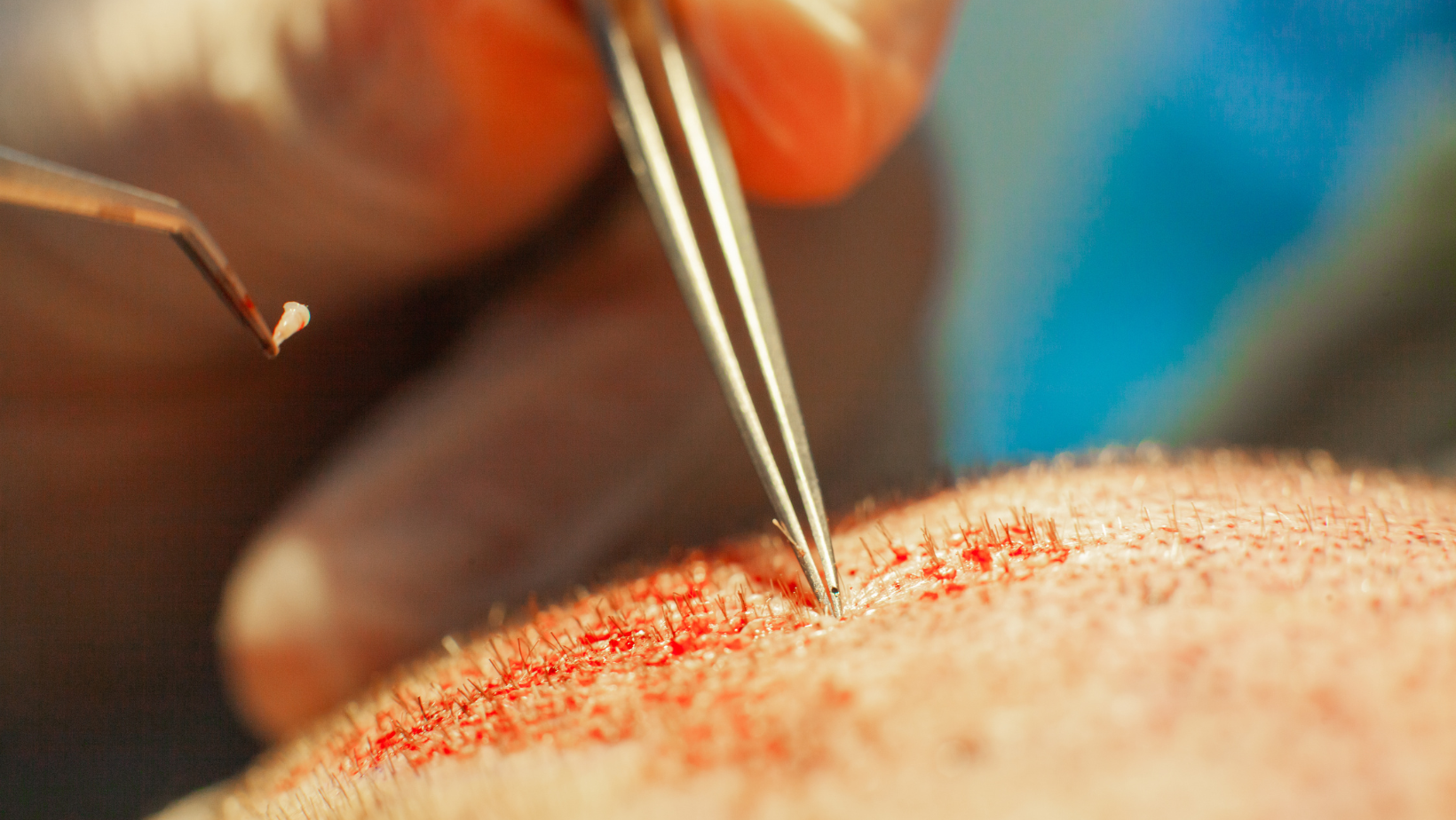
While hair transplant surgery can be an effective and long-lasting solution for hair loss, certain factors should be avoided to ensure a successful outcome. These include:
Smoking
Smoking is one of the biggest factors that can greatly affect the success of a hair transplant surgery. Nicotine and other chemicals found in cigarettes can constrict blood vessels, reducing blood flow to the scalp. This reduced blood flow can impede proper healing and increase the risk of complications such as infection or poor graft survival.
Additionally, smoking can also decrease the production of collagen, which is essential for healthy hair growth. This can result in weaker and thinner transplanted hairs, leading to suboptimal results. For example, if you are a smoker and undergo a hair transplant, you may notice slower growth or patchy results compared to non-smokers. It is crucial to quit smoking before and after the procedure to ensure proper healing and optimal results.
Alcohol Consumption
Alcohol consumption is another factor that can negatively impact the success of a hair transplant surgery. Drinking alcohol before and after the procedure can thin the blood, increasing the risk of bleeding during and after the surgery. This can impede proper healing and potentially lead to complications such as infection or poor graft survival.
Additionally, excessive alcohol consumption can also dehydrate the body, affecting the production of essential proteins and nutrients needed for healthy hair growth. This can result in weaker and thinner transplanted hairs, leading to suboptimal results. For instance, if you are a heavy drinker and undergo a hair transplant, you may notice slower growth or patchy results compared to patients who limit their alcohol intake. It is essential to avoid alcohol consumption before and after the procedure to ensure proper healing and optimal results.
Poor Diet
A healthy diet is essential for overall well-being, including hair growth. Therefore, it should come as no surprise that having a poor diet can significantly impact the success of a hair transplant surgery. A balanced and nutrient-rich diet provides the body with all the essential vitamins, minerals, and proteins needed for healthy hair growth.
If your diet lacks these crucial nutrients, your hair follicles may not receive the necessary nourishment to grow and thrive after a hair transplant. This can result in weaker and thinner transplanted hairs, leading to suboptimal results. For example, a diet high in processed foods and low in fruits and vegetables can lack essential vitamins and minerals, affecting the growth of transplanted hairs. Following a well-balanced diet before and after the procedure ensures proper healing and optimal results. Eating foods rich in protein, iron, and vitamin C can also help promote healthy hair growth post-surgery.
Conclusion
Hair transplant surgery can be life-changing for those struggling with hair loss. It offers various techniques, each with its own advantages and drawbacks, allowing patients to find a solution that best fits their unique needs. However, it’s essential to remember that the success of a hair transplant surgery is influenced not only by the procedure itself but also by the patient’s lifestyle choices.
Factors such as smoking, alcohol consumption, and diet can significantly impact the outcome. Therefore, patients are advised to lead a healthy lifestyle before and after the surgery to ensure proper healing and optimal results. With appropriate aftercare and a mindful approach to health, a hair transplant can help restore the hair and the confidence and self-esteem that come with it.