
The Symphony of Hormones: Understanding Your Body’s Chemical Messengers
Think of your body as an orchestra, with hormones as the musicians creating a beautiful symphony when they play in harmony. Hormonal balance for women isn’t just medical jargon—it’s the foundation of how you feel every day. These powerful chemical messengers orchestrate everything from your energy levels and mood to your reproductive health and sleep patterns.
When your hormones work together in perfect rhythm, you’ll likely notice the music of good health: steady energy throughout the day, clear glowing skin, stable weight, and menstrual cycles that arrive with predictable timing. It’s not about having “perfect” hormone levels, but rather achieving your unique optimal balance.
What makes this hormonal symphony work? Several key players need to perform well together. Optimal levels of estrogen help maintain bone density and mood stability, while progesterone balances estrogen’s effects and supports sleep quality. Even small amounts of testosterone contribute to your energy and libido. Meanwhile, thyroid hormones regulate your metabolism, and cortisol helps you respond to stress and maintain daily rhythms.
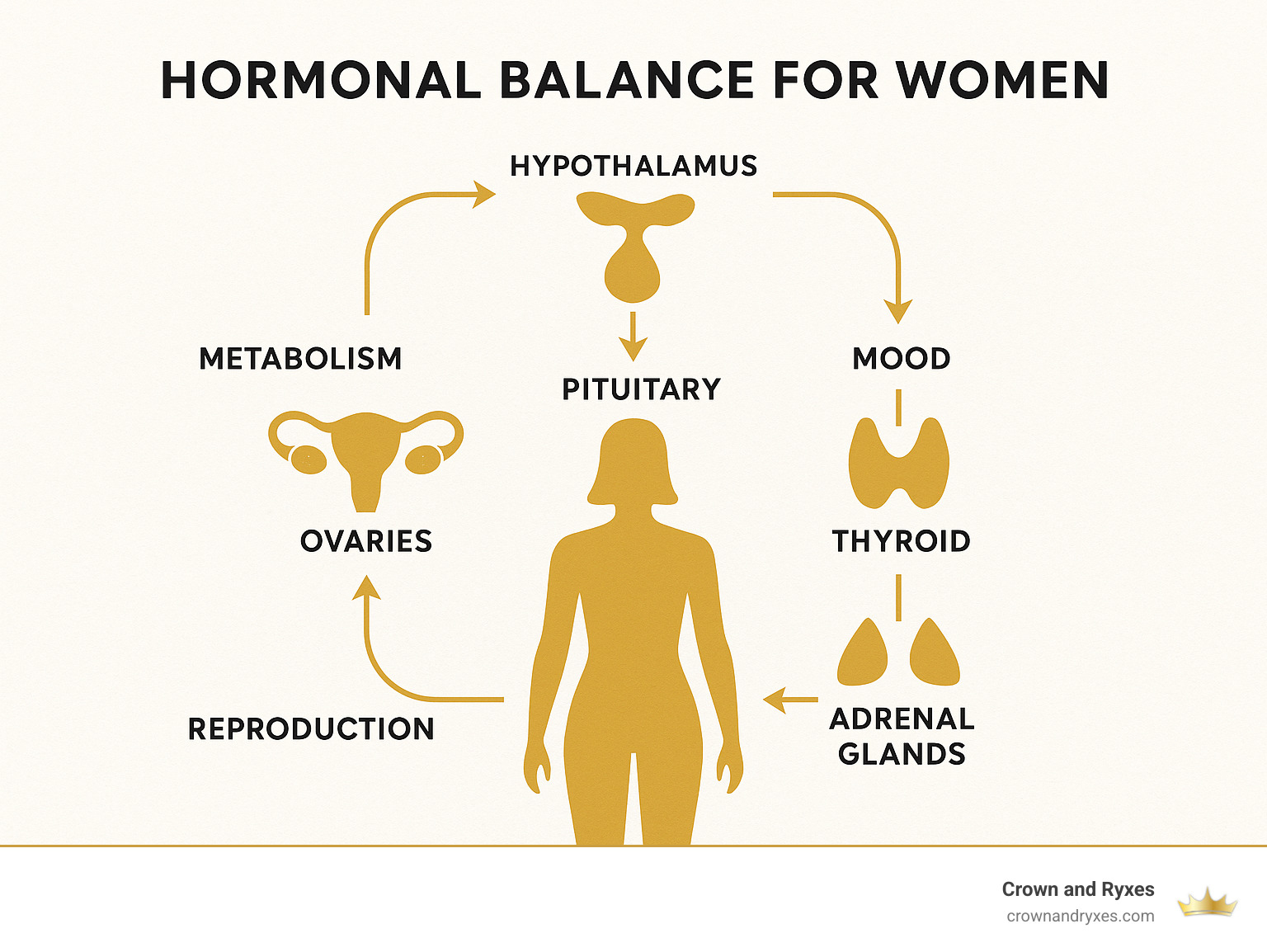
Your body maintains this balance through regular feedback loops—think of them as the conductor signaling between your brain and various endocrine glands. Your liver and gut handle the proper metabolism of these hormones, breaking them down when needed. And for hormones to do their work, you need healthy hormone receptor function in tissues throughout your body.
Life isn’t static, and neither are your hormones. They naturally shift through natural fluctuations during your monthly cycle and as you move through different life stages. The challenge comes when these fluctuations become erratic due to poor nutrition, ongoing stress, irregular sleep, or exposure to environmental toxins. When the symphony falls out of tune, you might experience irregular periods, mood swings, persistent fatigue, unexplained weight changes, skin problems, or decreased interest in sex.
As Dr. Whitney Crouch wisely notes, “Balancing hormones means bringing hormones back into relative balance for that individual.” This highlights an important truth: your optimal hormone balance is as unique as your fingerprint, influencing how you feel physically and emotionally every day.
I’m Dr. Matthew Casavant, a founding physician who has dedicated my career to helping women achieve hormonal balance for women through both cutting-edge medical treatments and personalized lifestyle approaches. After working with thousands of women struggling with hormone-related concerns, I’ve developed a deep appreciation for how intricately connected our bodily systems are in maintaining hormonal health.
Looking to learn more about women’s wellness? Explore these related topics:
– female sexual health
– female sexual health supplements
– sexuality definition
Understanding Hormonal Balance for Women
What Are Hormones & Why They Power Female Health
Think of hormones as your body’s text messaging system—tiny chemical messengers that zip through your bloodstream carrying important instructions to your cells. Despite their small size, these powerful compounds orchestrate nearly everything happening in a woman’s body, from energy levels to monthly cycles.
Your endocrine system—a network of specialized glands including the pituitary, thyroid, adrenals, ovaries, and pancreas—produces over 50 different hormones. Each one has a specific job in maintaining your health and vitality. Once released into your bloodstream, these messengers find their target tissues, attach to specific receptors (like keys finding the right locks), and trigger a cascade of cellular changes.
For women, several key hormones deserve special attention:
Estrogen, often called the “female hormone,” does far more than regulate your reproductive system. It maintains bone strength, supports heart health, influences your mood and thinking, and helps keep skin elastic and youthful by supporting collagen production.
Progesterone works as estrogen’s partner, creating balance particularly in the uterus. It prepares the uterine lining for potential pregnancy, supports early pregnancy if it occurs, improves sleep quality, and has natural calming effects on your nervous system.
Testosterone might surprise you! Though present in smaller amounts than in men, this hormone is vital for your sex drive, muscle maintenance, bone health, and overall energy levels.
Thyroid hormones (T3 and T4) act as your body’s thermostat and gas pedal, regulating metabolism, body temperature, heart rate, and energy production in every cell.
Cortisol, your body’s stress hormone, helps regulate blood sugar, manages inflammation, and coordinates your response to stressful situations.
Insulin works as your blood sugar manager, helping glucose enter your cells where it can be used for energy.
As the Cleveland Clinic notes, “Hormones are complex and powerful chemicals. If one or more of them goes out of whack, it can cause certain symptoms that make you feel like you’re not in control of your body.”
Defining Balance & Why Tiny Shifts Matter
Hormonal balance for women isn’t about having identical hormone levels to your friends or even your past self. It’s about maintaining the right proportions and patterns for your unique body at your current life stage.
Imagine your hormones like musicians in an orchestra—each playing its part at precisely the right time and volume. When even one instrument plays off-key or too loudly, the entire symphony suffers. The same happens in your body when hormones fall out of balance.
What makes this balance so delicate is the intricate feedback system controlling hormone production. Your brain’s hypothalamus sends signals to your pituitary gland, which then directs your ovaries to produce estrogen and progesterone. As these hormone levels rise, they signal back to your brain to adjust production—a process called negative feedback.
These feedback loops are incredibly sensitive. Even small disruptions can trigger noticeable symptoms. For example, when chronic stress lifts cortisol, it can suppress progesterone production, potentially creating an estrogen dominance that manifests as heavy periods or mood swings.
Your cells’ sensitivity to hormones matters too. Sometimes hormone levels look normal on paper, but your cells aren’t responding properly to their signals—similar to having five bars on your phone but still dropping calls.
Your natural daily rhythms significantly impact hormone release patterns. Cortisol naturally peaks in the morning to energize you and gradually declines throughout the day. Melatonin rises in the evening to promote sleep. Disrupting these patterns through irregular sleep schedules or night shift work can throw your hormones into disarray.
As Dr. Melissa Azzaro wisely points out, “Hormone imbalances don’t just happen, and they don’t happen in a vacuum.” They typically result from multiple factors converging to disrupt your body’s delicate chemical balance.
Understanding these complex relationships is the first step toward regaining hormonal balance for women and the vibrant health that comes with it.
Imbalance Unmasked: Causes, Symptoms & Life-Stage Shifts
When your body’s delicate hormonal orchestra falls out of tune, the effects can ripple through every aspect of your wellbeing. Understanding what throws hormones off balance is the first step toward restoring harmony.
The root causes of hormonal imbalance are rarely simple—they’re often a complex interplay of multiple factors. Chronic stress stands at the forefront of these disruptors. As Dr. Cobi Slater aptly puts it, “Stress is the number one cause of hormonal imbalance in women.” When stress becomes your constant companion, cortisol levels stay liftd, not only depleting precious progesterone but actually blocking its receptors—meaning even normal levels can’t do their job properly.
For about 10% of women in their reproductive years, Polycystic Ovary Syndrome (PCOS) creates a challenging hormonal landscape. This condition involves insulin resistance and higher-than-normal male hormones, leading to a constellation of symptoms from irregular periods to unwanted hair growth.
Your thyroid gland—that butterfly-shaped powerhouse in your neck—plays an outsized role in hormonal health. Thyroid disorders affect approximately 1 in 8 women during their lifetime, throwing metabolism, energy levels, and even reproductive hormones off balance.
What many women don’t realize is how their gut health influences their hormones. Your digestive system isn’t just for processing food—it’s a crucial player in hormone metabolism. Inflammation and imbalanced gut bacteria can interrupt the conversation between your brain and endocrine glands, affecting everything from stress hormones to sex hormones.
The nutrients you consume (or don’t) also impact your hormonal health. Healthy fats provide the raw materials your body needs to create steroid hormones, while minerals like magnesium and B vitamins help these hormones function properly. Without these nutritional building blocks, your hormone production can falter.
Our modern environment presents challenges our grandmothers never faced. Environmental toxins in plastics, pesticides, and even personal care products can mimic hormones in the body, particularly estrogen, creating confusion in your endocrine system.
And don’t underestimate the power of a good night’s sleep. Research shows that just five nights of poor sleep can decrease insulin sensitivity by a whopping 25%—a clear demonstration of how quickly hormonal balance can shift when we don’t prioritize rest.
Hormonal Balance for Women: Early Warning Signs
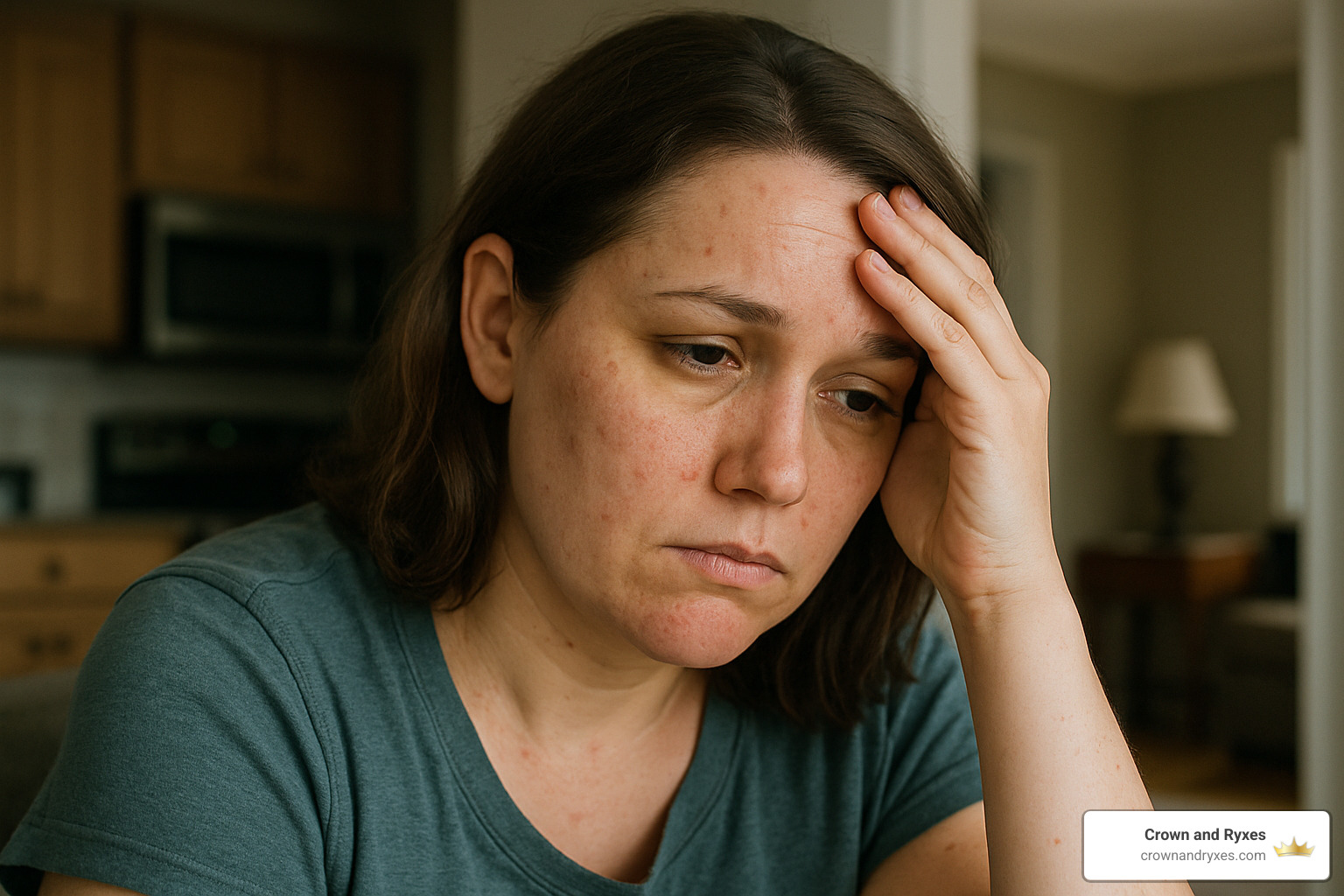
Your body speaks its own language when hormones fall out of balance. Learning to interpret these signals can help you address issues before they become more serious problems.
Pay attention to your menstrual cycle—it’s like a monthly report card for hormonal health. Most women have cycles lasting between 21 and 35 days. When your periods become consistently irregular—whether they’re coming too frequently, disappearing for months, or flooding heavier than usual—your hormones are likely trying to tell you something.
Those stubborn pimples that appear along your jawline and chin aren’t just annoying—they’re often messengers of hormonal balance for women issues, particularly related to androgens or an estrogen-progesterone mismatch.
Have your favorite jeans suddenly become too tight (or too loose) without changes to your diet or exercise routine? Unexplained weight shifts of 10 pounds or more often point to thyroid issues, insulin resistance, or cortisol imbalances.
Emotional rollercoasters aren’t always just “part of being a woman.” While mild mood changes throughout your cycle are normal, persistent irritability, anxiety that keeps you up at night, or depression that colors everything gray may signal hormonal disruptions that deserve attention.
When fatigue becomes your constant companion despite adequate sleep, your thyroid or adrenal glands might be struggling. Similarly, if you find yourself staring at the ceiling night after night or waking up repeatedly, low progesterone or liftd cortisol could be the culprits.
A noticeable drop in sexual desire isn’t something to brush aside as “just getting older.” Changes in libido often relate directly to shifts in testosterone, estrogen, or thyroid hormones.
Watch for changes in your hair and skin too. Thinning hair, especially around the crown, increasingly dry skin, or sprouting facial hair where you never had it before can all be hormonal signals.
Even digestive troubles can have hormonal roots. Constipation, persistent bloating, or new food sensitivities might be connected to your endocrine system, not just your digestive tract.
As Shirley Weir of Menopause Chicks beautifully expresses it, “Have you ever felt like your body is speaking a language you can’t quite understand?” These symptoms are your body’s attempts to communicate—and they deserve to be heard.
Hormonal Balance for Women: Life-Stage Checkpoints
A woman’s hormonal landscape isn’t static—it transforms dramatically throughout her life, with certain transitions acting as particularly significant turning points.
Puberty (ages 8-16) marks the awakening of the reproductive system. During this time, the communication pathway between the brain and ovaries kicks into gear, triggering surges in estrogen and progesterone that transform a girl’s body. These changes lay the foundation for reproductive health for decades to come.
For girls navigating this transition, hormonal balance for women benefits from nutrient-rich whole foods that provide the building blocks for hormone production. Healthy fats and proteins are particularly important during this time, as is regular physical activity and consistent sleep patterns that support this major developmental phase.
During the Reproductive Years (ages 17-35), a woman’s hormonal patterns typically find their rhythm. Estrogen dominates the first half of the menstrual cycle, creating the uterine lining and preparing for potential pregnancy. After ovulation, progesterone rises to maintain that lining and support conception if it occurs.
Women in this life stage might benefit from “cyclical eating”—adjusting their diet slightly to support different phases of their cycle. Managing stress becomes crucial during these years when many women are balancing career development with relationships or starting families. Regular exercise supports hormonal health, but excessive training can actually disrupt it—balance is key.
As women enter Perimenopause (ages 35-50), the ovaries begin their gradual retirement plan. This transition period, which can last 4-10 years, often brings the most noticeable hormonal fluctuations. Periods may become irregular, heavier, or lighter as estrogen and progesterone levels fluctuate unpredictably.
During perimenopause, increasing fiber intake helps support healthy estrogen metabolism, while cruciferous vegetables like broccoli and cauliflower provide compounds that aid the liver in processing hormones. Many women find adaptogenic herbs like ashwagandha helpful for moderating stress responses during this transition. Strength training becomes especially important as muscle mass naturally begins to decline.
Menopause and Beyond (50+) arrives officially when menstruation has ceased for a full year. Estrogen and progesterone production drops significantly, affecting everything from bone density to cardiovascular health to brain function.
In this stage, including foods with natural plant estrogens (like flaxseeds and soy) can help ease the transition. Calcium and vitamin D become even more crucial for bone health, while regular exercise—particularly weight-bearing activities—helps maintain muscle mass and bone density. Many women find that probiotics support not only digestive health but also the gut-hormone connection that becomes increasingly important with age.
At Crown and Ryxes, we understand that each woman’s hormonal journey follows its own unique path. Our approach to hormonal balance for women honors both the universal patterns that connect all women and the individual variations that make each woman’s experience uniquely her own. We believe in supporting your body’s natural wisdom at every life stage, with solutions custom to your specific needs.
Diagnosis & Solutions: Tests, Treatments & Everyday Habits
When you suspect your hormones might be out of balance, getting proper answers is the first step toward feeling better. Finding the right solution isn’t just about medical treatments—it’s about creating a personalized approach that fits your unique body and lifestyle.
Evidence-Based Medical Options
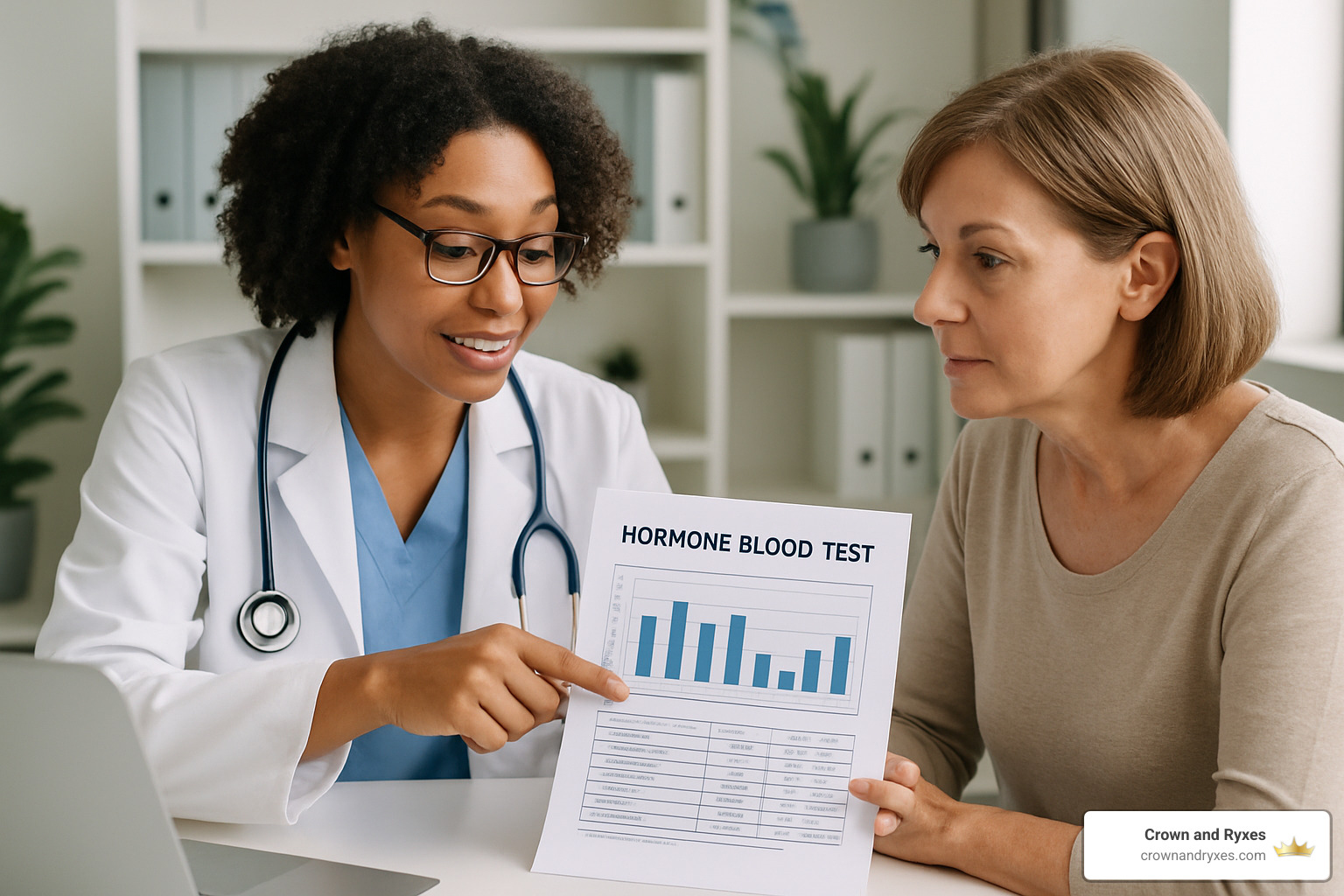
Getting to the root of hormonal issues starts with good testing. Think of hormone testing as detective work—each method offers different clues about what’s happening in your body.
Blood tests give us a snapshot of your hormone levels at one specific moment. They’re particularly helpful for checking thyroid hormones like TSH and T4, reproductive hormones like estrogen and testosterone, and metabolic markers like insulin. It’s like taking a photo—clear, but just one moment in time.
Saliva testing, on the other hand, measures the free, active hormones that are actually available for your body to use. This method is especially good for tracking cortisol patterns throughout the day, showing us how your stress response is working.
Some women benefit from comprehensive urine testing, like the DUTCH test, which reveals not just hormone levels but how your body is processing them. This gives us insights into why you might be experiencing certain symptoms even when basic hormone tests look normal.
As Dr. Cobi Slater wisely puts it, “Testing and not guessing is essential for an effective treatment plan.” Many standard doctor visits include only basic hormone panels that might miss subtle imbalances. That’s why working with someone who specializes in women’s hormonal health can make all the difference.
Once we understand what’s happening, several treatment approaches might help:
Bio-identical Hormone Replacement Therapy (BHRT) uses plant-derived hormones that exactly match what your body naturally produces. The beauty of BHRT is that it can be customized specifically for you and delivered through creams, patches, pills, or pellets depending on what works best for your body and lifestyle.
For women experiencing menopause symptoms, conventional Hormone Replacement Therapy (HRT) offers standardized doses of hormones that can provide relief from hot flashes, sleep disruption, and other challenging symptoms.
If your thyroid is underactive, medications like levothyroxine can replace missing thyroid hormones, often bringing remarkable improvements in energy, weight management, and mood.
For conditions like PCOS or insulin resistance, insulin-sensitizing medications might help restore balance, while hormonal contraceptives can regulate cycles for some women (though they don’t address underlying causes).
At Crown and Ryxes, we believe in thorough testing and truly personalized treatment plans. We take time to understand your unique health history, symptoms, and goals before recommending any approach to hormonal balance for women.
Lifestyle Anchors for Daily Balance
While medical treatments can be valuable tools, what you do every day has profound effects on your hormones. Small, consistent habits create the foundation for lasting hormonal balance for women.
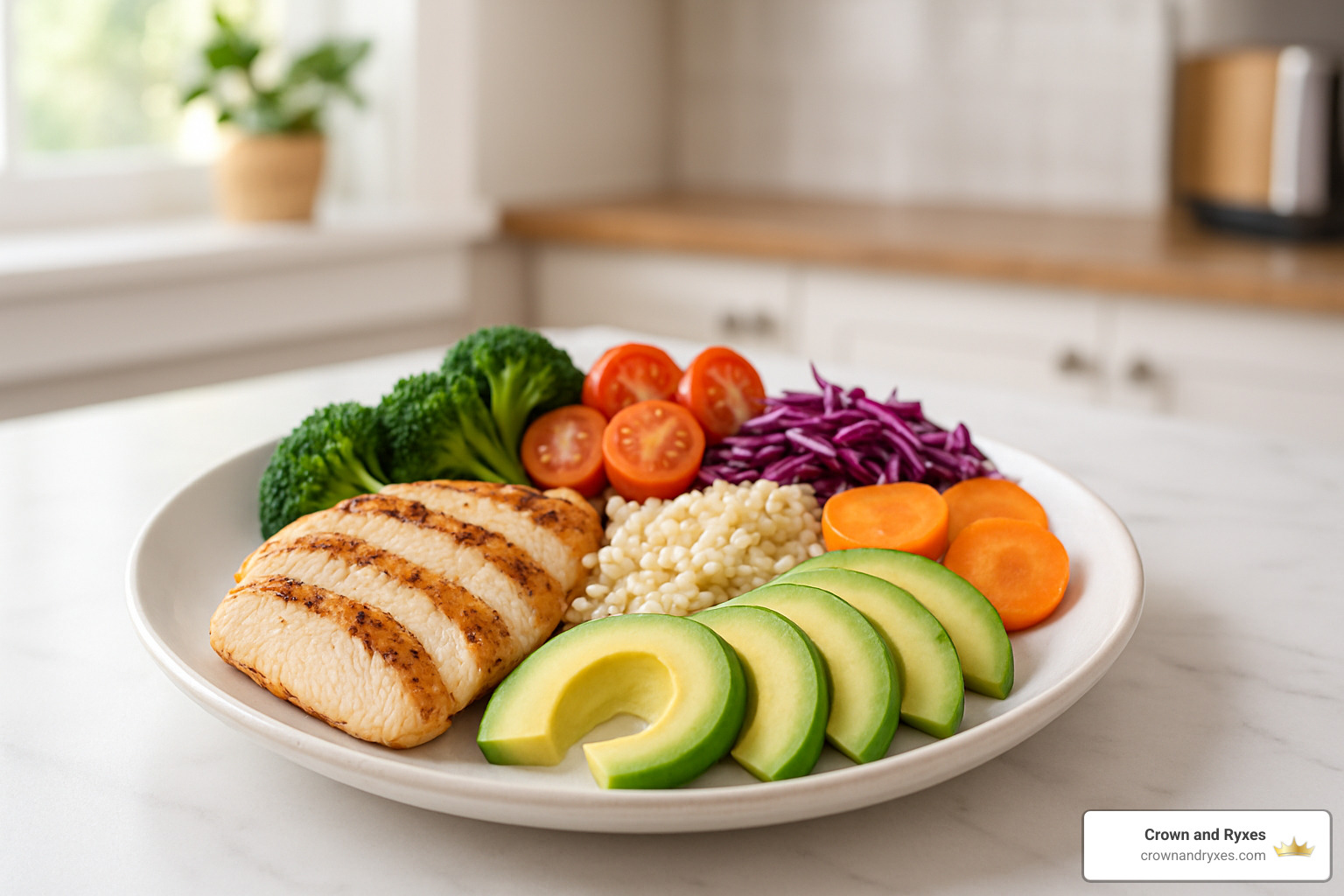
Your daily food choices directly influence how your hormones behave. Including 20-30 grams of quality protein at each meal supports hormone production and helps regulate hunger signals. Foods rich in omega-3 fatty acids like salmon, walnuts and flaxseeds provide the raw materials your body needs to make hormones, while also calming inflammation.
Fiber deserves special attention—aim for at least 25 grams daily from vegetables, fruits, and whole grains to help your body process and eliminate excess estrogen. Cruciferous vegetables like broccoli and cabbage contain special compounds that promote healthy estrogen metabolism, potentially reducing cancer risk.
For many women, a Mediterranean-style eating pattern works wonders for hormone balance. This approach emphasizes vegetables, fruits, whole grains, legumes, fish, and olive oil—foods that support steady blood sugar and reduce inflammation.
How you move your body also powerfully influences your hormones. Strength training 2-3 times weekly helps maintain muscle mass and bone density while improving insulin sensitivity. Many women find that short bursts of high-intensity exercise (HIIT) help their bodies use hormones more efficiently.
Even simple walking for 30 minutes daily can boost key hormones like testosterone and growth hormone that tend to decline with age. Mind-body exercises like yoga reduce stress hormones while improving overall balance.
The key is finding your personal sweet spot—too little exercise doesn’t provide benefits, but excessive exercise can actually disrupt hormones, especially if you’re already stressed or have low body fat.
Sleep and stress management might be the most underappreciated aspects of hormone health. Just five nights of poor sleep can decrease insulin sensitivity by 25% and throw hunger hormones out of balance. Aim for 7-9 hours of quality sleep and try to keep consistent bedtimes to support your body’s natural hormone rhythms.
Daily stress management practices—even just 10 minutes of meditation, deep breathing, or gentle movement—can lower cortisol levels and support overall hormone balance. Meaningful social connections also help regulate stress hormones, reminding us that wellness isn’t just about what we eat and how we exercise.
At our Crown and Ryxes centers in Clermont and Lady Lake, FL, we help women implement doable lifestyle changes that support lasting hormonal balance for women through personalized wellness plans.
Natural Allies & What the Science Says
Many women are drawn to natural approaches for hormone support, and for good reason—some natural remedies have solid science behind them. Let’s look at what actually works, according to research.
Among herbs, Vitex (chasteberry) stands out for its ability to improve PMS symptoms and potentially boost progesterone levels. Studies show it works by influencing dopamine receptors that affect prolactin secretion. Many women report significant relief from breast tenderness, irritability, and menstrual irregularities after using Vitex consistently.
Ashwagandha has earned its reputation as a powerful adaptogen—it helps the body respond more effectively to stress by regulating cortisol. For women whose hormonal issues stem from chronic stress, this ancient herb may offer meaningful support for both adrenal and thyroid function.
For menopausal symptoms, black cohosh has shown promise in reducing hot flashes, though research results vary. Some women find remarkable relief, while others notice little difference—highlighting how individual our hormone journeys truly are.
A simple cup of spearmint tea might help women with excess androgens—studies show drinking it twice daily for a month can reduce free testosterone levels in women with PCOS and unwanted facial hair.
Beyond herbs, certain nutrients play crucial roles in hormone health. Magnesium—nature’s relaxation mineral—supports over 300 enzyme reactions including those involved in hormone production. Many women are deficient, and supplementation often improves PMS symptoms, sleep quality, and stress response.
Vitamin D acts more like a hormone than a vitamin in the body, influencing reproductive hormone production. If you’re experiencing irregular periods or fertility challenges, checking your vitamin D levels might provide important insights.
The growing field of microbiome research reveals fascinating connections between gut health and hormones. Specific probiotic strains may help with estrogen metabolism and inflammation reduction, making them valuable allies for many women.
As the Cleveland Clinic wisely advises, “Few nutritional supplements have been scientifically proven to benefit hormonal balance; always consult a healthcare provider first.” At Crown and Ryxes, we recommend only high-quality, third-party tested supplements when appropriate, always as part of a comprehensive approach to hormonal balance for women.
For more detailed information about hormonal imbalances, their causes, and treatment options, you can visit the Cleveland Clinic’s comprehensive guide on hormonal imbalance.
Supplements aren’t regulated like medications, so quality matters tremendously. What works beautifully for your friend might not be right for your unique body and hormone picture. That’s why personalized guidance makes all the difference in finding natural approaches that truly support your hormonal wellness journey.
Empowerment Toolkit & Myth-Busting
Taking charge of your hormonal health means becoming your own best advocate. It’s not just about following doctor’s orders—it’s about understanding your body and making informed choices that work for you. After all, no one knows how you feel better than you do!
Common Myths vs Facts
Let’s face it—there’s a lot of misinformation out there about women’s hormones. Time to separate fact from fiction!
Myth #1: Soy foods disrupt hormones and should be avoided
The truth? That block of tofu isn’t your enemy. Research shows that enjoying moderate amounts of whole soy foods like edamame, tempeh, and tofu won’t throw your hormones into chaos. Soy contains phytoestrogens that actually interact with your body very differently than your natural estrogen. These plant compounds can help balance estrogen activity—and some studies suggest they might even protect against certain hormone-related cancers. So no need to panic about that miso soup!
Myth #2: Weight gain during menopause is inevitable and can’t be managed
While it’s true that hormonal shifts during menopause can change where your body stores fat (hello, midsection!), gaining significant weight isn’t something you simply have to accept. Many women successfully maintain their weight through this transition by staying active—especially with strength training—and focusing on nutrient-rich foods. Your body is changing, but you’re not powerless against these changes.
Myth #3: All hormone therapy is dangerous
Remember those alarming headlines about hormone therapy years ago? Medical understanding has evolved significantly since then. Today’s approaches, especially those using bio-identical hormones in appropriate doses custom to your needs, have very different risk profiles than older treatments. For many women, properly supervised hormone therapy can safely relieve debilitating symptoms and improve quality of life. It’s all about personalized care.
Myth #4: “Hormone-balancing” detox teas and cleanses can fix imbalances
I wish balancing complex hormonal systems were as simple as drinking a special tea! While certain herbs may support specific aspects of hormone function, no quick-fix cleanse can address the root causes of hormonal imbalance. Many products make impressive claims without scientific backing. Real, sustainable hormonal balance for women comes from consistent healthy habits and addressing underlying issues.
Myth #5: You need to suffer through hormonal symptoms—they’re just part of being a woman
Perhaps the most harmful myth of all is that severe hormonal symptoms are simply your cross to bear. As Chef Serena Poon wisely notes, “No one should have to settle for feeling cranky, irritable, achy or unfocused.” Debilitating PMS, heavy periods, and miserable hot flashes aren’t just “normal female suffering”—they’re signs that something needs attention, and effective treatments exist.

Red Flags That Warrant Professional Guidance
While some hormonal fluctuations are perfectly normal, certain symptoms shouldn’t be ignored. Trust your instincts—if something feels significantly off, it probably deserves attention.
Severe period pain or extremely heavy bleeding that interferes with your daily life isn’t something to power through. When you’re soaking through protection hourly or can’t function because of pain, it could signal conditions like endometriosis or fibroids that need medical care.
Missing periods for three months or more (when you’re not pregnant, breastfeeding, or in menopause) is your body waving a red flag. This condition, called amenorrhea, can affect more than just your reproductive health—it may impact your bone density and overall wellbeing.
When it comes to mood changes, we all have our ups and downs. But sudden, severe depression, anxiety, or mood swings that feel out of character warrant professional evaluation. While hormones can certainly affect mood, these changes might signal something that needs attention.
Unexplained weight shifts of more than 10 pounds—either up or down—might be your thyroid hormones talking. Similarly, persistent fatigue that doesn’t improve with a good night’s sleep could indicate thyroid issues or adrenal dysfunction that’s draining your energy reserves.
If you’ve been trying to conceive for 12 months without success (or 6 months if you’re over 35), hormonal factors might be at play. Hormone imbalances account for up to 40% of female infertility cases, making this a common but treatable concern.
Notice new or worsening hair growth on your face or body? Especially when paired with irregular periods or acne, this could point to PCOS or adrenal issues that benefit from early intervention.
At Crown and Ryxes, we believe in listening to women. Early attention to hormonal imbalances often prevents more serious health issues down the road and dramatically improves your quality of life. After all, achieving hormonal balance for women isn’t just about fixing problems—it’s about helping you feel like your best self again.
For more information about our women’s wellness solutions, visit our wellness page.
Frequently Asked Questions about Hormonal Balance for Women
How do I know if my symptoms are hormone-related?
When something feels off in your body, it can be challenging to pinpoint exactly what’s happening. Hormonal symptoms often follow predictable patterns that provide valuable clues. If you notice your symptoms worsen at specific times of your monthly cycle or appeared during a major life transition like perimenopause, there’s a good chance hormones are involved.
Look for these tell-tale signs that your symptoms might be hormone-related:
Your symptoms follow a cyclical pattern that worsens before or during your period. This timing isn’t coincidental—it directly reflects the natural rise and fall of estrogen and progesterone throughout your cycle.
Maybe you noticed these changes emerging during a significant hormonal shift like puberty, after having a baby, or as you approach menopause. These transitions naturally disrupt your hormonal equilibrium.
Another hint is when you experience multiple seemingly unrelated symptoms affecting different parts of your body. Hormonal balance for women influences everything from your skin and sleep to your mood and metabolism, so widespread symptoms often point to hormonal origins.
Many women tell me they’ve tried standard treatments without success. When conventional approaches don’t work, it’s worth investigating whether hormones might be the underlying factor.
At Crown and Ryxes, we understand how frustrating unexplained symptoms can be. That’s why we conduct comprehensive hormone assessments—to determine whether your symptoms stem from hormonal imbalances or if something else might be going on.
Can diet alone fix a hormonal imbalance?
Food is powerful medicine, especially when it comes to hormonal balance for women. What you eat directly influences how your body produces, metabolizes, and responds to hormones. But can diet alone completely resolve hormonal imbalances? The honest answer is: it depends.
For mild imbalances primarily related to lifestyle factors, thoughtful dietary changes can make a remarkable difference. Your body needs specific nutrients to create and process hormones effectively. Eating adequate protein (about 20-30g per meal) provides the building blocks your body needs for peptide hormone production. When you balance your macronutrients—proteins, fats, and carbohydrates—you help regulate insulin and blood sugar, which affects all other hormones.
Fiber-rich foods deserve special attention because they support proper estrogen metabolism, helping your body eliminate excess hormones rather than recirculating them. And don’t underestimate the power of anti-inflammatory foods like berries, fatty fish, and leafy greens that reduce systemic inflammation that can disrupt hormone signaling.
However, I’ve worked with many women whose hormonal imbalances stem from medical conditions like PCOS, thyroid disorders, or primary ovarian insufficiency. In these cases, while dietary improvements create a foundation for healing, they typically work best as part of a comprehensive approach that might include medication, targeted supplements, stress management, and other interventions.
As nutritionist Melissa Azzaro wisely points out, “Hormone imbalances don’t just happen, and they don’t happen in a vacuum.” They usually result from multiple factors that need addressing simultaneously. At Crown and Ryxes, we help you identify which dietary changes will have the biggest impact on your specific hormonal picture.
Are at-home hormone test kits reliable?
The rise of at-home hormone testing kits has made it easier than ever to check your hormone levels without visiting a doctor’s office. But as with most things in health, the full story is more nuanced than the marketing might suggest.
At-home testing offers some clear benefits. The convenience and privacy appeal to many women who might otherwise avoid testing altogether. These tests can often detect significant hormonal abnormalities and provide a starting point for conversations with healthcare providers. For women tracking their hormones over time, they can offer valuable insights into personal patterns.
But before you rush to order a kit, consider some important limitations. Many at-home tests capture just a single moment in time, missing the natural fluctuations that occur throughout your day and month. This snapshot approach can be particularly problematic for hormones like cortisol that follow daily rhythms or reproductive hormones that cycle monthly.
Quality control can be another concern. Clinical laboratories must meet rigorous standards that aren’t always required for direct-to-consumer testing. And perhaps most importantly, interpreting results without clinical context can lead to unnecessary worry or false reassurance. Some hormones, particularly thyroid hormones, have narrow optimal ranges that require precise measurement and expert interpretation.
For the most accurate assessment of your hormonal balance for women, I recommend comprehensive testing through established laboratories under healthcare provider supervision. At Crown and Ryxes, we offer thorough hormone testing that captures the complete picture of your hormonal health, not just isolated values.
As the Cleveland Clinic wisely advises, “If you have new and persistent symptoms, talk to your healthcare provider to get tested and start treatment” rather than relying solely on at-home testing. Your hormonal health deserves this level of care and expertise.
Conclusion
The journey to hormonal balance for women isn’t a straight path—it’s more like a winding river that changes with the seasons of your life. Throughout this guide, we’ve seen how these powerful chemical messengers touch virtually everything that makes you feel like you: your energy, your moods, your reproductive health, and even how quickly you age.
As we wrap up our exploration, let’s gather the threads of what we’ve learned together:
Your hormonal fingerprint is uniquely yours. What works for your sister, best friend, or the wellness influencer you follow might not be right for you. Your body has its own hormonal rhythm and requirements that deserve personalized attention.
Your body’s systems talk to each other constantly. Your gut health influences your hormone metabolism. Your stress levels affect your thyroid function. Your sleep patterns impact your reproductive hormones. This beautiful, complex conversation between systems is happening inside you every moment of every day.
Finding balance often means walking on two paths at once. The daily habits path—what you eat, how you move, when you sleep—creates the foundation. The medical intervention path—whether that’s thyroid medication, hormone replacement, or other therapies—can provide targeted support when needed. Both paths have value.
Knowledge truly is power when it comes to your hormonal health. Understanding the basics of how your hormones work helps you recognize when something’s off and gives you the language to advocate effectively with healthcare providers.
Hormonal balance for women isn’t a destination you reach once and then you’re done. It’s more like tending a garden that changes with the seasons of your life, requiring different care during puberty, your reproductive years, perimenopause, and beyond.
Here at Crown and Ryxes, we see you as a whole person, not just a collection of symptoms or hormone levels. Our approach brings together the best of advanced medical therapies with practical, sustainable lifestyle strategies that fit your real life. We customize every treatment plan because we understand that your hormonal journey is as individual as your fingerprint.
Whether you’re dealing with frustrating symptoms that have been brushed aside by other providers, or you’re simply wanting to feel your absolute best, our team in Clermont and Lady Lake, FL is ready to partner with you.
Remember what Dr. Cobi Slater wisely noted: “Your body works as a system and is meant to heal itself, so don’t feel overwhelmed!” With the right support and strategies, finding your personal hormonal harmony is absolutely possible. When you do, you may be amazed at how much better you sleep, how much clearer you think, how much steadier your moods become, and how much more energy you have for the things and people you love.
Learn more about our women’s wellness solutions and take that first step toward feeling like yourself again—or perhaps finding a version of yourself that feels better than ever before.