
What is Hormone Replacement Therapy and Why is it Used?
Understanding Hormone replacement therapy (HRT) can feel like navigating a maze, especially when you’re looking for solutions to common health changes. Many people wonder exactly what it is and how it can help.
Here’s the quick take:
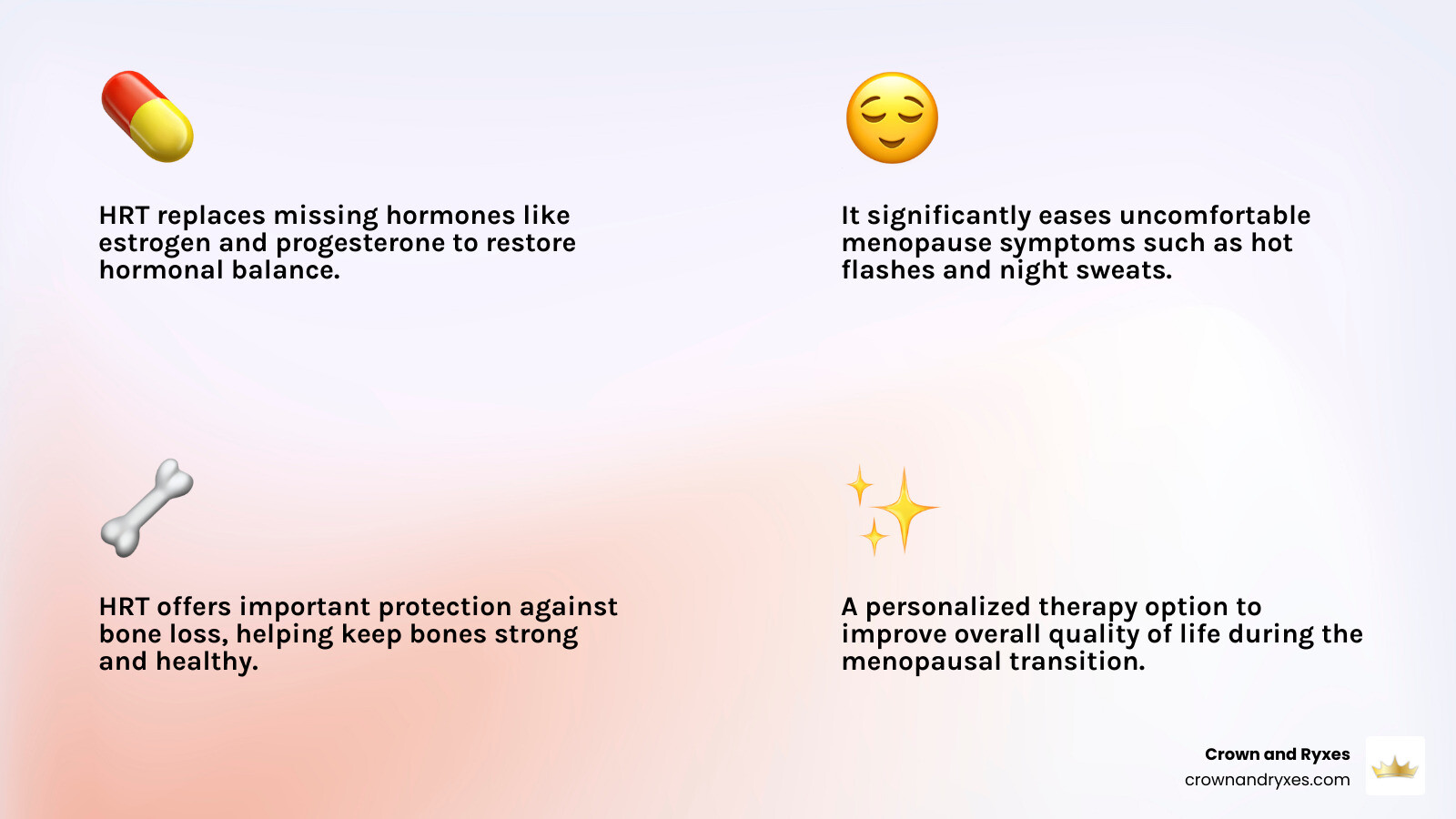
- What is HRT? It’s a medical treatment that gives your body hormones it might be missing, usually estrogen and sometimes progesterone.
- Why is it used? HRT primarily helps ease uncomfortable symptoms of menopause, like hot flashes, night sweats, and mood swings. It also offers important protection against bone loss, helping keep your bones strong.
I’m Dr. Matthew Casavant. As a physician, I’ve dedicated my career to staying on top of the latest medical advances, seeing how treatments like Hormone replacement therapy (HRT) can truly make a difference for my patients. I believe in open communication and ensuring you have all the information to make the best decisions for your health journey.
Hormone replacement therapy (HRT) terms to learn:
Menopause is a natural and inevitable stage in a woman’s life, marking the end of her reproductive years. This transition usually occurs between the ages of 45 and 55, with the average age being 51. However, the journey to menopause, known as perimenopause, can begin much earlier, sometimes even in a woman’s late 30s or early 40s. During this time, our bodies experience fluctuating and eventually declining levels of key female hormones, primarily estrogen and progesterone.
These hormonal shifts can trigger a wide array of symptoms, impacting daily life significantly. The most commonly discussed symptoms include hot flashes (also known as vasomotor symptoms or VMS) and night sweats, which can disrupt sleep and cause considerable discomfort. Vaginal dryness, mood swings, irritability, anxiety, and sleep disturbances are also frequent complaints. These aren’t just minor inconveniences; they can severely affect a woman’s quality of life. In fact, studies show that approximately 40% to 60% of women seek treatment for menopausal symptoms, yet a surprising 20% may delay seeking help for over a year. Even among older women, these symptoms persist, with 42% of those aged 60 to 64 and 33% aged 65 to 79 still reporting VMS. In Australia, for instance, 74% of postmenopausal women younger than 55 experience VMS, with 28% reporting moderate or severe symptoms.
This is where Hormone replacement therapy (HRT), often referred to as Menopausal Hormone Therapy (MHT), steps in. At its core, HRT is a medical treatment designed to replenish the hormones (mainly estrogen, and sometimes progesterone) that our bodies produce less of during perimenopause and menopause. The primary goal is to alleviate these bothersome symptoms, allowing women to steer this natural transition with greater comfort and improved well-being. Beyond symptom relief, HRT can also play a crucial role in preventing long-term health issues like osteoporosis.
The understanding and acceptance of HRT have evolved significantly over the years. A major turning point was the Women’s Health Initiative (WHI) study, whose initial findings in 2002 raised concerns and led to a sharp decline in HRT use. However, subsequent re-analyses and longer-term follow-ups have provided a more nuanced and often more positive picture, highlighting the importance of factors like a woman’s age, the type of HRT, and the timing of its initiation. We now have a much clearer understanding of who can benefit most from HRT and how to minimize potential risks.
The Two Sides of the Coin: Weighing the Benefits and Risks of HRT
When it comes to Hormone replacement therapy (HRT), there’s no one-size-fits-all answer. Every woman’s experience with menopause is unique, and what feels like a life-changing solution for your friend might not be the right choice for you. That’s why understanding both the benefits and potential risks is so important.
Think of this decision like choosing whether to take a new job offer. You’d want to know about the salary, benefits, and growth opportunities, but you’d also want to understand the challenges, workload, and potential downsides. The same thoughtful approach applies here.
The Main Benefits of Hormone Replacement Therapy (HRT)
Let’s start with the good news. For many women, Hormone replacement therapy (HRT) can be truly transformative, offering relief from symptoms that have been disrupting their daily lives for months or even years.
Symptom relief is often the most immediate and noticeable benefit. If you’ve been dealing with hot flashes that leave you drenched in sweat during important meetings, or night sweats that have you changing pajamas at 3 AM, HRT can be remarkably effective. Research shows it can reduce these vasomotor symptoms by an impressive 85%. That’s not just a small improvement – that’s life-changing relief for many women.
Better sleep often follows naturally. When you’re not waking up multiple times a night in a pool of sweat, your sleep quality improves dramatically. And better sleep means better mood and less of that irritability and anxiety that can come with hormonal fluctuations.
Bone health is another major benefit that shouldn’t be overlooked. Your bones love estrogen – it helps keep them strong and dense. When estrogen levels drop during menopause, your bones can become more fragile, increasing your risk of osteoporosis and fractures. HRT steps in to provide that bone protection, significantly reducing fracture risk. This is especially important as you age, when a broken hip or wrist can have serious long-term consequences.
Many women also struggle with Genitourinary Syndrome of Menopause (GSM), which is a medical term for the uncomfortable changes that affect your vaginal and urinary health. This can include vaginal dryness, itching, burning, and pain during intercourse, as well as urinary urgency or frequent UTIs. HRT, particularly local estrogen therapy, can provide excellent vaginal atrophy relief and restore comfort to these intimate areas.
The relationship between HRT and cardiovascular health is more complex, but there’s encouraging news here too. Recent research supports what’s called the “timing hypothesis” – for women who start HRT before age 60 or within 10 years of menopause, there may actually be protective effects on heart health. The Women’s Health Initiative study found that women taking estrogen-only therapy (those without a uterus) had a 6% decrease in coronary heart disease risk.
Sexual wellness often improves significantly with HRT. Beyond addressing vaginal dryness, many women report improved libido and reduced pain during intercourse. At Crown and Ryxes, we understand that sexual wellness is an important part of overall health and happiness. Our REGENmax treatments for Female Sexual Health can work alongside HRT to help restore vitality and confidence in this important area of your life.
Understanding the Potential Risks and Side Effects
Now for the more challenging part of the conversation. Like any medical treatment, HRT does come with potential risks and side effects. Much of what we know comes from the Women’s Health Initiative study, which initially caused quite a stir when its findings were first released in 2002.
The WHI study findings were complex, and it’s important to understand that there were actually two parts to this study. The CEE/MPA arm included women with a uterus who took both estrogen and synthetic progestogen, while the CEE-only arm included women without a uterus who took only estrogen.
Breast cancer risk is often the first concern women raise, and understandably so. With estrogen plus progestogen therapy (EPT), the study showed a 24% increase in invasive breast cancer risk after about 5.6 years of use. However – and this is important – estrogen-only therapy (ET) actually showed different results. Women taking estrogen alone had a 23% reduction in breast cancer incidence with long-term follow-up. They also had 63% fewer deaths from breast cancer and 38% fewer deaths from all other causes after breast cancer was diagnosed.
For detailed information about hormone therapy and cancer risks, you can review the Menopausal Hormone Therapy and Cancer (National Cancer Institute).
Cardiovascular risks include some increased risk of blood clots (VTE) and stroke. The risk of blood clots was about 2-fold higher with oral HRT, though this risk is lower with patches or gels applied to the skin. Stroke risk increased modestly in both study groups.
Common side effects are usually mild and often improve within the first three months as your body adjusts. You might experience breast tenderness, bloating, headaches, or irregular bleeding. These aren’t dangerous, but they can be annoying while your body gets used to the hormones.
Here’s what’s crucial to remember: these risks aren’t the same for everyone. Your individual risk depends on your age, health history, family history, lifestyle, and the specific type of HRT you use. For most healthy women under 60 or within 10 years of menopause, the benefits often outweigh the risks – but this is exactly the kind of decision that requires a thoughtful conversation with a healthcare provider who knows your individual situation.
| Aspect | Potential Benefits | Potential Risks |
|---|---|---|
| Vasomotor Symptoms | 85% reduction in hot flashes and night sweats | Temporary increase in symptoms when starting or stopping |
| Bone Health | Significant protection against osteoporosis and fractures | Minimal risk when properly monitored |
| Breast Cancer | 23% reduction with estrogen-only therapy | 24% increase with combined therapy after 5+ years |
| Cardiovascular | Potential protection if started early (timing hypothesis) | Increased blood clot and stroke risk, especially with oral forms |
| Sexual Health | Improved libido, reduced vaginal dryness and pain | Possible irregular bleeding initially |
These numbers represent population-level risks and benefits. Your individual experience may be quite different, which is why personalized medical guidance is so important in making this decision.