

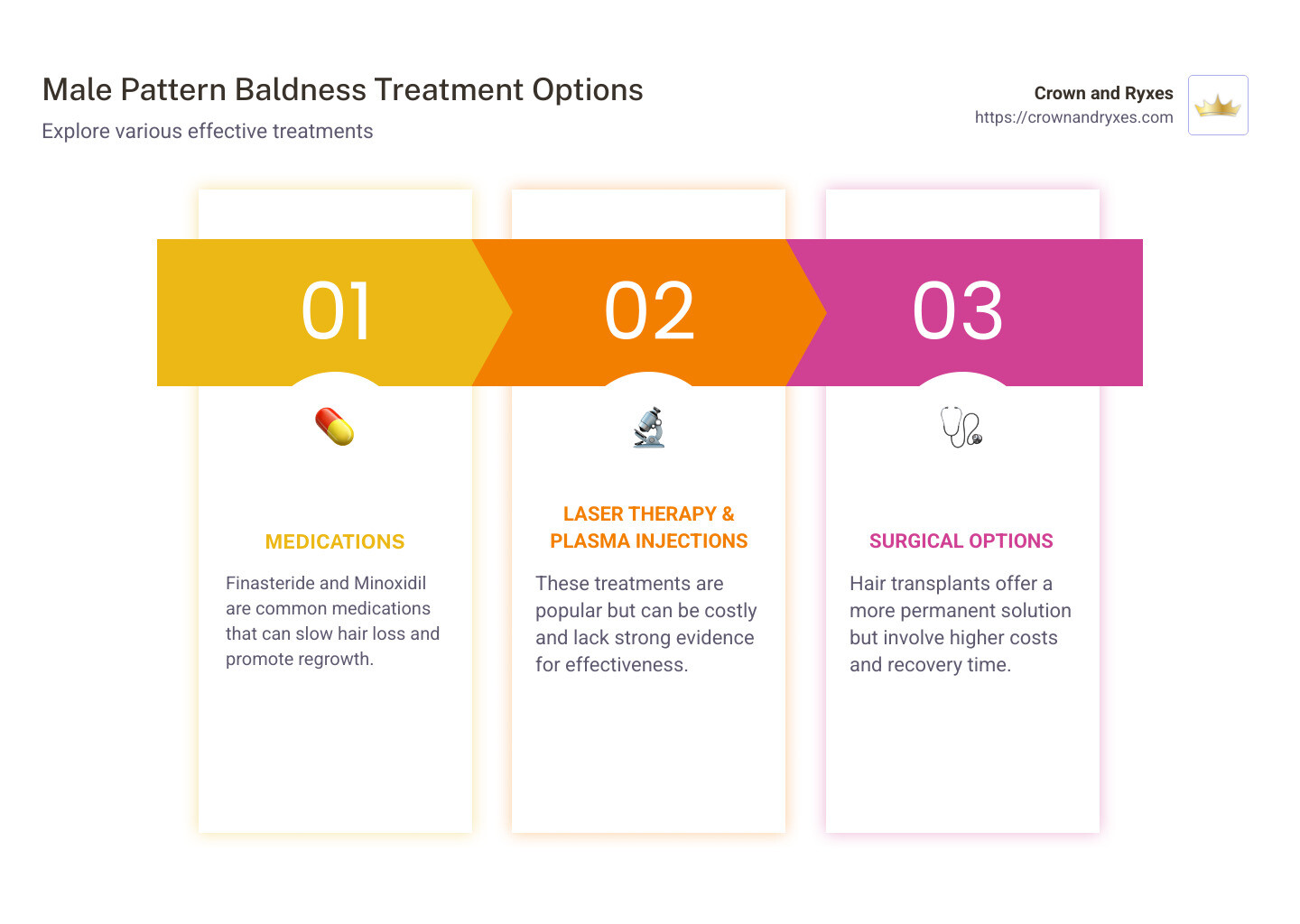
Male pattern baldness treatment can be a game-changer for many men facing the frustration of hair loss. It’s vital to know that while there is no complete reversal, several treatments can significantly slow and even partially restore lost hair. Here’s a quick overview of what you can expect:
- Medications like Finasteride and Minoxidil: Effective for many, these can slow hair loss and, in some cases, promote regrowth.
- Laser Therapy and Plasma Injections: Though these are popular, they lack strong evidence for effectiveness and can be costly.
- Surgical Options: Hair transplants offer more permanent solutions, but they come with a higher price and recovery time.
Hair loss is a common problem that impacts self-esteem and identity. Accepting baldness doesn’t come easy for everyone. Many individuals feel its emotional toll, experiencing reduced confidence and attractiveness.
I’m Dr. Matthew Casavant, committed to combining personalized care with cutting-edge solutions for hair loss. With years of medical expertise, I’m here to guide you through male pattern baldness treatment options, ensuring you feel informed and empowered.
Understanding Male Pattern Baldness
Male pattern baldness, also known as androgenetic alopecia, is a common condition affecting nearly half of all men over 40. To understand how and why this happens, let’s break down the main factors involved: genetics, hormone sensitivity, and the hair growth cycle.
Genetic Factors
Male pattern baldness is largely genetic. If your father or grandfather experienced hair loss, there’s a good chance you might too. About 1 in 5 men in their 20s and nearly half in their 40s will experience some degree of this condition. Interestingly, male pattern baldness tends to be more prevalent among Caucasian men compared to other ethnic groups.
Hormone Sensitivity
Hormones play a crucial role in hair loss. Specifically, male hormones called androgens affect hair follicles. These hormones can shorten the hair growth phase, leading to thinner and shorter hair over time. In some areas of the scalp, androgens cause hair follicles to shrink, resulting in the characteristic horseshoe pattern of baldness.

Hair Growth Cycle
The hair growth cycle consists of three main phases: anagen (growth), catagen (transition), and telogen (rest). Normally, hair stays in the anagen phase for several years. However, in male pattern baldness, this phase is significantly shortened. Hair falls out sooner and is replaced by thinner, weaker strands. Eventually, hair follicles may stop producing new hair altogether.
Understanding these factors can help you make informed decisions about male pattern baldness treatment. Whether you choose medications, surgical options, or lifestyle changes, knowing the underlying causes of hair loss is the first step in managing it effectively.
Next, we’ll explore the various treatment options available, including medications like finasteride and minoxidil, and how they can help combat hair loss.
Male Pattern Baldness Treatment Options
When it comes to male pattern baldness treatment, there are several options to consider. Each has its own benefits and considerations. Let’s explore the most common treatments: finasteride, minoxidil, and hair transplant surgery.
Finasteride
Finasteride is an oral medication that targets the hormone dihydrotestosterone (DHT), which is linked to hair loss in men. By inhibiting DHT, finasteride helps prevent further hair loss and can even promote regrowth in some cases. It’s typically taken once a day.
- Effectiveness: Many users see a reduction in hair loss and some regrowth, especially on the crown and top of the head.
- Side Effects: Some men experience sexual side effects or mental health changes. It’s important to discuss these risks with a healthcare provider before starting treatment.
Minoxidil
Minoxidil is a topical solution applied directly to the scalp. It works by widening blood vessels, which improves blood flow to hair follicles and prolongs the hair growth phase.
- Effectiveness: Particularly effective for regrowth in the crown area, minoxidil requires consistent use to maintain results. Changes may be noticeable after a few months.
- Side Effects: Generally well-tolerated, but some users may experience scalp irritation.
Hair Transplant Surgery
For those seeking a more permanent solution, hair transplant surgery is an option. This procedure involves moving hair follicles from a donor area (usually the back of the head) to balding areas.
- Types of Procedures:
- Follicular Unit Extraction (FUE): Individual follicles are extracted and transplanted.
- Follicular Unit Transplantation (FUT): A strip of scalp is removed, and follicles are transplanted.
- Effectiveness: Results can be very natural-looking, but the procedure can be costly and requires recovery time.
- Considerations: Not everyone is a candidate for surgery. It’s crucial to consult with a qualified specialist to determine if this is a viable option.
Each of these treatments offers a different approach to managing male pattern baldness. The right choice depends on individual needs, preferences, and medical advice. Next, we’ll dig into topical and systemic treatments, exploring options like topical minoxidil, oral finasteride, and dutasteride.
Topical and Systemic Treatments
When exploring male pattern baldness treatment, understanding the differences between topical and systemic treatments is key. Let’s look at some of the most common options: topical minoxidil, oral finasteride, and dutasteride.
Topical Minoxidil
Minoxidil is a topical solution applied directly to the scalp. It’s designed to improve blood flow to hair follicles, which can help prolong the hair growth phase.
- Application: Typically applied twice daily for best results.
- Effectiveness: Particularly effective in the crown area. Users often notice changes after a few months, but continuous use is necessary to maintain hair growth.
- Side Effects: Generally mild, with possible scalp irritation being the most common.
Minoxidil is a well-known treatment due to its effectiveness and accessibility. It’s often the first line of defense against hair loss.
Oral Finasteride
Finasteride is an oral medication that targets the hormone dihydrotestosterone (DHT), which plays a significant role in male pattern baldness.
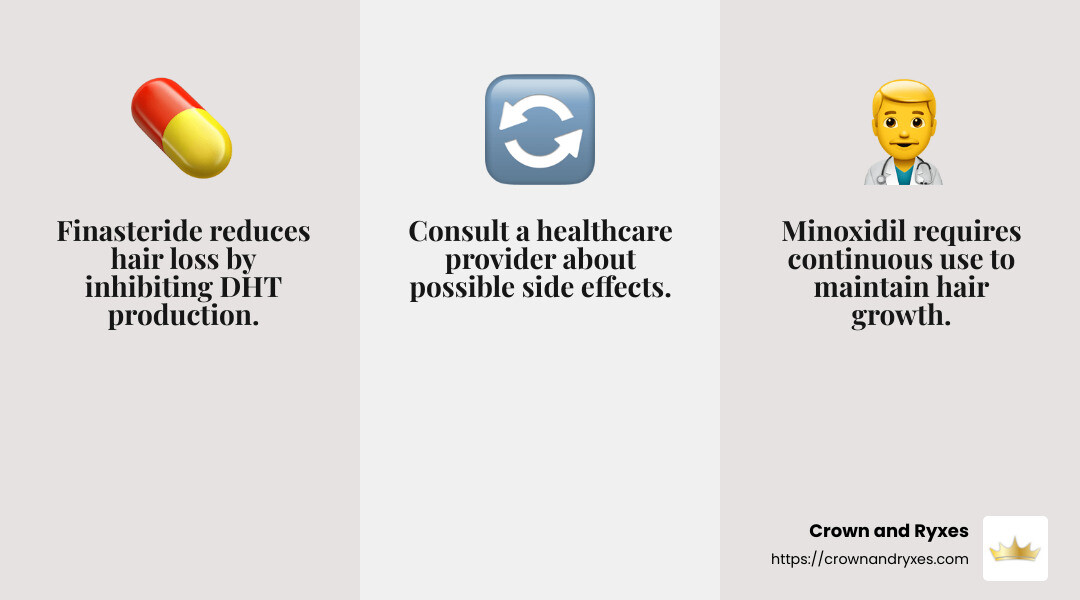
- Mechanism: Inhibits DHT production, preventing further hair loss and potentially promoting regrowth.
- Dosage: Taken once daily, it’s a convenient option for many men.
- Effectiveness: Studies show it reduces hair loss and can promote regrowth, especially on the crown and top of the head.
- Side Effects: A small percentage of users may experience sexual side effects or mood changes. It’s crucial to discuss these with a healthcare provider.
Dutasteride
Dutasteride is another systemic treatment option, similar to finasteride, but with some differences in its action.
- Mechanism: Blocks not one, but two enzymes responsible for converting testosterone to DHT, potentially making it more potent than finasteride.
- Effectiveness: Some studies suggest it may be more effective than finasteride, though it’s not FDA-approved for hair loss in the United States.
- Side Effects: Similar to finasteride, including potential sexual side effects and mood changes.
Dutasteride is often considered when finasteride is not effective enough, but its use should be closely monitored by a healthcare professional.
In summary, both topical and systemic treatments offer viable solutions for managing male pattern baldness. The choice between them depends on individual preferences, the extent of hair loss, and a thorough discussion with a healthcare provider. Next, we’ll explore procedural interventions like hair transplant surgeries and other advanced techniques.
Procedural Interventions
When topical and systemic treatments aren’t enough, procedural interventions step in as a powerful option for male pattern baldness treatment. Let’s explore some of the most common surgical options: hair transplant, scalp reduction surgery, and artificial hair transplant.
Hair Transplant
Hair transplants are a popular choice for those seeking a more permanent solution to hair loss. This procedure involves moving hair follicles from a dense area (usually the back of the head) to the balding spots.
- Techniques:
- Follicular Unit Transplantation (FUT): Involves removing a strip of scalp and separating it into individual follicular units. This method can achieve high hair density but may leave a linear scar.
Follicular Unit Extraction (FUE): Removes individual hair follicles directly from the scalp. It leaves minimal scarring and has a shorter recovery time.
Effectiveness: Both methods can produce natural-looking results, but FUE is often preferred for its less invasive nature.
Considerations: It’s crucial to have a good donor hair supply and realistic expectations. Results can take months to fully appear, and there’s always a risk of graft failure.
Scalp Reduction Surgery
Scalp reduction surgery involves removing bald scalp areas and stretching the remaining hair-bearing skin to cover the bald spots.
Suitability: Best for those with extensive hair loss or scarring alopecia. It can be combined with other transplant techniques for maximum coverage.
Recovery: This procedure requires significant recovery time and can result in visible scarring, which might not be ideal for everyone.
Limitations: Not suitable for those with limited donor areas or who prefer less invasive procedures.
Artificial Hair Transplant
Artificial hair transplant is an option for individuals who may not be suitable candidates for traditional hair transplantation due to insufficient donor hair.
Process: Involves implanting synthetic fibers into the scalp to mimic natural hair.
Advantages: Offers an immediate improvement in appearance without waiting for natural hair to grow.
Risks: Potential for infection, rejection of the synthetic fibers, and regular maintenance is required.
Procedural interventions offer various solutions for those struggling with male pattern baldness. Each option has its pros and cons, and choosing the right one depends on personal needs and consultation with a qualified surgeon. Next, we’ll explore lifestyle changes and alternative solutions that can complement these treatments.
Lifestyle and Alternative Solutions
While medical and surgical treatments are effective, lifestyle changes can play a crucial role in managing male pattern baldness. Let’s explore some straightforward strategies that can make a difference.
Quit Smoking
Smoking isn’t just bad for your lungs; it can harm your hair too. Studies have shown that smoking can accelerate hair loss by affecting blood circulation and damaging hair follicles. Quitting smoking can slow down hair loss and improve overall health.
Stress Management
Stress can exacerbate hair loss. Finding ways to manage stress is essential. Consider activities like:
- Meditation and Yoga: These can help calm the mind and reduce stress levels.
- Exercise: Regular physical activity boosts endorphins, which can help manage stress and improve mood.
Diet and Lifestyle
What you eat can impact your hair health. A balanced diet rich in essential nutrients supports hair growth and overall wellness.
- Nutrient-Rich Foods: Include foods like nuts, seeds, and leafy greens to provide vitamins and minerals that promote hair health.
- Hydration: Drinking enough water is vital for maintaining healthy hair and scalp.
- Limit Alcohol and Caffeine: These can dehydrate the body and affect hair health.
Alternative Approaches
Some people explore alternative therapies, although scientific backing is limited:
- Herbal Supplements: Some believe herbs like saw palmetto can help, but evidence is mixed.
- Scalp Massage: This can increase blood circulation to the scalp, possibly aiding in hair health.
Lifestyle changes may not reverse male pattern baldness, but they can contribute to healthier hair and overall well-being. Now, let’s address some frequently asked questions about male pattern baldness treatment.
Frequently Asked Questions about Male Pattern Baldness Treatment
How to reverse male pattern baldness naturally?
Reversing male pattern baldness naturally is challenging since it’s primarily genetic. However, some lifestyle adjustments might help slow the process:
- Healthy Diet: Consuming a balanced diet rich in vitamins and minerals can support hair health. Foods like spinach, nuts, and fish are great choices.
- Stress Reduction: Managing stress through activities like yoga or meditation can help, as stress may worsen hair loss.
- Scalp Care: Regular scalp massages can improve blood circulation, potentially promoting healthier hair growth.
While these methods might not fully reverse baldness, they can improve overall hair health and slow down hair loss.
What are the main treatments for male pattern baldness?
Several treatments can help manage male pattern baldness:
- Minoxidil: This topical solution is applied directly to the scalp and can slow hair loss and promote regrowth. It’s available over the counter in 2% and 5% formulations.
- Finasteride: An oral medication that reduces dihydrotestosterone (DHT) levels, which can help prevent further hair loss. It’s prescription-only and requires continuous use.
- Hair Transplant Surgery: This involves moving hair follicles from one part of the body to the scalp. It’s a more permanent solution but can be costly.
Each treatment has its own pros and cons, and what works best can vary from person to person.
Are there any side effects of hair loss treatments?
Yes, while treatments for male pattern baldness can be effective, they may come with side effects:
- Minoxidil: Users might experience scalp irritation, itching, or dandruff. Initial hair shedding is also common but temporary.
- Finasteride: Some may experience sexual side effects like reduced libido or erectile dysfunction. These effects are generally rare and often resolve after stopping the medication.
- Surgical Options: Hair transplant surgery can lead to temporary swelling, bruising, or scarring. It’s important to follow post-operative care instructions closely.
Always consult with a healthcare professional before starting any treatment to understand potential risks and benefits.
Conclusion
At Crown and Ryxes, we understand that dealing with hair loss is not just about addressing an aesthetic concern—it’s about starting on a personalized restoration journey. Male pattern baldness treatment is not one-size-fits-all, and our approach is custom to meet each individual’s unique needs and goals.
Our mission is to guide you through a wellness journey that restores not just your hair, but also your confidence. Whether you’re considering topical treatments like minoxidil, oral medications such as finasteride, or more permanent solutions like hair transplant surgery, we are here to support you every step of the way.
With locations in Clermont and Lady Lake, FL, Crown and Ryxes offers premier hair restoration services designed to fit into your lifestyle. We believe that taking a positive approach to hair loss can transform your outlook and improve your quality of life.
Ready to explore your options? Find more about our hair transplant services and start your personalized restoration journey with us today. Together, let’s turn “Hair Today, Gone Tomorrow” into a story of renewal and self-findy.