

Why Understanding Your Hair Loss Matters
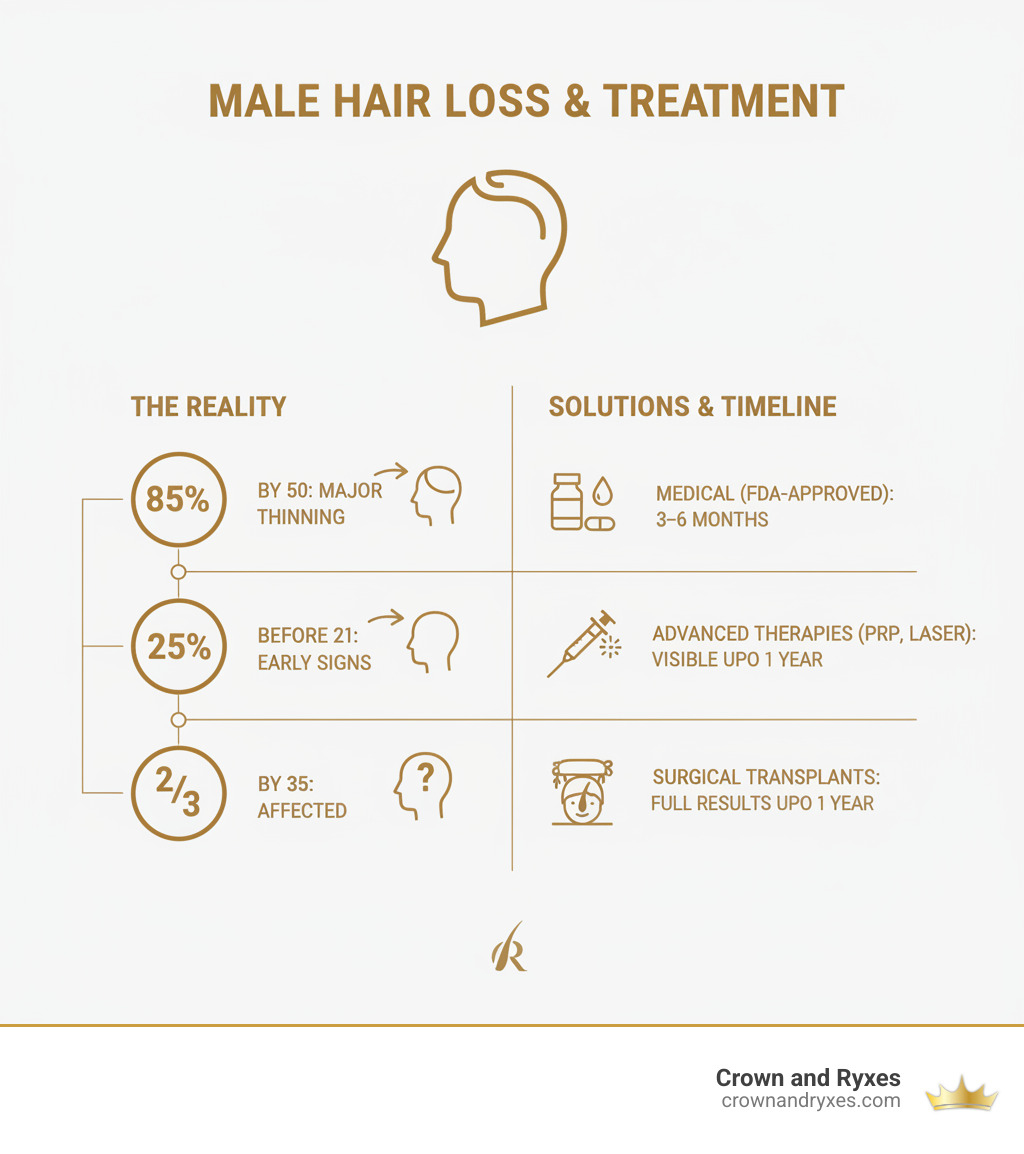
Male thinning hair treatment is a search undertaken by millions. By age 50, about 85% of men face significant hair thinning, with 25% seeing signs before age 21. If you’re noticing a receding hairline or more hair in the drain, you’re not alone, and effective solutions are available.
The truth is, 95% of hair loss is treatable when you understand the cause and choose the right approach. This isn’t just about vanity; hair loss affects confidence and social interactions. The psychological impact is real, but so are the solutions.
This guide will walk you through the causes of male pattern baldness, proven medical and advanced treatments, and lifestyle changes that support healthy hair. Key options include:
- Medical Treatments: FDA-approved Minoxidil and Finasteride can slow loss and promote regrowth in 3-6 months.
- Advanced Options: PRP therapy, Low-Level Laser Therapy (LLLT), and FUE hair transplants offer powerful solutions.
- Natural Support: A proper diet, stress management, and gentle scalp care strengthen existing hair.
As Dr. Matthew Casavant, I focus on personalized, evidence-based male thinning hair treatment plans that address both the physical and emotional aspects of hair restoration.
Understanding Male Pattern Baldness: The “Why” Behind Thinning Hair
If you’ve noticed thinning hair, the cause is likely androgenetic alopecia, or male pattern baldness. This is a genetic trait, not a disease, that dictates how your hair follicles respond to hormones.
The main culprit is Dihydrotestosterone (DHT), a byproduct of testosterone. If you’re genetically predisposed, DHT binds to hair follicles on your scalp and causes them to shrink—a process called hair follicle miniaturization. These miniaturized follicles produce thinner, shorter hairs until they eventually stop producing visible hair altogether. This process is why male thinning hair treatment is necessary.
Your genetic makeup, particularly the AR gene inherited from your mother, is a huge factor in your follicles’ sensitivity to DHT. Understanding this genetic link is the first step toward finding the right solution.

The Stages of Hair Loss
Male pattern baldness is a gradual process, often mapped by the Norwood scale. It typically begins with a receding hairline, forming an “M” shape at the temples. This is often followed by thinning at the crown (the top back of the head), known as vertex balding. Over time, these areas can merge, leaving a horseshoe-shaped pattern of hair. Recognizing these stages early improves the effectiveness of male thinning hair treatment. For a comprehensive look at your options, check out our balding treatment options.
How Common is Hair Loss and Who is Affected?
Male pattern baldness is extremely common. About 25% of men see the first signs before age 21, two-thirds notice some hair loss by age 35, and by age 50, 85% of men experience significant thinning. Age is a major factor, but genetics are equally important, with your mother’s family history being a strong predictor. While it can affect men of all backgrounds, it is a widespread condition tied to hormones and genetic predisposition.
Key Symptoms to Watch For
Catching hair loss early allows for the most effective male thinning hair treatment. Watch for these key symptoms:
- Gradual thinning on top of your head: You might see more scalp or feel less hair density.
- A receding M-shaped hairline: The hair at your temples pulls back, creating a more pronounced “M” or “V” shape.
- Increased hair shedding: While losing 50-100 hairs daily is normal, consistently finding large amounts on your pillow, in the shower, or on your comb can signal progressive hair loss.
If you’re experiencing these symptoms, consulting a specialist is a wise next step. For targeted solutions, explore our bald spot treatment options.
FDA-Approved Medical Hair Loss Treatments
For male thinning hair treatment, the most reliable starting points are FDA-approved medications. These are scientifically-backed tools that can slow hair loss and often help regrow hair. Consistency is crucial, as visible results typically take three to six months. As with any medication, it’s important to be aware of potential side effects. For a deeper dive into the science, Harvard Health provides excellent research on hair loss treatments.
Medical Male Thinning Hair Treatment: Minoxidil
Minoxidil is a widely recognized, over-the-counter topical treatment available as a liquid or foam. While its exact mechanism isn’t fully understood, it’s believed to increase blood flow to the scalp, which helps revitalize miniaturized hair follicles and extend the hair’s growth phase.
The foam is often preferred for its ease of use and lower potential for scalp irritation, while the liquid can be easier to apply to a scalp with more hair. For men, the standard recommendation is twice-daily application.
Patience is key; it takes two to four months of consistent use to see improvement. Be prepared for a possible increase in shedding during the first few weeks. This is a normal, temporary phase indicating that weaker hairs are being pushed out to make way for stronger ones. For more details, see our guide on topical solutions for hair loss.
The Role of Finasteride
Finasteride is a prescription oral medication that is a highly effective tool in the male thinning hair treatment arsenal. It works by targeting the root cause of male pattern baldness: DHT. Finasteride blocks the enzyme (5-alpha-reductase) that converts testosterone into DHT, lowering DHT levels in the scalp and protecting hair follicles from miniaturization.
Results require at least three months of daily use, with more significant changes often appearing after six to twelve months. Finasteride only works as long as you take it; if you stop, hair loss will likely resume.
While most men tolerate it well, potential sexual side effects like decreased libido or erectile dysfunction can occur. It’s essential to discuss these risks with your healthcare provider. We offer solutions like REGENmax to address concerns related to sexual wellness. For a comprehensive look at medication options, explore our resources on hair growth medicine.
Advanced & Non-Surgical Male Thinning Hair Treatment Options
When you’re looking for more dramatic results or want to supplement medications, advanced hair restoration offers powerful options. These treatments can work alone or in combination with your current regimen. A consultation with a specialist can help determine the best strategy for you. For comprehensive information, explore our non-surgical hair restoration page.
Platelet-Rich Plasma (PRP) Therapy
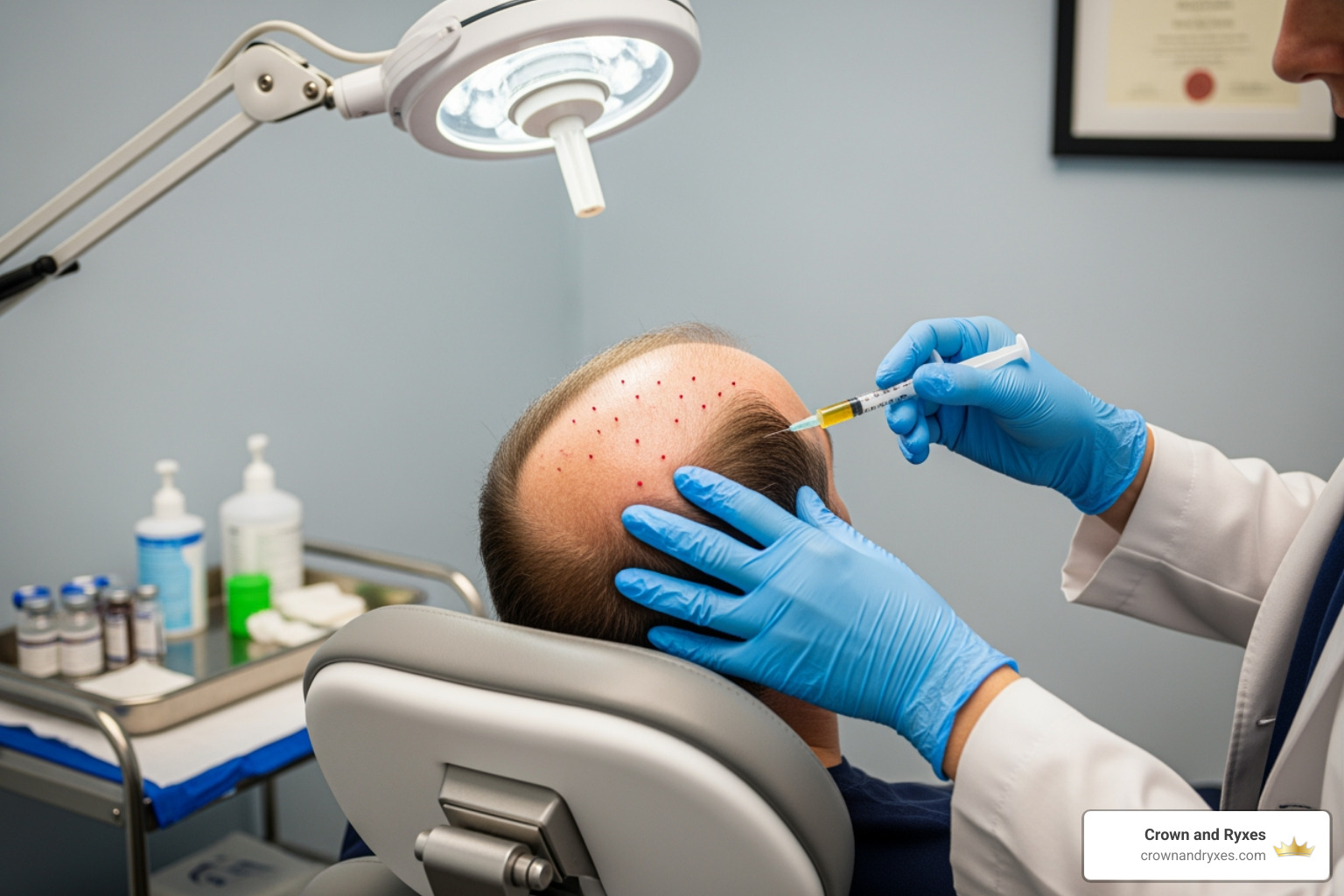
PRP therapy is a cutting-edge male thinning hair treatment that uses your body’s own healing abilities. A small amount of your blood is drawn and spun in a centrifuge to concentrate the platelet-rich plasma, which is full of growth factors. This plasma is then injected into thinning areas of your scalp to stimulate dormant follicles, encourage new growth, and improve hair thickness.
A typical treatment plan starts with monthly sessions for three to four months, followed by maintenance treatments. Recovery is minimal, with most patients returning to their normal activities immediately. Learn more about what to expect with PRP hair treatment.
Low-Level Laser Therapy (LLLT)
For a non-invasive, needle-free option, Low-Level Laser Therapy (LLLT) uses red light to energize hair follicles. Available as in-clinic treatments or convenient at-home devices (like helmets), LLLT emits specific wavelengths of light that penetrate the scalp. This process boosts cellular metabolism and blood flow, extending the hair’s growth phase and encouraging the production of thicker, healthier hair. Consistent use is key to seeing results, which clinical studies have shown to be impressive. Check out more details on laser hair therapy.
Follicular Unit Extraction (FUE) Hair Transplant
For a permanent solution, an FUE hair transplant is the gold standard of male thinning hair treatment. This minimally invasive surgical procedure involves harvesting individual healthy hair follicles from a donor area (typically the back of the head) and transplanting them to thinning areas. Each follicle is placed to match your natural growth pattern, ensuring a seamless result without the linear scar of older methods.
The process requires patience. After initial healing, the transplanted hair will shed before new growth begins. Full, natural-looking results typically emerge around the one-year mark. While the transplanted hair is permanent, ongoing treatments may be needed to manage hair loss in non-transplanted areas. Find more about our approach to FUE hair restoration.
Lifestyle and Prevention: Supporting Healthy Hair from Within
While medical treatments are powerful, a holistic approach that includes lifestyle adjustments is crucial for supporting hair health. What you eat, how you manage stress, and your scalp care routine all create the foundation for your male thinning hair treatment to succeed.

The Impact of Diet and Nutrition
Your diet directly impacts hair health. Hair is primarily made of protein (keratin), so consuming 40 to 60 grams of protein daily from sources like lean meats, fish, eggs, and legumes is vital. A Mediterranean diet, rich in fruits, vegetables, and healthy fats, has also shown promise in minimizing hair loss.
Essential vitamins and minerals are also key. Ensure your diet includes:
- Vitamin A: Helps produce scalp-healthy oils.
- B Vitamins (especially Biotin): Crucial for hair health.
- Vitamin C: Aids collagen production to strengthen hair.
- Vitamin D: Linked to healthy hair follicle cycling.
- Vitamin E: Supports scalp health with antioxidant properties.
- Zinc & Iron: Essential for hair tissue growth, repair, and preventing deficiency-related loss.
A balanced diet is best, but supplements can fill any gaps. For more on this, read about taking vitamins for hair health, and explore our guide on vitamins for hair loss.
Stress Management and Hormonal Balance
High stress levels can trigger temporary hair shedding called telogen effluvium, where a large amount of hair enters the resting phase and falls out. This often occurs a few months after a stressful event and is typically reversible once the stressor is managed. Finding effective coping mechanisms like exercise or meditation is a crucial part of any male thinning hair treatment plan.
Hormonal imbalances beyond DHT can also contribute to hair loss. At Crown and Ryxes, we offer comprehensive wellness solutions, including REGENmax, to help balance hormones and support overall vitality. Learn more in our guide on hair loss and hormone imbalance.
Smart Styling and Scalp Care
Gentle hair care can prevent unnecessary breakage and support your treatment. Pat hair dry instead of rubbing, use a wide-tooth comb, and consider volumizing products to make hair appear thicker. A healthy, clean scalp is the foundation for healthy hair, so regular, gentle cleansing is important. Strategic short haircuts can also make thinning less noticeable. These habits are not replacements for medical treatment but are valuable supporting actions.
Frequently Asked Questions about Male Hair Loss
We’re here to provide clear answers about male thinning hair treatment. Here are some of the most common questions we receive.
Can male thinning hair be reversed?
While a complete reversal to your teenage hair may not be realistic, significant improvement is absolutely achievable. The key is early intervention. The sooner you begin a male thinning hair treatment plan, the better your chances of slowing loss, preserving existing hair, and reactivating dormant follicles. Hair loss from temporary causes like stress or nutritional deficiencies is often reversible once the underlying issue is addressed. However, for genetic male pattern baldness, ongoing treatment is required to maintain results.
How long does it take for male thinning hair treatment to work?
Patience is essential, as hair growth is a slow process. Timelines vary by treatment:
- Minoxidil: Expect to see improvement in 2-4 months. An initial shedding phase in the first few weeks is normal and a positive sign.
- Finasteride: Results typically appear after 3 months, with more significant improvement around 6-12 months.
- PRP Therapy: Noticeable results emerge several months after your initial series of sessions.
- Low-Level Laser Therapy (LLLT): Improvement is often seen within 3-6 months of consistent use.
- FUE Hair Transplants: This is the longest journey, with full results taking up to a year to become fully visible after an initial shedding and regrowth cycle.
Consistency is paramount for all treatments. Skipping doses or sessions will set back your progress.
When should I see a doctor for my hair loss?
If hair thinning is causing you concern or affecting your confidence, it’s a good time to consult a professional. Early action with male thinning hair treatment yields the best results. You should definitely see a doctor if you experience:
- Excessive or rapid hair loss.
- Patchy hair loss (distinct bald spots), which could indicate a condition like alopecia areata.
- Hair loss accompanied by other symptoms like scalp itching, redness, or pain.
If you’re simply uncertain about the cause or the right treatment, seeking professional guidance is the best first step. A specialist can provide an accurate diagnosis and a personalized plan. Find a doctor for hair near you to start your journey.
Take Control of Your Hair Restoration Journey
We’ve covered the essentials of male thinning hair treatment, from understanding the causes to exploring medical, advanced, and lifestyle-based solutions. The most important takeaway is that you have options. Effective solutions exist, and the key is to find the right personalized plan and take action.
We know hair loss can impact your confidence. While some men accept a shaved head, others wish to restore their hair. What matters is that you feel good about yourself. At Crown and Ryxes, we are passionate about helping men in Clermont, FL, and The Villages, FL, reclaim their confidence with evidence-based male thinning hair treatment plans.
We don’t use one-size-fits-all solutions. We create a custom strategy based on your goals and lifestyle, and we support your overall wellness with comprehensive solutions like REGENmax. The journey requires patience, with most treatments showing improvement within six to twelve months, but the rewards are worth it.
Don’t let uncertainty hold you back. Taking the first step is the most empowering part of the journey. You deserve to feel confident. Explore your hair restoration solutions in Clermont, FL with Crown and Ryxes today, and let’s create a plan that helps you achieve the results you’re looking for.