

Why Understanding Menopause Treatment Options Matters
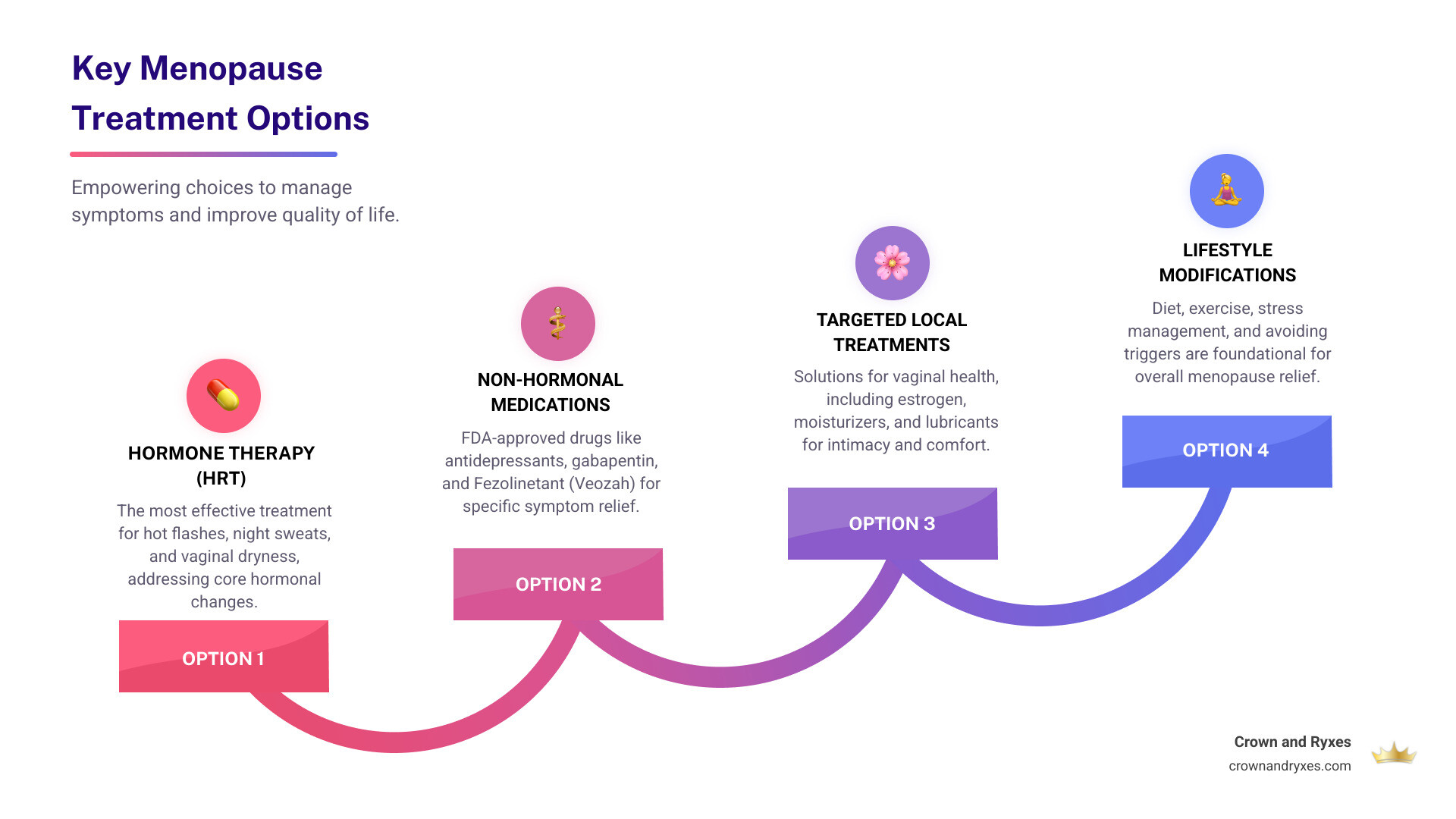
Menopause treatment encompasses a range of medical and lifestyle approaches designed to manage the symptoms that occur when your body’s hormone production naturally declines. Here are the main treatment categories available:
Primary Treatment Options:
- Hormone Replacement Therapy (HRT) – The most effective treatment for hot flashes, night sweats, and vaginal dryness
- Non-hormonal medications – FDA-approved drugs like antidepressants, gabapentin, and fezolinetant (Veozah)
- Local treatments – Vaginal estrogen, moisturizers, and lubricants for intimate health
- Lifestyle modifications – Diet changes, exercise, stress management, and trigger avoidance
Menopause is a natural biological process that typically occurs between ages 45-55, marking the end of your reproductive years. The transition can be gradual, taking 3-5 years, and while it’s completely normal, the symptoms don’t have to disrupt your daily life.
Many women experience:
- Hot flashes and night sweats
- Sleep disturbances
- Mood changes and irritability
- Vaginal dryness and discomfort
- Decreased energy and libido
The good news? You don’t have to simply “live with” these symptoms. Research shows that effective treatments exist, and the benefits often outweigh the risks when started before age 60 or within 10 years of menopause onset.
As Dr. Matthew Casavant, I’ve specialized in women’s healthcare for over 20 years, helping countless patients steer menopause treatment options through my practice. My experience in advanced minimally invasive surgery and commitment to staying current with the latest medical advances ensures you receive the most effective, personalized care available.
Quick Menopause treatment terms:
Hormone Replacement Therapy (HRT): The Gold Standard Explained
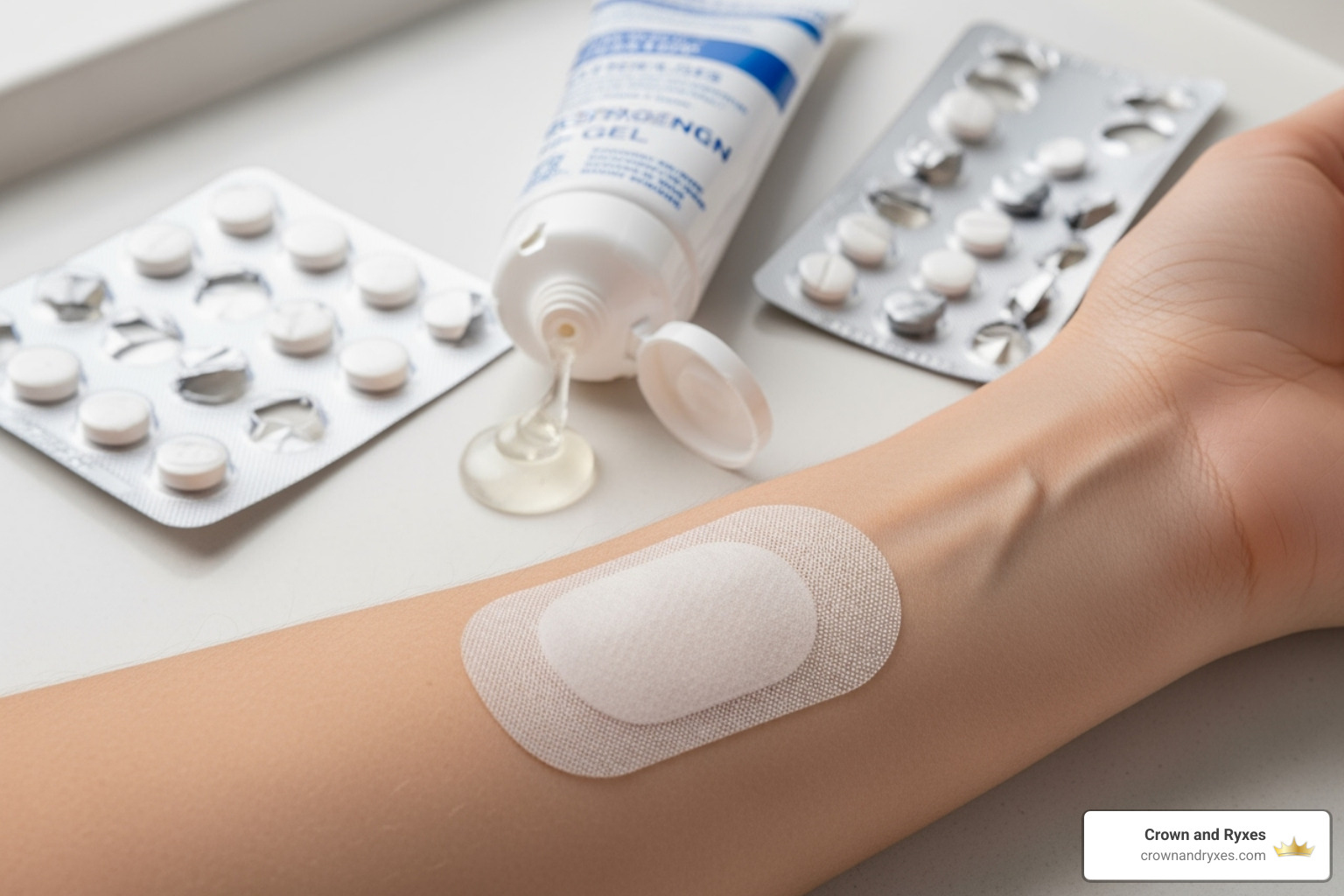
When we talk about menopause treatment, Hormone Replacement Therapy (HRT), sometimes called Menopausal Hormone Therapy (MHT), often comes up as the most effective medical way to manage symptoms. Think of it like this: your body’s hormone levels naturally drop during menopause. HRT works by gently replacing those hormones – mainly estrogen and progesterone (or a similar hormone called progestin).
HRT comes in many different forms, offering flexibility for your lifestyle. You can take it as pills, use skin patches, apply gels or sprays, or even have tiny implants. If you still have your uterus, you’ll typically take a combination of estrogen and progestogen (called combined HRT). This is super important because the progestogen protects your uterine lining. If you’ve had a hysterectomy, then estrogen-only therapy might be the right fit for you. The whole idea behind HRT is to ease those bothersome symptoms and, often, to help protect your long-term health.
How HRT Works and Its Major Benefits
HRT works its magic by bringing your estrogen levels back up, which can really turn things around for many menopausal symptoms and boost your quality of life. We’ve seen how wonderfully transformative this can be for so many of our patients.
One of the biggest wins with HRT is the incredible relief it offers from those pesky hot flashes and night sweats. Systemic estrogen is widely considered the very best menopause treatment for these uncomfortable episodes. But it doesn’t stop there! HRT can also effectively tackle vaginal dryness, itching, and burning, which often make intimacy uncomfortable. By easing these discomforts, HRT helps you get better sleep and can lead to improved mood stabilization, helping to smooth out those frustrating mood swings and irritability many women face during this transition.
But HRT isn’t just about feeling better day-to-day; it also brings some crucial long-term health benefits. It’s a powerful ally in preventing bone loss and guarding against osteoporosis, a condition that makes bones weak and brittle. Did you know that bone loss speeds up quite a bit in the first couple of years after menopause? That’s why early support can be so vital. Plus, when started around the time menopause begins, HRT can even help reduce the risk of heart disease and boost your overall heart health.
It’s generally understood that the good things about menopausal hormone therapy (MHT) often outweigh the risks, especially for women who are under 60 and within 10 years of their menopause starting. This is a key time when HRT can have the most positive impact on both your symptoms and your future health.
For more detailed information about this powerful menopause treatment option, we encourage you to explore our page on More info about Hormone Therapy.
Understanding the Risks and Who Should Be Cautious
While HRT offers wonderful benefits, it’s super important to have a personalized chat with your healthcare provider. This way, you can fully understand any potential risks and decide if it’s the right menopause treatment for you. The safety of HRT has been studied a lot, and we now know that risks depend a great deal on things like your age, the type and dose of HRT you use, how long you take it, and your own health story.
Some of the possible risks with HRT can include a slightly higher chance of blood clots, stroke, and some concerns about breast cancer risk. There’s also a small chance of gallbladder disease. However, it’s really important to know that for women between 50 and 59, these risks are generally considered quite rare.
Certain women should be very careful with HRT or avoid it completely. This includes those with a history of certain cancers (especially breast or endometrial cancer), a past history of blood clots, stroke, or heart disease. If you have liver disease or experience unexplained vaginal bleeding, HRT might not be for you. Your doctor will always do a thorough check of your medical history and talk through any risk factors you might have.
The Menopause Society, a top expert group on menopausal health, offers clear advice on HRT’s benefits and risks. You can find their detailed position statement here: The Menopause Society’s position on hormone therapy. Their advice, just like ours, highlights that the benefits of HRT often outweigh the risks if you start treatment before age 60 or within 10 years of menopause starting. We always recommend using the lowest effective dose for the shortest time needed to manage your symptoms comfortably.
‘Bioidentical’ vs. Body-Identical HRT: What You Need to Know
The term “bioidentical hormones” can sometimes feel a bit confusing when you’re looking into menopause treatment options. Simply put, bioidentical hormones are made to be chemically identical to the hormones your body naturally produces. They often start from plant sources like yams or soy and are then carefully processed in a lab to perfectly match your body’s own hormone structure.
However, it’s really important to understand that there are two main types of bioidentical hormones:
Compounded Bioidentical Hormones: These are custom-made mixes prepared by special compounding pharmacies based on a doctor’s prescription. While the idea of a “customized” hormone blend sounds appealing, these products are not regulated by the FDA. This means they don’t go through the strict testing for safety, effectiveness, or consistent quality that all FDA-approved medications must. The FDA clearly states that it does not recognize or regulate custom-compounded products. Without this oversight, there’s no real way to guarantee how pure or potent these doses are, or even how much hormone is actually in each dose. This can sadly pose significant health risks. We strongly advise you to be very cautious about these unregulated products.
Regulated Body-Identical Hormones (Pharmaceutical Grade): These are also bioidentical in their structure, meaning they’re identical to your body’s hormones. But here’s the key difference: they are produced by pharmaceutical companies and are FDA-approved. These products go through strict quality checks, clinical trials, and are proven to be both safe and effective. They are available in standard dosages (like pills, patches, or gels) and are the type of bioidentical hormones that trusted healthcare providers recommend. Sometimes, people call these “body-identical hormones” to clearly show they’re different from the unregulated compounded versions. At Crown and Ryxes, for example, we always focus on safe, effective, and regulated options. If you’re in Clermont, FL, or The Villages, FL, and looking for safe, regulated bioidentical hormone therapy, you can find more information here: More info about Bioidentical Hormone Replacement Therapy Clermont.
Our main goal is always your safety and well-being. That’s why we only use FDA-approved, pharmaceutical-grade options for any menopause treatment, including bioidentical hormones. This way, we know exactly what you’re getting and how much, ensuring your peace of mind.
How Long Should You Take HRT?
The question of how long to take HRT is a very common one, and the answer, much like many aspects of menopause treatment, is truly unique to you. There’s no single time limit that fits everyone. The FDA and most medical guidelines suggest using the lowest effective dose for the shortest duration needed to ease your symptoms.
However, “shortest duration” doesn’t mean you must stop after a set time, like five years. Many women experience menopausal symptoms for quite a long time – around eight years on average, and some even into their 60s and 70s! For these women, continuing HRT might be perfectly appropriate if the benefits still outweigh any potential risks.
We like to use a “start low, go slow, review often” approach. When you first begin HRT, we typically check in with you after about 3 months. This helps us make sure it’s working well and to manage any initial side effects. Once things are settled and you’re feeling good, we’ll have annual reviews. During these regular appointments, we’ll chat about your symptoms, any changes in your health, and re-evaluate if continuing therapy is still the best path for you.
Deciding whether to stop or keep taking HRT is an ongoing conversation between you and your healthcare provider. Some women choose to gradually reduce their HRT dose to see if their symptoms have lessened or become manageable without medication. If bothersome symptoms return after stopping, you can always discuss restarting therapy. For those who experience premature menopause or have surgical menopause, HRT is often recommended until the age of natural menopause (around 50-52) to help protect their long-term health.
Beyond Hormones: Effective Non-Hormonal Menopause Treatment
While HRT is a highly effective menopause treatment, it’s not suitable or preferred for everyone. Many women either have medical reasons that prevent them from taking hormones, or they simply prefer non-hormonal approaches. The good news is that there are many effective non-hormonal options available to manage specific menopausal symptoms, ensuring that every woman can find relief custom to her needs.
FDA-Approved Medications for Hot Flashes and More
For those seeking non-hormonal medical menopause treatment options, several FDA-approved medications can significantly reduce symptoms like hot flashes and night sweats.
- Low-dose Antidepressants (SSRIs and SNRIs): Certain selective serotonin reuptake inhibitors (SSRIs) and serotonin-norepinephrine reuptake inhibitors (SNRIs), typically used for mood disorders, have been found effective in alleviating hot flashes. Paroxetine (Brisdelle) is currently the only SSRI FDA-approved specifically for hot flashes, even in women without mood or anxiety problems.
- Gabapentin: This medication, primarily used for seizures and nerve pain, can also help reduce the frequency and severity of hot flashes, especially those that occur at night and disrupt sleep. A 2020 review suggests it has modest benefits.
- Clonidine: Traditionally used for high blood pressure, clonidine can also provide relief from hot flashes for some women.
- Fezolinetant (Veozah): A significant new advance in menopause treatment, fezolinetant was FDA-approved in 2023. It’s a non-hormonal oral medication specifically designed to target the neurokinin 3 (NK3) pathway in the brain, which plays a role in regulating body temperature. Clinical trials have shown it can effectively reduce the frequency and severity of hot flashes.
- Oxybutynin: While primarily used for overactive bladder, oxybutynin can also help relieve hot flashes in some cases. However, it may be linked to cognitive decline in older adults, so its use requires careful consideration.
These medications offer valuable alternatives for managing vasomotor symptoms, particularly for women who cannot or choose not to use HRT.
Targeted Treatments for Vaginal Health and Libido
Vaginal dryness, itching, burning, and painful intercourse are incredibly common and bothersome symptoms of menopause. Fortunately, there are highly effective targeted menopause treatment options available for these issues:
- Vaginal Moisturizers and Lubricants: Over-the-counter water-based or silicone-based lubricants can provide immediate relief during sexual activity, while vaginal moisturizers can be used regularly (every few days) to maintain vaginal moisture and elasticity. Staying sexually active can also help ease discomfort by increasing blood flow to the vagina.
- Local Estrogen Therapy: This is a highly effective menopause treatment for vaginal dryness and discomfort. Available as creams, vaginal tablets, or rings, local estrogen delivers a low dose of estrogen directly to the vaginal tissues. Crucially, these treatments do not get into the bloodstream in significant amounts, meaning they primarily work locally and are safe to use long-term, even alongside systemic HRT.
- Prasterone (Intrarosa): This vaginal insert is a steroid that converts to estrogen within vaginal cells, specifically treating pain during sex caused by vaginal dryness after menopause.
- Ospemifene (Osphena): An oral medication that acts like estrogen on vaginal tissues, it is FDA-approved to treat moderate to severe painful intercourse and vaginal dryness.
For women experiencing low sex drive during menopause, especially if HRT hasn’t fully addressed it, testosterone therapy can be considered. While not currently licensed for women specifically for this indication, a specialist doctor can prescribe testosterone gel to help improve libido.
At Crown and Ryxes, we understand the profound impact low sex drive and vaginal discomfort can have on your quality of life and relationships. That’s why we offer advanced solutions, including our specialized REGENmax treatment for Women’s Sexual Dysfunction, designed to help restore your intimate health and vitality.
Lifestyle Adjustments and Complementary Approaches
Beyond medical interventions, embracing holistic wellness through lifestyle adjustments and exploring complementary approaches can play a significant role in menopause treatment. These strategies empower you to actively manage your symptoms and improve your overall well-being, often with fewer side effects.
Powerful Lifestyle Changes for Menopause Relief
Making thoughtful changes to your daily habits can significantly impact your menopausal journey:
- Healthy Diet: A balanced diet rich in fruits, vegetables, and whole grains, while limiting saturated fats, oils, and sugars, is beneficial for overall health. Incorporating phytoestrogens (plant compounds that mimic estrogen) found in foods like soy (tofu, edamame), flaxseed, chickpeas, and lentils may offer some relief for hot flashes.
- Regular Exercise: Engaging in physical activity most days of the week, including exercise that lifts your heart rate and weight-bearing activities, can help manage weight, improve sleep, reduce stress, and protect against heart disease and osteoporosis.
- Weight Management: Maintaining a healthy weight is crucial, as obesity is often linked to more severe hot flashes.
- Managing Hot Flash Triggers: Identifying and avoiding personal triggers can significantly reduce hot flash frequency. Common culprits include:
- Spicy foods
- Caffeine
- Alcohol (especially excessive or late-night consumption)
- Smoking
- Warm environments
To combat hot flashes, we recommend dressing in layers, keeping your bedroom cool, using fans, and sipping cold drinks. Paced breathing, done for 20 minutes, three times a day, has also been shown to provide relief.
- Quitting Smoking: Smoking increases the risk of heart disease, stroke, osteoporosis, and certain cancers, and can even lead to earlier menopause. Quitting is one of the most impactful steps you can take for your health.
- Sleep Hygiene: Prioritizing adequate sleep is vital. Establish a consistent sleep schedule, ensure your bedroom is cool and dark, and avoid caffeine and alcohol before bedtime. Being physically active during the day can also promote better sleep at night.
Evaluating Alternative Therapies for Menopause Treatment
Many women explore complementary and alternative therapies as part of their menopause treatment plan. While some report relief, it’s crucial to approach these options with caution and always discuss them with your healthcare provider due to varying levels of scientific evidence, potential side effects, and possible interactions with other medications.
- Herbal Supplements: Popular herbal remedies include black cohosh, red clover, and soy. While some women find them helpful, medical bodies like the NHS often do not recommend them due to unclear safety and efficacy data. For instance, black cohosh has been linked to liver harm, and many supplements lack regulation, meaning their purity and potency can vary widely. Talk to your doctor or pharmacist before taking any herbal or vitamin supplement.
- Mind-Body Practices: These therapies focus on the connection between your mind and body to manage symptoms.
- Acupuncture and practices like Yoga and Tai Chi are often explored for stress reduction and general well-being, with some anecdotal reports of symptom improvement.
- Hypnosis has shown promising results, with one study finding it helped decrease hot flashes by 74%.
- Cognitive Behavioral Therapy (CBT): This is a proven, non-pharmacological approach that can help with mood symptoms, physical symptoms, and sleep problems related to menopause. CBT teaches coping strategies to reframe negative thoughts and reactions to symptoms, making them less bothersome.
For more comprehensive information on women’s health, including aspects of sexual well-being, we invite you to explore More info on Female Sexual Health.
Frequently Asked Questions about Menopause Treatments
It’s completely natural to have questions as you steer the changes that come with menopause. We understand you’re looking for clear answers, and we’re here to help. Here are some of the most common questions we hear about menopause treatment:
What is the most effective treatment for menopause hot flashes?
When it comes to relieving moderate to severe hot flashes, Hormone Replacement Therapy (HRT), specifically systemic estrogen therapy, is often considered the most effective menopause treatment. It works by simply replacing the estrogen your body is no longer producing. Many women find it brings quick and significant relief.
However, if hormones aren’t for you, or if you prefer a different approach, there are several excellent non-hormonal options available. For example, newer FDA-approved medications like Fezolinetant (Veozah) specifically target the brain pathways that cause hot flashes. Other effective choices include certain low-dose antidepressants (like Paroxetine), Gabapentin, and Clonidine. Beyond medication, mind-body techniques like hypnosis have also shown remarkable success, with studies reporting a big drop in hot flashes for some women!
Is it safe to take hormone therapy long-term?
This is a really important question, and the answer is quite personal. Current medical understanding suggests that for healthy women who are under 60, or within 10 years of starting menopause, the benefits of HRT often outweigh the risks. In these cases, it can be safe to take HRT for as long as it’s needed to manage your symptoms.
While the FDA advises using the lowest effective dose for the shortest time, this doesn’t mean there’s a hard stop date like five years. Many women continue to experience menopausal symptoms for a decade or more. That’s why regular, annual reviews with your healthcare provider are so important. During these visits, we’ll talk about your symptoms, your overall health, and any changes in your risk factors (such as for blood clots, stroke, or breast cancer, which are quite rare for women between 50 and 59). This ongoing conversation allows us to fine-tune your menopause treatment plan, making sure the benefits continue to outweigh any potential risks for your unique situation.
Can menopause cause hair loss and is it treatable?
Yes, absolutely. Many women notice their hair thinning or their skin becoming drier during menopause. This is a common side effect of declining hormone levels. But here’s the good news: it’s often very treatable!
Research has shown that certain topical treatments, like a combination of minoxidil (often known as Rogaine) and finasteride, can help improve hair thickness and density for women after menopause. At Crown and Ryxes, we specialize in premier hair restoration solutions for women. We can explore personalized approaches to help address any menopause-related hair changes you might be experiencing, helping you regain confidence in your beautiful hair.
Your Path to Wellness: Follow-Up and Personalized Care
Navigating menopause treatment is truly a journey, not a sprint with a finish line. It’s an ongoing process, and finding lasting comfort means staying connected with your healthcare provider. We believe in building a strong partnership with you, ensuring your path to wellness is smooth and successful.
Think of your regular follow-up appointments as essential check-ins – typically after about three months when you first start a new treatment, and then annually once everything feels stable. These visits are a chance for us to make sure your menopause treatment is still hitting the mark.
During these important conversations, we’ll carefully:
- Monitor your symptoms: Are you feeling better? Are those hot flashes less frequent, or is your sleep improving?
- Assess any side effects: We’ll address any new concerns or discomforts you might be experiencing.
- Review your health changes: Your overall health picture might shift, and we’ll ensure your treatment adapts to any new conditions or medications.
- Adjust your dosage: We always aim for the lowest effective dose to keep you feeling your best with minimal intervention.
- Reassess risks and benefits: As time goes on, we’ll continuously weigh the advantages of your treatment against any potential risks, making sure it remains the right fit for you.
At Crown and Ryxes, we’re dedicated to guiding you on a personalized restoration and wellness journey. We truly understand that every woman’s experience with menopause is beautifully unique. That’s why our approach involves a comprehensive look at your symptoms, your medical history, and your lifestyle. From there, we craft a custom menopause treatment plan that perfectly aligns with your individual needs and your personal goals. We’re here to empower you with knowledge and support, walking alongside you every step of the way to achieve hormonal balance and a renewed sense of well-being.
You absolutely don’t have to face the challenges of menopause alone. Take control of your health journey and find the effective, personalized treatments that are available to you. Whether you’re here in Clermont, FL, or joining us from The Villages, FL, our caring team is ready to partner with you.