

Why Understanding Your Options at a Men’s Hair Growth Clinic Matters
A men’s hair growth clinic specializes in diagnosing and treating male pattern baldness with personalized, evidence-based approaches. These clinics offer a range of services, including professional diagnosis, FDA-approved medications, advanced therapies like PRP, and surgical options such as FUE hair transplants, all custom into a customized treatment plan.
If you’re noticing thinning hair, you’re not alone. Up to 85% of men experience some form of hair loss, but the good news is that it’s 95% treatable with the right approach.
This guide covers everything from early warning signs to effective treatments. Whether you’re new to hair restoration or frustrated with past results, you’ll find clear, actionable information here.
I’m Dr. Matthew Casavant, and with over two decades of experience in hair health and wellness, I’ve seen how a men’s hair growth clinic can transform not just a person’s appearance, but their confidence.

Understanding Male Hair Loss: Signs, Symptoms, and Causes
Hair loss is typically a gradual process. Recognizing the early signs is crucial because the sooner you act, the more options you have at a men’s hair growth clinic.
Telltale Signs You’re Losing Hair
Knowing what to look for is the first step. Common signs include:
- A receding hairline: The hairline moves backward, often at the temples, creating an “M” shape.
- Thinning at the crown: Hair density decreases on top of your head, sometimes forming a bald spot.
- Overall thinning: Some men experience a general reduction in hair volume across the entire scalp.
- Excessive shedding: Finding more than the normal 50-100 hairs per day on your pillow, in the shower, or on your comb.
- Patchy bald spots: Less common, these coin-sized smooth spots may indicate a condition like alopecia areata. Learn more on treating a bald spot.
- Scalp issues: Redness, itching, or flaking alongside hair loss can point to a skin condition requiring specific treatment.
The Root Causes of Hair Thinning in Men
Understanding why you’re losing hair is key to effective treatment. It’s often a mix of factors.
The most common cause is Androgenetic Alopecia, or Male Pattern Baldness. This is a genetic condition influenced by hormones.
- Genetics: A family history of hair loss on either side increases your risk.
- Dihydrotestosterone (DHT): This hormone is the primary culprit. Genetically sensitive hair follicles shrink when exposed to DHT, causing hair to become thinner and eventually stop growing. Understanding hormonal imbalances and hair loss provides more context.
Other contributing factors can accelerate hair loss:
- Stress: Chronic stress can cause temporary, widespread shedding known as Telogen Effluvium.
- Nutritional deficiencies: A lack of iron, zinc, biotin, and protein can impair hair growth.
- Medical conditions and medications: Thyroid disorders, autoimmune diseases, and certain drugs can trigger hair loss.
- Aging: Hair naturally thins and grows more slowly as we age.
Hair loss is complex, but a men’s hair growth clinic can identify your specific causes to create a plan that works.
A Guide to Your Local Men’s Hair Growth Clinic
While countless products promise miracles, a specialized men’s hair growth clinic offers what they can’t: a proper diagnosis and a personalized treatment plan. Hair loss isn’t one-size-fits-all, and your solution shouldn’t be either. Professional attention is key, especially when hair loss affects your confidence.
When to See a Specialist for Hair Loss
It’s time to see a specialist if you experience:
- Sudden or rapid hair loss, which could signal an underlying medical issue.
- Patchy or circular bald spots, a common sign of alopecia areata.
- Scalp pain, itching, or redness along with hair loss.
- A negative impact on your self-esteem; this alone is a valid reason to seek help.
- Failure of over-the-counter treatments to produce results.
You can find a hair doctor near you in Clermont, FL, or The Villages, FL, to get started.
What to Expect During Your First Consultation
Your first visit to a men’s hair growth clinic is a comprehensive evaluation. The process includes:
- Medical and Family History Review: We’ll discuss your health, medications, and family patterns of hair loss.
- Scalp Examination: Using a specialized tool (trichoscopy), we’ll assess your scalp health and hair follicle density.
- Lifestyle and Diet Assessment: We’ll talk about how stress, nutrition, and daily habits may be contributing.
- Diagnostic Tests: If needed, blood work can identify nutritional deficiencies or hormonal imbalances.
- Diagnosis and Personalized Plan: We’ll provide a clear diagnosis and outline a treatment strategy custom to you. For more guidance, see how to choose the right hair restoration clinic.
Hair Loss in Men vs. Women: What’s Different?
Hair loss presents differently in men and women, requiring customized treatments.
- Patterns: Men typically have a receding hairline or thinning crown. Women usually experience diffuse thinning across the scalp, with a widening part.
- Hormones: In men, DHT is the primary driver of follicle shrinkage. While hormones affect women’s hair loss, the mechanism differs.
- Prevalence: Hair loss is more common in men, with up to 85% affected compared to about 55% of women.
These differences are why treatments are gender-specific. For example, the DHT-blocker Finasteride is primarily for men.
Clinically-Proven Hair Restoration Treatments for Men
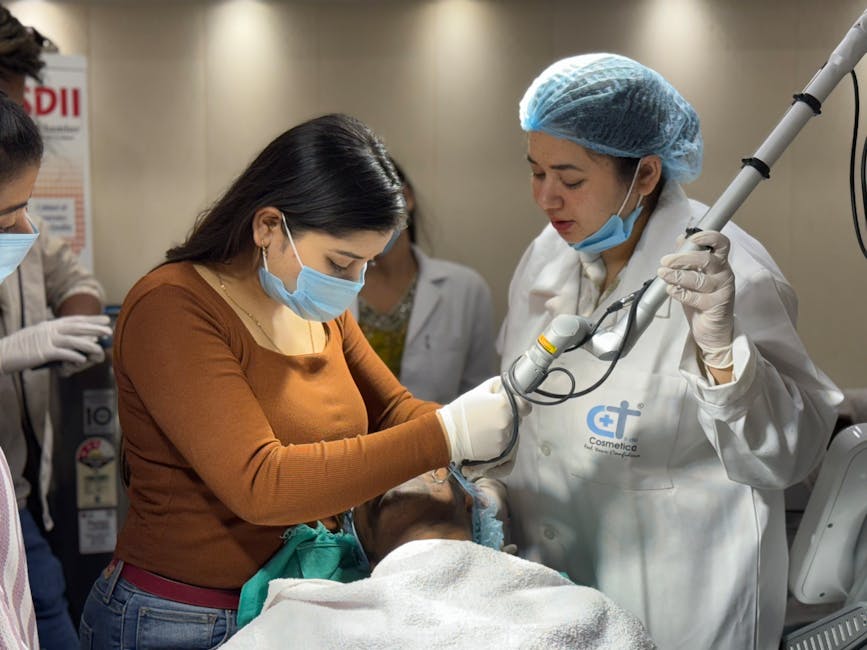
At our men’s hair growth clinic in Clermont, FL, and The Villages, FL, we offer science-backed treatments to help men regain their hair and confidence. From daily medications to permanent surgical options, we’ll help you find the right path. For a comprehensive overview, explore a complete guide to hair restoration.
FDA-Approved Medications: The First Line of Defense
Two FDA-approved medications have decades of proven success in treating male hair loss.
- Minoxidil: A topical solution (e.g., Rogaine) applied to the scalp to increase blood flow to follicles and extend the hair’s growth phase. 70.6% of men see improvement after 16 weeks, but continuous use is required to maintain results.
- Finasteride: A daily prescription pill (e.g., Propecia) that blocks the conversion of testosterone to DHT, the hormone that causes male pattern baldness. A 5-year study showed oral medication regrew hair in 90% of men. Scientific research on oral medication efficacy validates its use. Learn more about hair growth medicine.
Both medications require 3-6 months of consistent use for noticeable results.
Non-Surgical Solutions at a Men’s Hair Growth Clinic
For those seeking advanced therapies without surgery, our men’s hair growth clinic offers several options.
- Platelet-Rich Plasma (PRP) Therapy: We use growth factors from your own blood to stimulate dormant hair follicles. A small blood sample is concentrated and injected into the scalp to promote thicker, healthier hair. It’s a safe, natural approach requiring a series of treatments. Find the benefits of PRP hair treatment.
- Low-Level Laser Therapy (LLLT): FDA-approved caps or combs use gentle laser light to stimulate cellular activity in hair follicles, improving hair density. Many devices are convenient for home use. See our page on laser caps for hair growth.
- Mesotherapy: This treatment involves injecting a customized blend of vitamins and nutrients directly into the scalp to improve circulation and nourish follicles.
Explore our overview of non-surgical hair restoration for more.
Surgical Hair Restoration: Transplants and Beyond
Hair transplant surgery is the gold standard for a permanent, natural-looking solution.
Follicular Unit Excision (FUE) is a state-of-the-art technique where individual hair follicles are moved from donor areas (back and sides of the head) to thinning areas. Each follicle is placed to mimic your natural growth pattern.
- Benefits: FUE provides permanent results, as transplanted follicles are resistant to balding. The look is completely natural, and scarring is minimal.
- Risks and Recovery: Side effects are typically minor and temporary, including swelling or bruising. Recovery is quick, with most men returning to work in 7-10 days. New growth begins around 3 months, with full results visible at 12 months.
- Considerations: While transplanted hair is permanent, native hair may still thin. Combining FUE with medication is often recommended to maintain overall density.
Read what to know about hair restoration surgery and learn about FUE hair restoration on our site.
Lifestyle and Prevention: Protecting Your Hair for the Long Haul
While treatments from a men’s hair growth clinic are effective, supporting your hair with smart lifestyle choices is crucial. What you eat, how you manage stress, and your daily habits create the foundation for treatments to work their best.

The Impact of Diet and Nutrition
Your hair reflects your diet. Hair follicles require a steady supply of nutrients to thrive. Key nutrients include:
- Protein: The building block of hair. Found in lean meats, fish, eggs, and legumes.
- Iron: Carries oxygen to hair follicles. Found in spinach, red meat, and fortified cereals.
- Zinc: Essential for hair tissue growth and repair. Found in nuts, seeds, and shellfish.
- Biotin (Vitamin B7): Supports keratin production. Found in eggs, nuts, and sweet potatoes.
- Omega-3 Fatty Acids: Reduce inflammation and hydrate the scalp. Found in salmon, walnuts, and flaxseeds.
Staying hydrated by drinking plenty of water is also essential. For more details, explore a guide to vitamins for hair loss.
Managing Stress and Other Lifestyle Factors
Your daily life profoundly impacts your hair. To create a healthy environment for hair growth:
- Manage Stress: Chronic stress can cause shedding. Try meditation, exercise, or spending time in nature.
- Quit Smoking: Smoking constricts blood vessels, reducing blood flow and nutrients to the scalp.
- Get Quality Sleep: Aim for 7-9 hours of sleep per night to allow your body to repair and regenerate.
- Practice Gentle Hair Care: Use sulfate-free shampoos, avoid excessive heat styling, and don’t pull on your hair with tight styles or rough towel-drying.
- Protect Your Scalp from the Sun: Wear a hat or use a scalp-specific SPF to prevent sun damage to follicles.
These habits won’t reverse genetic hair loss alone, but they are vital for supporting professional treatments from a men’s hair growth clinic.
Frequently Asked Questions About Men’s Hair Growth Treatments
Considering hair restoration brings up many questions about cost, results, and long-term commitment. At our men’s hair growth clinic, we believe in transparency and setting realistic expectations.
How much do treatments at a men’s hair growth clinic cost?
The cost of hair loss treatments varies based on the type and extent of treatment needed.
- Medications: The most affordable option, with Minoxidil and Finasteride typically costing $30-$90 per month.
- PRP and Laser Therapy: A mid-range investment. PRP costs depend on the number of sessions needed. Find more information on PRP scalp injections cost. LLLT devices are a one-time purchase ranging from a few hundred to over a thousand dollars.
- Hair Transplants: A significant investment for a permanent solution. FUE surgery typically ranges from $4,000 to $15,000, depending on the number of grafts.
For accurate pricing, schedule a consultation at our Clermont, FL, or The Villages, FL, clinic for a personalized plan.
How long does it take to see results from hair growth treatments?
Patience and consistency are essential, as hair grows slowly.
- Medications (Minoxidil/Finasteride): Expect to see meaningful changes in 3 to 6 months, with full benefits around the one-year mark.
- PRP and Laser Therapy: Initial improvements like reduced shedding may appear in 3 to 4 months, with more significant new growth visible between 6 and 12 months.
- Hair Transplants: After an initial shedding phase, new growth begins around 3 months. You’ll see significant progress by 6 months and the full, permanent result by 12 months.
What is the long-term outlook and maintenance required?
Most treatments require ongoing maintenance to preserve your results.
- Medications: Minoxidil and Finasteride must be used continuously. If you stop, the hair loss will likely resume.
- PRP and Laser Therapy: These require periodic maintenance sessions (e.g., annually) to maintain their benefits.
- Hair Transplants: The transplanted hair is permanent. However, your native, non-transplanted hair may continue to thin. Many men use medication post-transplant to protect existing hair and maximize the overall result.
A long-term strategy is key. At our men’s hair growth clinic in Clermont, FL, and The Villages, FL, we develop a maintenance plan that fits your goals. For those seeking a holistic approach to wellness, incorporating sexual wellness treatments like REGENmax can support your overall health journey and confidence.
Conclusion: Taking the First Step Towards Hair Restoration
You’ve now learned that hair loss in men is common, understandable, and highly treatable. You know the signs, the causes like DHT, and the full spectrum of effective treatments available at a men’s hair growth clinic—from medications and PRP to permanent FUE hair transplants. You also understand the importance of lifestyle choices in supporting your results.
Knowledge is the first step, but action is what restores your hair. The most crucial move is to seek professional guidance for an accurate diagnosis and a personalized plan. A one-size-fits-all approach simply doesn’t work for hair loss.
At Crown and Ryxes, we are dedicated to helping men in Clermont, FL, and The Villages, FL, achieve their hair restoration goals and regain their confidence. This journey is about more than just hair; it’s about how you feel and present yourself to the world.
Don’t let hair loss define your story. You have options and a team ready to guide you. Your confidence is worth the investment.
Take control of your hair loss journey with a consultation in Clermont, FL. We’re here to help you get started.