

Why Finding the Most Effective Hair Treatment Matters for Your Confidence
The most effective hair treatment depends on your specific type of hair loss, but FDA-approved options like minoxidil (topical) and finasteride (oral) are proven first-line treatments. Here’s what works:
Most Effective Hair Loss Treatments:
- Minoxidil (Rogaine) – Works for about 2 out of 3 men, FDA-approved topical treatment
- Finasteride (Propecia) – Slows or stops hair loss in nearly 90% of men, prescription oral medication
- Low-Level Laser Therapy – Some studies show improved hair density with consistent use
- Hair Transplant Surgery – Permanent solution for stable hair loss with sufficient donor hair
- Platelet-Rich Plasma (PRP) – Emerging treatment showing promise for hair regrowth
Hair loss affects millions, with roughly 40% of women and 50% of men experiencing it by age 50. Finding a solution can feel overwhelming, but effective treatments exist. It’s important to know that results take time—typically four to six months. Understanding the full spectrum of options, from FDA-approved medications to advanced procedures, is the first step.
Different types of hair loss require different approaches. For example, androgenetic alopecia (pattern baldness) responds well to minoxidil and finasteride, while telogen effluvium (stress-induced shedding) may resolve on its own. Alopecia areata, an autoimmune condition, requires specialized care.
As Dr. Matthew Casavant, I guide patients through their hair restoration journeys. My focus on personalized care ensures you receive a comprehensive evaluation and a custom treatment plan to find the most effective hair treatment for your unique needs, addressing both the medical and emotional aspects of hair loss.
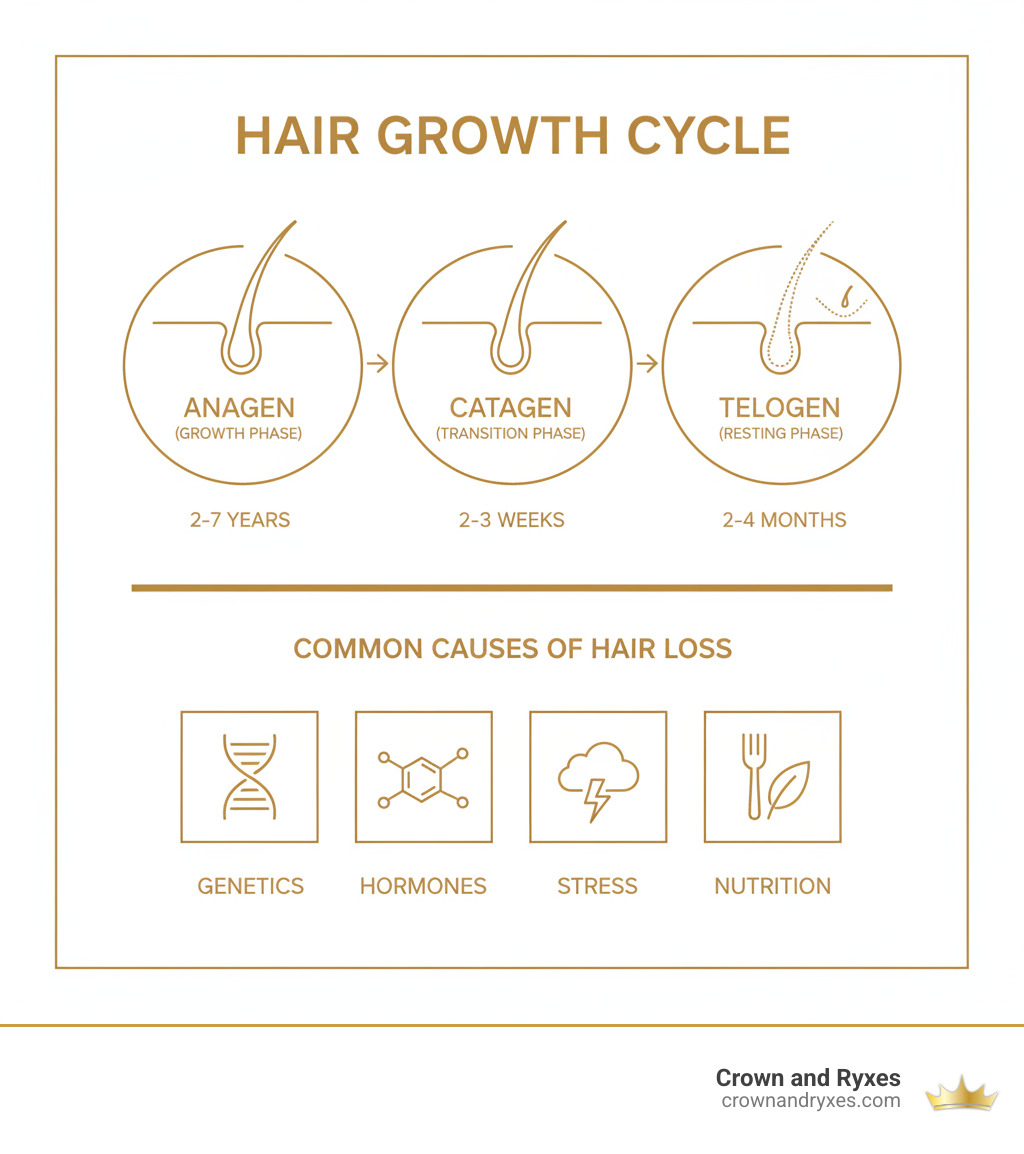
Understanding the Root Cause of Your Hair Loss
The most effective hair treatment for your friend might do nothing for you, because hair loss isn’t one-size-fits-all. Before spending money on treatments, you need to understand what’s causing your hair to thin. Identifying the root cause is your first step toward real results.
Androgenetic alopecia, or male/female pattern baldness, is the most common cause. It’s driven by genetics and the hormone dihydrotestosterone (DHT). By age 50, it affects nearly half of Caucasian men, and by 60, almost 50% of Caucasian women show some degree of pattern hair loss.
Telogen effluvium is a temporary shedding triggered by a significant stressor like a serious illness, surgery, childbirth, or emotional trauma. Hair follicles prematurely enter the resting phase, leading to noticeable shedding months later. Hair growth typically resumes once the stressor is resolved.
Alopecia areata is an autoimmune condition where the immune system attacks hair follicles, resulting in patchy hair loss. In severe cases, it can progress to complete scalp or body hair loss. About 2% of the population is affected by this unpredictable condition. You can explore scientific research on hair loss causes and treatments to learn more.
Hormonal changes are another major factor, especially for women. Postpartum shedding, dropping estrogen levels during menopause, and thyroid disorders can all disrupt the hair growth cycle.
Chronic stress lifts cortisol levels, which can push hair follicles into the resting phase prematurely. This can sometimes lead to inflammatory hair loss with itching or burning.
Finally, diet and nutrition are critical. Your follicles need a steady supply of nutrients like iron, zinc, and vitamin D to produce healthy hair. Deficiencies can lead to thinner, weaker hair. The role of Zinc in hair health is particularly important for tissue growth and repair.
When to See a Professional
You should see a professional for sudden or extensive hair loss, bald patches, or scalp pain and itching. If over-the-counter treatments haven’t worked after several months, it’s time for an expert opinion. A dermatologist is a medical doctor who can diagnose underlying conditions and prescribe treatments. A trichologist specializes in hair and scalp health, offering non-medical advice. For most, starting with a dermatologist is the best course of action.
The diagnostic process is straightforward. Your doctor will examine your scalp, review your medical and family history, and may order blood tests to check for nutritional deficiencies or hormonal imbalances. Early consultation is key, as it’s easier to revive recently dormant follicles. If you’re in Clermont, FL, or The Villages, FL, Crown and Ryxes offers personalized consultations to create a treatment plan that works for you.
How Lifestyle Factors Impact Your Hair
Your daily habits can accelerate or slow hair loss.
- Stress: Chronic stress raises cortisol, disrupting the hair growth cycle. Stress management techniques like meditation, yoga, and exercise can help.
- Nutrition: Deficiencies in iron, vitamin D, and biotin can cause thinning. A balanced diet is crucial for providing the raw materials for hair growth.
- Harsh Hairstyling: Excessive heat, tight hairstyles (traction alopecia), and harsh chemical treatments weaken hair and can damage follicles. Be gentle with your hair.
- Smoking and Poor Diet: Smoking restricts blood flow to the scalp, starving follicles of nutrients. A poor diet has a similar effect.
Lifestyle changes create the best possible environment for any treatment to succeed, giving your hair a fighting chance.
The Most Effective Hair Treatment Options Backed by Science
When you’re looking for the most effective hair treatment, it’s wise to lean on science and solutions approved by bodies like the FDA. This section dives into the treatments that offer proven results.
FDA-Approved Topical Treatment: Minoxidil
Minoxidil is the only over-the-counter topical treatment approved by the FDA for both men and women. As a vasodilator, it’s believed to increase blood flow to hair follicles, waking them up and extending their growth phase.
It’s effective for about two out of three men and can improve hair density for women, especially when used early. Available as a 2% or 5% foam or liquid, it requires consistent twice-daily application to a dry scalp.
Patience is key, as results typically appear after four to six months. Some initial shedding is normal and can be a sign that it’s working. Mild side effects can include an itchy scalp. If you stop using minoxidil, your hair loss will likely resume.
FDA-Approved Oral Medication: Finasteride
For men with male pattern baldness, finasteride is a powerful prescription medication. It works by blocking dihydrotestosterone (DHT), the hormone that shrinks hair follicles and shortens their growth cycle.
Finasteride is highly effective, slowing or stopping hair loss in almost 90% of men. About two-thirds of men also experience some hair regrowth. As a potent treatment, it requires a doctor’s prescription and is known by brand names like Propecia.
Like all medications, finasteride can have side effects. Some men might experience a diminished sex drive or other sexual issues; REGENmax is available to help address these sexual wellness concerns. It’s crucial to note that finasteride is not approved for women, especially those who are pregnant, due to safety risks.
Low-Level Laser Therapy (LLLT): The Most Effective Hair Treatment at Home?
Low-Level Laser Therapy (LLLT) is a non-invasive option you can use at home. It uses red or near-infrared light to gently stimulate hair follicles in a process called photobiomodulation. This is thought to boost cellular activity, improve blood flow, and encourage hair follicles to stay in their growth phase.
Some studies suggest LLLT can help improve hair density, and the FDA has cleared several LLLT devices (caps, combs, headbands) for treating hereditary hair loss in both men and women. To get results from LLLT, consistency is absolutely key. While it shows promise, researchers are still gathering more robust evidence on its long-term effectiveness for everyone.
Advanced & In-Office Hair Restoration Procedures
When medications and topical treatments aren’t enough, or if you’re seeking more significant and permanent results, clinical procedures offer advanced solutions. These options can bring about dramatic changes and help you reclaim your confidence.
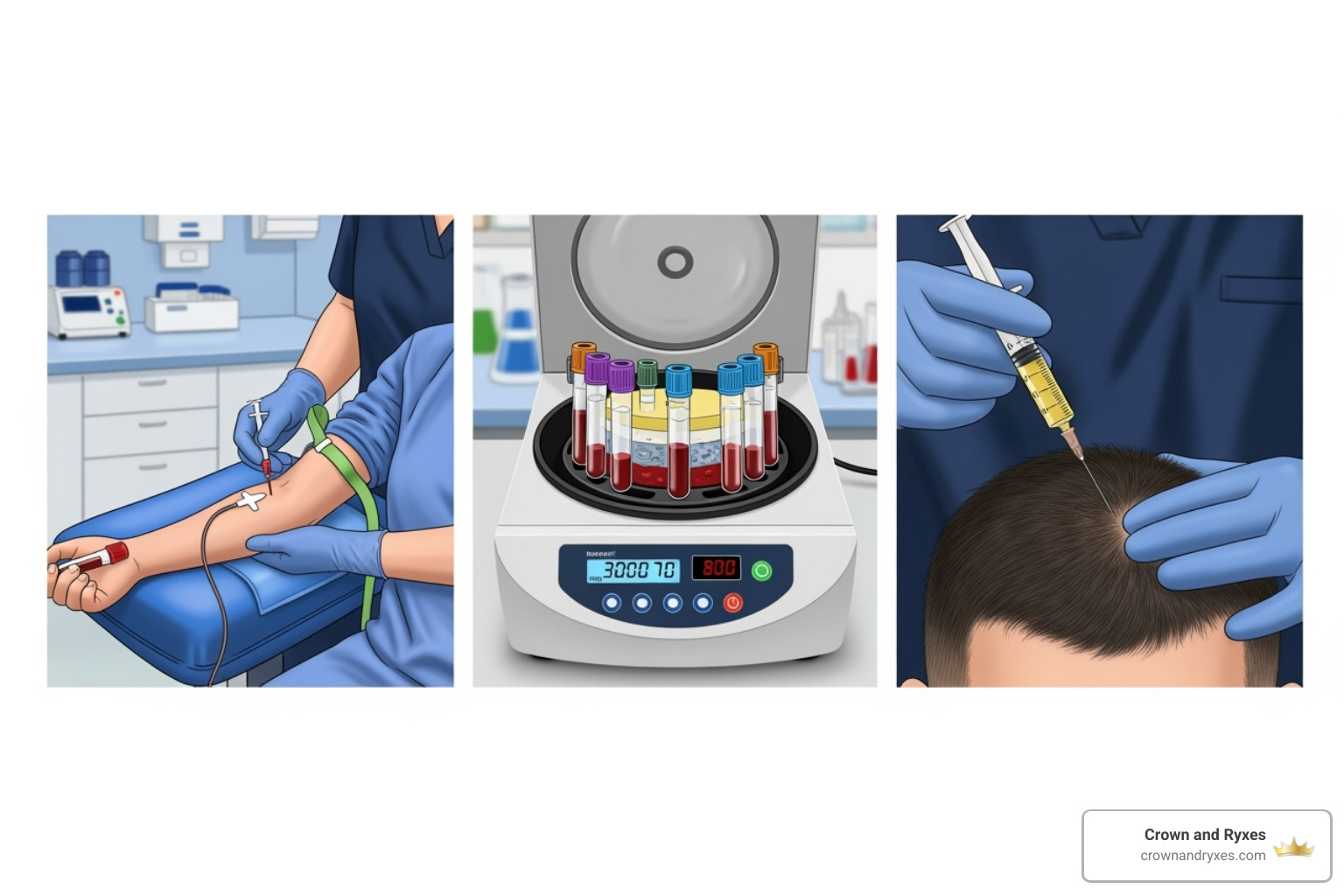
Platelet-Rich Plasma (PRP) Therapy
PRP therapy uses your body’s own healing power to stimulate hair growth. The process involves drawing a small amount of your blood, concentrating the platelets in a centrifuge, and injecting this platelet-rich plasma into the areas of your scalp where hair is thinning. These concentrated platelets are packed with growth factors that can awaken dormant hair follicles and thicken existing hair. You can learn more about PRP therapy for hair regrowth.
A series of treatments is usually needed, with results appearing over six to twelve months. While studies on its efficacy compared to minoxidil are mixed, PRP is a promising alternative, especially for those who experience side effects from other treatments or want to improve their results.
Hair Transplant Surgery: A Permanent Solution
Hair transplant surgery is often considered the most effective hair treatment for a lasting solution. It works by moving hair follicles from a donor area (typically the back of the head) to balding areas. The two main techniques are:
- Follicular Unit Transplantation (FUT): A strip of scalp is removed, and individual follicles are harvested from it for transplantation. This method leaves a linear scar.
- Follicular Unit Extraction (FUE): Individual follicles are extracted directly from the scalp with a micro-punch tool. FUE has a quicker recovery and leaves tiny dot scars.
Ideal candidates have stable hair loss and sufficient donor hair. The transplanted hair is permanent because the follicles are resistant to balding, but non-transplanted hair in other areas may continue to thin over time.
Emerging and Innovative Treatments
The world of hair restoration is buzzing with new developments that could become the most effective hair treatment options of the future.
- Mesotherapy: This involves injecting a mix of vitamins, minerals, and other substances into the scalp to nourish follicles. More rigorous scientific studies are needed to confirm its effectiveness.
- JAK Inhibitors: For the autoimmune condition alopecia areata, medications like Baricitinib and Ritlecitinib are a breakthrough. They work by targeting the immune pathways that cause the body to attack hair follicles. You can explore new directions in alopecia areata treatment.
- Stem Cell Therapy Research: This cutting-edge, experimental field explores using a patient’s own stem cells to regenerate hair follicles and spark new growth, aiming to create a healthier environment for hair to thrive.
Supplements and Natural Approaches: What Really Works?
While medical treatments offer powerful solutions, many people wonder about the role of supplements and natural remedies. Some approaches have solid science behind them, while others are more hype than help. Let’s separate fact from fiction.
The Truth About Hair Growth Supplements
Supplements work best when they’re filling a specific nutritional gap. Randomly taking them without knowing your baseline levels is often ineffective.
- Biotin: This is a famous hair supplement, but it’s only truly effective if you have a biotin deficiency, which is rare for most people with a balanced diet. Learn more about Biotin and its effectiveness for hair loss.
- Iron and Vitamin D: Deficiencies in these nutrients are well-documented causes of hair loss. A blood panel can determine if supplementation is the most effective hair treatment for your situation.
- Saw Palmetto: This natural extract is often called a “natural DHT blocker.” Some studies suggest it may help reduce hair fall in androgenetic alopecia, though it’s not as potent as finasteride.
- Collagen: As a primary structural protein, collagen is vital for hair structure and strength. Supporting your body’s collagen production can contribute to overall hair health.
Lifestyle and Home Remedies for Healthier Hair
Simple lifestyle changes can create a better environment for hair growth and complement medical treatments.
- Anti-inflammatory Diet: An androgenic alopecia diet can be associated with higher inflammation. Loading up on whole foods, colorful fruits and vegetables, and healthy fats like omega-3s creates a better environment for hair growth.
- Stress Management: Chronic stress raises cortisol, which can trigger shedding. Practices like meditation, yoga, or regular exercise help manage stress levels.
- Scalp Massage: Gently massaging your scalp for a few minutes each day can stimulate blood circulation to the hair follicles, potentially encouraging growth.
- Gentle Hair Care: Avoid harsh chemical treatments, excessive heat styling, and tight hairstyles (like braids and ponytails) that can cause breakage and traction alopecia. Choose sulfate-free shampoos, don’t over-wash, and use a heat protectant spray when styling.
Frequently Asked Questions about Hair Loss Treatments
Navigating hair restoration brings up many questions. Here, we tackle some of the most common ones to bring clarity to your journey of finding the most effective hair treatment.
How long does it take to see results from the most effective hair treatment?
Patience is a necessity. Hair grows slowly, so visible changes take time. Generally, you’ll need to use most treatments consistently for about four to six months before noticing real progress. For example, with Minoxidil, you might see improvements around the four-month mark, while Finasteride can take three months or longer. For PRP Therapy, significant results often become clear over six to twelve months.
Consistency is absolutely key. Skipping applications can slow or stop your progress. If you stop treatments like Minoxidil or Finasteride, the benefits will fade, and hair loss will likely return.
Can I combine different hair loss treatments?
Yes, combining treatments is a common and often highly effective strategy, especially for androgenetic alopecia. A popular combination is topical Minoxidil and oral Finasteride, as they tackle hair loss from different angles. Using PRP therapy alongside medications is another option to boost results or as an alternative if you experience side effects.
However, it is crucial to consult with a dermatologist or hair restoration specialist before combining any therapies. They can assess your condition and recommend a combination that is safe and right for you.
Are hair loss treatments permanent?
The answer depends on the treatment and the cause of your hair loss.
For medications like Minoxidil and Finasteride, continuous use is necessary to maintain results. If you stop, your hair loss will typically resume.
Hair transplant surgery offers a long-lasting solution because it moves hair follicles that are naturally resistant to balding. While the transplanted hair is permanent, your existing, non-transplanted hair may continue to thin over time.
For some temporary types of hair loss, like telogen effluvium (often triggered by stress), hair may regrow naturally once the underlying cause is resolved, without needing ongoing intervention.
Conclusion: Your Next Steps in the Battle Against Baldness
Finding the most effective hair treatment is about a personalized approach, not a one-size-fits-all cure. We’ve covered scientifically-backed options, from FDA-approved medications like minoxidil and finasteride to advanced procedures like PRP and hair transplants, and the foundational role of lifestyle and supplements.
The right treatment for you depends on the cause of your hair loss, your medical history, and your goals. That’s why a professional diagnosis is crucial. An expert evaluation can identify the root cause, allowing you to build a targeted treatment plan instead of guessing at solutions. Early intervention often leads to better outcomes, as it’s easier to revive dormant hair follicles.
If you’re in Clermont, FL, or The Villages, FL, Crown and Ryxes offers personalized consultations to determine the cause of your hair loss and find the best treatments for you. As Dr. Matthew Casavant, I am dedicated to guiding you with confidence and clarity.
Beyond hair restoration, we also understand that wellness is interconnected. For those experiencing concerns related to sexual wellness, our REGENmax treatments offer solutions that complement your overall health goals.
Your hair loss journey doesn’t have to be isolating. With the right guidance and a custom plan, you can take meaningful steps toward restoring not just your hair, but your confidence. The battle against baldness is one you don’t have to fight alone. Reach out to take the first step today.