

Understanding Peyronie’s Disease and Your Treatment Options
Peyronie’s disease treatment involves multiple approaches to address a condition where scar tissue (plaque) forms under the skin of the penis, causing it to curve during erections. This disorder affects approximately 1 in 100 men over 18, though researchers estimate the actual number may be more than 1 in 10.
Quick Treatment Options Overview:
- Non-surgical treatments: Injections (Xiaflex/collagenase), oral medications, traction therapy, REGENmax acoustic wave therapy
- Surgical treatments: Penile plication, plaque removal with grafting, penile implants
- Timeline: Non-surgical options like REGENmax are typically tried first during the acute phase (6-18 months); surgery is considered only after the condition stabilizes.
- Success rates: Treatment may reduce curvature and pain, with complete pain resolution in nearly 90% of patients who seek treatment.
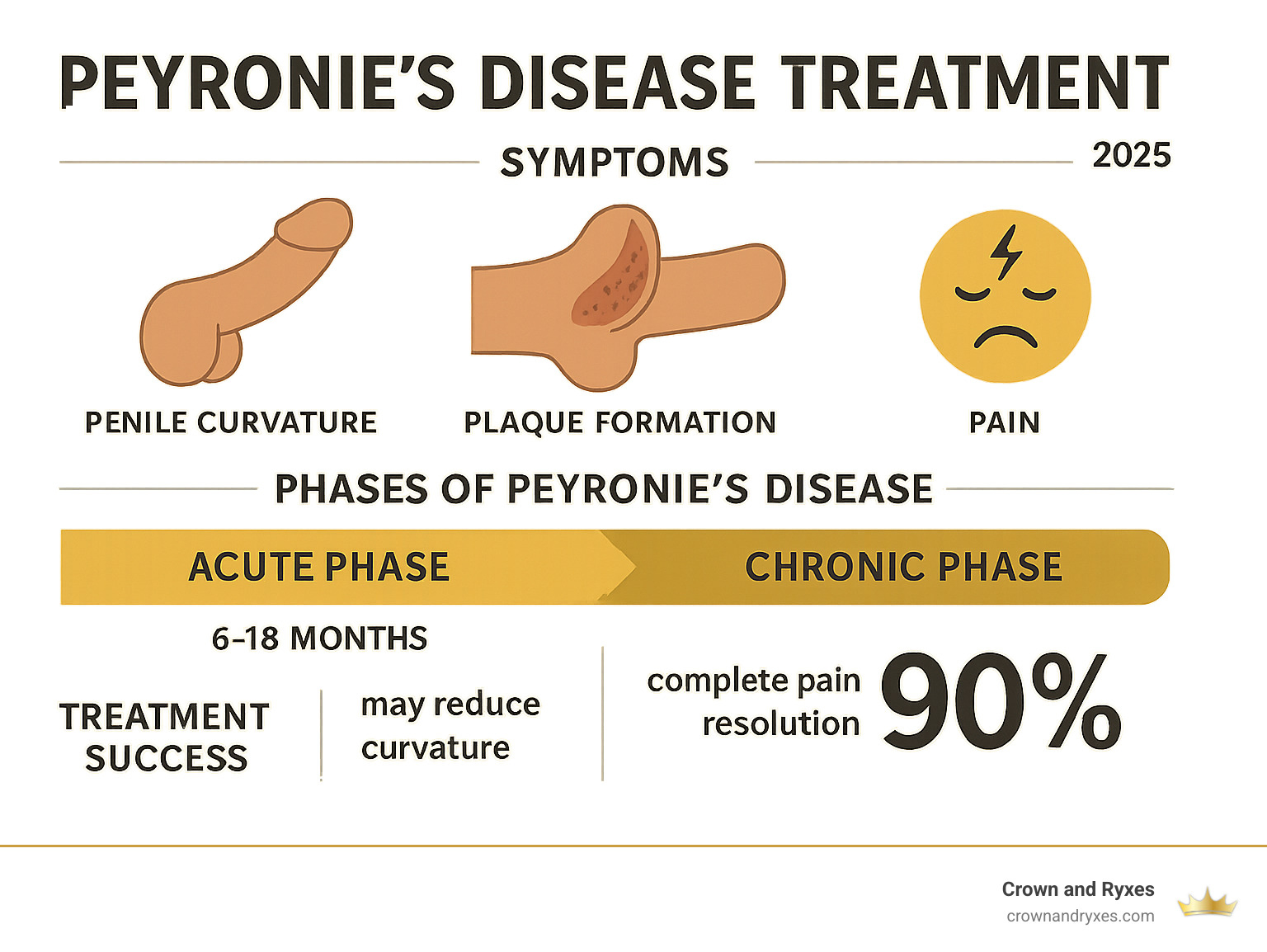
Peyronie’s disease occurs in two phases. The acute phase (6-18 months) involves active plaque formation, worsening curvature, and often painful erections. The chronic phase begins when the plaque stabilizes and pain typically subsides, but erectile dysfunction may develop.
The condition significantly impacts quality of life, with over 75% of men experiencing stress and depression. The good news is that multiple effective treatments exist, and early intervention often leads to better outcomes.
I’m Dr. Matthew Casavant, and for over 20 years, I’ve helped men address complex sexual wellness concerns like Peyronie’s disease treatment with advanced, minimally invasive procedures like REGENmax. My approach is to partner with patients to find the most effective options available.
Understanding the Impact
Peyronie’s disease is more than a physical ailment; it deeply affects a man’s well-being. The penile curvature can make intercourse difficult or impossible, often leading to or worsening erectile dysfunction (ED). We know that coping with Erectile Dysfunction Underlying Causes is complex, and Peyronie’s adds another challenge.
Beyond the bend, the disease can cause penile shortening and loss of girth, contributing to distress. This combination of physical and emotional issues can create a vicious cycle affecting self-esteem and intimacy. Our goal is to address both the physical and psychological facets of this condition, recognizing that true wellness encompasses both body and mind.
Diagnosis and the Two Phases of Peyronie’s
An accurate diagnosis is the foundation of a successful Peyronie’s disease treatment plan. We start with a conversation about your symptoms and any history of penile trauma. Often, the injury was minor and easily forgotten.
During a physical exam, we’ll feel for the firm, inflexible scar tissue (plaque) and take penile measurements to track progress. To get a clearer picture, we often use ultrasound technology. This painless ultrasound provides detailed images of the plaque and blood flow. We may need to induce an erection in the clinic to measure the curvature precisely—a standard part of the evaluation.
Understanding the causes helps us create an effective plan. Penile trauma is the most common culprit, where minor injuries during sexual activity heal improperly, forming a tough scar. Genetics also play a role; a family history of Peyronie’s or related connective tissue disorders like Dupuytren’s contracture increases susceptibility. Men with diabetes and erectile dysfunction also face a significantly higher risk.
The Acute Phase
The acute phase is when Peyronie’s is most active, typically lasting 6-18 months. During this time, plaque formation is ongoing, leading to a worsening curve and penile pain, especially during erections. This pain stems from active inflammation in the developing plaque. The good news is this phase duration is limited, and the pain will eventually subside as you enter the chronic phase.
The Chronic Phase
The chronic phase begins when the plaque and curvature stabilize. The scar tissue stops growing, and your stable curvature will not continue to worsen. Most men experience significant pain reduction or complete relief as the inflammation settles. However, this phase can bring potential for worsening erectile dysfunction, as the plaque can interfere with blood flow. If you’re experiencing these challenges, exploring options like REGENmax and other Erectile Dysfunction Treatment alongside your Peyronie’s treatment often provides the best results.
When to consider surgery becomes relevant once you’ve been in the chronic phase for 9-12 months with no changes. We must be certain the disease has stabilized before recommending surgical intervention over non-surgical options like REGENmax, as operating during the active acute phase rarely produces good outcomes.
Without treatment, only 12% of men see improvement, while 48-76% experience worsening. That’s why we focus on finding the right Peyronie’s disease treatment, such as REGENmax, for your specific situation.
Non-Surgical Peyronie’s Disease Treatment Approaches
When facing Peyronie’s disease treatment, we often start with non-surgical approaches, including REGENmax, that can be effective, especially during the acute phase.
In some cases, watchful waiting is a reasonable first step. If your curvature is mild and pain is manageable, we might monitor the condition, as it can resolve on its own in rare cases (about 13%). However, we’ll watch closely to intervene if needed.
Oral medications like Vitamin E and others have been explored, but studies show limited evidence of their effectiveness in reducing curvature. For this reason, most medical societies do not recommend them as primary treatments, especially when compared to options like REGENmax.
Mechanical therapies like penile traction devices and penile vacuum devices, often used to complement treatments like REGENmax, are gaining momentum. They work by applying gentle, consistent stretching to the penis. Small studies suggest daily use for at least six months may help restore length and reduce curvature by gradually remodeling the plaque. This requires patience but is often worth the effort.
Intralesional Injections (Penile Injections)
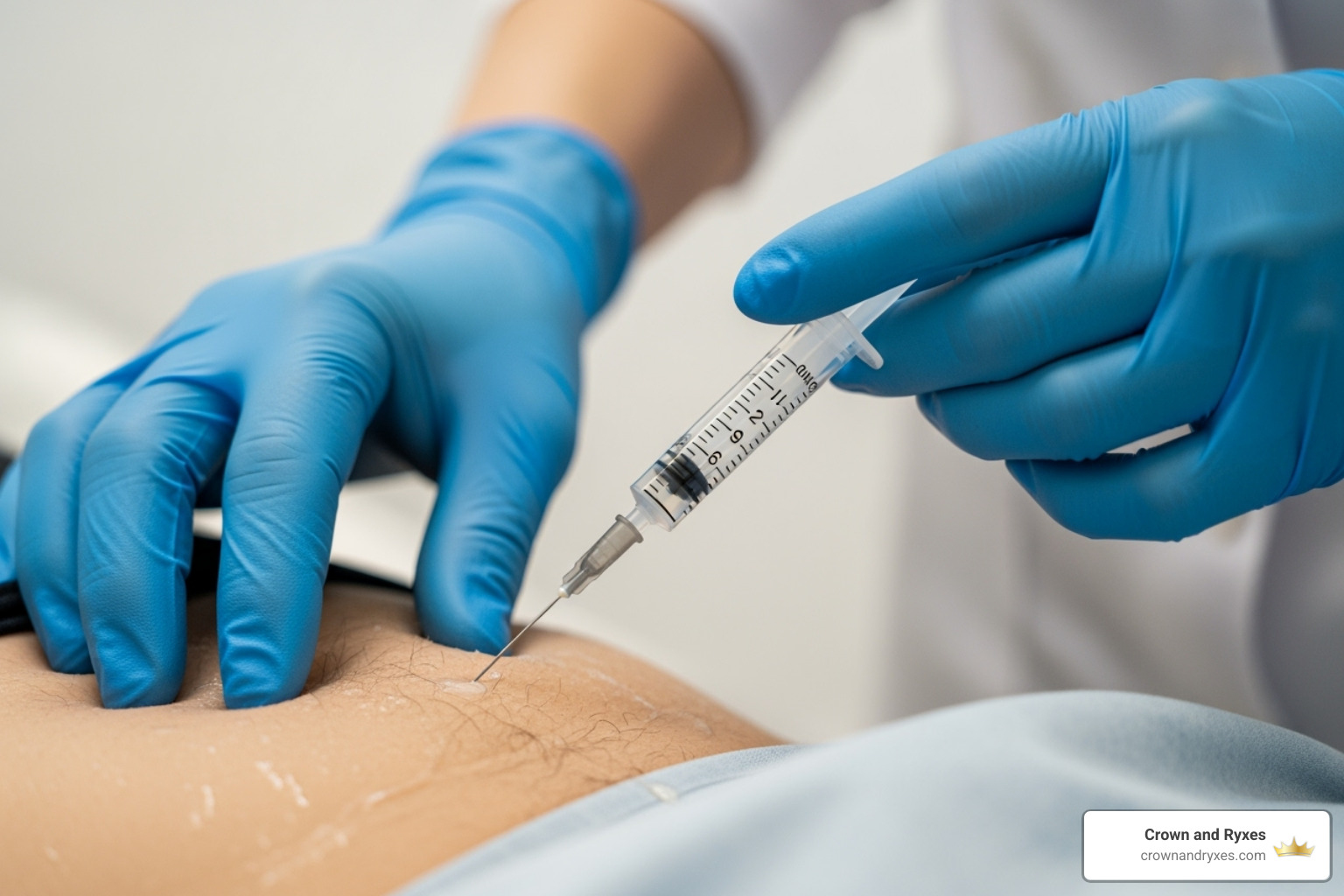
Injecting medication directly into the plaque is one of our most effective non-surgical Peyronie’s disease treatment options, often used as part of a comprehensive plan that includes REGENmax. These treatments involve a series of injections over several months.
Collagenase (Xiaflex) is the only FDA-approved treatment specifically for Peyronie’s disease. This enzyme therapy breaks down the substances that form plaques. If your penis curves more than 30 degrees, you may be a candidate. The treatment involves one to four cycles of injections, combined with penile modeling exercises at home, and has proven effective in reducing curvature. Common side effects include temporary hematoma, swelling, pain, and bruising at the injection site. Serious complications are rare.
Verapamil is another injection option. While not FDA-approved for Peyronie’s, this medication may help reduce pain and curvature by inhibiting collagen production.
Interferon-alpha 2b is another off-label option. This protein has shown promise in studies for reducing pain, curvature, and plaque size.
Innovative Therapies
The world of Peyronie’s disease treatment continues to evolve with promising emerging therapies.
REGENmax Acoustic Wave Therapy is an exciting non-invasive treatment. It delivers low-intensity sound waves to the penile tissue to stimulate blood vessel growth, break down plaque, and reduce inflammation. This promotes natural tissue regeneration, similar to how REGENmax Acoustic Wave Therapy ED improves overall tissue health. Early studies show promise in reducing pain and improving curvature.
Platelet-Rich Plasma (PRP) therapy uses your body’s own healing factors. We concentrate platelets from your blood and inject the PRP into the plaque to promote tissue repair. While still experimental, PRP is an exciting frontier in regenerative medicine, much like REGENmax.
Stem cell therapy aims to regenerate damaged tissue and reduce fibrosis. Research is ongoing, but these treatments, unlike established therapies such as REGENmax, are not yet part of standard clinical practice.
Surgical Peyronie’s Disease Treatment Options
When non-surgical approaches like REGENmax are not enough, or when Peyronie’s disease severely impacts your intimate life, surgery may be the best path forward. We don’t rush this decision. Most providers recommend waiting until your condition has been stable for at least 9 to 12 months before considering surgical Peyronie’s disease treatment.
This waiting period ensures your disease is in the chronic phase, where the plaque has stopped changing, leading to more predictable and lasting surgical results. Surgery is a serious consideration when curvature makes intercourse difficult or impossible, or when the deformity causes significant emotional distress. A thorough consultation with a urologist specializing in sexual health is essential to map the plaque with imaging and choose the best surgical approach.
Penile Plication (Suturing)
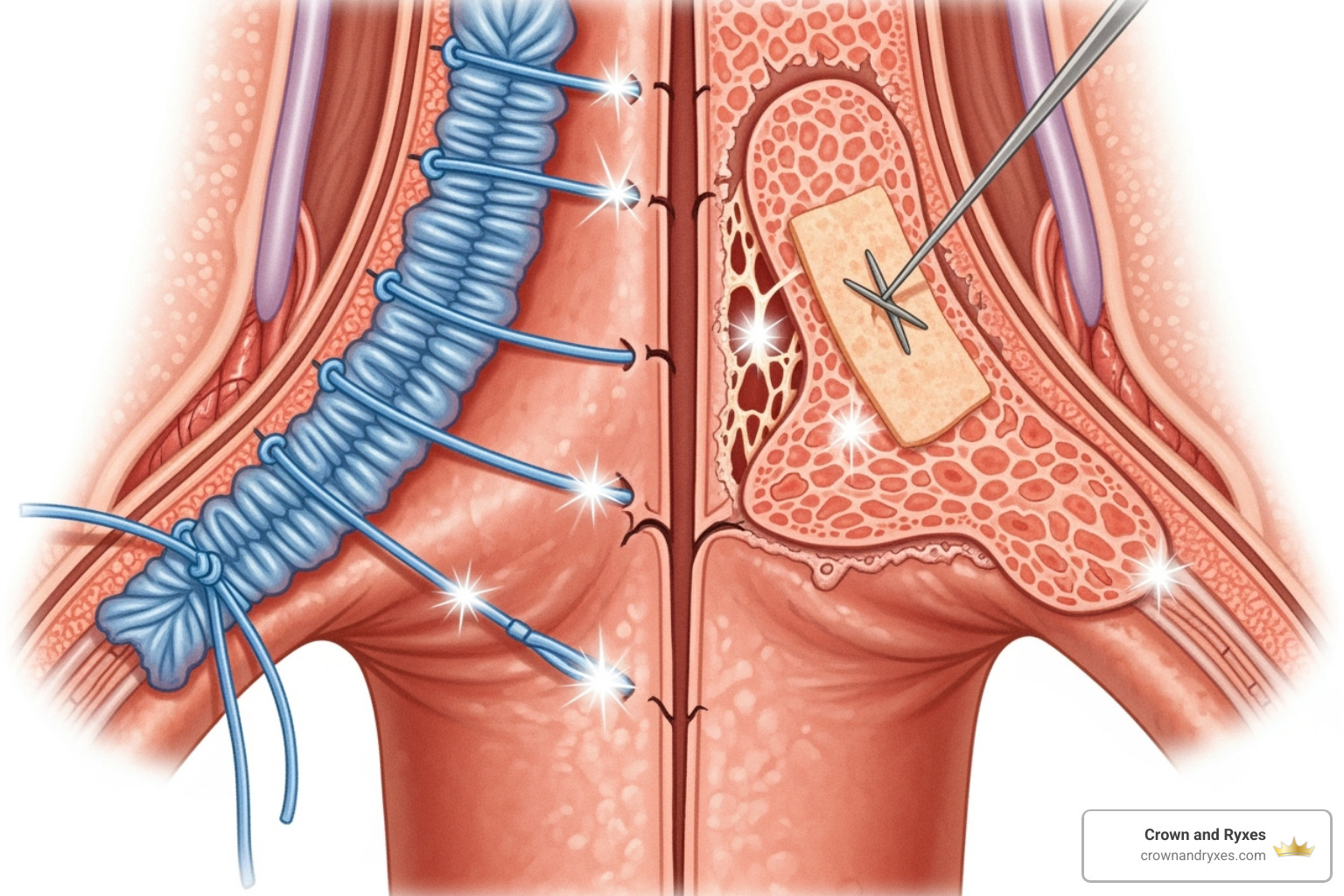
If your curvature is mild to moderate (less than 60 degrees) and you have good natural erections, penile plication may be ideal. In this procedure, we place sutures on the longer, unaffected side of the penis to straighten it. It’s less invasive than other options, with a shorter recovery. The main consideration is potential minor penile shortening, a trade-off many men find worthwhile to regain function.
Plaque Incision/Excision and Grafting
For severe curves (over 60 degrees) or complex deformities, we may need to perform a plaque incision or excision with grafting. This involves cutting or removing the plaque and covering the gap with graft material (from your own body or synthetic). This lengthens the constricted side of the penis but carries higher risks, including changes in sensation and a greater chance of worsening erectile dysfunction. We carefully weigh these risks against the potential benefits.
Penile Implants (Prosthesis)
For men with both Peyronie’s disease and severe erectile dysfunction that hasn’t responded to other treatments like REGENmax or oral medications, a penile implant often provides the most comprehensive solution. This Peyronie’s disease treatment addresses both the curve and the inability to get an erection.
The implant consists of rods placed inside the penis, allowing you to achieve a straight, rigid erection on demand. The device straightens the penis from within. If needed, the surgeon can perform additional modeling during the procedure. Patient satisfaction rates are very high (often above 90%) because implants solve multiple problems at once. After a 4 to 8 week recovery, sexual activity can resume.
Here’s how the main surgical approaches compare:
| Approach | Best For | Key Benefits | Main Considerations |
|---|---|---|---|
| Penile Plication | Mild to moderate curves (<60°), good natural erections | Less invasive, shorter recovery, preserves natural function | Possible minor shortening |
| Plaque Grafting | Severe curves (>60°), complex deformities | Can address severe cases, may preserve/gain length | Higher risk of ED, more complex recovery |
| Penile Implants | Any curve severity with severe ED | Addresses both curve and ED, high satisfaction rates | Requires device, permanent solution |
The right choice depends on your specific condition, erectile function, and personal goals. We’ll work together to find the approach that best fits your needs.
Lifestyle, Prevention, and Mental Health
Living with Peyronie’s disease touches every aspect of a man’s emotional and psychological well-being. The psychological impact can be overwhelming, with many men struggling with anxiety about sexual performance, worry about their partner’s satisfaction, or embarrassment about the appearance of their penis. These feelings are normal and understandable.

Open communication with your partner is crucial. Sharing your feelings can strengthen your relationship. Many couples find that honest conversations lead to deeper intimacy and understanding. For guidance, resources like Erectile Dysfunction Partner Support offer valuable insights.
Professional support through sex therapy or counseling, which can complement medical treatments like REGENmax, can provide effective coping strategies. These professionals understand the unique challenges you’re facing and can help you and your partner work through them. Seeking help is a sign of strength.
Can Peyronie’s Disease Be Prevented?
While there’s no definitive way to prevent Peyronie’s disease, you can take steps to reduce your risk of penile injury, a common suspected cause.
Being mindful during sexual activity is key. Vigorous activity can cause micro-injuries. Using lubricants reduces friction and can help prevent these injuries. Careful positioning also matters; avoid aggressive movements and guide your penis gently if it slips out.
If you have softer erections or erectile dysfunction, addressing it may reduce injury risk, as a less rigid penis is more prone to bending. This is where treatments like REGENmax and other erectile dysfunction therapies can play a protective role.
Maintaining overall vascular health is also important. Positive Erectile Dysfunction Lifestyle Changes like quitting smoking, regular exercise, and reducing alcohol support your broader sexual health and can improve the effectiveness of any Peyronie’s disease treatment, including REGENmax, you may need.
Frequently Asked Questions about Peyronie’s Disease
We know dealing with Peyronie’s disease brings up many questions. Here are answers to the most common concerns we hear.
Does Peyronie’s disease go away on its own?
This is the first question most men ask. Unfortunately, spontaneous resolution is rare, happening in only about 13 out of 100 men. Most untreated cases either stay the same or worsen over time. Studies show 48-76% of men will experience worsening curvature. While pain often resolves as the disease enters the chronic phase, the plaque and bend usually remain. This is why we encourage early intervention with Peyronie’s disease treatment like REGENmax rather than waiting and hoping it disappears.
Can I still have sex with Peyronie’s disease?
The answer depends on the severity of your condition. If your curvature is mild and not painful, you may still be able to have satisfying intercourse. However, when the bend is severe, causes pain, or makes penetration difficult, sexual activity becomes challenging. A 20-degree curve might not interfere much, but a 60-degree curve can make things very difficult. The encouraging news is that restoring sexual function is the primary goal of Peyronie’s disease treatment, using approaches like REGENmax acoustic wave therapy, injections, or surgery to reduce the curve and eliminate pain.
Does Viagra or other ED medication fix Peyronie’s disease?
This is an important misconception. ED medications like Viagra or Cialis do not treat the underlying scar tissue or correct the penile curvature, unlike treatments such as REGENmax which are designed to address the plaque. These medications increase blood flow to help you achieve an erection, but they won’t make the plaque disappear or straighten the curve.
However, there is a benefit: using ED medication, sometimes alongside REGENmax, to ensure a firm erection might help reduce the risk of further injury during sex. A rigid erection is less likely to bend unnaturally. If you’re dealing with both Peyronie’s disease and erectile dysfunction, we’ll often address both conditions simultaneously. ED medication can help with erection quality while we use other Peyronie’s disease treatment approaches, like REGENmax or injections, to address the curvature. For more information on medications, our guide on the Best ED Medication can help, and we can discuss how these work with REGENmax.
Conclusion: Finding the Right Path Forward
Living with Peyronie’s disease can be overwhelming, but effective treatment options like REGENmax exist. Peyronie’s disease treatment is not one-size-fits-all; it’s about finding what works for your specific situation.
The journey starts with understanding your choices. During the acute phase, non-surgical treatments like collagenase injections or REGENmax acoustic wave therapy can reduce pain and prevent worsening. In the chronic phase, surgery might offer the solution you need.
What gives us the most hope? Nearly 90% of men who seek treatment experience complete pain resolution, and the psychological burden doesn’t have to be permanent.
At Crown and Ryxes, we’ve spent over 20 years helping men steer these complex decisions. Our approach in Clermont, FL, and The Villages, FL, focuses on creating genuine partnerships with our patients. We take the time to understand your physical symptoms and how the condition has impacted your life.
The most important step is to not wait and hope it goes away on its own—spontaneous resolution is rare. Early consultation means more treatment options, including REGENmax, and better outcomes. We’re here to guide you through every decision with honesty and expertise.
Your sexual wellness and peace of mind matter. Ready to explore how personalized treatment with options like REGENmax can help you move forward? Learn How Much ED Treatment Costs and find how our comprehensive approach can help you reclaim the intimate life you deserve.