

Why Your Scalp’s Blood Flow Matters More Than You Think
Poor circulation scalp is when blood flow to your scalp becomes restricted, depriving hair follicles of essential oxygen and nutrients they need to thrive. This reduced blood supply can lead to weakened, brittle hair, increased shedding, and noticeable thinning over time.
Quick ways to boost scalp circulation:
- Massage your scalp daily – Use fingertips in gentle circular motions for 3-5 minutes
- Stay hydrated – Drink at least 2 liters of water daily to keep blood flowing smoothly
- Eat circulation-boosting foods – Include iron, zinc, niacin, and omega-3 fatty acids in your diet
- Exercise regularly – Aim for 30 minutes of moderate activity to improve overall blood flow
- Manage stress – Practice breathing exercises, yoga, or meditation to support healthy circulation
Your scalp has the highest blood circulation per square inch in your entire body. Each hair follicle depends on a network of tiny blood vessels called capillaries to deliver the nutrients, oxygen, and growth factors it needs during the active growth phase. When this supply gets disrupted, your follicles literally starve—they can’t produce strong, healthy hair strands.
Research shows that men with male pattern baldness have subcutaneous blood flow 2.6 times lower than those without hair loss. Poor circulation doesn’t just affect hair quality—it can shorten your hair’s growth phase, leaving you with thinner, weaker strands that shed more easily.
The good news? You have more control over your scalp’s blood flow than you might think. Simple daily habits, targeted nutrients, and professional treatments can all help restore healthy circulation and create the foundation your hair needs to flourish.
I’m Dr. Matthew Casavant, and throughout my career in regenerative medicine, I’ve seen how addressing poor circulation scalp through comprehensive treatments can dramatically improve both hair vitality and overall wellness. My approach combines evidence-based medical solutions with lifestyle modifications to help patients achieve lasting results.
Poor circulation scalp word roundup:
The Critical Link: How Blood Flow Fuels Your Hair
What exactly is scalp circulation, and why is it so vital for healthy hair? At its core, scalp circulation refers to the intricate network of blood vessels—from larger arteries to microscopic capillaries—that supply blood to your scalp and, most importantly, to your hair follicles. These vessels are the lifelines that deliver oxygen, essential nutrients, and hormones directly to the hair-producing cells.
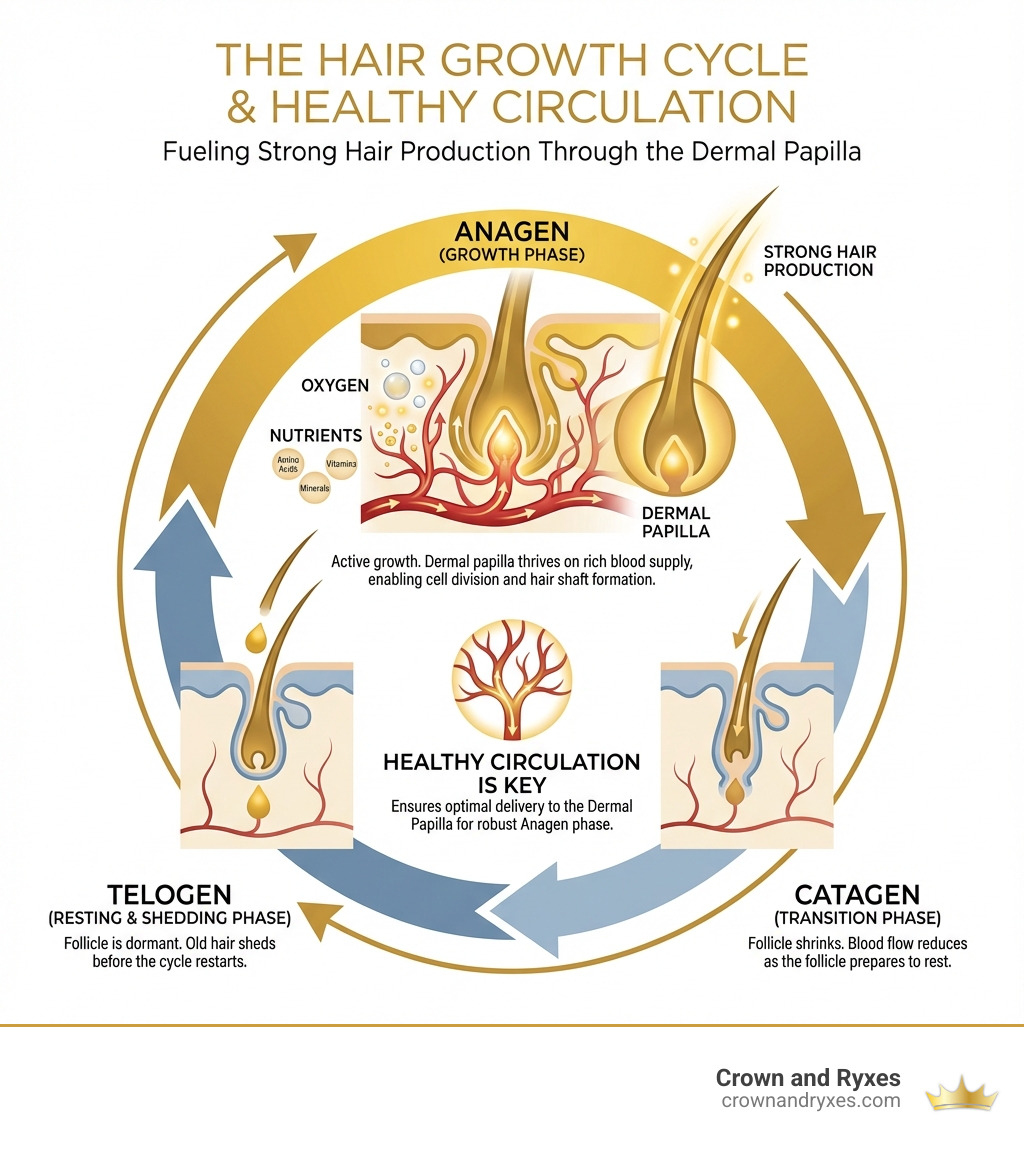
The anatomy of a hair follicle reveals its deep connection to this vascular network. As a hair follicle develops, blood vessels surround it, especially around the dermal papilla at its base. The dermal papilla is a small, cone-shaped structure at the bottom of the hair follicle, highly vascularized and crucial for hair growth. It acts as the command center, using the delivered nutrients and oxygen to signal hair matrix cells to produce keratin, the protein that makes up your hair. This constant supply supports nutrient delivery, waste elimination, and overall hair growth. You can learn more about the anatomy of hair and its blood supply through detailed research.
When this blood supply is robust, your hair follicles are well-nourished, allowing them to remain in the anagen (active growth) phase for longer, producing strong, vibrant hair. However, when blood flow is compromised, the follicles don’t receive adequate nourishment. This can lead to follicular miniaturization, where the follicles shrink over time, and a shortened anagen phase, resulting in thinner, weaker, and more brittle hair that struggles to grow to its full potential.
How Poor Scalp Circulation Leads to Hair Loss
Now, let’s connect the dots: how does poor circulation scalp directly contribute to hair loss? It’s a cascade effect, really. When blood flow is inadequate, hair follicles receive insufficient oxygen and nutrients. Imagine trying to grow a plant without enough water or fertilizer—it would wither and struggle. Our hair follicles behave similarly.
This inadequate nutrition causes the hair follicles to become dormant, meaning they enter a resting state prematurely or produce hair that is weak and lifeless. This leads to increased shedding, often referred to as telogen effluvium, where a significant number of hair follicles prematurely enter the telogen (hair loss) phase. The hair strands become weak and brittle, lacking their natural luster and density.
Furthermore, there’s a significant connection between poor circulation scalp and certain types of hair loss, such as androgenetic alopecia (male or female pattern baldness). Research has shown a clear link: men with male pattern baldness (MPB) had a subcutaneous blood flow 2.6 times lower than those without MPB. This reduced blood flow means inadequate nutrition to the hair follicles, which can make them dormant, cutting short the anagen phase, and ultimately contributing to the gradual shrinkage of hair follicles associated with this condition.
While genetics, age, and hormones play primary roles in conditions like MPB, the role of local blood supply in nourishing the follicles cannot be overstated. Better blood flow to the scalp can lead to an overall lessening of hair loss. For more information on various hair loss solutions, explore our comprehensive guide on Hair Loss Treatments.
Recognizing the Red Flags: Symptoms of Poor Scalp Circulation
So, how do you know if you’re experiencing poor circulation scalp? Your hair and scalp often send clear signals that something isn’t quite right. Recognizing these “red flags” early can help you take proactive steps.

The most common signs and symptoms of poor circulation scalp include:
- Increased Hair Loss: This is often the most noticeable sign. You might find more hair than usual on your pillow, in your shower drain, or in your brush.
- Lustreless Hair: Hair that lacks its natural shine and appears dull.
- Dryness and Roughness: Your hair might feel rough to the touch and appear unusually dry, as it’s not receiving enough internal hydration and nutrients.
- Decreased Hair Volume and Density: Over time, your hair might start to look thinner, and you may notice a reduction in its overall volume. Hair strands can lose density and become thinner.
- Weak and Brittle Hair Strands: Hair that breaks easily, even with gentle handling, indicates a lack of strength and nourishment.
- Slower Hair Growth: If your hair seems to be growing much slower than before, or new growth is stunted, it could point to a compromised blood supply.
- Itchiness or Scalp Tenderness: While not always directly linked, a compromised scalp environment due to poor circulation can sometimes lead to discomfort or sensitivity.
These symptoms arise because the hair follicles are not receiving the constant supply of oxygen and nutrients they need to sustain healthy growth.
Beyond the Scalp: Systemic Signs of Poor Circulation
The scalp is part of a larger system. Often, poor circulation scalp issues can be a localized manifestation of broader circulatory problems affecting the entire body. Diseases of the circulatory system are more common than heart disease and cancer, affecting millions of people. Therefore, it’s wise to be aware of other potential systemic signs of poor circulation:
- Cold Hands and Feet: A common symptom as blood struggles to reach the body’s extremities.
- Numbness or Tingling: You might experience a “pins and needles” sensation in your limbs due to nerve damage from lack of blood flow.
- Brittle Nails: Just like hair, nails depend on good blood flow for strength. Poor circulation can starve nail beds of oxygen, resulting in brittle nails that break easily.
- Fatigue and Lethargy: When blood supply is restricted, your body lacks the fuel it needs to maintain optimum energy levels, leading to constant tiredness.
- Poor Cognitive Function: Reduced blood flow to the brain can affect concentration, memory, and overall mental clarity, potentially contributing to conditions like vascular dementia.
- Erectile Dysfunction: In men, poor circulation because of clogged arteries can lead to difficulties getting an erection due to insufficient blood flow in the reproductive organs. Peripheral Arterial Disease (PAD) is actually thought to be the cause of around 70% of cases of erectile dysfunction, and issues with getting an erection often signal greater circulatory issues. We offer REGENmax to address sexual wellness concerns. Learn more about REGENmax and how it can help.
If you notice several of these symptoms, both on your scalp and elsewhere in your body, it’s a strong indicator that you should consult a healthcare professional to assess your overall circulatory health.
Boosting Blood Flow: Effective Methods to Revitalize Your Scalp
The good news is that there are many effective strategies, both at home and through professional treatments, that can significantly improve poor circulation scalp and promote healthier hair growth. It’s about creating an optimal environment for your hair to thrive. For a holistic approach to nurturing your hair, explore our guide on Hair Restoration Natural Solutions.

At-Home Techniques to Stimulate Your Scalp
Incorporating simple, consistent practices into your daily routine can make a big difference in boosting scalp circulation:
Scalp Massage: This is one of the most effective and accessible ways to stimulate blood flow. Massaging your scalp with your fingertips using gentle pressure opens up and prompts the blood vessels to supply more oxygen and nutrients to your hair follicles. Research shows that massaging promotes increased circulation by stimulating parasympathetic nerves, relaxing muscles, and dilating capillary vessels. A 2019 study involving 327 people with androgenetic alopecia found that almost 70% reported stabilized hair loss or regrowth after daily massages of 11-20 minutes over roughly 6 months. You can simply use your fingers or invest in a scalp massaging tool. For more detailed insights into the benefits, refer to Research on scalp massage benefits.
Essential Oils: Certain essential oils, when diluted with a carrier oil (like olive, coconut, jojoba, or almond oil), can improve the effects of scalp massage due to their stimulating properties.
- Rosemary oil: Known for its ability to stimulate hair growth and improve circulation.
- Peppermint oil: Creates a tingling sensation that indicates increased blood flow.
- Other beneficial oils include lavender, cedarwood, and thyme. Always dilute essential oils before applying them to your scalp.
Brushing Techniques: Regular, gentle brushing of your hair can also stimulate the capillaries beneath the scalp. Use a soft-bristled brush and brush from root to tip to distribute natural oils and encourage blood flow. Be gentle to avoid hair breakage.
Cold Water Rinses: While some sources suggest cold showers can boost circulation by causing the body to warm itself, scientific backing for its specific effect on scalp circulation is mixed. Some contradictory claims suggest they may trigger hypertension by constricting blood vessels, potentially reducing blood flow. However, rinsing your hair with cool water at the end of a wash can help close hair cuticles and add shine.
Breathing Exercises and Yoga Inversions: Practices like Pranayama (deep breathing techniques) can increase oxygen flow throughout the body, including the scalp. Yoga poses that involve inversions, such as Downward Dog or Legs Up the Wall, can temporarily increase blood flow to the head. While the “inversion method” (dunking your head upside down) lacks scientific proof for hair growth, general yoga practices are known to improve overall circulation.
Diet and Lifestyle Changes for a Poor Circulation Scalp
Beyond direct scalp stimulation, your overall health, diet, and lifestyle choices profoundly impact your circulatory system, including the blood flow to your scalp.
Hydration: Drinking enough water is fundamental. When you’re dehydrated, your blood can thicken, making it harder for your heart to pump it efficiently throughout your body, including to your scalp. Aim for at least 2 liters of water daily.
Circulation-Boosting Foods: A nutrient-rich diet is critical. Focus on foods that support vascular health:
- Iron and Zinc: Essential for healthy red blood cell production and overall hair health.
- Niacin (Vitamin B3): This vitamin has been shown to increase cerebral blood flow, improve the function of cells that make up blood vessels, and promote the formation of new blood vessels. Rich dietary sources include mushrooms, peas, peanuts, avocados, fish, turkey, chicken, and beef. For more on the role of B vitamins in hair health, see our Vitamin B5 Hair Loss Ultimate Guide.
- Antioxidants: Found in berries, dark leafy greens, and dark chocolate, antioxidants help protect blood vessels from damage.
- Omega-3 Fatty Acids: Present in fatty fish (like salmon), flaxseeds, and walnuts, these reduce inflammation and support healthy blood vessel function.
- Other beneficial foods: Turmeric (contains curcumin, which can prevent blood flow obstruction), ginger, spinach, garlic, and beetroot are all known for their circulation-enhancing properties.
Regular Exercise: Physical activity is a powerhouse for your circulatory system. Regular exercise strengthens your heart, increasing its ability to pump blood throughout your body. This improves blood flow and oxygen supply to all your tissues, including your scalp. The NHS advises 150 minutes of moderate intensity or 75 minutes of vigorous intensity exercise per week. Learn more about the Benefits of physical activity.
Stress Reduction: Chronic stress can lead to high blood pressure, which over time, damages your heart, arteries, and major organs. This damage can increase your risk of developing heart and circulatory diseases and can also decrease blood circulation in blood vessels. Engaging in stress-reducing activities like meditation, deep breathing, yoga, or hobbies can significantly improve your overall circulatory health.
Quitting Smoking: This is one of the most impactful changes you can make. The chemicals in cigarettes cause your artery walls to become sticky, allowing fatty materials to adhere and leading to clogged arteries. This dramatically reduces blood flow throughout your body, including to your scalp.
When to Seek Professional Help for Hair Loss
While at-home remedies and lifestyle adjustments are excellent starting points, there are times when poor circulation scalp and associated hair loss warrant professional medical attention. Knowing when to seek expert advice is crucial for effective treatment and to rule out underlying health conditions.
We recommend consulting a professional if you experience:
- Persistent Hair Shedding: If your hair loss continues despite consistent home care, or if you’re shedding significantly more than the normal 50-100 hairs per day.
- Noticeable Thinning: If you observe a rapid or significant decrease in hair density and volume.
- Scalp Pain or Inflammation: Any persistent discomfort, redness, itching, or inflammation on your scalp should be evaluated by a medical professional.
- No Improvement with Home Care: If you’ve diligently tried the at-home methods for several months without seeing any positive changes, it’s time for an expert assessment.
A dermatologist or a trichologist (a specialist in hair and scalp health) can accurately diagnose the cause of your hair loss, which may extend beyond simple circulation issues, and recommend appropriate treatments. Our team at Crown and Ryxes specializes in hair restoration and can provide expert consultations in Clermont, FL, and The Villages, FL. Find out more about how to connect with a Doctor for Hair Near Me.
Advanced Treatments for a Poor Circulation Scalp
For those who need more targeted interventions, a range of advanced treatments can significantly improve poor circulation scalp and stimulate hair regrowth. These options often complement lifestyle changes and are typically administered under professional guidance.
Topical Solutions: Medications like Minoxidil are widely used. Minoxidil works as a vasodilator, meaning it widens blood vessels to increase blood flow to the hair follicles. It’s available over-the-counter and can be effective for both men and women, though it often requires continuous use to maintain results. If treatment is stopped, hair loss can resume. Learn more about Topical Solutions for Hair Loss.
Low-Level Laser Therapy (LLLT): This non-invasive treatment uses red light to energize cells, stimulate metabolic processes, and is thought to stimulate the release of nitric oxide, which induces vasodilation and boosts blood circulation to the scalp. LLLT can be administered via in-clinic devices or at-home caps. Explore the benefits of a Laser Hair Growth Cap.
PRP Scalp Injections: Platelet-Rich Plasma (PRP) therapy involves drawing a small amount of your blood, processing it to concentrate the platelets (which are rich in growth factors), and then injecting this plasma into the scalp. These growth factors stimulate hair follicles, promote healing, and can improve blood supply to the treated areas. This is a very popular and effective treatment for many of our patients in Clermont, FL, and The Villages, FL. For a deeper dive, read The Complete Guide to PRP Hair Treatment Benefits.
Mesotherapy: This technique involves injecting a cocktail of vitamins, minerals, amino acids, and other beneficial substances directly into the mesoderm layer of the scalp. The aim is to nourish hair follicles, improve local circulation, and stimulate hair growth. Find more about Mesotherapy Hair Loss.
Hormone Replacement Therapy (HRT): For some individuals, hormonal imbalances can contribute to hair loss. Bio-Identical Hormone Replacement Therapy (BHRT) aims to rebalance hormone levels, which can indirectly support overall health, including better circulation and hair growth. This is particularly relevant for those experiencing age-related hormonal shifts. Find out more about BHRT and its potential benefits.
These advanced treatments, when combined with healthy lifestyle choices, offer powerful solutions for revitalizing your scalp and promoting robust hair growth.
Conclusion
Understanding the critical role of blood circulation in maintaining a healthy scalp and vibrant hair is the first step toward addressing hair loss and thinning. A poor circulation scalp can deprive your hair follicles of the essential nutrients and oxygen they need, leading to weakened strands, increased shedding, and stunted growth.
However, the good news is that you have many options to improve your scalp’s blood flow. From consistent at-home practices like scalp massages, incorporating circulation-boosting foods into your diet, and adopting a healthy, active lifestyle, to advanced professional treatments like PRP injections and LLLT, a proactive approach can make a significant difference.
The key is consistency and a holistic view of your health. By nurturing a healthy scalp ecosystem, you’re not just treating symptoms; you’re building a strong foundation for long-term hair vitality.
At Crown and Ryxes, we are dedicated to helping you achieve your hair restoration goals. Our expertise in personalized treatments, combined with our understanding of the science behind hair health, ensures you receive the most effective care. If you’re struggling with poor circulation scalp or hair loss, we invite you to take the next step.
Book a consultation for Hair Transplant Services with our specialists in Clermont, FL, and The Villages, FL, and let us help you uncover the solutions for seriously good hair.