

Understanding Steroid Scalp Injections: Fact vs. Fiction
If you’re searching for information about steroid scalp injections for hair growth, here’s what you need to know:
| Quick Facts: Steroid Scalp Injections for Hair Growth |
|---|
| ✓ Most effective for: Alopecia areata, lichen planopilaris, inflammatory conditions |
| ✗ Not effective for: Male/female pattern baldness, telogen effluvium |
| ✓ Success rate: 60-80% for mild/moderate alopecia areata |
| ✓ Timeline: First results visible within 2-4 weeks |
| ✓ Treatment schedule: Injections every 4-6 weeks |
| ✓ Average cost: $100-$500 per session (typically not covered by insurance) |
Hair loss can be devastating, affecting not just your appearance but your confidence and quality of life. Among the various treatments available, steroid scalp injections have emerged as a potentially effective solution for certain types of hair loss – but they’re not a universal cure.
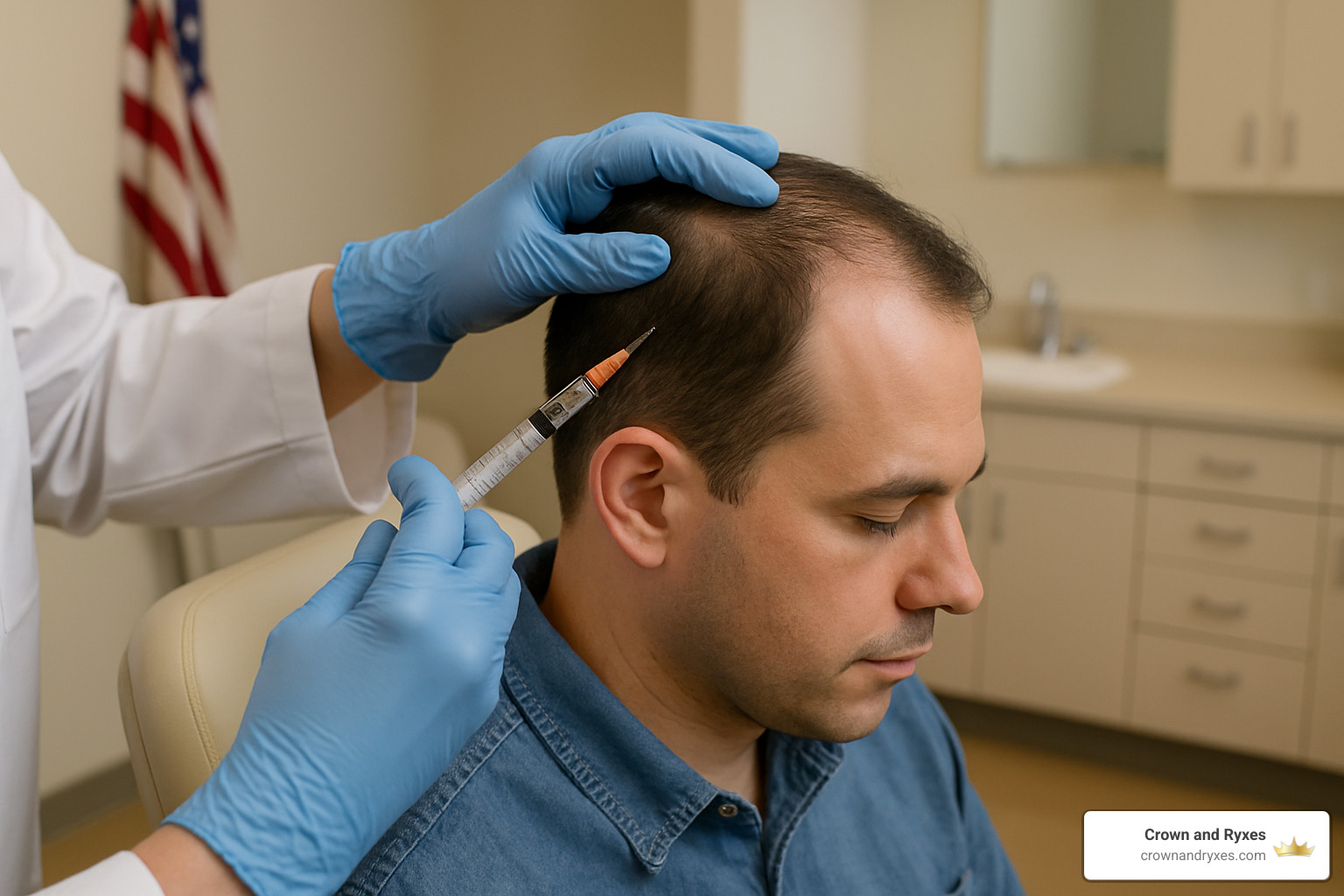
Steroid scalp injections involve delivering corticosteroid medication directly into affected areas of the scalp. Unlike anabolic steroids used by bodybuilders, these medical corticosteroids work by reducing inflammation and suppressing overactive immune responses that may be attacking your hair follicles.
The science is particularly compelling for autoimmune conditions like alopecia areata, where studies show improvement in 60-80% of mild to moderate cases. However, these injections won’t help with the most common form of hair loss – pattern baldness – which requires different approaches entirely.
I’m Dr. Matthew Casavant, and I’ve spent over a decade helping patients steer treatment options for hair loss, including steroid scalp injections for hair growth in cases where inflammation is the underlying cause. My approach combines the latest medical evidence with personalized care to deliver the most effective results for each unique situation.
Explore more about steroid scalp injections for hair growth:
– prp hair growth treatment
– stem cell scalp injections
– prp injection for hair loss price
Steroid Scalp Injections for Hair Growth: Mechanism, Scientific Evidence & Treatable Conditions
When we talk about steroid scalp injections for hair growth, we’re referring to a treatment that’s been helping people with certain types of hair loss since the 1950s. This isn’t some experimental therapy—it’s a well-established medical approach with decades of research behind it.
The star player in these injections is typically triamcinolone acetonide (you might hear brand names like Kenalog-10 or Adcortyl). Think of this medication as a peacekeeper that goes directly to where the battle is happening—right in your scalp tissue where inflammation is causing trouble.
“Corticosteroid injections suppress T-cell-mediated immune attacks on hair follicles,” explains Dr. Kumaresan, who’s spent years researching this field. “This local immunosuppression allows dormant follicles to reactivate and resume normal hair growth cycles.”
The science backs this up quite convincingly for certain conditions. Research published in the Journal of the American Academy of Dermatology shows that steroid scalp injections for hair growth help 60-80% of people with mild to moderate alopecia areata. Another study with 127 patients found that 82% saw at least half their hair grow back after treatment.
| Treatment Method | Delivery | Efficacy for AA | Side Effects | Systemic Absorption |
|---|---|---|---|---|
| Intralesional Steroids | Direct injection into affected areas | 60-80% for mild/moderate | Localized, minimal | Very low |
| Topical Steroids | Applied to skin surface | ~25% when used alone | Skin thinning, irritation | Low |
| Oral Steroids | Taken by mouth | Variable, potentially high | Significant systemic effects | High |
But let’s be clear—these injections aren’t magic bullets for all types of hair loss. They shine brightest when inflammation or autoimmune activity is behind your hair troubles.
How do steroid scalp injections for hair growth work?
Steroid scalp injections for hair growth work through some pretty fascinating biology. When the medication enters your scalp tissue, it immediately gets to work:
First, it calms inflammation that’s happening around your hair follicles—like putting out a fire that’s damaging your hair’s growth environment. Then, it tells overactive immune cells to stand down, preventing them from attacking your follicles. Finally, this peaceful environment allows your hair follicles to reset and return to their normal growth cycle.
What makes this approach so smart is how targeted it is. Dr. Jeffrey Donovan, a specialist in this field, explains it perfectly: “When we inject steroids directly into affected areas, we’re creating a reservoir of medication that slowly releases over time, providing continuous anti-inflammatory effects for weeks.”
Unlike taking steroid pills that affect your entire body, these injections focus the medication exactly where you need it, minimizing side effects elsewhere.
Steroid scalp injections for hair growth: which hair-loss types respond best?
Not all hair loss is created equal, and steroid scalp injections for hair growth work wonderfully for some types but not at all for others. Knowing which category your hair loss falls into can save you time, money, and disappointment.
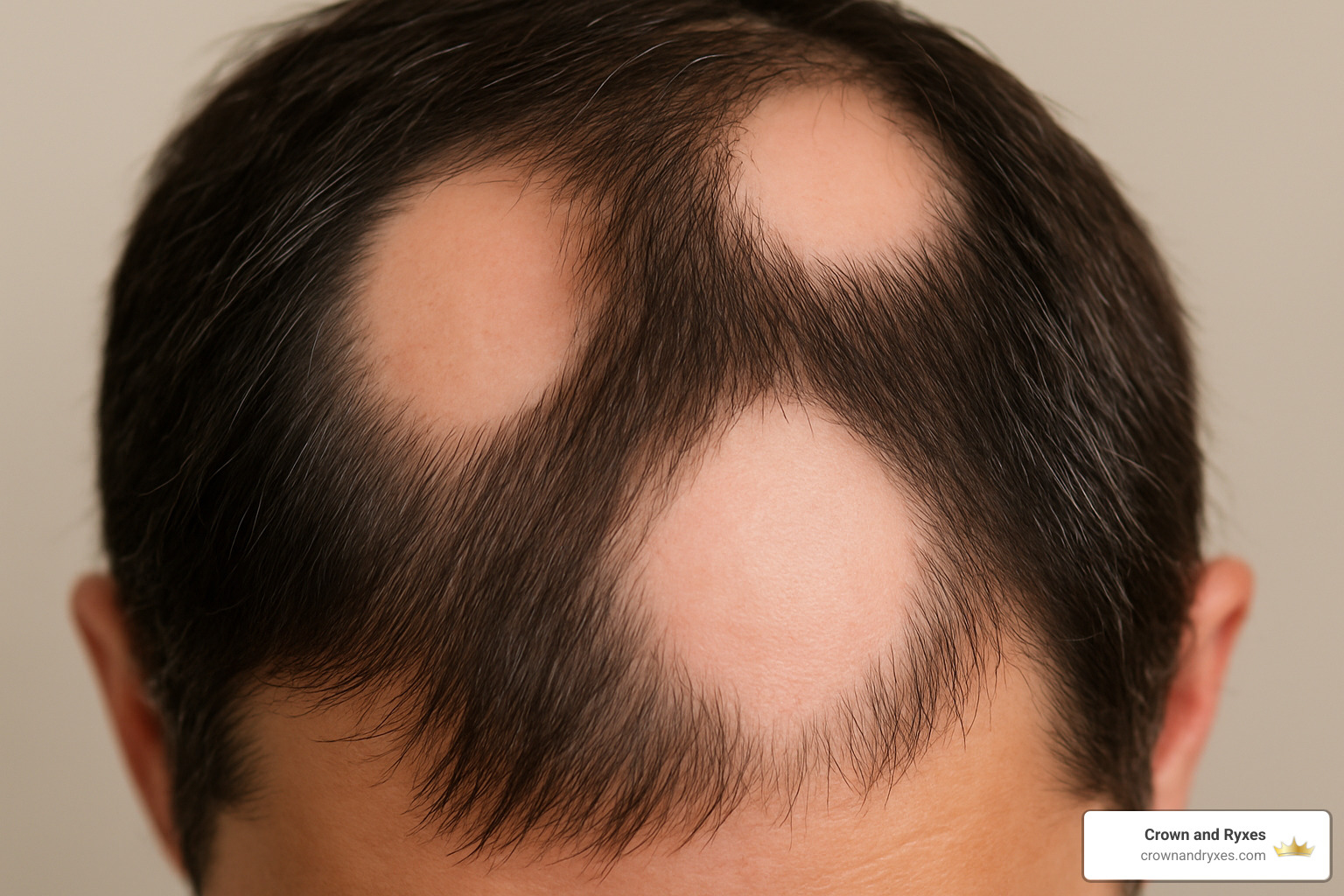
These injections typically work best for conditions where your immune system or inflammation is the culprit. Alopecia areata tops the list—studies show 61% of patients experienced remission after just 1-2 treatments. This autoimmune condition causes those distinctive round, smooth bald patches that can appear suddenly.
Other responsive conditions include lichen planopilaris (with an impressive 83% positive response rate), frontal fibrosing alopecia affecting the hairline, discoid lupus (where 46% of patients achieved full remission), and hair-loss-causing scalp psoriasis.
On the flip side, these injections won’t help with the most common type of hair loss—androgenetic alopecia, also known as male or female pattern baldness. This type is driven by genetics and hormones, not inflammation. They also won’t help with temporary shedding from stress (telogen effluvium), hair loss from tight hairstyles (traction alopecia), or chemotherapy-related hair loss.
“The key distinction is whether inflammation is driving the hair loss,” says Dr. Matthew Casavant at Crown and Ryxes. “If the follicles are being attacked by your immune system, steroid injections can be remarkably effective. If the issue is genetic or hormonal, we need to explore other options.”
Step-by-Step Procedure: Preparation, Pain Management & Aftercare
Thinking about getting steroid scalp injections for hair growth? I completely understand any nerves you might have. Let me walk you through exactly what happens before, during, and after treatment so you’ll feel more at ease.
Before your first session
The success of your treatment starts well before you sit in the treatment chair. Here’s how to prepare properly:
Your doctor will review your complete medical history and current medications during your consultation. This is crucial because certain conditions like diabetes need special consideration. Be completely honest about everything you’re taking – even supplements.
“I always tell my patients to stop taking aspirin and other blood thinners for a few days before their appointment – with their doctor’s approval, of course,” says Dr. Casavant. “This helps minimize any potential bruising.”
The morning of your appointment, wash your hair with a gentle shampoo but skip styling products that might irritate the injection sites. Wear something with buttons or a front zipper rather than a pullover – you’ll thank yourself later when you don’t have to drag fabric over your freshly treated scalp!
And don’t skip breakfast. A good meal beforehand prevents that lightheaded feeling some people experience during medical procedures.
During the injection session
The treatment itself is surprisingly quick and straightforward:
Your provider begins by carefully examining your scalp to map out the treatment areas. They’ll clean your scalp with an antiseptic solution – it might feel a bit cold but helps prevent infection.
Most patients wonder about pain. While some clinics offer topical numbing cream or cooling devices, many find the discomfort quite manageable without them. Most first-timers rate the pain around 3/10 – more of a brief pinch than actual pain.
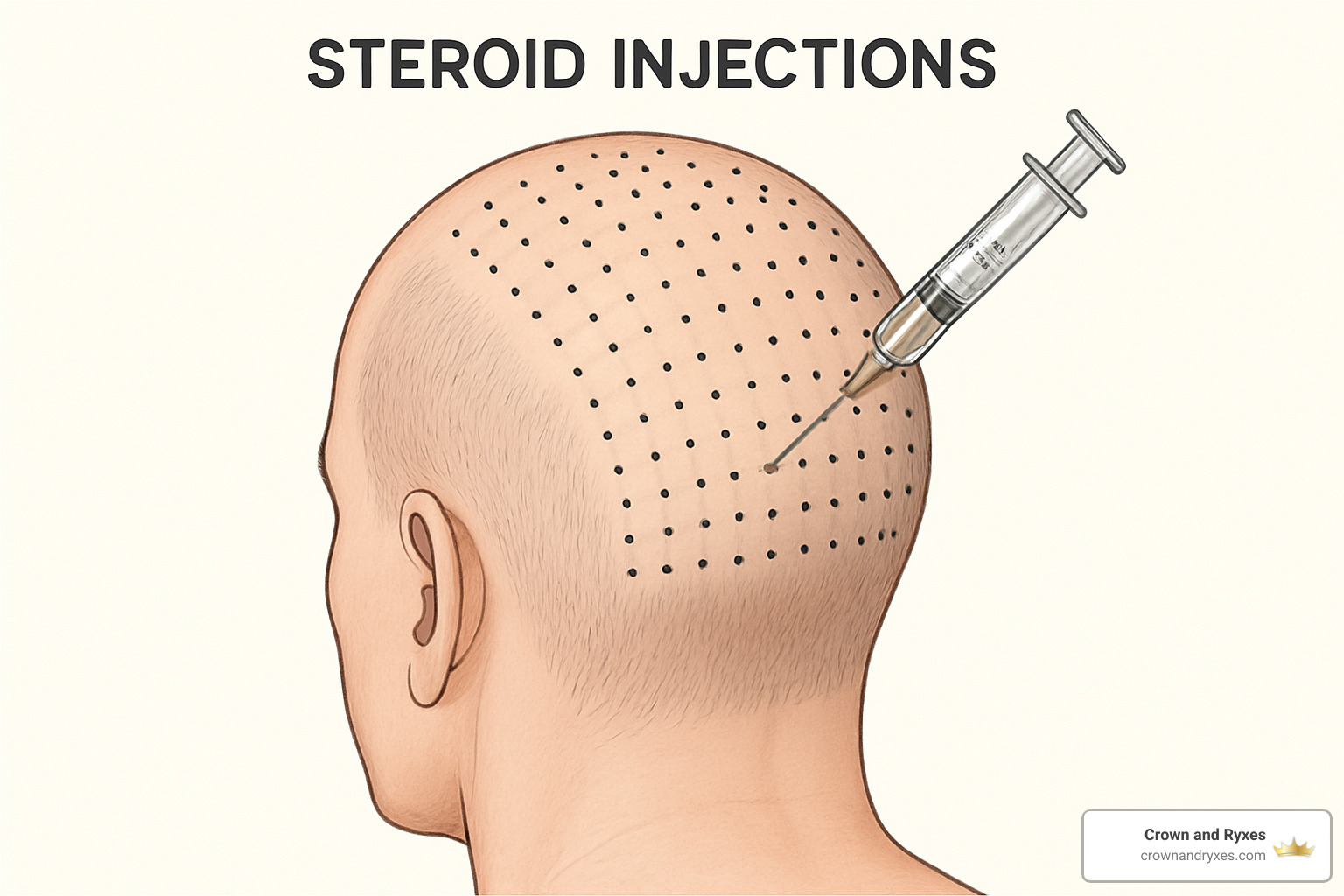
“We use extremely fine needles – typically 30-gauge – which helps minimize discomfort,” explains Dr. Casavant. “Each injection is just a tiny amount of medication, about 0.1-0.2 mL, spaced about a centimeter apart throughout the affected areas.”
The number of injections varies based on your specific condition. You might receive anywhere from 10 to 80 small injections in a single session, with the concentration typically ranging from 2.5-10 mg/mL. The entire procedure usually takes just 5-15 minutes.
Aftercare and maintenance timeline
What you do after treatment significantly impacts your results:
Immediately after your session, avoid touching or washing the treated area for 24 hours. If you experience any discomfort, a cold pack can provide relief. Take it easy for the rest of the day – skip your workout and relax.
After that first day, you can resume normal hair washing with gentle shampoo. However, hold off on coloring, perming, or other chemical treatments for at least a week to avoid irritation.
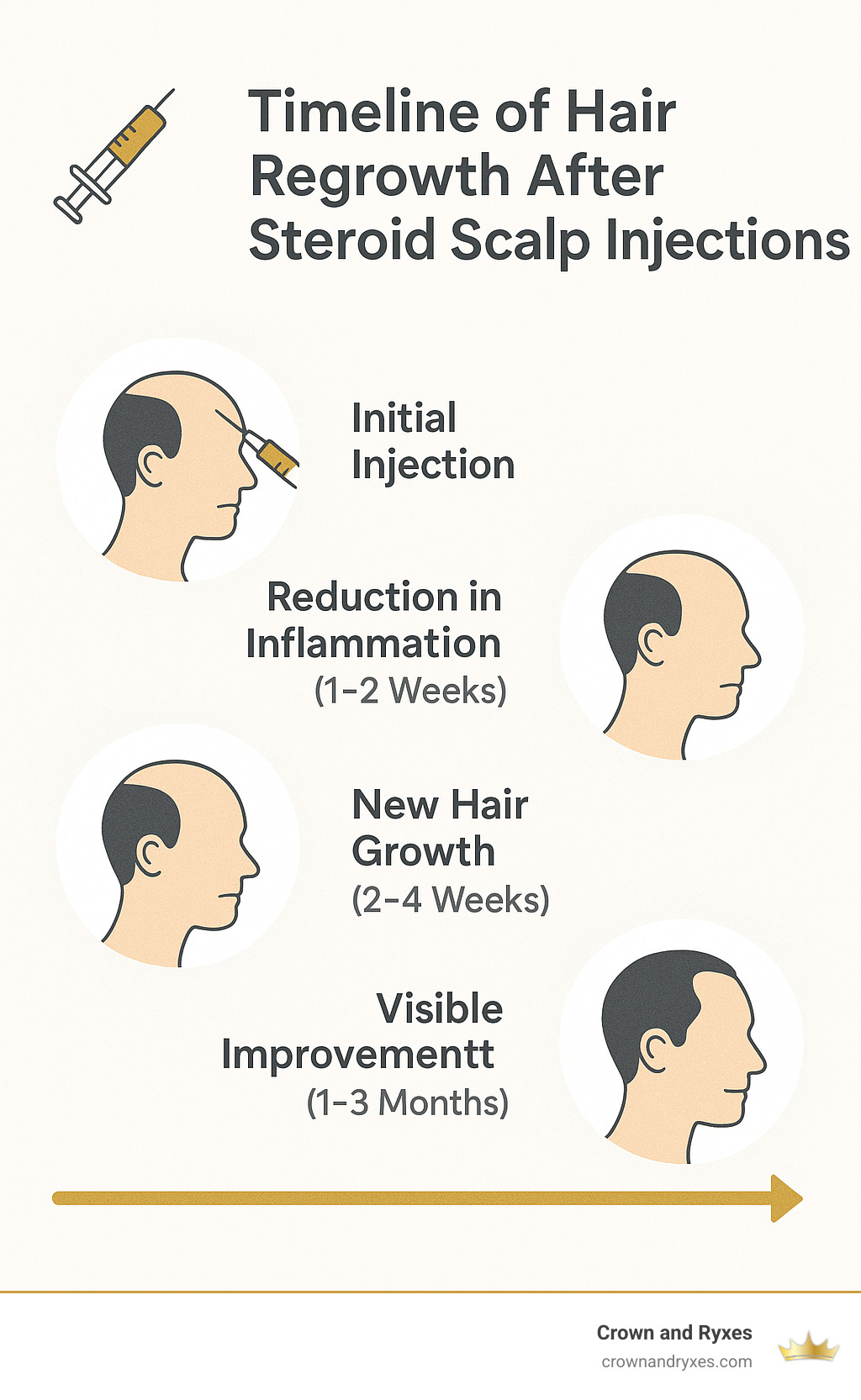
“Most patients start seeing fine, new hair growth within 2-4 weeks of their first injection,” says Dr. Casavant. “But more noticeable improvement typically comes after 2-3 months of consistent treatment.”
You’ll generally return for follow-up injections every 4-6 weeks. Most people need 3-4 sessions to see optimal results, though this varies by individual. If you don’t see improvement after 6 months (about 6 sessions), your provider will likely recommend exploring other options.
The good news? A study of 290 patients with alopecia areata found that 61% achieved remission after just 1-2 intralesional steroid injections. For those who respond well, occasional maintenance injections every 3-4 months can help sustain your results.
At Crown and Ryxes, we provide detailed aftercare instructions and our team is always available between appointments to address any concerns. We’re committed to supporting you throughout your hair restoration journey. More info about Hair Loss Treatments
Risks, Side Effects, Costs & Comparison to Top Alternatives
Let’s be honest – no medical treatment comes without some trade-offs. Steroid scalp injections for hair growth can work wonders for certain conditions, but they’re not magic potions. Understanding both the potential downsides and how they stack up against alternatives will help you make the best choice for your hair restoration journey.
Potential Side Effects
Most people tolerate these injections well, but your body might have a few complaints along the way.
Right after treatment, you might experience some discomfort at the injection sites – a bit of pain, tiny spots of bleeding, or a mild headache that typically fades within hours. Your scalp might feel tender for a day or two, but this is usually manageable with over-the-counter pain relievers.
The more concerning (but less common) effects tend to develop with long-term use. These include skin thinning (atrophy) at injection sites, tiny visible blood vessels appearing near the surface (telangiectasia), or changes in skin color – either lighter or darker patches. While rare, there’s also a small risk of infection.
“When performed correctly using the micro-droplet technique with appropriate concentrations, the risk of side effects is quite low—less than 5% in my experience,” notes Dr. Casavant. “The key is using multiple small injections rather than fewer large-volume ones.”
For people with diabetes or high blood pressure, there’s a minimal but real possibility that some steroid might be absorbed into your bloodstream, potentially affecting your condition. Always make sure your doctor knows your complete medical history.
Cost Considerations
Let’s talk money – because these treatments aren’t typically covered by insurance. Most providers charge between $100-$500 per session, with the price varying based on your location and the provider’s expertise. Since most people need 3-4 sessions for optimal results, you’re looking at a total investment of $300-$2,000 for a complete treatment course.
Unfortunately, insurance companies generally view hair loss treatments as cosmetic rather than medically necessary. Studies show they deny coverage for these treatments about 97% of the time – a frustrating reality for those dealing with the emotional impact of hair loss.
That said, steroid injections are often more affordable than newer treatments like JAK inhibitors, which can run $2,500-$5,000 monthly. When weighing the financial aspect, consider not just the upfront cost but the potential value of regaining your confidence and quality of life.
Comparison with Alternative Treatments
With so many hair loss treatments available, how do you know if steroid scalp injections for hair growth are your best option? Here’s how they compare to other popular approaches:
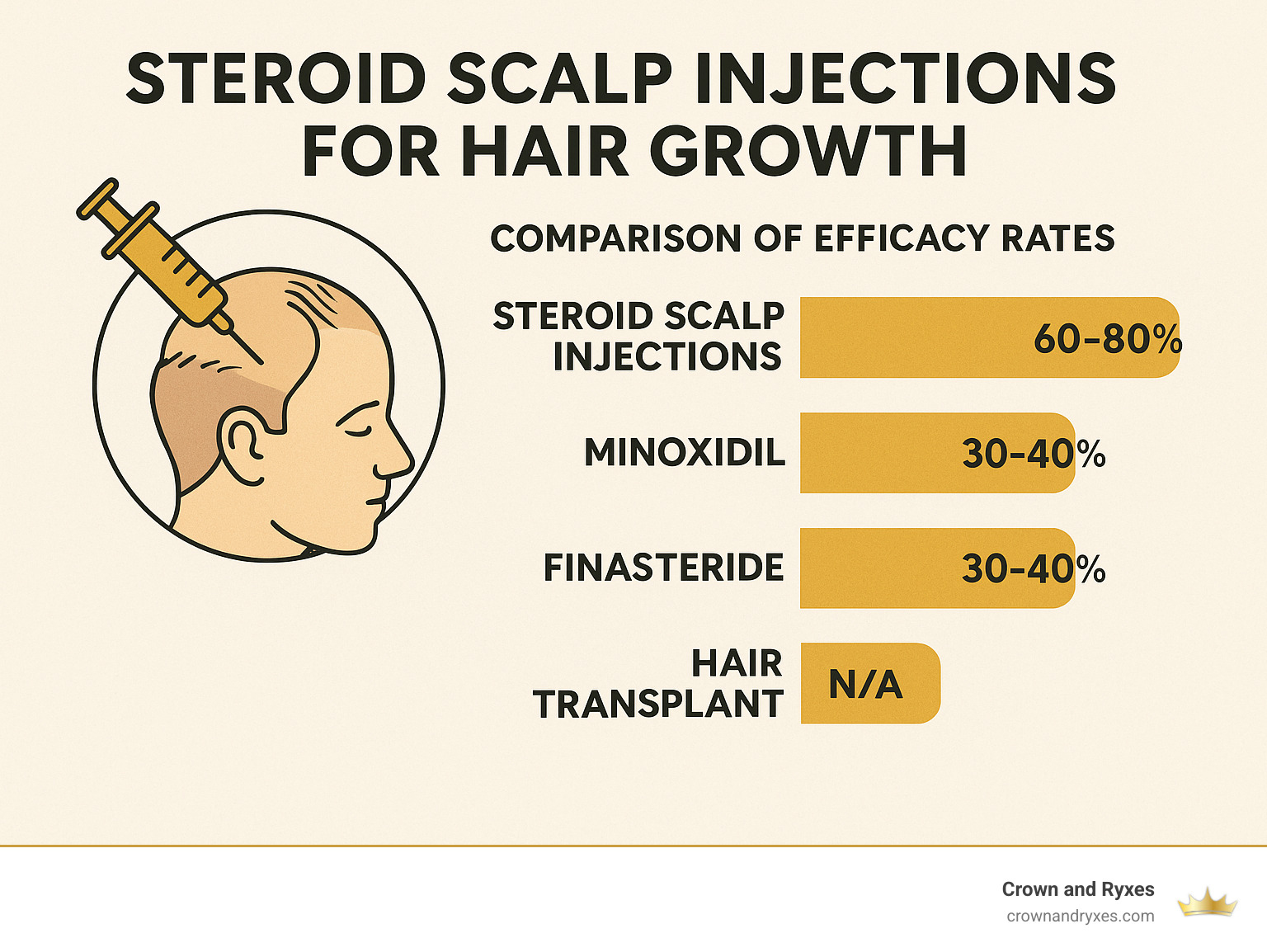
Steroid Injections work wonderfully for inflammatory and autoimmune hair loss like alopecia areata, with success rates of 60-80% for mild to moderate cases. At $100-$500 per session, they offer targeted treatment with minimal systemic effects.
Topical Minoxidil (Rogaine) costs less (about $30-$50 monthly) but works better for pattern baldness than autoimmune conditions. It requires daily application indefinitely.
Oral Finasteride helps men with pattern baldness by blocking DHT hormones but does nothing for autoimmune hair loss. It costs $30-$100 monthly and comes with potential sexual side effects.
PRP Injections use growth factors from your own blood to stimulate hair follicles. At $400-$800 per session, they can complement other treatments for various types of hair loss. Learn more about PRP Injections for Hair Regrowth.
JAK Inhibitors represent newer, powerful options for severe alopecia areata with impressive 70-90% success rates, but at $2,500-$5,000 monthly, they’re substantially more expensive and can have systemic side effects.
Hair Transplants provide permanent solutions for pattern baldness but aren’t suitable for active autoimmune conditions. They range from $4,000-$15,000 depending on the extent of the procedure.
Balancing benefits vs risks of steroid scalp injections for hair growth
Every treatment decision is personal, and what works beautifully for one person might not be right for another.
“The decision to proceed with steroid scalp injections for hair growth should consider several factors,” explains Dr. Casavant. “These include the type and extent of your hair loss, treatments you’ve already tried, your medical history, and what you’re hoping to achieve.”
If you have mild to moderate alopecia areata affecting less than half your scalp, the potential benefits often clearly outweigh the risks. Clinical studies consistently show 60-80% improvement rates, with many patients seeing complete regrowth.
For more extensive or stubborn cases, the equation gets trickier. While significant improvement is still possible, complete regrowth becomes less likely as hair loss becomes more widespread or long-standing.
At Crown and Ryxes, we use several strategies to maximize benefits while keeping risks low. We prefer the micro-droplet technique (many small injections rather than few large ones), carefully select steroid concentrations based on your unique situation, maintain optimal timing between treatments, sometimes combine approaches for better results, and always monitor both progress and potential side effects at every visit.
Alternatives if steroid shots fail or aren’t suitable
If steroid scalp injections for hair growth aren’t working for you or aren’t appropriate for your situation, don’t lose hope – several effective alternatives exist.
For autoimmune or inflammatory hair loss, topical immunotherapy shows about 40% success after six months for extensive alopecia areata. JAK inhibitors like FDA-approved baricitinib (Olumiant) offer promising results for severe cases. Anthralin, a topical irritant, may stimulate regrowth within 8-12 weeks.
If you’re dealing with pattern hair loss, consider topical minoxidil to extend your hair’s growth phase, oral finasteride (for men) to block DHT production, or low-level laser therapy to stimulate follicles non-invasively.
For various types of hair loss, PRP therapy uses your own blood components to deliver growth factors directly to your scalp. Cutting-edge exosome therapy uses cell-derived vesicles with regenerative properties. And for appropriate candidates, hair transplantation offers a permanent surgical solution.
“We take a comprehensive approach to hair restoration,” says Dr. Casavant. “If one treatment isn’t providing optimal results, we have multiple alternatives to explore based on your specific condition and goals.”
For more information about natural approaches to hair restoration, visit our Hair Restoration Natural Solutions page or learn more about the scientific research on cost-effectiveness of various hair loss treatments.
Frequently Asked Questions About Steroid Scalp Injections
How soon will I know if the injections are working?
The waiting game can be tough, but most patients start seeing those first encouraging signs within 2-4 weeks after their initial treatment. Look for what I affectionately call the “baby hair phase” – fine, colorless peach fuzz emerging in previously bare patches.
“I always tell my patients to keep an eye out for those tiny, fine hairs,” says Dr. Casavant. “They might be easy to miss at first glance, but they’re like little victory flags signaling that your treatment is starting to work.”
The science backs this up too. A clinical study following 101 alopecia areata patients showed an impressive 80.2% improvement rate, with most people responding around the 3-month mark. That said, everyone’s journey is different – some folks see dramatic results after just one session, while others need a bit more patience and several treatments before those new hairs make their appearance.
If you’ve been diligent with treatments for 3-4 months without seeing changes, don’t lose hope yet – but it might be time to have a conversation about adjusting your approach. At Crown and Ryxes, we typically reassess if we haven’t seen improvement after about 6 months of consistent treatment.
Can steroid scalp injections worsen hair loss?
This worry comes up in almost every consultation, but I can reassure you that steroid scalp injections for hair growth rarely make true hair loss worse. There are a few nuances worth understanding, though:
Some patients experience what I call a “shedding phase” shortly after injections. This temporary increase in hair fall often startles people, but it’s usually followed by stronger, healthier regrowth. Think of it as your follicles pressing the reset button.
It’s also important not to confuse medical corticosteroids with anabolic steroids (the muscle-building kind), which can indeed trigger hair loss. These are completely different medications with different effects on your body.
“The key is distinguishing between temporary shedding and actual worsening,” Dr. Casavant explains. “What sometimes looks like your hair loss getting worse is actually part of the hair renewal process – out with the old, in with the new.”
If you’re worried about increased shedding after treatment, try documenting the changes with weekly photos and bring these concerns to your next appointment. At Crown and Ryxes, we closely monitor all patients throughout their treatment journey, making adjustments as needed to ensure you’re getting the best possible results.
How long do results last, and will I need maintenance shots?
The million-dollar question! The staying power of your results from steroid scalp injections for hair growth varies considerably based on your specific condition and individual factors:
For alopecia areata patients, the news is often encouraging. Some experience long-term remission after completing just one treatment course. A study of 290 patients showed that 61% went into remission after only 1-2 injection sessions – no further treatment needed!
Others benefit from maintenance injections every 3-6 months to keep their results looking fresh. Think of it like maintaining a garden – sometimes you need occasional tending to keep everything flourishing.
For other inflammatory conditions like lichen planopilaris or discoid lupus, results typically last between 3-12 months before some maintenance becomes necessary. These conditions often require ongoing management rather than a one-and-done approach.
“We’re always aiming for stable remission with minimal maintenance,” says Dr. Casavant. “For many of my alopecia areata patients, we can eventually space treatments further apart or even stop them completely as the immune response normalizes.”
At Crown and Ryxes, we don’t believe in one-size-fits-all maintenance plans. Instead, we develop personalized approaches based on your specific condition, how you’ve responded to treatment, and your long-term hair goals. Some patients benefit from transitioning to gentler maintenance options like topical treatments after completing their initial injection course.
Conclusion
Throughout this comprehensive guide, we’ve explored the science, procedure, benefits, and limitations of steroid scalp injections for hair growth. So, are they hair growth miracle or myth? The answer lies somewhere in between.
For specific conditions—particularly autoimmune and inflammatory hair loss like alopecia areata—steroid injections represent an evidence-based, effective treatment option with success rates of 60-80% in mild to moderate cases. The scientific literature consistently supports their use in these scenarios, with multiple studies demonstrating significant regrowth in the majority of patients.
However, they’re not a universal solution for all types of hair loss. For the most common form—androgenetic alopecia or pattern baldness—steroid injections offer little benefit. Similarly, they’re not effective for telogen effluvium or chemotherapy-induced hair loss.
The key takeaways about steroid scalp injections for hair growth:
They work by targeting inflammation: By suppressing localized immune responses that attack hair follicles, steroid injections can allow natural hair growth to resume.
Results are condition-dependent: Effectiveness varies dramatically based on the type and extent of hair loss.
Treatment requires patience: Most patients need multiple sessions spaced 4-6 weeks apart, with visible improvement typically beginning after 1-2 months.
Side effects are generally minimal: When performed correctly using the micro-droplet technique, complications like skin atrophy occur in less than 5% of patients.
They’re part of a comprehensive approach: For optimal results, steroid injections are often combined with other treatments custom to your specific condition.
At Crown and Ryxes, we understand that hair loss can significantly impact your confidence and quality of life. That’s why we offer personalized consultations to determine if steroid injections—or one of our many other hair restoration solutions—is right for you.
Our clinics in Clermont, FL and Lady Lake, FL provide state-of-the-art treatments in a comfortable, supportive environment. We combine medical expertise with a compassionate approach to help you achieve the best possible results.
If you’re struggling with hair loss and wondering if steroid scalp injections might help, we invite you to schedule a consultation. Together, we’ll develop a treatment plan custom to your unique needs and goals.
For more information about our comprehensive hair restoration services, visit our PRP hair treatment page.