

When evaluating options for improving hair health, prp hair treatment stands out as a promising non-surgical solution for hair restoration. This treatment harnesses the body’s own healing processes to stimulate hair growth and improve hair thickness. With just a few sessions, many individuals notice fuller locks, improved confidence, and a renewed sense of well-being. Importantly, this method is minimally invasive, meaning it has a short recovery time and a lower risk of side effects. Here’s what makes prp hair treatment a top choice for hair restoration:
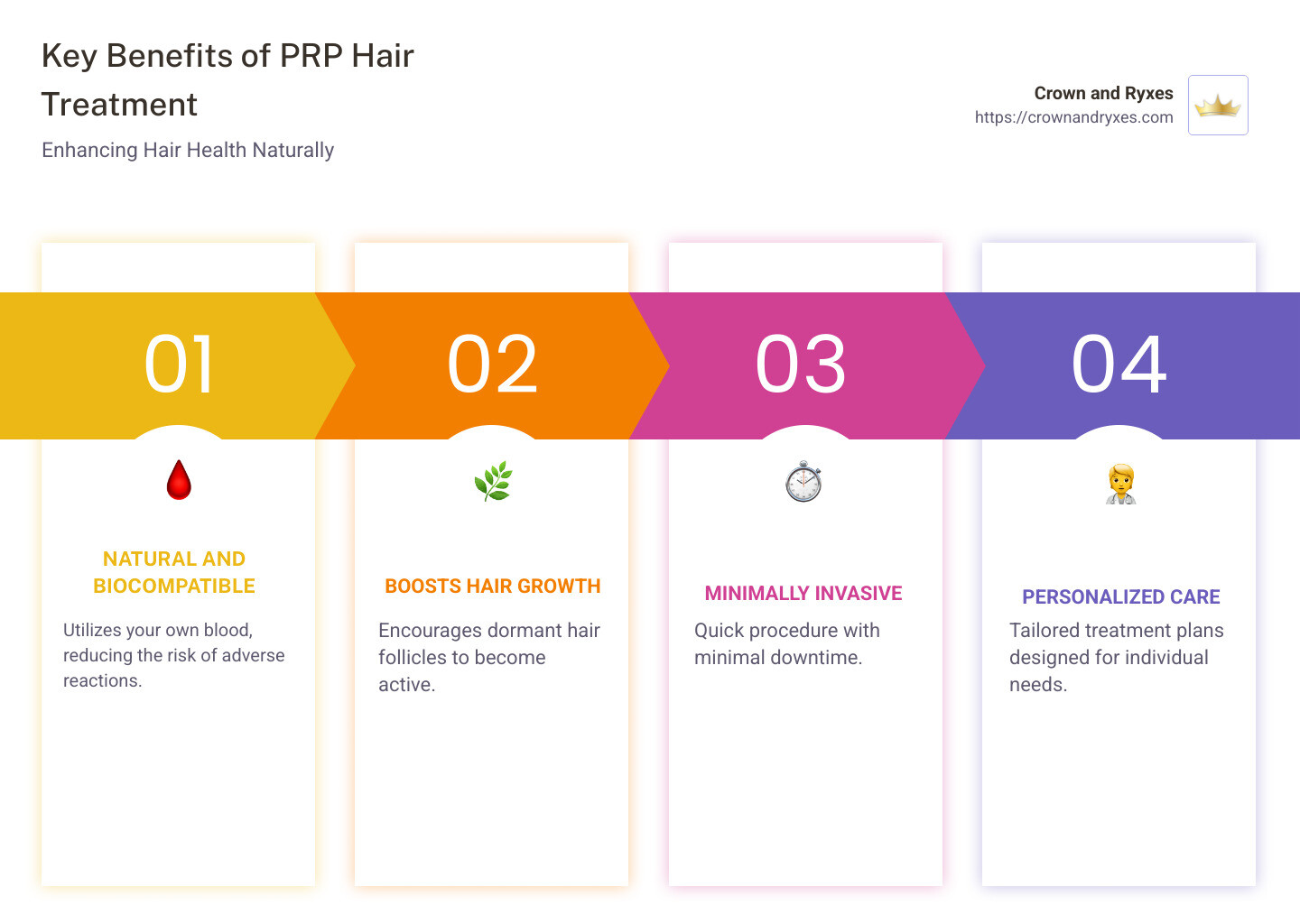
- Natural and Biocompatible: Uses your blood, minimizing the risk of adverse reactions.
- Boosts Hair Growth: Encourages dormant hair follicles to grow.
- Minimally Invasive: Quick procedure with little downtime.
- Personalized Care: Custom treatment plans to meet individual needs.
I’m Matthew Casavant. As a medical professional with a strong background in minimally invasive treatments, I’ve spent years refining expertise in prp hair treatment. My journey from advanced surgical training to pioneering practices in patient-centered care ensures that every individual receives the best possible outcome. Let’s look deeper into how prp hair treatment offers a pathway to healthier hair and greater confidence.
Basic prp hair treatment terms:
– prp hair growth treatment
– prp hair treatment for receding hairline
– prp hair treatment hairline
Understanding PRP Hair Treatment
What is PRP?
Platelet-rich plasma (PRP) is a cutting-edge treatment that uses components from your own blood to promote hair growth. This process begins with a simple blood draw. Once collected, the blood is placed in a centrifuge, a machine that spins quickly to separate the blood into its different components. The result is a concentration of platelets, which are tiny blood cell fragments packed with proteins known as growth factors.

These growth factors are crucial as they signal the body to heal and regenerate tissues. In the context of hair treatment, they help to stimulate hair follicles, potentially leading to improved hair growth and thickness.
How PRP Works
Once the platelet-rich plasma is prepared, it is injected into the scalp. This is done very superficially, targeting areas where hair is thinning. The idea is that the growth factors in PRP will accelerate healing and encourage dormant hair follicles to become active again.
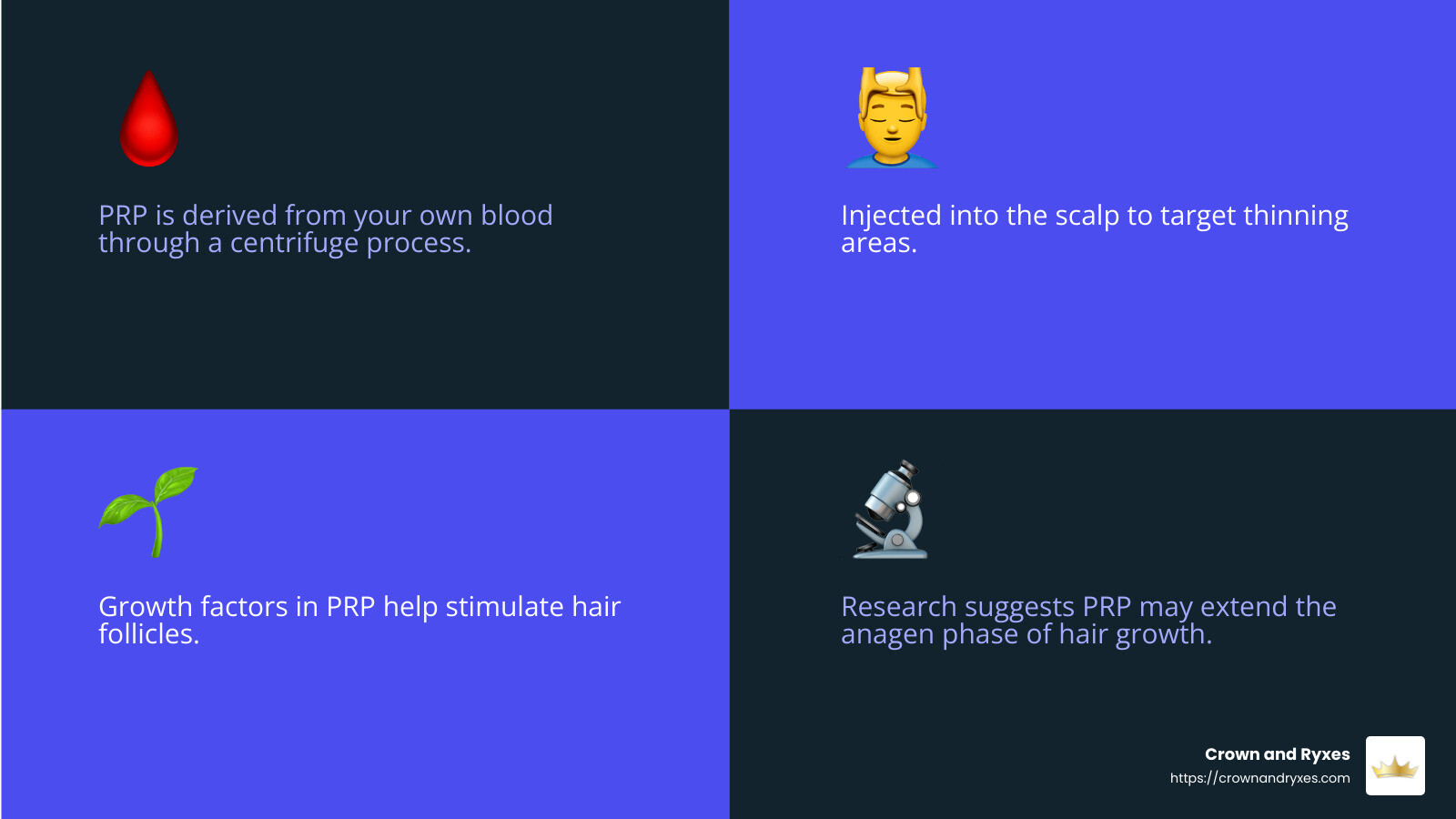
The exact science behind how PRP works for hair loss is still being studied. However, it’s believed that the growth factors in PRP, such as Fibroblast Growth Factor (FGF) and Vascular Endothelial Growth Factor (VEGF), play a significant role in extending the anagen phase, which is the active growth phase of hair. This can lead to thicker hair shafts and an increased number of hair strands.
Scalp injections are a key part of the process. They ensure that the PRP reaches the hair follicles directly, maximizing the potential benefits. While results can vary, many patients notice fuller and healthier hair over time, with minimal discomfort and downtime.
In summary, PRP hair treatment is a promising option for those experiencing hair loss, offering a natural and minimally invasive approach to hair restoration. By leveraging the body’s own healing capabilities, PRP provides a personalized pathway to potentially thicker and healthier hair.
Benefits of PRP Hair Treatment
Hair Count and Thickness
One of the most exciting benefits of PRP hair treatment is its potential to increase hair count and thickness. When PRP is injected into the scalp, it releases growth factors that can stimulate hair follicles. Think of these growth factors as little messengers that tell your hair follicles to wake up and start growing.
For many people, this means not just more hair, but also thicker strands. Studies suggest that patients often see an improvement in hair density and thickness after undergoing PRP therapy. This can be especially beneficial for those dealing with male pattern baldness, where hair tends to thin and fall out over time.
Combination with Other Treatments
PRP is not a standalone solution for everyone, but it can be a powerful tool when combined with other treatments. Many patients see even better results when they use PRP alongside medications like finasteride and minoxidil.
- Finasteride is a pill that helps block the hormone that causes hair loss in men.
- Minoxidil is a topical treatment that you apply directly to the scalp to help stimulate hair growth.
By combining these treatments with PRP, patients may see a more significant improvement in hair growth and thickness than with any single treatment alone. This combination approach can be particularly helpful for those who have not seen the desired results from medication alone.
Hair Transplant Support
Another way PRP hair treatment shines is in its role in supporting hair transplants. After a hair transplant, PRP can be used to speed up healing and improve the success of the transplant. The growth factors in PRP help the transplanted hair follicles take root and grow in their new location.
In some cases, PRP is used before a hair transplant to strengthen existing hair and prepare the scalp. This can lead to better overall results and a more natural look.
In summary, PRP hair treatment offers multiple benefits by boosting hair count and thickness, enhancing the effects of medications, and supporting hair transplant procedures. By leveraging the body’s own healing power, PRP provides a versatile and natural approach to tackling hair loss.
PRP Hair Treatment Procedure
Treatment Schedule
The PRP hair treatment process begins with a simple blood draw. This is similar to what you might experience during a routine medical check-up. After the blood is collected, it’s placed into a centrifuge. This machine spins the blood at high speeds to separate it into three components: red blood cells, platelet-poor plasma, and the all-important platelet-rich plasma (PRP).
Once the PRP is ready, it’s injected into specific areas of your scalp. This is where the magic happens. The growth factors in the PRP work to stimulate hair follicles and encourage new growth.
Now, let’s talk about the treatment schedule. PRP treatments are not a one-time fix. Most plans recommend starting with monthly sessions for the first three months. After this initial phase, maintenance treatments are usually needed every six months to keep the benefits going. It’s like giving your hair a regular boost to stay healthy and strong.
Expected Results
When it comes to results, patience is key. Some people may start to see improvements in hair growth and thickness within a month or two. However, for others, it might take up to six months to notice significant changes. Everyone’s hair responds differently, and factors like age, the extent of hair loss, and overall health can play a role.
While PRP hair treatment can lead to thicker and fuller hair, it’s not a guaranteed cure for everyone. Results can vary, and ongoing treatments are necessary to maintain any gains.
In conclusion, the PRP hair treatment procedure is straightforward and revolves around using your body’s own resources to promote hair growth. With a consistent treatment schedule and realistic expectations, many patients find it to be a valuable part of their hair restoration journey.
Next, we’ll explore the potential risks and side effects of PRP hair treatment.
PRP Hair Treatment Risks and Side Effects
When it comes to PRP hair treatment, the good news is that it’s generally considered a low-risk procedure. Since the plasma is derived from your own blood, the chance of an allergic reaction is very low. This makes PRP a safer option compared to treatments involving foreign substances.
Potential Side Effects
Although PRP hair treatment is safe, some minor side effects can occur. These are usually temporary and may include:
- Soreness or redness at the injection site
- Swelling or mild discomfort
- Bruising where the needle was inserted
These side effects are similar to what you might experience after a routine blood draw or injection and typically subside within a few days.
Allergic Reactions
The risk of an allergic reaction with PRP hair treatment is minimal. This is because the treatment uses your own cells and plasma. Unlike treatments that introduce foreign substances into the body, PRP avoids the complications associated with allergic responses.
Other Considerations
While PRP is widely recognized as safe, have the procedure performed by a qualified and experienced professional. This ensures that the procedure is done in an aseptic manner, minimizing the risk of infection.
In summary, the risks associated with PRP hair treatment are low, especially when performed by a skilled provider. Temporary discomfort is the most common side effect, making it a generally well-tolerated option for those seeking to improve hair growth.
Next, we’ll dive into some frequently asked questions about PRP hair treatment.
Frequently Asked Questions about PRP Hair Treatment
Does PRP actually regrow hair?
Yes, but results can vary. Research shows that PRP therapy can stimulate hair growth and increase hair thickness for many people. For instance, a 2022 review found that PRP may help protect hair follicles and encourage them to grow thicker hair. However, it’s important to note that not everyone will see the same results. Some might only experience a reduction in hair shedding, while others may not see significant changes at all. If you’re considering PRP, it’s best to consult with a hair loss specialist to determine if it’s the right option for you.
What are the side effects of PRP hair treatment?
PRP hair treatment is generally safe with minimal side effects. Some people may experience:
- Soreness or redness at the injection site
- Swelling or mild discomfort
- Bruising where the needle was inserted
These side effects are usually temporary and clear up within a few days. Since PRP uses your own blood, the risk of allergic reactions is very low. However, it’s always important to talk to your healthcare provider about any concerns you may have before starting treatment.
How much does PRP hair treatment cost?
The cost of PRP hair treatment can vary widely. Factors that affect the price include:
- Your geographic location
- The quality of equipment used
- The experience of the provider
Typically, you can expect to pay anywhere from $400 to $1,500 or more per session. Many insurance companies do not cover PRP for hair loss since it’s often considered an elective procedure. Some clinics may offer payment plans or reduced rates for self-payers, so it’s worth discussing these options if cost is a concern.
Next, we’ll explore the treatment schedule and what you can expect in terms of results over time.
Conclusion
At Crown and Ryxes, we believe in offering personalized restoration and wellness solutions that cater to your unique needs. Our PRP hair treatment is designed to harness the natural healing power of your own body to refresh your hair and boost your confidence.
We understand that every individual’s hair restoration journey is different. That’s why we focus on creating a custom approach for each client. Our team of experts in Clermont, FL, and Lady Lake, FL, is dedicated to guiding you through every step of the process. From the initial consultation to the completion of your treatment plan, we are here to support you.
Our commitment to personalized care means that we take the time to understand your specific goals and concerns. We combine the latest scientific advancements with our expertise to provide a comprehensive solution that fits your lifestyle.
Whether you’re battling male pattern baldness, seeking to improve hair transplant results, or simply aiming for thicker, healthier hair, PRP therapy could be the key to open uping your hair’s potential. We invite you to explore the benefits of PRP and take the first step toward a fuller head of hair and renewed self-esteem.
At Crown and Ryxes, your wellness journey is our priority. We’re excited to help you achieve your hair restoration goals with innovative and effective solutions that work for you. Let’s start on this journey together and refind the confidence that comes with a vibrant, healthy mane.