

After months of research and consideration, you have finally leaped and undergone a hair transplant procedure. Congratulations! This decision can potentially change your life by restoring your confidence and self-esteem.
However, as with any medical procedure, it is important to be well-informed about what to expect during recovery. This article will provide a comprehensive guide to the recovery process after a hair transplant. We will cover all aspects of the hair transplant recovery process, from immediate hair loss post-surgery care to long-term maintenance. So buckle up and get ready to learn everything you need to know about what comes after your hair transplant surgery. Let’s dive in!
Immediate Post-Surgery Care
Immediately following your hair transplant surgery, proper post-operative care is indispensable to ensure the success of your procedure. Here are symptoms and recommendations to help guide you through this crucial time:
Pain
Experiencing a degree of discomfort or pain is not uncommon in the immediate aftermath of a hair transplant procedure. This is a natural response of your body to the invasive nature of the surgery, and it is typically concentrated in the areas where the hair follicles have been transplanted or harvested. Pain intensity can vary from person to person, but it’s generally described as mild to moderate.
To manage this discomfort, your doctor will likely prescribe over-the-counter pain relievers or mild analgesics, which should be taken following the instructions provided. It is crucial to remember that self-medication or exceeding the recommended dose can lead to complications. For example, if you experience intense pain, do not take more pills than instructed. Instead, reach out to your doctor for further guidance and possible adjustments in your medication dosage.
In addition to medication, cold compresses can also provide relief from any discomfort or swelling. Avoid applying ice directly onto the scalp, and use a towel as a barrier. This will help reduce inflammation and promote healing in the affected areas. It is essential to follow your doctor’s recommendations and to communicate any concerns or unexpected symptoms during this time. Remember, your healing process is unique, so do not compare it with others. Focus on following post-operative instructions and caring for yourself for a successful recovery.
Bleeding
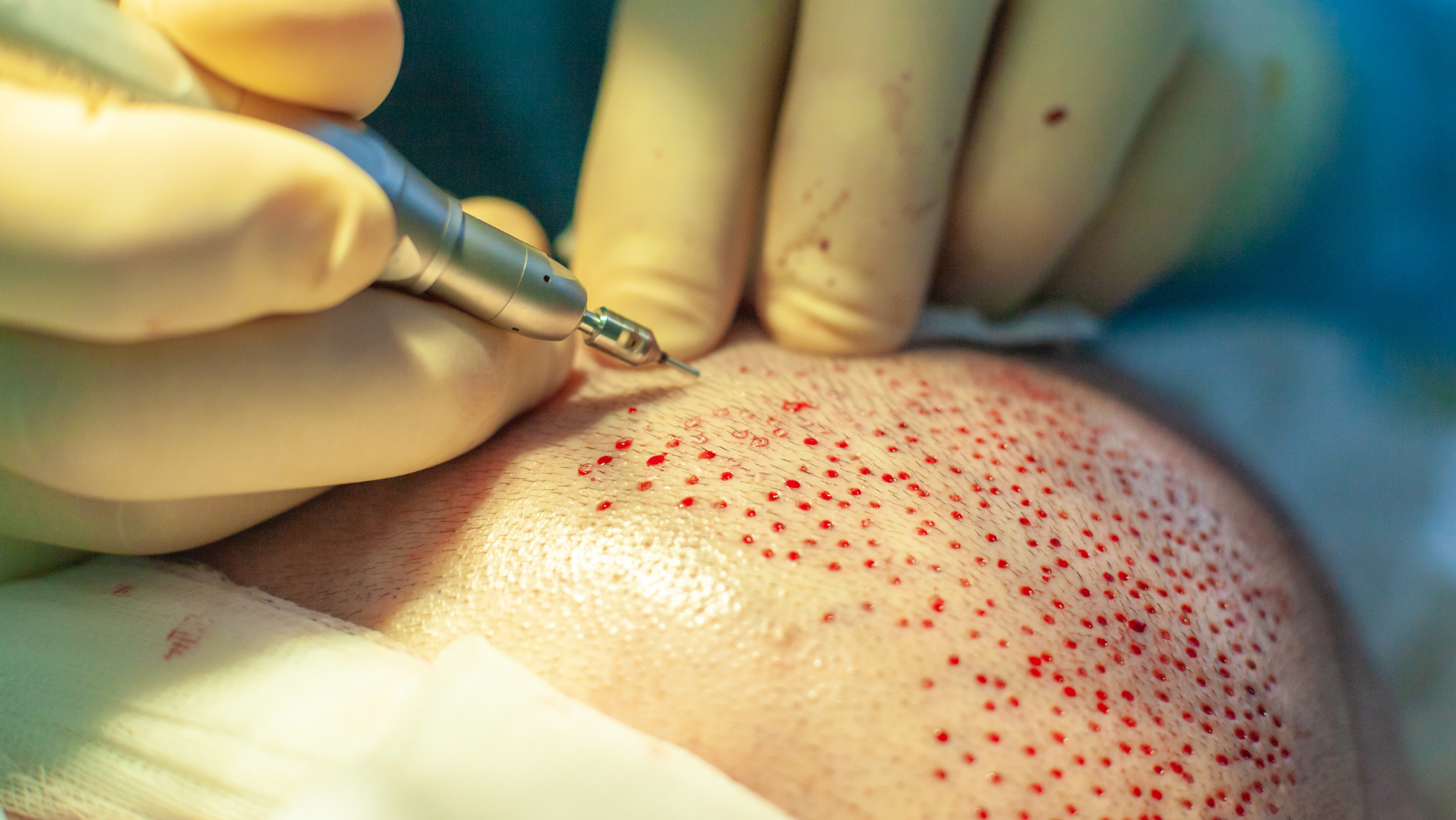
Bleeding after a hair transplantation is a common occurrence and is usually minor. This can happen in the areas where hair follicles have been harvested or implanted, typically due to the numerous tiny incisions made during the procedure. While the sight of blood may cause some initial concern, remember that it’s a natural aspect of the healing process.
Small blood spots on your pillow or bandage are not unusual during the first few days following the procedure. In most cases, this bleeding can be managed by applying gentle pressure to the area with a clean cloth. However, persistent or heavy bleeding is not normal and requires immediate medical attention.
For instance, if you notice that the bandage is soaked in blood or if bleeding doesn’t stop after applying pressure, it’s vital to contact your doctor immediately. This could signify complications such as infection or damage to the transplanted area. Always be vigilant about changes in your condition during the recovery period, and don’t hesitate to seek professional help if you’re feeling unsure or concerned about what you’re experiencing.
Numbness and Tingling Sensations
Numbness and tingling sensations are common symptoms that you may experience in the days following your hair transplant surgery. This is a result of the nerves in your scalp being temporarily disrupted during the procedure. While these sensations can be uncomfortable, they are generally not a cause for concern, as they typically subside within a week or two.
However, it’s essential to be mindful of any changes in these sensations, as they could indicate nerve damage or other complications. For instance, if you notice that the numbness and tingling are increasing instead of decreasing over time or if it is accompanied by severe pain, redness, or swelling, it’s crucial to contact your doctor for further evaluation.
Scabbing and Crust Formation
Following your hair transplant procedure, it is common to observe scabbing and crust formation around the transplanted hair follicles, typically starting a few days after the surgery. This simply indicates that your body is healing itself; it’s a natural part of the body’s response to skin injury. During the healing process, the body starts producing a protein called collagen, creating new skin cells and blood vessels at the incision site.
The scabs and crusts you see are essentially dried blood and serum, both components of the body’s defensive mechanism to prevent infection and promote healing. While picking at these scabs or washing them off may be tempting, resist the urge. Premature removal can dislodge the transplanted hair follicles, jeopardizing the success of your procedure and potentially leading to infection or scarring. Instead, follow the cleaning and washing instructions provided by your doctor.
For example, you’ll most likely be advised to gently wash your scalp with a mild shampoo, starting a few days after the surgery. The scabs will likely fall off naturally within 10-14 days post-surgery. Nonetheless, if you notice that the scabs are persisting for an unusually long time or if they are associated with severe itching, pain, or pus discharge, this could be a sign of an infection, and you should contact your medical provider for advice.
Hair Shedding
Don’t be alarmed if you experience hair shedding in the weeks following your hair transplant surgery. This is a natural occurrence called “shock loss,” which refers to the temporary shedding of existing hairs that were already thin or weak before the transplant. The shock of the procedure can cause these fragile hairs to fall out, but it’s a sign that new, healthier hair growth is on the way.
This shedding can also occur in the transplanted area due to the trauma caused by the surgery. However, this temporary phase should not cause any long-term concerns. Your transplanted hairs will gradually start growing again within three to four months after your procedure, and you’ll begin to see visible results within six to nine months.
It’s essential to remember that the success of your hair transplant also depends on how well you take care of yourself during the recovery period. Proper nutrition, stress management, and following post-operative instructions are vital for optimal healing and hair growth.
Activities Allowed During Recovery
While resting and caring for yourself during recovery is essential, you don’t necessarily have to stay immobile and confined to your bed. Here are some activities that are generally safe to do during the recovery period, but be sure to consult with your doctor before engaging in any physical activities:
Light Jogging
Light jogging during your recovery can provide several benefits, such as promoting blood circulation, maintaining cardiovascular health, and boosting mood. However, it’s essential to remember that the keyword here is “light.” A gentle jog, perhaps around your local park or neighborhood, can be a good way to stay active during the post-operative phase without exerting excessive physical stress on your body.
For example, per your doctor’s advice, you could start with a slow, 15-minute jog on flat terrain and gradually increase your speed and duration as your body allows. It’s important to listen to your body and not push yourself too hard. If you feel lightheaded dizzy, or if you experience chest pain or shortness of breath, stop immediately and consult your doctor. Remember, light jogging during your recovery aims to aid your healing process, not to achieve any fitness or weight loss goals.
Avoid wearing hats or any headgear during your jog, as this could interfere with the healing of your scalp. Always wear sunscreen if you’re jogging during the day to protect your scalp from sun damage. The goal is to maintain a balance between being physically active and ensuring you don’t interfere with the healing process after your fue hair transplant surgery.
Light Resistance Training
Resistance training, or strength or weight training, involves using weights or resistance bands to work your muscles and improve your strength, endurance, and overall physical fitness. It is generally safe to do light resistance training under the guidance of your doctor during the recovery phase after a hair transplant.
For example, you could start with exercises with lighter weights or resistance bands and focus on larger muscle groups like the arms, chest, back, and legs. Avoid any exercises that require bending over or putting pressure on your head or scalp. Additionally, be mindful of your body’s signals and stop if you experience pain or discomfort.
Resistance training can help improve blood flow to the scalp and promote overall healing after surgery. However, consult your doctor before starting resistance training exercises to ensure they are safe and appropriate for your recovery needs.
Yoga or Gentle Stretching
Yoga or gentle stretching can be beneficial during the recovery period after a hair transplant as it helps increase flexibility, reduce stress, and improve blood flow throughout the body. However, avoiding poses or stretches that pressure your head, neck, or scalp is essential.
If you’re new to yoga, it’s best to start with gentle beginner-level classes and inform your instructor about your recent hair transplant surgery. They can provide modifications or alternative poses that won’t interfere with your healing process. As always, listen to your body and stop if you experience any discomfort or pain.
Additionally, avoid hot yoga, as the heat and humidity can cause sweating and increase the risk of infection in the transplanted area. Opt for cool or room temperature classes instead. Overall, yoga or gentle stretching during recovery can aid in relaxation and promote healing by reducing stress levels in your body.
Light Weightlifting
Like resistance training, light weightlifting during recovery can help improve blood circulation and promote overall healing. However, starting with light weights is essential, as is avoiding exercises requiring significant strain or pressure on your head or scalp.
For example, you could use light dumbbells or machines for exercises like bicep curls, tricep extensions, or shoulder presses. Avoid any exercises that require you to put your head down or bend over, as this could interfere with the healing of your scalp. Consult your doctor and a certified trainer before starting weightlifting exercises during recovery.
Walking
Walking is generally safe and recommended during the recovery period after a hair transplant surgery. It’s a low-impact activity that can help promote blood flow and prevent blood clots. However, avoid long walks or hikes that could cause excessive sweating and increase the risk of infection in the transplanted area.
Start with short, leisurely walks around your neighborhood and gradually increase your distance as you feel comfortable. Avoid wearing hats or headgear during your walks to allow your scalp to breathe and heal properly. Additionally, be mindful of your surroundings and avoid crowded or dusty areas that could irritate your scalp.
Activities To Avoid During Hair Transplant Recovery Time
While staying active during recovery is essential, you should also avoid some activities to promote proper healing and reduce the risk of complications. These include:
Strenuous Exercise
Strenuous exercise is a category of physical activity you should definitely steer clear of during your hair transplant recovery timeline. These types of exercises, which include intense cardio activities like high-intensity interval training (HIIT), long-distance running, or heavy weightlifting, can elevate your heart rate and blood pressure significantly. This, in turn, can cause swelling and bleeding in the transplant area, potentially causing damage to the newly transplanted hair follicles.
Additionally, any activity that induces excessive sweating should be avoided, as sweat can lead to irritation and increase the risk of infection in the transplanted area. For instance, if you’re an avid CrossFitter, taking a break from your intense workouts for at least two weeks after your surgery is best. Instead, focus on low-impact exercises that promote blood flow and healing without putting excessive strain on your scalp. Remember, the key is to listen to your body and not push yourself too hard during this crucial recovery period.
Swimming
Swimming is a popular form of exercise that offers a low-impact and full-body workout. However, it’s best to avoid swimming during the recovery period after hair transplants. The chlorine in pool water can irritate your scalp and potentially damage the delicate hair follicles transplanted.
Swimming in lakes or oceans can expose your scalp to bacteria and other harmful microorganisms, increasing the risk of infection. For example, if you enjoy swimming for fitness, consider taking a break from it for at least three weeks after your surgery or until your doctor gives you the go-ahead. Instead, opt for low-impact activities like walking or light weightlifting to promote healing without putting strain on your scalp.
Contact Sports
Contact sports like football, basketball, or soccer should also be avoided during the recovery period after a hair restoration surgery. These activities often involve physical contact and can cause trauma to your scalp, damaging the newly transplanted hair follicles.
Even non-contact sports like tennis or baseball that require wearing hats or helmets should be avoided, as they can put pressure on your scalp and interfere with the healing process. Consult with your doctor before returning to contact sports, and if necessary, wear protective headgear to avoid any potential damage to the transplanted area.
Hair Styling Products
While it might be tempting to reach for your favorite hair styling products to keep your newly transplanted hair in place, it’s essential to refrain from using them during recovery. Hair sprays, gels, and other styling products often contain chemicals that can irritate the scalp and hinder healing. Furthermore, applying and removing these products may pose a risk to the delicate newly transplanted follicles.
For instance, you may inadvertently pull or tug at the new hair while trying to style it, leading to dislodgement or damage. Even natural or organic styling products should be cautiously used, as they can still cause irritation or allergic reactions. Instead, consider embracing your natural hair texture and style during this period. If you need to manage your hair, gently combing or brushing with a soft brush can help keep it neat and tidy.
Conclusion
The recovery period after a hair transplant is as crucial as the surgery. It’s a delicate time when the body works on healing and accepting the newly transplanted follicles. Engaging in light physical activities like walking and light weightlifting can aid in this process, promoting better blood circulation and reducing stress levels.
However, avoiding activities that risk the healing process, such as strenuous exercises, swimming, contact sports, and hair styling products, is equally important. The key is to provide an optimal environment for your new hair to grow and thrive. Remember, patience and care during this period can greatly influence the success of your hair transplant surgery, leading to a fuller and healthier head of hair. Always consult with your doctor before resuming any activities after your surgery.