

Open uping Your Body’s Healing Power
Tissue regenerative injections are cutting-edge medical treatments that harness your body’s own power to heal and repair damaged tissues. Instead of just managing symptoms, these injections aim to restore function and reduce pain by stimulating natural regeneration.
Think of it this way:
- They use your body’s own materials (like cells or blood components).
- They trigger natural healing processes.
- They help repair and regenerate injured or aged tissues.
- They offer an alternative to more invasive treatments.
These therapies guide your body to mend itself, leading to lasting relief and improved quality of life.
Dr. Matthew Casavant, the founding physician, brings over two decades of expertise in advanced minimally invasive surgery and patient education. He diligently educates himself and his patients on the latest medical advances in tissue regenerative injections, ensuring the best diagnostic and treatment options are available.

Easy tissue regenerative injections word list:
What Are Tissue Regenerative Injections and How Do They Work?
Think of your body as having its own repair crew. When that crew needs back-up—say in a worn knee, a sore tendon, or thinning hair—tissue regenerative injections supply extra tools. We take concentrated biologic material (usually from you), deliver it precisely to injured tissue, and jump-start the natural healing cascade. Growth factors, cytokines, and—when cell-based therapies are used—mesenchymal stem cells (MSCs) amplify repair rather than merely dull pain.
Scientific research on regenerative medicine’s future directions
The Science in Brief
- Stimulate repair by creating a brief, controlled inflammatory signal that brings healing cells to the area.
- Replicate what happens after injury, but in a spot that stalled or never fully healed.
- Attract resources—oxygen, nutrients, and your own circulating repair cells—to rebuild stronger tissue.
- Normalize inflammation and blood flow long-term, easing chronic pain and improving function.
Clearing Up Misconceptions
- Powerful treatment, not an instant cure. Many patients need a series of injections and supportive care; younger athletes with fresh injuries may, in fact, achieve a lasting “fix.”
- Not always a surgery substitute. They often delay or reduce the need for surgery but don’t replace it in every case.
- Beware over-hype. Stick with evidence-based providers who discuss FDA guidance and realistic results.
- Regulation matters. We use preparations that are FDA-cleared for the way we use them or supported by solid clinical evidence, avoiding the unregulated “stem-cell-for-everything” marketplace.
Exploring the Types of Tissue Regenerative Injections
Most options are autologous—made from your own blood or tissue—so allergic reactions are rare.
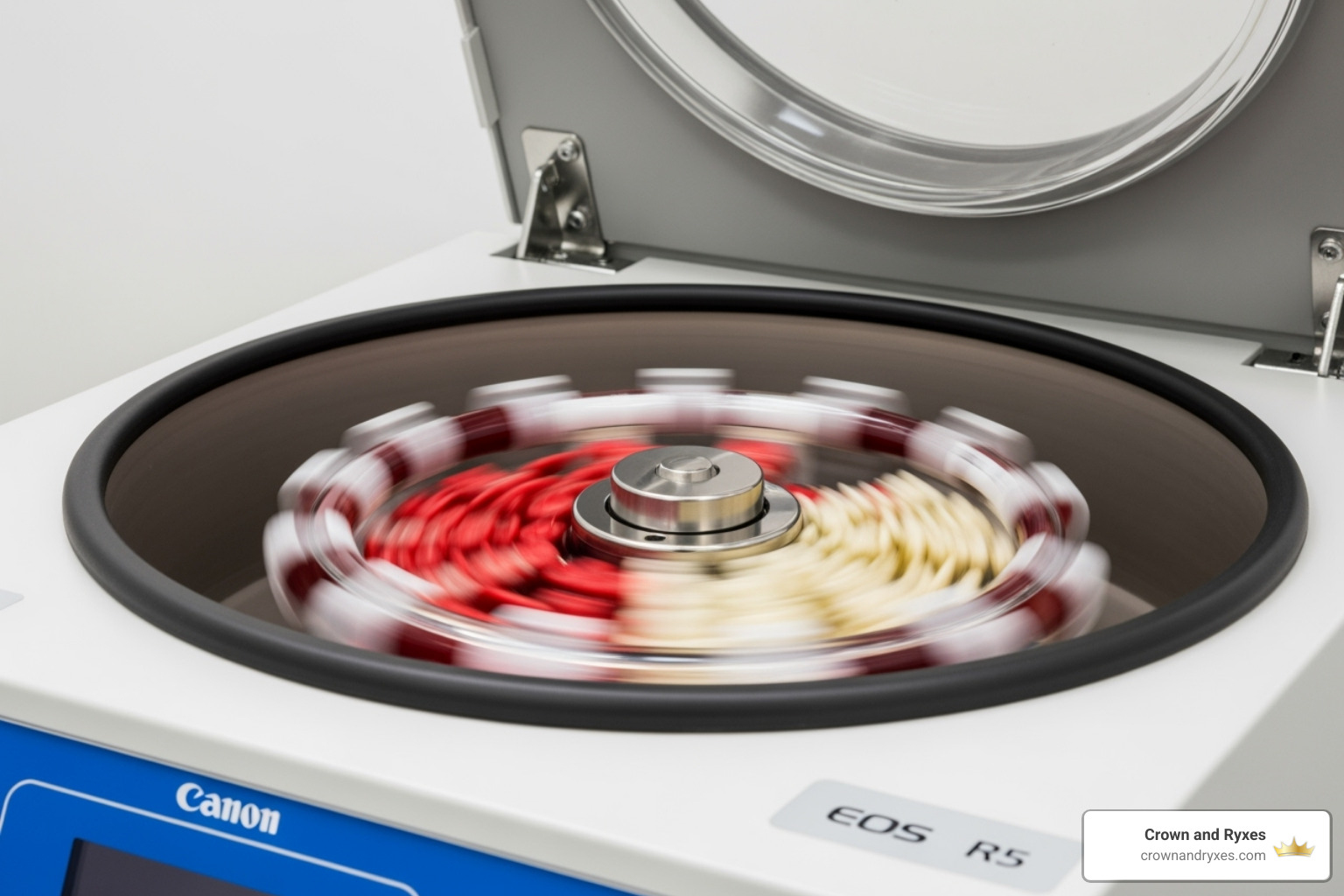
Platelet-Rich Plasma (PRP) & Platelet-Rich Fibrin (PRF)
- A quick blood draw is spun in a centrifuge, concentrating platelets packed with 300-plus growth factors.
- LR-PRP (with leukocytes) or LP-PRP (without) is chosen case-by-case.
- PRF forms a slow-release gel for longer delivery.
- Popular for joints, tendons, and hair restoration. More info about PRP for hair loss | More info about PRF for hair loss
Cell-Based Therapies (MSCs, BMAC, Adipose-Derived Cells)
- BMAC: Bone-marrow aspirate from the hip is concentrated to yield MSCs and growth factors, then re-injected.
- Adipose-derived MSCs: Harvested by mini-liposuction, offering an abundant, versatile cell source.
- Early trials show promise for osteoarthritis, osteonecrosis, and soft-tissue repair. Study on stem cells for hip osteonecrosis
Prolotherapy (Dextrose) & Supportive Injections
- A hyper-osmolar dextrose solution lightly irritates tissue, triggering a healing response that strengthens ligaments and tendons.
- Cost-effective option for chronic sprains, back pain, and joint laxity.
| Therapy | Source | Primary Goal | Typical Uses | Key Point |
|---|---|---|---|---|
| PRP / PRF | Blood | Growth-factor boost | Arthritis, tendinopathy, hair | Fast, office-based |
| BMAC / Adipose MSCs | Bone marrow or fat | New cell formation | Cartilage loss, severe injury | Higher cell count |
| Prolotherapy | Dextrose | Trigger healing | Ligament laxity, back pain | Budget-friendly |
What Conditions Can Tissue Regenerative Injections Treat?

Musculoskeletal & Orthopedic
- Osteoarthritis: Knee, hip, and shoulder pain often respond well, delaying joint replacement.
- Stubborn tendon pain: Tennis elbow, rotator cuff, Achilles, and patellar tendinopathies.
- Ligament sprains/tears & instability: ACL support or chronic ankle sprains.
- Spine pain: Degenerative discs or facet irritation.
- Sports injuries: Meniscus, muscle tears, plantar fasciitis—helping athletes return faster.
Aesthetic & Restorative
- Hair loss (androgenetic alopecia): PRP or adipose MSCs awaken dormant follicles, leading to thicker strands. The Complete Guide to PRP Hair Treatment Benefits
- Skin rejuvenation: Adipose-derived cells boost collagen and blood flow, softening scars and wrinkles.
Sexual Wellness
Our REGENmax program applies the same principles to intimate health:
- Men: Support for erectile concerns or Peyronie’s through tissue regeneration and micro-vasculature repair. REGENmax for Men’s Sexual Wellness
- Women: Improved lubrication, sensitivity, and comfort by rejuvenating vaginal tissue. REGENmax for Women’s Sexual Wellness
The Patient Journey: Procedure, Recovery & Expectations

- Consultation: Review history, imaging, and goals to confirm the right regenerative option.
- Harvest: Simple blood draw for PRP/PRF, or local-anesthetic marrow/fat collection for MSCs.
- Processing: A centrifuge concentrates platelets or cells in minutes.
- Guided injection: Ultrasound or fluoroscopy ensures pinpoint delivery. Whole visit: ~30–60 min.
Recovery Snapshot
- Mild soreness or swelling for 1–5 days; acetaminophen is fine—skip anti-inflammatories.
- Light activity the first 48 h, then progressive return; physical therapy often accelerates gains.
- Noticeable improvement may appear in weeks; maximal benefit often builds for 3–6 months.
- Many plans involve 2–3 sessions, spaced several weeks apart.
Why Many Patients Choose Regenerative Care
- Avoid or delay surgery.
- Treat root cause, not just mask pain (unlike repeated steroid shots).
- Work with rehab programs to rebuild strength and function.
Benefits, Risks & Candidacy
Why Consider Tissue Regenerative Injections?
- Minimally invasive, office-based—back to daily life quickly.
- Uses your own biologics, so allergy risk is extremely low.
- Long-lasting relief: more than 80 % of osteoarthritis patients report sustained improvement.
Possible Side Effects
- Temporary injection-site pain or stiffness.
- Rare infection or transient nerve irritation.
- Results vary; some conditions need repeat treatments.
- Usually not covered by insurance, so plan for out-of-pocket payment (consultation or imaging may be covered).
Who Is a Good Candidate?
- You tried conservative care (therapy, meds, steroid) without adequate relief.
- You wish to avoid or postpone surgery.
- Imaging confirms a degenerative or soft-tissue injury amenable to biologic repair.
- Overall health supports healing, and you can follow post-procedure guidelines.
Frequently Asked Questions
Do regenerative injections hurt?
We numb the area first; most people feel only pressure. Minor soreness afterward is common and signals healing has begun.
What do they cost & does insurance pay?
Pricing depends on PRP vs. cell-based therapy and local market rates. In Clermont, FL, and The Villages, FL, we provide clear quotes up front. Most insurers do not reimburse, though consultations or imaging sometimes are covered.
How long do results last?
Relief often builds for months and may last a year or more in osteoarthritis. Acute injuries can heal permanently; chronic conditions may need periodic boosters. We’ll give custom expectations at your visit.
Conclusion: The Future of Personalized Healing
As we’ve journeyed through tissue regenerative injections, it’s clear we’re standing at a truly exciting frontier in medicine. These therapies are more than just treatments; they’re a way to tap into your body’s amazing ability to heal itself. Imagine: instead of simply patching things up, we’re helping your body rebuild and renew, all with its own powerful resources.
This innovative approach offers powerful, minimally invasive solutions for a wide range of concerns. From easing chronic pain that’s held you back, to helping you regain a fuller head of hair, or even restoring confidence in your sexual wellness with solutions like REGENmax, tissue regenerative injections are about empowering your body’s natural healing process. The research in this field is constantly evolving, bringing new possibilities and refining existing ones, all aimed at helping you achieve lasting relief and a significantly improved quality of life.

At Crown and Ryxes, this vision of personalized medicine is at the very heart of what we do. We’re passionate about using advanced, evidence-informed therapies to guide you on your personal restoration journey. We believe that understanding all your options is the very first step toward a healthier, happier you.
Whether you’re right here with us in Clermont, FL, or joining us from The Villages, FL, we’re here to help you explore how regenerative treatments can be a part of your unique path to wellness. Ready to take that next step? We invite you to explore our services and find the possibilities.