

Understanding Your Options for Hair Regrowth
Topical hair growth treatment offers proven solutions for those experiencing thinning hair or pattern baldness. If you’re comparing your options, here’s what works:
FDA-Approved Treatments:
- Minoxidil (Rogaine) – Available over-the-counter in 2% and 5% strengths; works for approximately 2 out of 3 men
- Topical Finasteride – Prescription DHT blocker; slows hair loss in nearly 90% of men, with about two-thirds experiencing regrowth
Key Facts:
- Results typically appear after 3-6 months of consistent use
- Continuous application is required to maintain benefits
- Both treatments work best for androgenetic alopecia (hereditary hair loss)
- Natural alternatives like rosemary oil show promise but have less scientific backing
Many people struggling with hair loss try countless products that fail to address the root cause. But here’s the good news: modern topical hair growth treatments can actually work.
Scientific advancements have led to FDA-approved medications that stimulate dormant follicles, increase scalp blood flow, and block the hormones behind pattern baldness. Some treatments help maintain current hair, while others can regrow hair you thought was lost.
This guide explains the most effective topical treatments, how they work, and what realistic results look like, helping you find a solution. Whether you’re just noticing thinning or have been dealing with hair loss for years, understanding your options is the first step.
I’m Dr. Matthew Casavant. My medical career has focused on helping patients steer complex health decisions, including hair loss. I emphasize evidence-based, personalized treatment plans that fit your lifestyle and goals.
The Science Behind FDA-Approved Topical Hair Growth Treatment
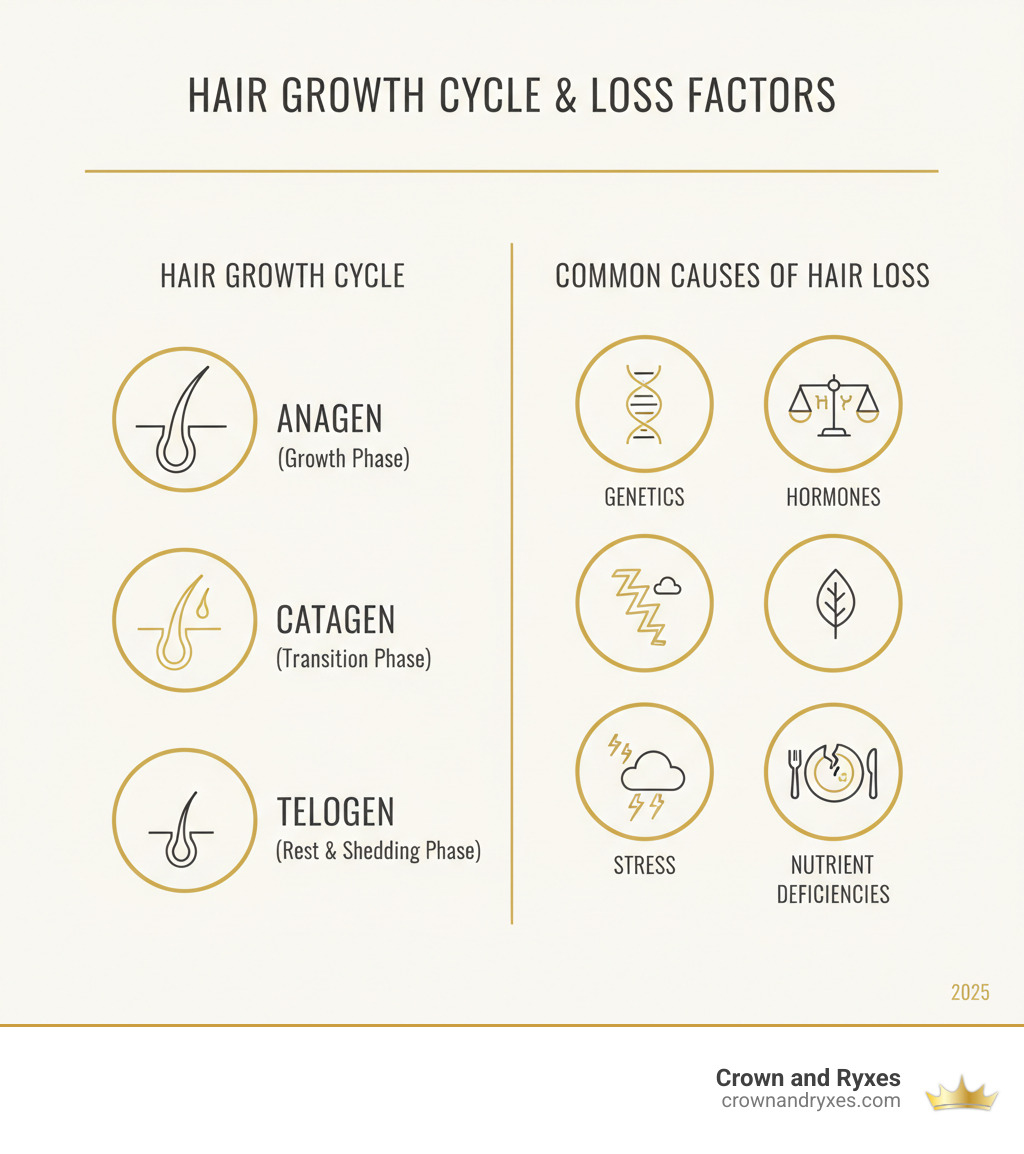
The hair loss industry is full of promises, but a truly effective topical hair growth treatment is backed by science. FDA-approved treatments like Minoxidil and Finasteride have undergone rigorous clinical trials. They target the biological mechanisms of hair loss and are two different tools in your hair restoration toolbox.
Minoxidil: The Over-the-Counter Powerhouse
Minoxidil, the active ingredient in many over-the-counter treatments, has been a staple in hair regrowth since the 1980s.
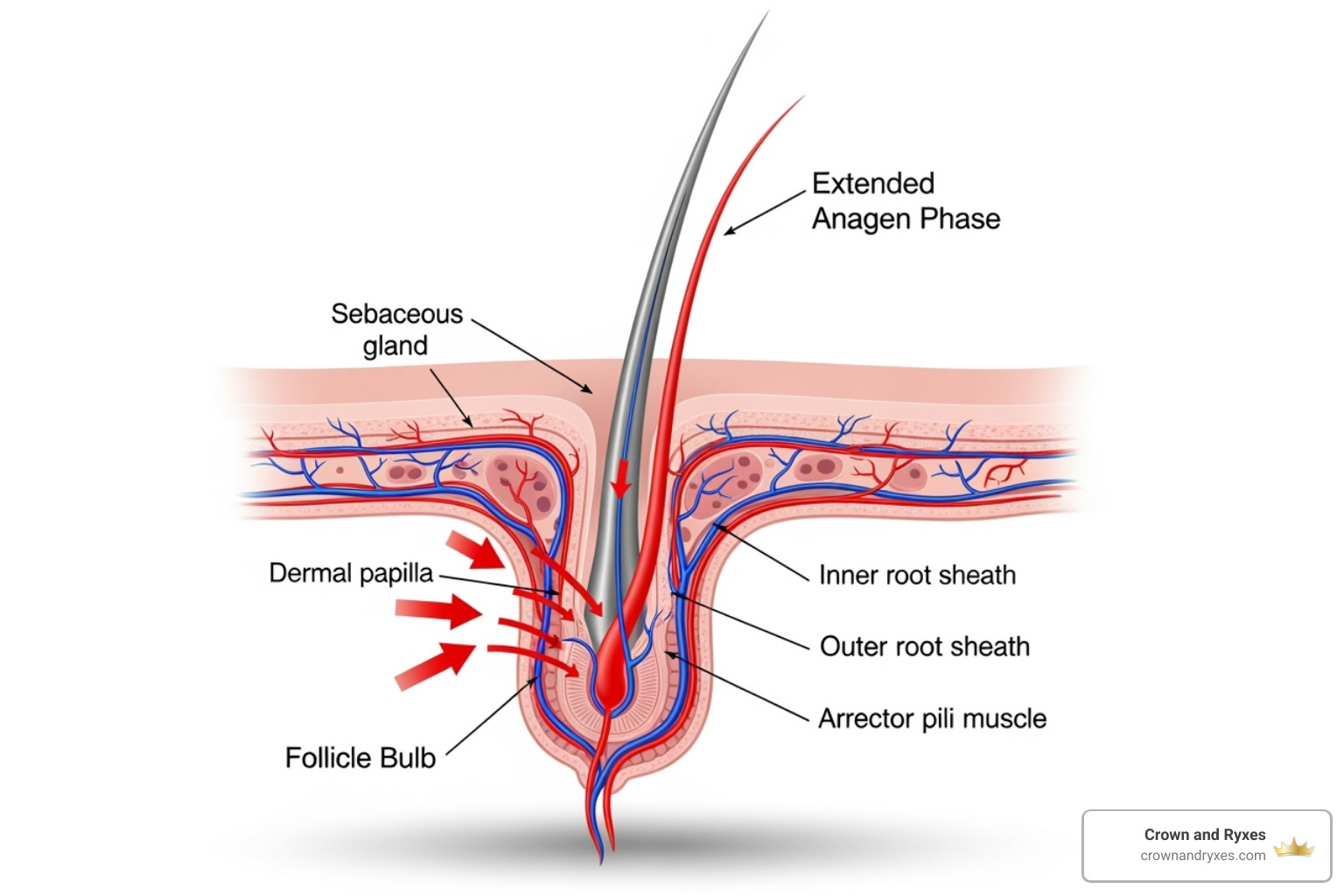
As a vasodilator, it widens blood vessels on your scalp. This increases blood flow, delivering more oxygen and nutrients to awaken dormant follicles and strengthen existing hair. Minoxidil also extends the anagen (growth) phase of the hair cycle, allowing hair to grow thicker and longer before shedding.
Available in 2% and 5% concentrations as a liquid or foam, Minoxidil is versatile and can be used by both men and women. The 5% version is generally recommended for men, while women often start with 2% (though 5% foam is also FDA-approved for women).
Statistics show about two-thirds of men see results, either slowing loss or regrowing hair, primarily on the crown and top of the scalp. It is less effective for a receding hairline.
Some users experience scalp irritation or dryness. To avoid unwanted facial hair, wash your hands thoroughly after application. Minoxidil only works as long as you use it; stopping treatment will cause hair loss to resume within a few months.
Topical Finasteride: The Prescription DHT Blocker
While Minoxidil boosts circulation, Finasteride targets the hormonal cause of male pattern baldness. It is a prescription-only medication.
The primary cause of male pattern baldness is the hormone dihydrotestosterone (DHT). DHT, converted from testosterone by the 5-alpha reductase enzyme, shrinks hair follicles in genetically susceptible men—a process called miniaturization. This leads to thinner, shorter hairs and eventual hair loss.
Finasteride works by blocking this enzyme, reducing DHT levels around the follicles. This can stop or even reverse miniaturization, allowing follicles to produce healthier hair. It is highly effective, slowing or stopping hair loss in about 90% of men, with roughly two-thirds experiencing some regrowth.
While the oral version of Finasteride carries a small risk of sexual side effects, topical Finasteride is designed for local action on the scalp, which significantly reduces the risk of these systemic effects. Concerns about sexual wellness, whether related to treatment or not, can be addressed. We offer solutions like REGENmax to support overall sexual health.
Important note: Finasteride is approved for men only. Women who are or may become pregnant should not handle the medication due to risks to a male fetus.
Comparing Minoxidil and Topical Finasteride
Understanding the differences between these two topical hair growth treatment options helps you make an informed decision:
| Feature | Minoxidil (Topical) | Finasteride (Topical) |
|---|---|---|
| Mechanism | Vasodilator that increases blood flow and extends the growth phase | DHT blocker that prevents follicle miniaturization |
| Availability | Over-the-counter | Prescription only |
| Best For | Crown and vertex thinning in both men and women | Male pattern baldness caused by DHT sensitivity |
| Typical Application | Once or twice daily, available as liquid or foam | Once daily, typically as a solution |
| Key Side Effects | Scalp irritation, dryness, itching, possible unwanted facial hair | Reduced risk of systemic effects compared to oral; possible local irritation |
Both treatments have earned their FDA approval through solid scientific evidence. The right choice depends on your specific type of hair loss, gender, and health profile, which is why consulting a provider is so important.
Effectiveness, Application, and What to Expect
Starting a topical hair growth treatment requires patience and realistic expectations. These treatments work, but not overnight. Consistency is crucial, and you may even notice some initial shedding—a sign the treatment is starting to work.
How Effective Are Treatments for Different Hair Loss Types?
Topical treatments are not a one-size-fits-all solution. They are most effective for androgenetic alopecia (hereditary hair loss), including male pattern baldness (receding hairline, crown thinning) and female pattern hair loss (diffuse thinning).
For hair loss caused by stress, nutritional deficiencies, or autoimmune conditions like alopecia areata, these topicals are less effective because they don’t address the underlying issue. An accurate diagnosis from a healthcare provider is essential to ensure you’re using a treatment designed for your specific condition.
How to Apply Your Topical Hair Growth Treatment Correctly
Proper application is key to getting the full benefits of your topical hair growth treatment. Follow these steps for best results:
- Start with a dry scalp. Applying to wet hair dilutes the medication and reduces absorption.
- Expose the treatment area. Part your hair in sections to apply the product directly to the skin, not just the hair.
- Apply the correct dose. Use the supplied dropper or applicator to apply the recommended amount (e.g., 1 ml of solution or half a capful of foam). More is not better and can increase side effects.
- Massage gently. Use your fingertips to spread the product evenly over the affected areas.
- Wash your hands. Immediately wash your hands with soap and water to prevent transferring the medication elsewhere.
- Let it dry. Allow the treatment to air dry completely (usually 2-4 hours). Do not use a hairdryer or wear a hat during this time.
Consistency is the most important factor. Missing applications will significantly impact your results. Set a daily reminder to make it part of your routine.
Patience is Key: How Long Until You See Results?
A common question is: “When will I see results?” Hair growth is a slow biological process. With consistent daily use of Minoxidil or topical Finasteride, you can expect the following timeline:
- 3-6 Months: You may notice a decrease in hair shedding or the first signs of fine, new hairs.
- 6-12 Months: Visible improvements in thickness and coverage often become apparent.
These treatments require continuous use to maintain results. If you stop, any regrown hair will likely fall out within a few months, and your hair loss will return to its previous state. Think of it as managing an ongoing condition rather than a permanent cure. This long-term commitment is worthwhile for the many patients who regain a fuller, healthier head of hair.
Exploring Natural and Alternative Topical Options
While FDA-approved medications are the gold standard in topical hair growth treatment, many people explore natural alternatives. Some of these options show promise, but they generally have less scientific backing and require realistic expectations.

Plant-Based Oils and Extracts
Several plant-based ingredients have gained attention for their potential hair benefits:
- Rosemary Oil: Studies suggest rosemary oil may be as effective as 2% Minoxidil for androgenetic alopecia. It’s thought to improve circulation and potentially block DHT. Always dilute it in a carrier oil (like jojoba or coconut) to prevent scalp irritation.
- Peppermint Oil: This oil may increase blood flow to the scalp. While human studies are limited, animal studies show it can promote hair growth by increasing follicle number and depth.
- Pumpkin Seed Oil: This oil contains compounds that may inhibit the 5-alpha reductase enzyme, similar to Finasteride, potentially reducing DHT’s effects on follicles.
- Saw Palmetto: Another natural ingredient thought to block DHT. While some studies support its use, the evidence is less robust.
Always perform a patch test before applying new oils to your scalp, and remember that consistency over several months is necessary to see potential benefits.
Other Therapies and Supplements
Beyond plant extracts, other therapies can support hair health:
- Low-Level Laser Therapy (LLLT): LLLT uses FDA-cleared devices (combs, caps) that expose the scalp to low-power laser light to stimulate follicles. However, Scientific research on LLLT has not definitively proven its long-term effectiveness. It’s a significant investment with no guaranteed results.
- Microneedling: This technique uses tiny needles to create micro-injuries in the scalp, stimulating healing and increasing blood flow. It may also improve the absorption of topical medications like Minoxidil, making it a good complementary therapy.
- Biotin: Biotin supplements only help with hair loss if you have a confirmed biotin deficiency, which is rare. According to Biotin for hair loss research, there’s no evidence it helps people with normal levels.
- Zinc: As an essential mineral for hair tissue growth, ensuring adequate zinc intake can support overall hair health, but it won’t reverse pattern baldness alone.
- Platelet-Rich Plasma (PRP) Therapy: In Platelet-rich plasma (PRP) therapy, your own blood platelets are concentrated and injected into your scalp. These growth factors can stimulate dormant hair follicles and is often used alongside other treatments.
The bottom line is that natural options can play a supportive role, but they should be approached with realistic expectations. Consulting a healthcare provider is the best way to integrate them into a comprehensive plan.
Creating Your Personalized Hair Restoration Plan
Hair loss treatment is not one-size-fits-all. Your genetics, health, and lifestyle determine the best path. At Crown and Ryxes, we focus on personalized care, as professional guidance is key to matching the right topical hair growth treatment to your specific situation.

Factors to Consider When Choosing a Treatment
When creating your plan, a healthcare provider will consider several key factors:
- Type and Extent of Hair Loss: A correct diagnosis is essential to determine if your hair loss is hereditary or due to other factors.
- Gender: Some treatments, like topical Finasteride, are only for men, while Minoxidil works for both men and women.
- Lifestyle and Routine: Your treatment plan must be something you can stick with consistently. Daily vs. twice-daily applications and foam vs. liquid formulations are practical considerations.
- Budget: Costs vary from affordable over-the-counter options to prescription treatments and in-clinic procedures.
- Potential Side Effects: If you have sensitive skin, the risk of local irritation can influence your choice.
- Medical History: Your overall health, other medications, and allergies are crucial for determining a safe and appropriate treatment.
Can Topical Treatments Be Combined with Other Therapies?
Yes, and combining therapies often yields better results by attacking hair loss from multiple angles. For example, using Minoxidil (to improve blood flow) and topical Finasteride (to block DHT) together can be more effective than using either one alone.
Pairing daily topicals with periodic procedures like Platelet-rich plasma (PRP) therapy can also be highly effective. The topical provides consistent treatment, while PRP delivers a powerful boost of growth factors to the scalp. This holistic approach addresses multiple aspects of hair health for superior results.
The Crucial Role of a Healthcare Provider
Navigating the confusing world of online hair loss advice is why working with a qualified healthcare provider is crucial for success. A provider can accurately diagnose your type of hair loss, ensuring you don’t waste time on ineffective treatments.
They will recommend evidence-based treatments, manage prescriptions like topical Finasteride, and monitor your progress through regular follow-ups. If a treatment isn’t working as expected, they can adjust your plan. This partnership is key to a successful hair restoration journey.
Your provider can also address related concerns, such as sexual wellness, and discuss options like REGENmax.
At Crown and Ryxes, this expert-guided approach is our foundation. Our teams in Clermont, FL, and The Villages, FL, create customized hair restoration plans custom to your unique needs and goals. Ready to stop guessing and start seeing real results? Book your personalized consultation today and let’s create a hair restoration plan that actually works for you.
Conclusion: Take the Next Step Towards a Fuller Head of Hair
You now know that effective topical hair growth treatment is based on real science. From FDA-approved Minoxidil and Finasteride to promising natural options, you have genuine solutions available.
Hair restoration is a marathon, not a sprint. Results require consistency and take three to six months or more, but the right plan can slow hair loss, stimulate regrowth, and restore your confidence.
Most importantly, you don’t have to do this alone. Success starts with professional guidance. A healthcare provider can diagnose the cause of your hair loss and create a personalized plan, which makes the difference between guessing and seeing real results.
At Crown and Ryxes, we’ve built our practice on this philosophy of personalized care. Our teams in Clermont, FL, and The Villages, FL, are dedicated to creating customized hair restoration journeys that fit your unique needs, lifestyle, and goals. We combine evidence-based treatments with compassionate support, empowering you every step of the way.
Whether you’re just noticing thinning or have been struggling for years, now is the time to take action. You deserve expert care, honest guidance, and a treatment plan that works.
Book your personalized consultation today and let Crown and Ryxes help you start your journey toward a fuller head of hair. We’re here to help you every step of the way.