

The Vitamin B5 Hair Loss Paradox: When a Hair Nutrient Becomes the Problem
Vitamin B5 hair loss presents a confusing paradox that has left many people scratching their heads – literally and figuratively. Here’s what you need to know:
Quick Answer for Vitamin B5 Hair Loss:
- Deficiency: Can cause hair thinning, premature graying, and weak follicles
- Normal levels: Support healthy hair growth, moisture, and shine
- Excess intake: May trigger telogen effluvium (temporary hair shedding)
- High doses: Can increase testosterone production, potentially worsening male pattern baldness
The relationship between vitamin B5 and hair isn’t straightforward. While this essential B vitamin supports healthy hair growth and strengthens follicles, taking too much can actually cause the hair loss you’re trying to prevent.
Research shows that pantothenic acid (vitamin B5) plays a crucial role in hair health by supporting moisture retention and follicle nourishment. However, forum discussions reveal concerning reports of people experiencing significant hair shedding after taking high doses – sometimes 2-10 grams daily – for acne treatment.
One forum user shared: “I took 2-3 grams of Vitamin B5 for 10 days to help my acne. After the 10th day I noticed hair shedding from my head. I stopped immediately. It has been almost a month since I stopped the B5 and the shedding has not stopped.”
The culprit might not even be the vitamin itself. Some experts believe the toxicity comes from binding ingredients in supplements that aren’t listed on labels, causing a condition called telogen effluvium.
As Dr. Matthew Casavant, I’ve seen patients in my practice who’ve experienced unexpected hair changes after starting various supplements, including cases involving vitamin B5 hair loss. My experience in women’s healthcare has taught me that the body’s response to nutrients is far more complex than most people realize.

What is Vitamin B5 and Why Does Your Hair Need It?
Think of pantothenic acid (vitamin B5) as your hair’s best friend that you probably haven’t heard much about. This water-soluble vitamin is essential, meaning your body can’t make it on its own – you need to get it from food or supplements.
Here’s where it gets interesting for your hair: vitamin B5 transforms into Coenzyme A (CoA) in your body, a powerhouse molecule that drives countless metabolic processes. Your hair follicles are like tiny factories working around the clock, and they need steady energy to produce strong, healthy strands. When these follicles get proper nourishment from B5, they can create the robust hair you’re hoping for.
The connection between B5 and hair health goes beyond just growth. This vitamin supports the overall strength and vitality of each strand, which is why it’s become such a popular ingredient in hair care products. For a deeper dive into how various vitamins support healthy hair, check out our guide on vitamins for hair loss.
The Role of B5 in Moisturizing and Strengthening Hair
If your hair feels dry as the desert or snaps when you brush it, vitamin B5 might be exactly what you need. This remarkable vitamin works as a moisture magnet, offering dual benefits that leave your hair feeling soft and hydrated.
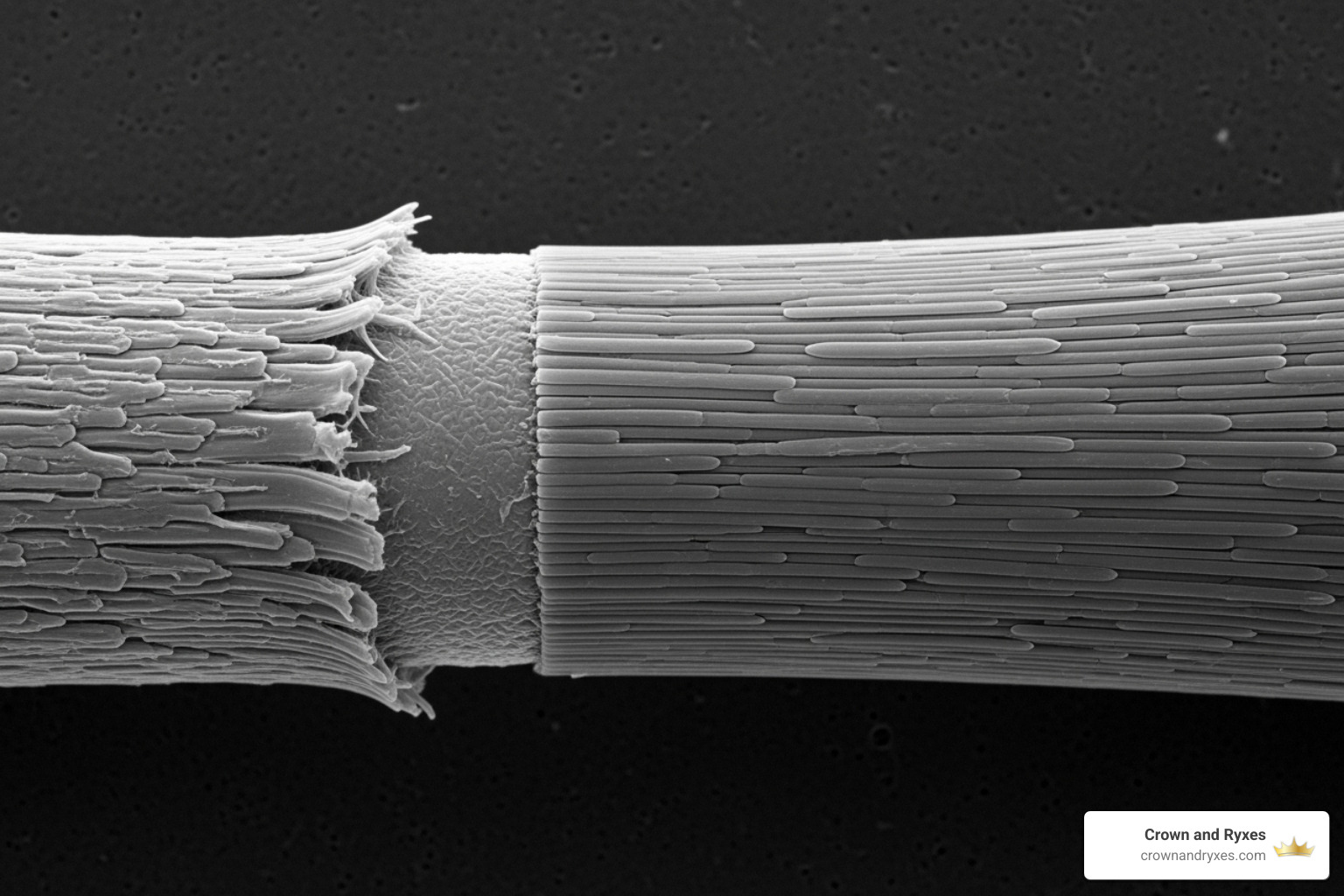
The magic happens through B5’s humectant properties. Like a tiny sponge, it pulls moisture from deeper skin layers and even from the air around you, delivering hydration directly to your hair strands. At the same time, it acts as an emollient – think of it as a smoothing agent that fills in the tiny rough spots along your hair shaft.
When vitamin B5 (especially in its panthenol form) coats your hair, it creates a protective layer that reduces friction and tangles. This emollient effect makes your hair feel silky while improving its elasticity. Stronger, more flexible hair means less breakage when you style or brush it. You can learn more about what emollients are and how they work.
This double-action moisture boost helps prevent the brittleness and dryness that can lead to vitamin B5 hair loss when your strands become too weak to stay anchored in their follicles.
How Vitamin B5 Improves Hair Shine and Texture
Ever wonder why some people’s hair seems to glow with health? Vitamin B5 plays a starring role in creating that enviable shine and smooth texture.
As we age, our scalps produce less sebum production – the natural oil that keeps hair moisturized and shiny. This reduction leaves hair looking dull and feeling rough. Vitamin B5 steps in to help restore that natural luster by smoothing the hair strand structure and locking in moisture.
When panthenol smooths your hair cuticles, they lie flat and reflect light beautifully, creating that natural sheen you’re after. It’s not just surface-level gloss – this is healthy, well-hydrated hair that naturally radiates vitality.
The texture improvements are equally impressive. B5 can make coarse hair feel softer, help fine hair appear thicker without weighing it down, and tame unruly strands for better frizz control. Your hair becomes more manageable and easier to style, reducing dullness while enhancing your hair’s natural beauty.
B5’s Contribution to Scalp Health and Hair Growth
Your scalp is like fertile soil for your hair – if it’s not healthy, your hair won’t thrive. Vitamin B5 creates the perfect environment for strong hair growth by supporting your scalp and your body’s stress response.
One fascinating aspect of B5 is its adrenal gland support. These glands help your body manage stress, and when they’re functioning well, your hair benefits too. Poor stress regulation can trigger conditions like telogen effluvium, where hair prematurely sheds. By supporting your adrenals, B5 indirectly protects your hair from stress-related loss.
B5 also works as a humectant on your scalp, drawing moisture up to hydrate the epidermis (your skin’s top layer). This hydration is crucial for scalp health – a well-moisturized scalp is less prone to dryness, flakiness, and inflammation that can interfere with healthy hair growth.
The vitamin supports cellular energy production and nutrient delivery to your hair follicles, ensuring they have everything needed for optimal function. Research from 2021 suggests that panthenol may encourage longer, fuller hair by preventing cellular aging and death. It also helps with reducing inflammation, creating an environment where hair follicles can thrive and produce strong, healthy strands.
The Link Between Vitamin B5, Hair Loss, and Toxicity
Here’s where our vitamin B5 story takes an unexpected turn – and it’s honestly pretty confusing! While we’ve been singing the praises of this hair-loving nutrient, there’s a darker side that’s been causing headaches (and hair loss) for people around the world. The phenomenon of vitamin B5 hair loss has left many scratching their heads, wondering how something so beneficial could potentially cause the very problem it’s supposed to solve.

The plot twist comes when we look at dosage. The Recommended Daily Allowance (RDA) for adults sits comfortably at just 5 mg per day. But some people – often desperate to clear stubborn acne – have gone completely overboard with what experts call “megadosing.” We’re talking about doses ranging from 400 mg all the way up to a whopping 10 grams daily. That’s like drinking from a fire hose when you only need a sip from a water fountain!
This is where things get really interesting (and concerning). Many of these high-dose experimenters have reported significant hair shedding, particularly a condition called Telogen Effluvium. This type of hair loss doesn’t discriminate – it causes diffuse thinning all over the scalp, leaving people panicked and confused about what went wrong.
If you’re dealing with unexpected hair loss and wondering if your supplements might be the culprit, don’t try to figure it out alone. Professional guidance is crucial, and you can explore comprehensive hair loss treatments to get to the bottom of what’s really happening with your hair.
Can a Deficiency in Vitamin B5 Lead to Hair Loss?
Before we dive deeper into the “too much” problem, let’s talk about the “too little” side of things. Yes, not getting enough vitamin B5 can absolutely cause hair loss – but here’s the good news: true deficiency is pretty rare in developed countries because this vitamin shows up in so many foods.
When your hair follicles don’t get enough pantothenic acid, they become like plants trying to grow in poor soil. The result? Malnourished follicles that can’t produce strong, healthy hair strands. Your hair growth slows down, and you might notice premature graying creeping in earlier than expected.
A severe B5 deficiency doesn’t just stop at your hair, though. Your whole body starts sending distress signals through symptoms like paresthesia (that weird tingling feeling in your feet), fatigue, and irritability. It’s like your body’s way of waving a red flag saying, “Hey, I need more nutrients over here!”
The easiest way to avoid deficiency is through good old-fashioned food. Shiitake mushrooms are vitamin B5 powerhouses, while sunflower seeds make a perfect crunchy snack that feeds your follicles. Chicken breast and avocado are other fantastic sources, along with tuna and broccoli. These foods don’t just provide B5 – they come with a whole package of complementary nutrients that work together beautifully.
The Risk of Over-Supplementation: A Deeper Look at Vitamin B5 Hair Loss
Now we get to the really puzzling part of this story. How can taking more of a hair-healthy vitamin actually cause vitamin B5 hair loss? Scientists have a couple of theories, and both are pretty eye-opening.
The first theory involves testosterone production. When you flood your system with massive doses of B5, it might ramp up testosterone production. For men, this creates more of the DHT variant that’s responsible for male pattern baldness. Imagine trying to help your hair by accidentally feeding the very hormone that causes it to fall out – talk about backfiring!
But here’s where it gets really interesting. Many experts believe the real villain isn’t the vitamin B5 at all. According to discussions in health forums and studies on B5 toxicity, the problem might be mysterious binding ingredients used in supplements that don’t always show up on labels. These hidden ingredients could be triggering toxicity that leads to Telogen Effluvium.
One dermatologist explained it perfectly to a patient: “B5 causes toxicity that results in TE (Telogen effluvium).” But the toxicity isn’t necessarily from the B5 itself – it’s from whatever else is lurking in that supplement bottle.
Very high doses (we’re talking 10-20 grams daily) can also cause more obvious problems like diarrhea and increased bleeding risk. Your body is basically saying, “This is way more than I can handle!”
Signs of Vitamin B5 Toxicity vs. Deficiency
Figuring out whether you’re dealing with too much or too little B5 can feel like detective work, especially since some symptoms can overlap or seem unrelated to vitamins altogether.
Toxicity symptoms from high-dose supplementation often show up as diarrhea – your digestive system’s way of rejecting the excess. You might also notice increased bleeding risk if you’re taking extremely high doses. But the most concerning sign is often hair loss, particularly the diffuse shedding pattern of telogen effluvium that can affect your entire scalp.
Deficiency symptoms paint a different picture entirely. Beyond hair loss and reduced hair growth, you might experience fatigue, irritability, and that strange tingling sensation in your feet called paresthesia. Some people also notice premature graying as their follicles struggle without adequate nutrition.
The tricky part is that both deficiency and toxicity can cause hair loss, but they’re happening for completely different reasons. Deficiency starves your follicles, while toxicity essentially poisons them. That’s why professional evaluation is so important – you need to know which end of the spectrum you’re dealing with before you can fix the problem.
| Condition | Hair Symptoms | Other Signs |
|---|---|---|
| Toxicity | Diffuse hair shedding, possible worsening of male pattern baldness | Diarrhea, increased bleeding risk |
| Deficiency | Hair loss, reduced growth, premature graying | Fatigue, irritability, tingling in feet |
Your body is incredibly smart, but it needs the right balance to function properly. Too much or too little of any nutrient can throw off this delicate balance, and vitamin B5 is no exception.
Topical vs. Oral B5: What’s Best for Your Hair?
Here’s where things get interesting! When it comes to using Vitamin B5 for healthier hair, you’ve got two main paths to choose from. You can take it as an oral supplement (hello, pill bottle!) or apply it directly to your hair through topical products. Both approaches have their merits, but they work in completely different ways.
Think of oral supplements as working from the inside out. When you swallow that B5 capsule, it travels through your bloodstream and eventually reaches your hair follicles. This systemic approach is fantastic for addressing any underlying nutritional gaps that might be contributing to hair problems. But here’s the catch – as we’ve learned, high oral doses can sometimes backfire and cause vitamin B5 hair loss instead of preventing it.
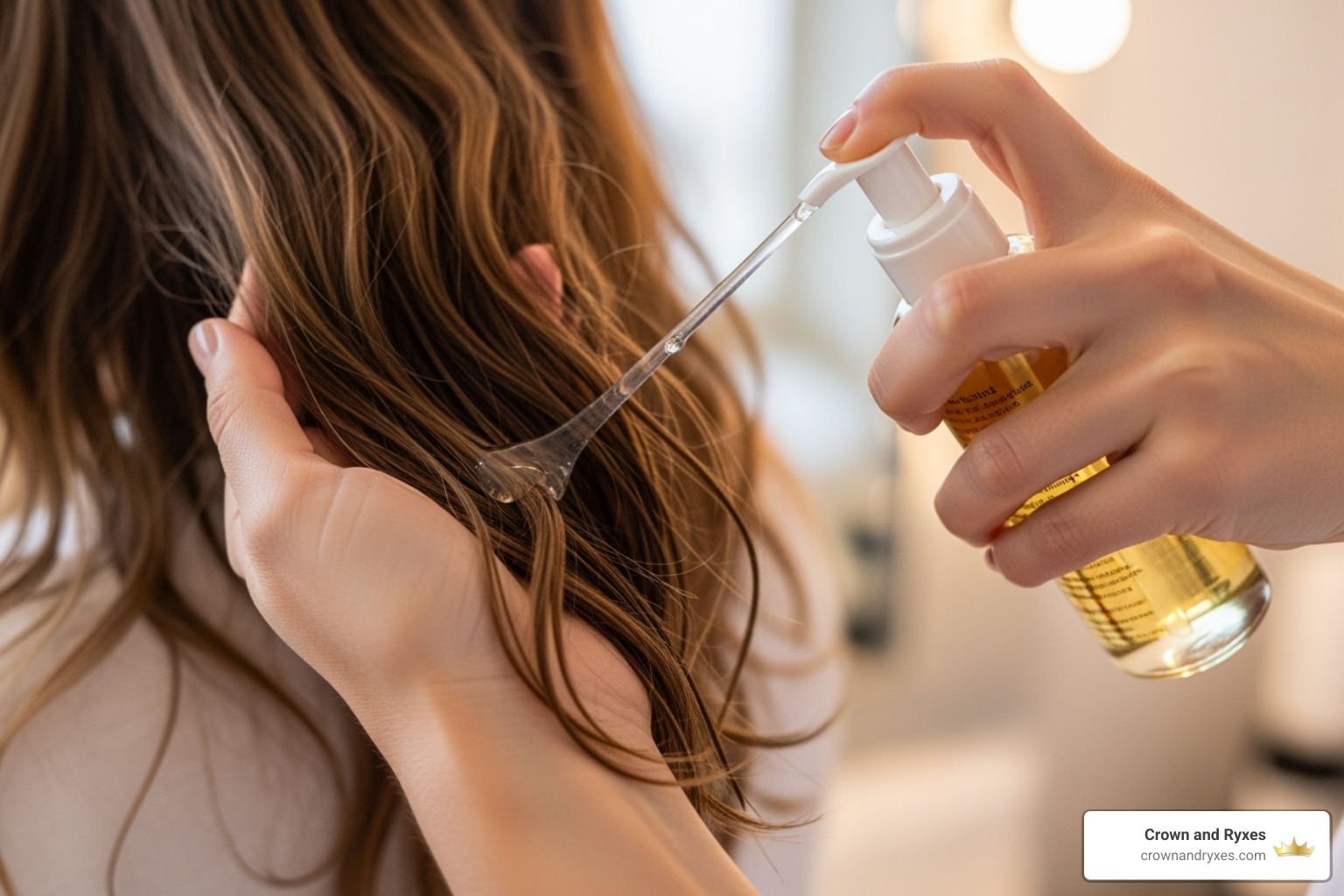
Topical applications, on the other hand, are like giving your hair a direct vitamin boost. They deliver B5 right where you need it most – on your hair shaft and scalp. While they won’t fix internal deficiencies, they can work wonders for improving how your hair looks and feels right now.
The beauty of topical B5 is that it sidesteps the potential toxicity issues we see with high-dose supplements. Plus, you get immediate results you can actually see and touch. For those exploring gentler approaches to hair concerns, our guide on non-surgical hair restoration options offers valuable insights into various treatment paths.
What is Panthenol and How Does it Work in Hair Products?
Meet panthenol – the superstar ingredient hiding in plain sight on your shampoo bottle! You might have glossed over it in the ingredients list, but this little powerhouse deserves some serious recognition.
Panthenol is essentially provitamin B5 – think of it as Vitamin B5’s more hair-friendly cousin. When you apply it topically, your hair and scalp convert it directly into active Vitamin B5. It’s like having a vitamin factory right on your head!
What makes panthenol so special is its dual personality. It acts as both a humectant (moisture magnet) and an emollient (smoothing agent). Picture your hair strands as tiny sponges – panthenol helps them soak up water from the air and lock it in, while simultaneously smoothing down rough cuticles.
The magic happens when panthenol penetrates deep into your hair shaft. It doesn’t just sit on the surface like some ingredients do. Instead, it travels into the hair’s core, causing the strands to swell slightly. This swelling effect can make your hair appear thicker and fuller – a welcome bonus for anyone dealing with fine or thinning hair.
Research shows that panthenol may help encourage longer, fuller hair by protecting hair cells from damage and aging. It’s similar to how hyaluronic acid works in skincare – both are moisture-binding champions, but panthenol has unique properties specifically custom for hair health.
Are Topical B5 Products a Solution for Hair Loss?
Let’s be real here – while topical B5 products are fantastic for your hair, they’re not going to single-handedly solve serious hair loss issues. But that doesn’t mean they’re not worth your time!
What topical B5 can do is pretty impressive. It’ll make your existing hair look shinier, feel softer, and appear temporarily thicker. The moisture-binding properties help reduce breakage, making your hair more resilient to daily styling stress. If you’re dealing with dull, brittle, or frizzy hair, panthenol-containing products can be game-changers.
The temporary thickening effect happens because panthenol swells the hair shaft, giving you that coveted fuller look. It’s not permanent, but it’s noticeable – especially for people with fine hair who want more body and volume.
However, topical B5 isn’t a miracle cure for underlying hair loss causes like male pattern baldness, autoimmune conditions, or severe nutritional deficiencies. Think of it more as excellent support therapy rather than a standalone solution. It creates an optimal environment for your hair to thrive and helps you make the most of what you’ve got.
The encouraging news is that panthenol is generally regarded as safe by the FDA, so you can use it without worrying about the toxicity concerns we see with high-dose oral supplements. It’s one of those ingredients that plays well with others and rarely causes irritation.
For comprehensive hair restoration approaches that address the root causes of hair loss, exploring our hair restoration services can help you understand all your options for achieving healthier, fuller hair.
Frequently Asked Questions about Vitamin B5 and Hair
The relationship between vitamin B5 hair loss and hair health can feel like solving a puzzle with missing pieces. Let’s tackle the most common questions we hear from people trying to understand this complex topic.
What is the recommended daily intake of Vitamin B5 for hair health?
Here’s where things get interesting – and a bit frustrating. The official Recommended Dietary Allowance (RDA) for adults is just 5 mg per day. That’s the amount scientists believe keeps most healthy people functioning well.
But when it comes to hair health specifically? Well, that’s where the guidelines get fuzzy. There’s no officially established “therapeutic dose” for hair benefits. Some hair health enthusiasts suggest anywhere from 25 to 50 mg daily might be more beneficial for your locks, but these aren’t backed by official medical recommendations.
Here’s what we know for sure: those mega-doses in the gram range (we’re talking 10-20 grams) that some people try for acne treatment? They’re linked to unpleasant side effects like diarrhea and increased bleeding risk. Plus, they might actually trigger the vitamin B5 hair loss you’re trying to avoid!
The golden rule? Balance is crucial. Taking B5 alongside other B-vitamins in a balanced B-complex is often smarter than going solo with high doses. And always – and we mean always – chat with a healthcare professional before starting any supplement routine, especially if you’re considering amounts higher than the standard RDA.
Can Vitamin B5 supplements alone solve my hair loss problem?
We wish we could give you a simple “yes,” but the truth is more nuanced. Hair loss is like a detective story with multiple suspects – rarely is there just one culprit.
Your hair might be thinning due to genetics (thanks, family tree!), hormonal shifts, stress from that demanding job, underlying health conditions, certain medications, or deficiencies in other nutrients like iron, Vitamin D, or biotin. Sometimes it’s a combination of several factors working together.
So while Vitamin B5 plays an important supporting role in hair health, expecting it to single-handedly solve complex hair loss is like expecting one instrument to play a symphony. It just doesn’t work that way.
A holistic approach is almost always necessary. This might mean adjusting your diet, managing stress better, exploring other nutritional support, and potentially considering medical treatments depending on what’s really causing your hair concerns. For those ready to explore comprehensive solutions, we encourage you to explore comprehensive hair restoration solutions that look at the bigger picture.
How does Vitamin B5 interact with other nutrients like Biotin?
Think of B vitamins as a close-knit family – they work better together, but sometimes they compete for attention. When you take very high doses of pantothenic acid (Vitamin B5), it can actually interfere with your body’s ability to absorb biotin (Vitamin B7).
This competition for absorption pathways is concerning because biotin is another hair health superstar. When biotin levels drop, you might notice hair loss and brittle nails – exactly what you’re trying to avoid! It’s like having two siblings fighting over the same toy, except in this case, your hair pays the price.
Research has shown this delicate balance in action. One study looking at B6 and calcium pantothenate (a form of B5) for hair loss in women found that B6 showed promising results, but the B5 didn’t deliver the same clear benefits. This highlights just how intricate the relationships between these vitamins can be.
This is exactly why we typically recommend taking a balanced B-complex supplement rather than mega-dosing individual B vitamins. A B-complex ensures all the family members get along nicely, supporting your metabolism and, by extension, healthier hair. It’s the difference between having a harmonious family dinner and a chaotic food fight!
Conclusion: Finding the Right Balance for Your Hair
The story of vitamin B5 hair loss teaches us something important: balance is everything when it comes to our hair health. It’s like walking a tightrope – too little vitamin B5 and your hair suffers from poor nourishment, but too much can trigger unexpected shedding that leaves you wondering what went wrong.
Throughout this journey, we’ve finded that Vitamin B5 is truly a hair hero when used wisely. It moisturizes dry strands, strengthens weak follicles, boosts natural shine, and creates the perfect environment for healthy growth. Your scalp loves it, your hair strands thrive with it, and when applied topically as panthenol, it can make your hair look and feel amazing.
But here’s the twist that makes this story so fascinating: the very nutrient that can save your hair might also cause problems if you go overboard. Whether it’s the increased testosterone production that can worsen male pattern baldness, or those mysterious binding ingredients in high-dose supplements that trigger telogen effluvium, the lesson is clear – more isn’t always better.
The sweet spot seems to be moderation. Stick close to that 5 mg daily recommendation, choose food sources when possible, and if you do supplement, consider a balanced B-complex rather than mega-doses of B5 alone. Your hair (and your body) will thank you for this thoughtful approach.
At Crown and Ryxes, we see how confusing hair loss can be for our patients. That’s why we believe in getting to the root of the problem rather than guessing. Professional diagnosis is crucial because your hair loss might have nothing to do with vitamins at all – it could be genetics, hormones, stress, or a combination of factors that requires a completely different approach.
Our team in Clermont, FL, and The Villages, FL, understands that every person’s hair journey is unique. We don’t believe in one-size-fits-all solutions. Instead, we work with you to understand your specific situation and create a personalized plan that addresses your needs. And because we believe in whole-person wellness, we also offer REGENmax for those dealing with sexual wellness concerns – because confidence starts from within.
If you’re tired of wondering why your hair isn’t cooperating, it’s time to get answers. For a personalized assessment of your hair health, explore our hair restoration services. We’re here to help you steer the complexities of hair health and find solutions that actually work for your unique situation.
Your hair tells a story about your overall health. Let’s make sure it’s a story you’re proud to tell.