
Understanding Vitamins for Erectile Function
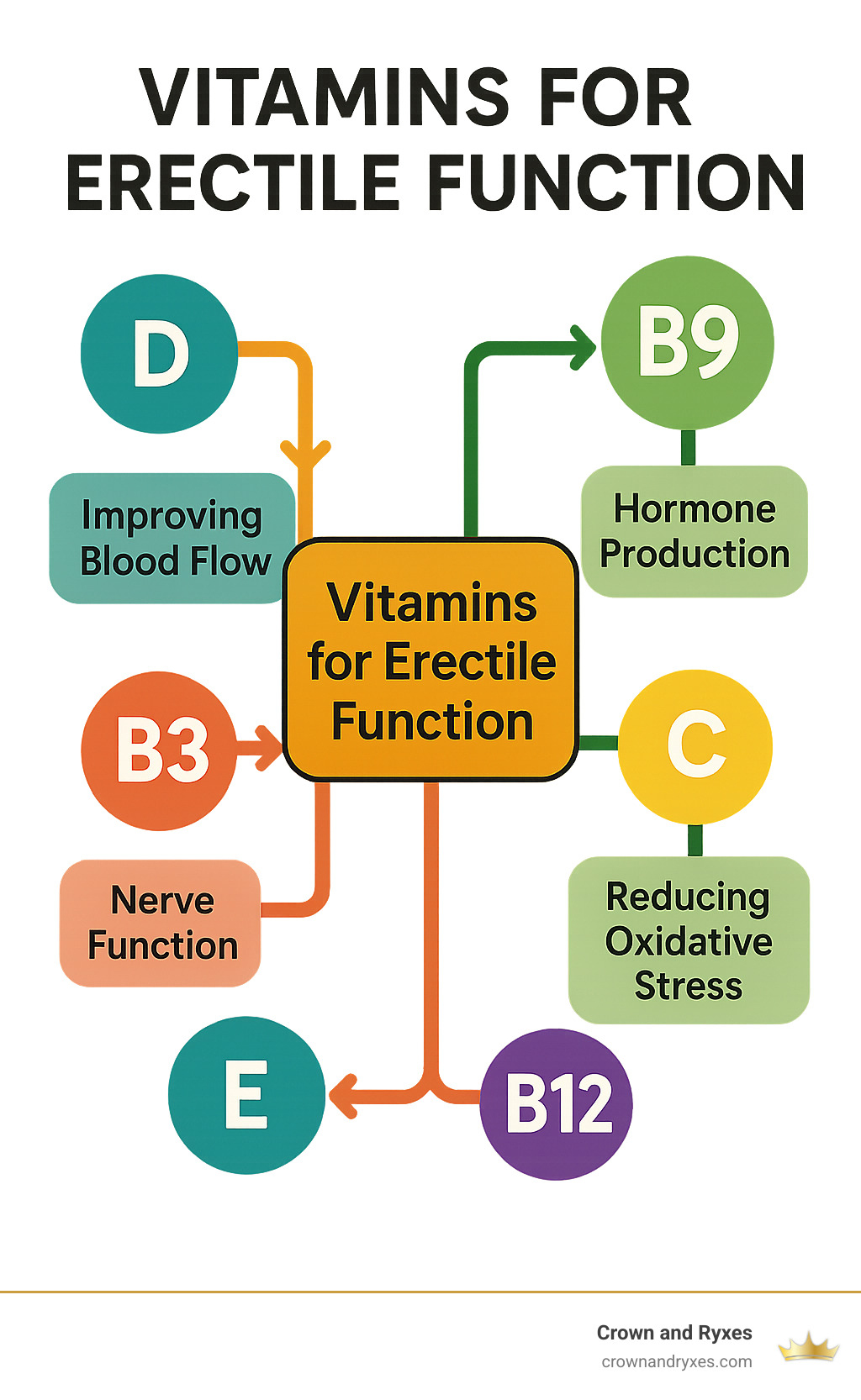
Vitamins that help with erectile dysfunction are increasingly being studied as natural options for men experiencing difficulties with sexual performance. If you’re looking for evidence-based vitamin solutions, here are the key nutrients that research suggests may help:
| Vitamin | How It Helps | Recommended Food Sources |
|---|---|---|
| Vitamin D | Supports testosterone production and blood vessel health | Fatty fish, egg yolks, sunlight exposure |
| Vitamin B9 (Folate) | Improves nitric oxide metabolism and blood flow | Leafy greens, legumes, fortified grains |
| Vitamin B3 (Niacin) | Improves blood vessel dilation and cholesterol levels | Meat, fish, nuts, mushrooms |
| Vitamin C | Boosts nitric oxide and acts as an antioxidant | Citrus fruits, berries, peppers |
| Vitamin B12 | Supports nerve function and homocysteine metabolism | Animal proteins, fortified foods |
| Vitamin E | Protects cell membranes and improves blood flow | Nuts, seeds, vegetable oils |
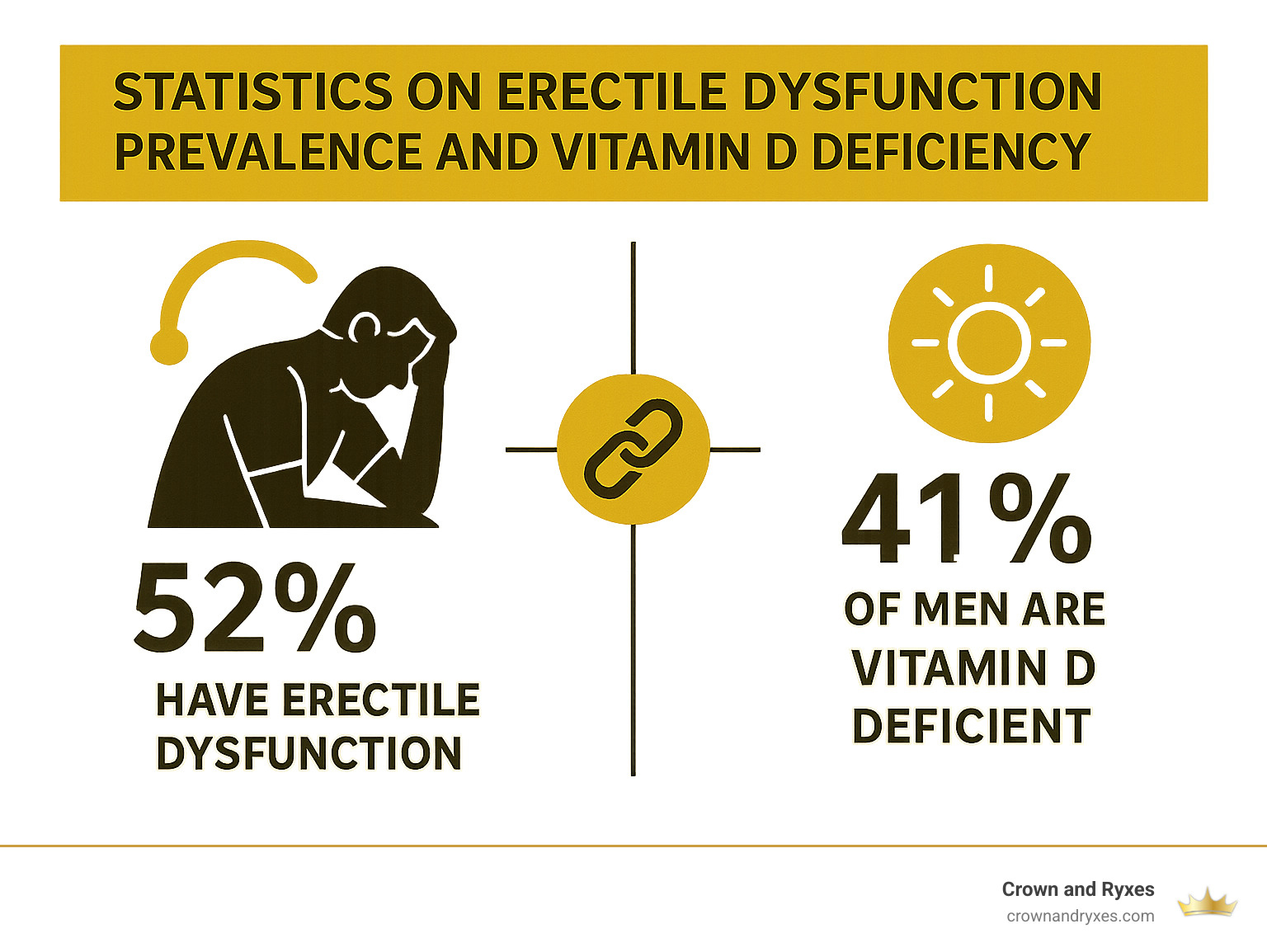
Erectile dysfunction (ED) affects up to 50% of men over 40, with numbers projected to reach 322 million worldwide by 2025. While many turn to prescription medications, vitamin deficiencies may be an overlooked factor in sexual health problems.
Research suggests that certain vitamins play crucial roles in the physiological processes that enable erections:
- Blood vessel health: Vitamins D and E support endothelial function
- Nitric oxide production: Vitamins B9 and C improve the molecule that relaxes blood vessels
- Hormone balance: Vitamin D influences testosterone levels
- Nerve function: Vitamin B12 supports proper neurological signaling
Vitamins work best when there’s an existing deficiency, and they shouldn’t replace medical evaluation or treatment.
I’m Dr. Matthew Casavant, and I’ve spent over a decade helping patients address erectile dysfunction through comprehensive approaches, including identifying nutritional deficiencies and recommending vitamins that help with erectile dysfunction when appropriate for their individual health profiles.
Vitamins that help with erectile dysfunction vocab to learn:
– erectile dysfunction lifestyle changes
– foods that help with erectile dysfunction
– erectile dysfunction exercise benefits
Why Erectile Dysfunction Happens—and Where Vitamins Fit
Erectile dysfunction isn’t just a bedroom issue—it’s often a warning sign of underlying health conditions. To understand how vitamins that help with erectile dysfunction work, we first need to understand what causes ED in the first place.
The Physiology Behind Erections
An erection might seem straightforward, but it’s actually a complex dance between your nerves, blood vessels, hormones, and mind. For things to work properly, you need healthy blood vessels that can expand, good blood flow, balanced testosterone levels, proper nerve signaling, and a relaxed mental state. When any of these systems hits a snag, ED can result.
Most men experience ED because of physical issues like clogged arteries, high blood pressure, or diabetes. Others might struggle because of hormone imbalances, nerve damage, stress, anxiety, or even as a side effect from medications. Lifestyle factors like smoking, too much alcohol, carrying extra weight, or not moving enough can also play a major role.
The Critical Role of Nitric Oxide
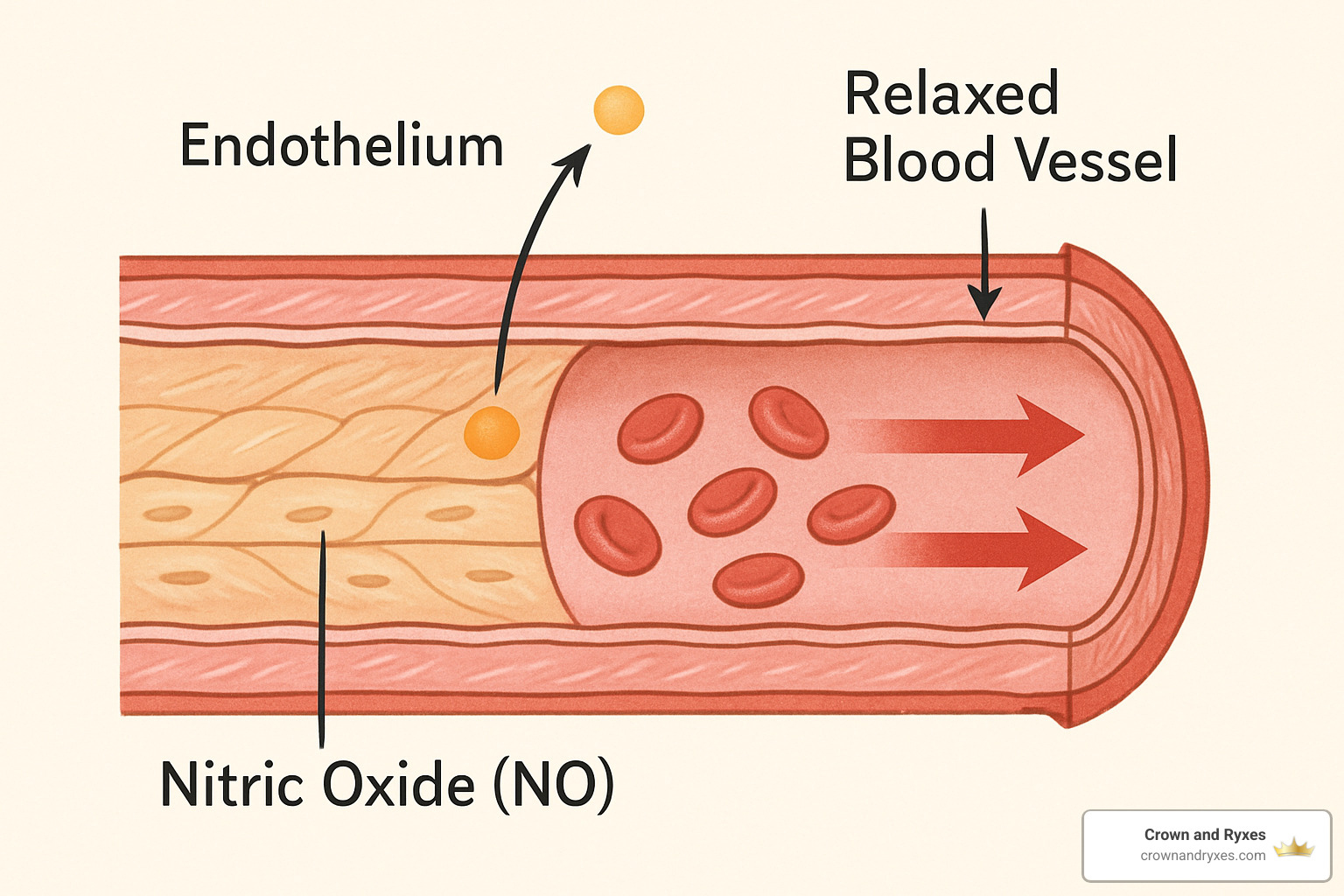
At the heart of every healthy erection is a tiny molecule called nitric oxide (NO). Think of it as the body’s natural “relaxation signal” for blood vessels. When released, it tells the vessels in your penis to open up, allowing blood to flow in and create an erection.
“Nitric oxide is the body’s natural vasodilator—it’s essential for erectile function,” explains Dr. Onder Canguven, who has studied vitamin D’s effects on erectile function. “When NO production is compromised, erectile dysfunction often follows.”
Many vitamins that help with erectile dysfunction work by either boosting your body’s nitric oxide production or protecting it from breaking down too quickly.
Endothelial Dysfunction: The Common Denominator
The inner lining of your blood vessels—called the endothelium—is where nitric oxide is made. When this delicate lining becomes damaged, your NO production takes a hit. This damage, known as endothelial dysfunction, connects ED to other health conditions like heart disease, diabetes, high blood pressure, and high cholesterol.
Here’s something that might surprise you: over half of men with heart disease also experience ED, and the erectile problems often show up years before any chest pain. That’s why doctors sometimes call ED “the canary in the coal mine” for heart health.
The Vitamin Deficiency Connection
This is where vitamins enter the picture. Certain vitamins serve as key supporters for the processes needed for healthy erections. They protect your blood vessel linings from damage, help produce nitric oxide, support testosterone production, reduce harmful inflammation, and neutralize homocysteine—an amino acid that can damage blood vessels when levels get too high.
Research is showing just how important these nutrients can be. A 2016 study of 92 men with type 2 diabetes found that those with vitamin D deficiency had significantly more severe erectile dysfunction. Similar connections have been found with deficiencies in folate, B12, and other vitamins.
“What’s fascinating is that we’re finding these micronutrient deficiencies may be silent contributors to erectile difficulties,” notes Dr. Ahmad Al Malki, who co-authored research on vitamin D and male erectile function. “Correcting these deficiencies offers a complementary approach to conventional ED treatments.”
Oxidative stress—essentially, damage from unstable molecules in your body—is another key factor that vitamins help address. When free radicals attack the endothelium, they reduce nitric oxide production. Antioxidant vitamins like C and E help neutralize these free radicals, potentially preserving erectile function.
Understanding these connections helps explain why certain vitamins that help with erectile dysfunction might be worth considering alongside other approaches to sexual health.
Top 6 Vitamins That Help with Erectile Dysfunction
Let’s face it, guys – when it comes to bedroom performance, we all want natural solutions that actually work. While no vitamin is a magic bullet for ED, science has uncovered some promising nutrients that might help, especially if you’re deficient in them. I’ve researched the six vitamins that help with erectile dysfunction that have the strongest scientific backing.
Vitamin D – Flagship nutrient among vitamins that help with erectile dysfunction
The sunshine vitamin stands tall as perhaps the most promising ED-fighting nutrient. More hormone than vitamin, your body produces vitamin D when sunlight hits your skin – but many men are seriously lacking.
Vitamin D works on multiple fronts to support your sexual health. It maintains the health of blood vessel linings (including those in your penis), boosts testosterone production, activates the enzyme that produces nitric oxide for better blood flow, and fights inflammation that can damage blood vessels.
This isn’t just theory – a large study of 3,390 men found that vitamin D deficiency significantly increased ED risk, even after accounting for other factors. Men with healthy vitamin D levels (above 30 ng/mL) had the lowest ED rates.
“Our computer modeling shows fascinating cross-talk between vitamin D and androgen signaling that may directly impact erectile function,” explains Dr. Canguven, who studies vitamin D’s effects on sexual health.
While the official recommendation is 600-800 IU daily, many experts suggest higher amounts (1,000-5,000 IU) for men with deficiencies. You’ll find vitamin D in fatty fish, egg yolks, and fortified foods, but many men need supplements, especially during winter.
A comprehensive 2020 study published in the Journal of Sexual Medicine found strong correlations between vitamin D deficiency and erectile dysfunction severity, suggesting that addressing this deficiency could be an important part of ED treatment.
Folate (Vitamin B9) – Homocysteine-lowering ally
Folate plays a crucial but often overlooked role in erectile function by regulating homocysteine – an amino acid that damages blood vessels and impairs nitric oxide when levels get too high.
By converting homocysteine to methionine, folate helps protect your blood vessel linings. It’s also essential for producing tetrahydrobiopterin, a cofactor your body needs to make nitric oxide – the molecule that relaxes blood vessels for erections.
Research backs this up – a 2020 study found that folic acid supplements improved ED severity in men with folate deficiency. Scientists noted that lacking this B vitamin is actually an independent risk factor for erectile problems.
Most men need about 400 mcg daily, though studies on ED have used 400-800 mcg. Load up your plate with dark leafy greens, lentils, asparagus, avocados, and fortified grains to boost your intake naturally.
Vitamin B3 (Niacin) – Cholesterol & blood-flow booster, another of the vitamins that help with erectile dysfunction
If you have high cholesterol and ED, niacin deserves your attention. This B vitamin has been improving cholesterol profiles for decades, and research shows it might help your erections too.
Niacin raises your “good” HDL cholesterol while lowering “bad” LDL cholesterol and triglycerides – a triple win for vascular health. It also causes blood vessels to dilate (that’s the “flush” some people feel) and fights inflammation.
A groundbreaking study in the Journal of Sexual Medicine put niacin to the test with 160 men who had both ED and high cholesterol. After 12 weeks, men taking niacin showed significant improvements in erectile function compared to those on placebo – with the biggest benefits for guys with moderate to severe ED.
While you need just 16 mg daily for basic health, therapeutic doses for cholesterol and potentially ED are much higher (1,500-3,000 mg) and should only be taken with medical supervision. Good food sources include meat (especially liver), fish, poultry, peanuts, and mushrooms.

Vitamin C – Antioxidant for better circulation
This familiar immune-booster is also a powerful ally for your sexual health. As a potent antioxidant, vitamin C neutralizes the reactive oxygen species that can damage blood vessels and impair nitric oxide function.
By fighting oxidative stress, vitamin C helps preserve nitric oxide availability – crucial for getting and maintaining erections. It also supports collagen production (maintaining blood vessel structure) and may help maintain testosterone levels during stressful periods.
While direct studies on vitamin C and ED are limited, its fundamental role in vascular health makes perfect sense as a supportive nutrient. Most men need at least 90 mg daily, though many experts recommend 500-1,000 mg for optimal health. Citrus fruits, berries, bell peppers, broccoli, kiwi, and tomatoes are all excellent sources.
Vitamin E – Cell-membrane protector
Think of vitamin E as your blood vessels’ bodyguard. This fat-soluble antioxidant protects cell membranes from oxidative damage, including those in the blood vessels essential for erections.
By preventing lipid peroxidation (oxidative damage to fatty components of cell membranes), vitamin E helps maintain endothelial function and reduces inflammation. While research specifically on vitamin E for ED is limited, one interesting small study found that combining vitamin E with Korean red ginseng improved erectile function more than either supplement alone.
Most men need about 15 mg (22.4 IU) daily. Higher doses should be approached cautiously – some research suggests potential risks with long-term high-dose supplementation. Nuts (especially almonds), seeds, vegetable oils, spinach, and avocados will boost your levels naturally.
Vitamin B12 – Nerve & sperm health guardian
Last but certainly not least, vitamin B12 is essential for proper nerve function – including the nerves involved in erections. It maintains the myelin sheath that insulates nerves, helping them transmit signals efficiently.
Like folate, B12 helps regulate homocysteine levels, protecting your blood vessels from damage. It also plays key roles in energy metabolism (supporting sexual stamina) and pathways that influence nitric oxide production.
Research has found that plasma homocysteine and vitamin B12 levels correlate with erectile dysfunction risk, particularly in men under 45. The connection is clear – healthy nerves and blood vessels need adequate B12.
Most men need 2.4 mcg daily, but absorption decreases with age and with certain medications like metformin and acid reducers. You’ll find B12 primarily in animal products (meat, fish, dairy, eggs), fortified plant foods, and nutritional yeast. Some men, especially older guys or those on certain medications, may benefit from sublingual or injectable forms due to absorption issues.
“Vitamin B12 is particularly important for older men,” explains one nutritionist specializing in men’s health. “Absorption problems are common, so some men need special forms to get enough.”
Other Evidence-Based Supplements & Herbs Worth Considering
Beyond vitamins that help with erectile dysfunction, several other natural supplements have shown real promise for supporting erectile health. Let’s explore some options with solid scientific backing that might complement your vitamin regimen.
L-arginine: The Nitric Oxide Precursor
If you’re looking for something that directly supports blood flow, L-arginine deserves your attention. This amino acid serves as the body’s direct building block for nitric oxide – the molecule that relaxes blood vessels and enables erections.
A comprehensive 2019 meta-analysis in the Journal of Sexual Medicine found that taking 1,500-5,000 mg of L-arginine daily led to significant improvements for men with mild to moderate ED. What’s even more interesting is that when researchers combined L-arginine with tadalafil (Cialis) in men over 60, they saw better results than with the medication alone.
“L-arginine provides the raw material the body needs to produce nitric oxide,” one researcher explains. “For men who don’t get enough from their diet, supplementation can make a real difference in blood flow.”
Most people take between 1,500-5,000 mg daily, though you might experience some digestive discomfort as a side effect. One important caution: never combine L-arginine with ED medications like Viagra without talking to your doctor first, as this combination could cause dangerous drops in blood pressure.
Korean Red Ginseng: The Adaptogenic Approach
Sometimes playfully called “herbal Viagra,” Korean red ginseng has centuries of traditional use behind it – and now modern science is catching up. This adaptogenic herb seems to work through multiple pathways to support erectile function.
A 2018 meta-analysis showed that men taking red ginseng supplements experienced significant improvements in their International Index of Erectile Function (IIEF) scores compared to those taking placebo. The benefits appear to come from ginseng’s ability to increase nitric oxide production, reduce oxidative stress in penile tissue, and potentially influence testosterone pathways.
Most studies used 1,000-3,000 mg daily, divided into several doses. Quality really matters with ginseng – look for supplements that specify their ginsenoside content, as these are the active compounds. Some men experience insomnia, headaches, or digestive issues when taking ginseng, and it may interact with blood thinners, diabetes medications, and stimulants.
L-carnitine: Support for Nerve Recovery
L-carnitine shows particular promise for specific types of erectile dysfunction, especially those related to diabetes or recovery from prostate surgery. This amino acid derivative plays a key role in energy metabolism and appears to support both blood vessel and nerve health.
Research suggests L-carnitine may improve endothelial function, support nerve recovery after injury, and even improve the effectiveness of ED medications. A 2022 study with rats found that L-carnitine helped regenerate cavernous nerves after injury – particularly relevant for men experiencing ED after prostate procedures.
Human studies have shown that combining propionyl-L-carnitine with sildenafil (Viagra) improved erectile function more than the medication alone in certain groups of men. Most research used 2-3 grams daily of propionyl-L-carnitine or acetyl-L-carnitine, with generally mild side effects like occasional nausea.
Tribulus Terrestris: The Testosterone Supporter
Tribulus terrestris has deep roots in both traditional Indian and Chinese medicine for male sexual wellness. This spiky plant produces fruits and seeds that contain compounds called saponins, which may support hormonal balance.
A 2017 randomized controlled trial found that men taking 1,500 mg of Tribulus daily for 12 weeks experienced significant improvements in erectile function when they had mild to moderate ED. While scientific evidence remains somewhat mixed, Tribulus appears most effective for older men with partial androgen deficiency.
It may work by modestly increasing testosterone in some people, enhancing nitric oxide release, and supporting libido through effects on the central nervous system. Most studies used 750-1,500 mg daily, standardized to contain 30-45% steroidal saponins. Side effects are relatively uncommon but may include stomach discomfort or sleep disturbances.

When considering any supplement – whether vitamins that help with erectile dysfunction or herbal options – remember that quality matters tremendously. Look for reputable brands that test their products for purity and potency, and always discuss new supplements with your healthcare provider, especially if you take other medications.
Safe Use, Lifestyle Upgrades & When to Seek Help
While vitamins that help with erectile dysfunction can be valuable tools in your sexual health toolkit, they work best when used safely and as part of a holistic approach. Let’s talk about how to get the most benefit while keeping yourself safe.
Safe Supplementation Practices
Know Your Upper Limits
Even good things can become problematic in excess. When it comes to vitamins, more isn’t always better. Your body has limits on what it can safely process:
Vitamin D is generally safe up to 4,000 IU daily without doctor supervision. Beyond that, you risk calcium buildup in your blood, which can damage your heart and kidneys.
Regular niacin (B3) can cause uncomfortable flushing at doses above 35 mg. Higher therapeutic doses should be monitored by a healthcare provider to protect your liver.
Vitamin E has an upper limit of 1,000 mg daily because higher doses may thin your blood too much, increasing bleeding risk—especially concerning if you’re taking aspirin or other blood thinners.
“Vitamins are not a ‘more is better’ situation,” Dr. Casavant often reminds his patients. “Think of it as finding the sweet spot—enough to correct deficiencies without risking toxicity.”
Watch for Interactions
Many men don’t realize that natural supplements can interact with medications, sometimes dangerously:
Taking niacin alongside ED medications like Viagra or Cialis could cause your blood pressure to drop too low, potentially leading to dizziness or fainting. Similarly, combining L-arginine with these medications creates the same risk.
If you’re on blood thinners, be cautious with vitamin E and ginseng, as both can improve the blood-thinning effect.
Ginseng combined with stimulants (even coffee) might leave you jittery or with liftd blood pressure.
This is why it’s crucial to keep your doctor informed about every supplement you take—even the “natural” ones.
Quality Matters
Not all supplements are created equal. The FDA doesn’t regulate supplements as strictly as medications, which means quality varies dramatically between brands.
Look for products tested by third-party organizations like NSF, USP, or ConsumerLab. These independent testers verify that what’s on the label is actually in the bottle.
Be wary of supplements with “proprietary blends” that don’t disclose exact amounts of ingredients. This lack of transparency makes it impossible to know what you’re taking.
Perhaps most concerning: “The FDA has identified hundreds of products marketed for erectile dysfunction that secretly contain prescription drugs,” warns one researcher. “Some contain actual ED medications like sildenafil or similar compounds, which can be dangerous when taken unknowingly, especially for men with heart conditions.”
Lifestyle Foundations for Better Erectile Function
Supplements work best when they’re built upon healthy daily habits. Think of these lifestyle changes as the foundation and vitamins as the finishing touches.
The Mediterranean Diet Connection
Your diet might be the most powerful tool for improving erectile function. A landmark study found that men with ED who adopted a Mediterranean diet experienced significant improvements without any medication.
This eating pattern naturally delivers all the vitamins that help with erectile dysfunction in their whole-food form, plus additional beneficial compounds that work synergistically. The Mediterranean diet emphasizes:
Colorful fruits and vegetables packed with vitamins C, E, and folate; olive oil with healthy fats that support hormone production; fatty fish rich in vitamin D and omega-3s; nuts and seeds loaded with vitamin E, zinc, and L-arginine; and moderate red wine containing resveratrol that supports blood vessel health.
Just as important is what this diet limits: red meat and processed foods that can promote inflammation and harm blood vessels.
“The Mediterranean diet provides all the essential nutrients for erectile function in their natural food matrix, where they’re often better absorbed and used,” explains one nutritionist I work with. “Plus, it’s delicious, which means you’ll actually stick with it.”
Exercise: The Natural PDE5 Inhibitor
If I could prescribe just one thing for erectile health, it might be regular physical activity. Exercise improves erectile function through multiple pathways:
It improves the function of your endothelium—the critical inner lining of blood vessels that produces nitric oxide. It naturally boosts testosterone levels while reducing stress hormones. It helps maintain a healthy weight, which prevents many ED risk factors from developing in the first place.
A 2018 meta-analysis found that moderate to vigorous aerobic exercise for 40 minutes, 4 times weekly for 6 months significantly improved erectile function. That’s about the same benefit many men get from medication—but with added health benefits and no side effects.
Stress Management: The Mind-Penis Connection
Many men don’t realize just how powerfully mental state affects erectile function. Chronic stress raises cortisol, which is like kryptonite for erections—it reduces testosterone, constricts blood vessels, increases inflammation, and triggers performance anxiety.
Finding effective ways to manage stress can create dramatic improvements in sexual function. Mindfulness meditation, deep breathing exercises, and ensuring 7-8 hours of quality sleep each night all help lower cortisol levels.
“The mind-body connection in erectile function is powerful,” notes one sexual health therapist. “I’ve seen men make remarkable improvements just by addressing psychological stress, even when the original cause seemed purely physical.”

When to Seek Professional Help
While vitamins that help with erectile dysfunction may provide benefits, they’re not substitutes for proper medical care. Some situations warrant prompt professional attention:
If your ED appeared suddenly or severely, it could signal an underlying health condition that needs attention. Similarly, if ED occurs alongside other symptoms like chest pain, severe fatigue, or unexplained weight loss, don’t wait to see a doctor.
Men taking medications known to cause ED (certain blood pressure drugs, antidepressants, or antihistamines) should consult their physician about possible alternatives rather than just supplementing.
Those with chronic conditions like diabetes, heart disease, or hypertension need comprehensive management that goes beyond supplements.
If you’ve tried self-help measures for 2-3 months without improvement, it’s time for professional evaluation.
At Crown and Ryxes, our sexual wellness specialists in Clermont and Lady Lake, FL, provide comprehensive evaluations to identify the root causes of erectile dysfunction and develop personalized treatment plans that may include appropriate supplementation alongside other effective therapies.
Frequently Asked Questions about Vitamin Supplementation for ED
How do I know if I have a vitamin deficiency contributing to ED?
If you’re wondering whether vitamin deficiencies might be playing a role in your erectile difficulties, the only reliable way to find out is through proper testing. This isn’t something you can accurately determine through symptoms alone.
For vitamin D, which is arguably the most important among vitamins that help with erectile dysfunction, a simple blood test measuring your 25-hydroxyvitamin D levels will tell you where you stand. Most experts consider 30-50 ng/mL to be the optimal range.
“Many men are surprised to learn they have significant vitamin D deficiency despite living in sunny climates,” says Dr. Casavant. “Factors like indoor work, sunscreen use, and aging skin can all reduce natural vitamin D production.”
For B vitamins, your doctor can order tests for B12, folate, and homocysteine levels. High homocysteine often indicates B-vitamin deficiencies and is directly linked to vascular problems that can affect erectile function.
Some specialty clinics also offer comprehensive nutritional assessments that examine a broader spectrum of vitamins, minerals, and other nutrients. These can be particularly helpful if you suspect multiple deficiencies.
Can vitamins replace prescription ED medications?
Let’s be straightforward here: for most men with moderate to severe erectile dysfunction, vitamins that help with erectile dysfunction work best as complementary approaches rather than replacements for proven medications like Viagra or Cialis.
However, if your ED is mild or you’re primarily focused on prevention, addressing nutritional deficiencies might sometimes be sufficient on its own. This is especially true if a specific vitamin deficiency is a major contributing factor to your ED.
The most effective approach typically combines multiple strategies:
First, identifying and treating underlying causes, including nutritional deficiencies. Second, making targeted lifestyle modifications like improving diet and exercise habits. Third, using prescription medications when appropriate. And finally, considering specialized treatments if these approaches don’t provide sufficient relief.
Think of vitamins as strengthening your foundation rather than replacing your roof. They address underlying factors that contribute to erectile health but work differently than medications that directly facilitate erections.
How long does it take to see results from vitamin supplementation?
Patience is key when using vitamins that help with erectile dysfunction. Unlike ED medications that work within hours, vitamins address underlying imbalances that take time to correct.
With vitamin D, you’re typically looking at 3-6 months to restore optimal levels and potentially see benefits for erectile function. The timeline depends on how severe your deficiency is and how well your body absorbs the supplement.
B vitamins like folate and B12 generally take 1-3 months to exert their full metabolic effects and reduce homocysteine levels that can damage blood vessels.
Antioxidants such as vitamins C and E also typically require 1-3 months of consistent use to reduce oxidative stress and support endothelial health.
“The nutritional approach isn’t about quick fixes,” explains one researcher I interviewed. “It’s about correcting fundamental imbalances that affect your vascular system. That process simply takes time, but the benefits often extend far beyond just erectile function.”
Are there any men who should avoid certain vitamin supplements?
Yes, while vitamins that help with erectile dysfunction are generally safe, certain groups need to exercise caution:
Men taking blood thinners should be careful with high-dose vitamin E, ginseng, and some other supplements that may increase bleeding risk. If you’re on warfarin, aspirin therapy, or other anticoagulants, always check with your doctor before starting any supplement.
Men with hemochromatosis (iron overload disorder) should avoid iron-containing supplements and be cautious with vitamin C, which improves iron absorption.
If you have a history of kidney stones, you’ll want to be careful with vitamin D and calcium supplements, as these might increase stone formation in susceptible individuals.
Men undergoing cancer treatment should always consult their oncologists before taking any supplements, especially antioxidants, which might interfere with certain treatments.
And if you’re taking multiple medications for conditions like high blood pressure, diabetes, or heart disease, have all supplements reviewed for potential interactions. Even beneficial vitamins can sometimes affect how medications work in your body.
What’s the difference between food sources and supplements?
While supplements can effectively correct deficiencies, getting your vitamins that help with erectile dysfunction from whole foods whenever possible offers several distinct advantages.
Nutrients in foods are typically better absorbed because they come packaged with their natural co-factors – compounds that help your body use them efficiently. For instance, the fat in fatty fish helps you absorb the vitamin D it contains.
Foods also provide balanced ratios of nutrients that work together synergistically. This natural balance is something supplements often can’t replicate.
Whole foods contain thousands of beneficial compounds beyond just vitamins – phytonutrients, fiber, and other elements that support overall health and may benefit erectile function through mechanisms we’re still finding.
And perhaps most importantly, it’s virtually impossible to overdose on vitamins from food sources alone, making them inherently safer than supplements.
“The synergy of compounds in whole foods often provides benefits beyond what we can replicate in pill form,” notes one nutritionist I consulted. “That said, supplements have their place, especially when addressing specific deficiencies or when dietary changes alone aren’t sufficient.”
At Crown and Ryxes, we believe in a comprehensive approach to sexual wellness that includes proper nutrition, targeted supplementation when needed, and medical treatments custom to your specific situation.
Conclusion
The journey through vitamins that help with erectile dysfunction reveals an exciting intersection where nutritional science meets sexual wellness. While no vitamin pill promises an instant fix for ED, growing evidence confirms that these nutrients play crucial supporting roles in the complex biological symphony that creates healthy erections.
If you’re experiencing erectile difficulties, here’s a thoughtful path forward that many of my patients have found helpful:
Start by working with a healthcare provider to identify potential nutritional gaps. Blood tests can reveal deficiencies in vitamin D, B vitamins, and other key nutrients that might be affecting your sexual health. You can’t fix what you don’t measure!
Once you know where you stand nutritionally, focus first on getting these nutrients through whole foods. A Mediterranean-style diet naturally delivers many of the vitamins that help with erectile dysfunction in their most bioavailable forms, along with other beneficial compounds that supplements simply can’t provide.
Make those broader lifestyle upgrades we discussed—regular exercise, stress management, quality sleep—that support both sexual function and overall health. These changes create a foundation where nutritional interventions can truly shine.
At Crown and Ryxes, we believe sexual wellness isn’t just about treating symptoms—it’s about optimizing your whole-body health. Our specialists in Clermont and Lady Lake, Florida, take time to understand your unique situation and create personalized plans that might include nutritional optimization alongside other evidence-based approaches.
I’ve often told my patients that erectile function serves as a kind of “check engine light” for men’s overall health. The same nutrients and habits that support better erections also protect your heart, brain, and entire vascular system. By addressing these fundamental aspects of health, you’re investing not just in your sexual wellness, but in a longer, more vibrant life.
Your sexual health journey deserves personalized attention and care. To learn more about our comprehensive approaches to sexual wellness or to schedule a consultation, contact Crown and Ryxes today. We’re here to help you understand your body’s unique needs—including the vital nutrients that support its most intimate functions.
Improving your erectile health is a journey, not a sprint. With patience, the right information, and proper support, you can experience meaningful improvements in both your sexual wellness and overall quality of life.