

Why Understanding Bioidentical Hormones Matters for Your Health
What are bioidentical hormones? Bioidentical hormones are laboratory-made hormones that are chemically identical to the hormones your body naturally produces. Unlike synthetic hormones, these are derived from plant compounds and modified to match your body’s own estrogen, progesterone, and testosterone.
Quick Answer:
- Source: Made from plant compounds (soy, wild yams) in laboratories
- Structure: Chemically identical to human hormones
- Types: Estrogen, progesterone, testosterone, and others
- Forms: Pills, creams, gels, patches, injections, pellets
- Regulation: Some FDA-approved, others custom-compounded without regulation
The term “bioidentical” has become a popular buzzword in hormone therapy, but it’s important to understand what it really means. According to medical research, approximately 1 to 2.5 million women in the U.S. over age 40 are using compounded bioidentical hormones, yet many don’t fully understand the difference between FDA-approved and custom-compounded versions.
The reality is simple: bioidentical doesn’t automatically mean safer or more effective than conventional hormone therapy. Major medical organizations like the FDA and American College of Obstetricians and Gynecologists state there’s no evidence that bioidentical hormones are superior to traditional hormone replacement therapy.
This confusion often stems from marketing claims that position these hormones as “natural” alternatives. However, all bioidentical hormones undergo chemical processing in laboratories – they’re not extracted directly from plants and used as-is.
As Dr. Matthew Casavant, a board-certified physician with over 20 years of experience in women’s healthcare and hormone therapy, I’ve seen how patients seeking answers to what are bioidentical hormones often receive conflicting information. My extensive training in advanced medical procedures and commitment to evidence-based care helps patients steer these complex treatment options safely and effectively.
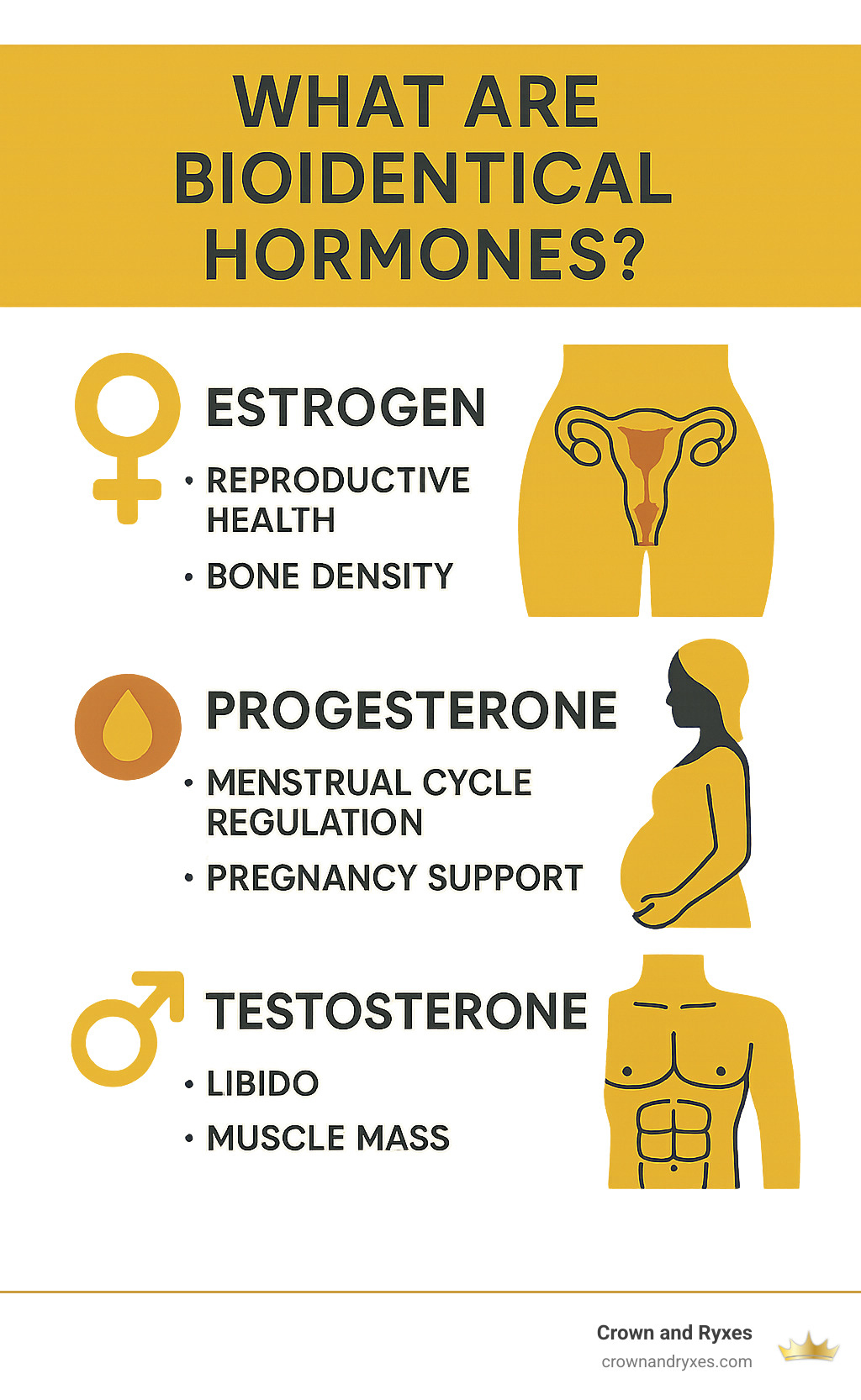
What are bioidentical hormones? definitions:
So, What are Bioidentical Hormones and How Are They Made?
Let’s start with the basics: what are bioidentical hormones? To understand this, we first need to talk about hormones themselves. Think of hormones as your body’s personal messaging system – they’re chemical messengers that travel through your bloodstream, telling different parts of your body what to do and when to do it.
Your endocrine glands (like your ovaries, testes, and thyroid) produce these powerful little molecules that control everything from your mood and energy levels to your sleep patterns and sex drive. When these messengers get out of whack, it can feel like your body’s communication system has gone completely haywire.
Now, here’s where bioidentical hormones come into the picture. What are bioidentical hormones? Simply put, they’re lab-made hormones that are chemically identical to the ones your body naturally produces. We’re talking about an exact molecular match – same structure, same function as your endogenous hormones like estrogen, progesterone, and testosterone.
But here’s the fascinating part: these hormones don’t just magically appear. They start their journey as plant-derived compounds from sources like soy and wild yams. These plants contain special compounds called diosgenin and other precursors that serve as the raw materials.

However – and this is important – you can’t just eat a bunch of sweet potatoes and expect to balance your hormones! The plant compounds need to go through sophisticated laboratory synthesis to transform them into something your body can actually use. Through complex chemical processes, scientists break down and rebuild the molecular structure until it perfectly matches what your body would naturally produce.
If you’re curious about how these hormones might help you, you can learn More info about our hormone therapy services.
The “Natural” Misconception
Here’s where things get a bit tricky. The term “bioidentical” is often thrown around as a marketing term, and it frequently gets confused with “natural.” Many people think “natural” vs. “bioidentical” means the same thing, but that’s not quite right.
The truth is, all bioidentical hormones undergo significant chemical processing in laboratories. They’re man-made hormones, even though they start from plant sources. The term “bioidentical” was actually created by the lay media, not by scientists, which has led to some confusion about what it really means.
What makes more sense is thinking of them as “body-identical” – meaning they’re chemically identical to what your body produces, regardless of how they’re made. Scientific research on bioidentical hormone therapy shows that the plant origin doesn’t automatically make them safer or more effective than other hormone therapies.
How Are Bioidentical Hormones Administered?
Once these hormones are created, there are several ways to get them into your system. The method you choose depends on your specific needs, preferences, and what your healthcare provider recommends.
You might use creams or gels that you apply directly to your skin, allowing the hormones to absorb into your bloodstream. Patches work similarly but provide a steady, continuous release throughout the day. Some people prefer pills that you swallow, though these have to go through your liver first, which can affect how well they work.
For longer-lasting effects, injections deliver hormones directly into your muscle or fat tissue. Pellets are tiny implants placed under your skin that slowly release hormones over several months. If you’re dealing with specific symptoms like vaginal dryness, vaginal inserts or suppositories can provide targeted relief right where you need it.
The key is working with your healthcare provider to find the method that fits your lifestyle and gives you the best results for your unique situation.
Bioidentical vs. Conventional Hormone Therapy
For decades, conventional Hormone Replacement Therapy (HRT) has been the go-to solution for managing hormone imbalances, especially during menopause. Traditional HRT typically relies on synthetic hormones or those derived from animal sources. You’ve probably heard of conjugated equine estrogens (like Premarin, which comes from pregnant horse urine) and various progestins – these are the workhorses of conventional therapy.
Here’s where things get interesting: the main difference between conventional and bioidentical hormones comes down to their molecular structure. While conventional hormones are designed to interact with our body’s hormone receptors and get the job done, they’re not always an exact molecular match to what our bodies naturally produce.
Think of it like trying different keys in a lock. A conventional hormone might be like a master key that can open many locks and work pretty well. But a bioidentical hormone? That’s the exact key designed for that specific lock. This precise fit is what supporters of bioidentical hormones believe leads to fewer side effects and better harmony with your body’s natural processes.
But here’s something that might surprise you: many commonly prescribed and FDA-approved forms of estrogen and progesterone are already bioidentical. Micronized estradiol and micronized progesterone, for example, are bioidentical hormones that doctors have been prescribing for years as part of conventional HRT.
This creates some confusion. Many patients think “bioidentical” automatically means something completely new or different from traditional therapies. The reality is more nuanced than that. The official position of The North American Menopause Society emphasizes the importance of evidence-based approaches to hormone therapy, regardless of whether they’re labeled “bioidentical” or “conventional.”
Are Bioidentical Hormones Safer or More Effective?
This is the million-dollar question, and honestly, it’s not as simple as we’d all like it to be. The belief that bioidentical hormones are automatically safer or more effective than traditional hormone therapy is widespread – and it’s often fueled by compelling marketing claims and personal success stories.
But here’s what the science actually tells us: major medical organizations have consistently stated that there’s little to no good evidence that compounded bioidentical hormones are safer or more effective than FDA-approved hormone therapy. In fact, many FDA-approved products already contain bioidentical hormones.
The Women’s Health Initiative (WHI) study in 2002 was a game-changer that significantly impacted how we think about HRT. It highlighted increased risks of breast cancer, blood clots, stroke, and heart disease with long-term use of combined HRT. This study sent many people searching for “safer” alternatives, and bioidentical hormones stepped into that space with promises of being more natural and safer.
While proponents of bioidentical hormone therapy claim reduced risks, there’s a catch: there are no large-scale, well-controlled clinical trials to back up these safety claims for compounded products. The potential risks we associate with hormone therapy – including blood clots, stroke, and cancer risk (breast, uterine, ovarian) – remain concerns regardless of whether the hormone is bioidentical or synthetic.
Here’s something else to consider: some studies show that dosages in bioidentical hormone therapy can be ten times higher than comparable HRT regimens. Higher doses can potentially mean higher risks, which contradicts the safety claims often made about these treatments.
The bottom line? The effectiveness and safety of any hormone therapy – whether it’s asking what are bioidentical hormones or exploring conventional options – depends on your individual factors, proper diagnosis, careful dosing, and ongoing monitoring. We believe in individualized treatment, but one that’s firmly rooted in scientific evidence and regulatory oversight.
A Tale of Two Therapies: FDA-Approved vs. Custom-Compounded BHRT
Understanding what are bioidentical hormones becomes crucial when you realize they fall into two distinct categories with vastly different levels of oversight. The primary distinction revolves around regulation, quality control, safety testing, efficacy testing, and dosing consistency.

FDA-Approved Bioidentical Hormones
Many bioidentical hormones are FDA-approved and available from a regular pharmacy. These products have passed the same rigorous testing as any other prescription medication. This process guarantees several critical factors:
- Standardized Doses: Each product contains the exact amount of hormone stated on the label.
- Purity and Potency: Strict standards ensure the product is free from contaminants and delivers the correct therapeutic dose.
- Informed Consent: Comprehensive package inserts detail known risks, side effects, and usage guidelines, allowing you and your provider to make informed decisions.
Common FDA-approved bioidentical hormones include various forms of estradiol (like Estrace pills, Climara patches, and EstroGel) and progesterone (such as Prometrium). These have been used safely and effectively by millions.
Custom-Compounded Bioidentical Hormones (cBHT)
Custom-compounded bioidentical hormones (cBHT) are mixed by compounding pharmacies for individual prescriptions. While the idea of a personalized blend is appealing, these products are NOT approved or regulated by the FDA. This lack of oversight means they bypass the rigorous safety and efficacy testing required for approved drugs, creating several concerns:
- Unreliable Dosing: Many practitioners use saliva testing to create custom doses, a method that major medical organizations consider unreliable for reflecting the body’s actual hormone needs.
- Quality Control Issues: Without regulation, quality is inconsistent. An FDA study found that many compounded products failed basic quality and potency tests, with some containing anywhere from 67.5% to 268.4% of the labeled hormone amount. This means you could be getting an ineffective dose or a dangerously high one.
| Feature | FDA-Approved BHRT | Custom-Compounded BHRT |
|---|---|---|
| Regulatory Oversight | Full FDA approval required | No regulatory approval |
| Safety Testing | Extensive clinical trials | Limited or no testing |
| Dose Consistency | Guaranteed standardization | Significant variations possible |
| Quality Control | Strict manufacturing standards | Inconsistent quality |
| Risk Information | Comprehensive package inserts | Often limited safety data |
| Insurance Coverage | Typically covered | Usually out-of-pocket |
The bottom line? While personalized therapy is appealing, the lack of regulation with compounded products raises serious safety concerns. FDA-approved bioidentical hormones offer the benefits of a bioidentical structure with the peace of mind that comes from rigorous testing and oversight.
Uses, Benefits, and Potential Risks of BHRT
Bioidentical hormone replacement therapy (BHRT) aims to alleviate symptoms caused by hormonal decline, improving quality of life. The best practice for any hormone therapy is to use the lowest effective dose for the shortest duration necessary.

What are bioidentical hormones used for?
BHRT is primarily sought to address uncomfortable symptoms of hormonal changes that occur with aging or certain medical conditions.
For women, BHRT is mainly used to manage symptoms of menopause and perimenopause. These include notorious hot flashes and night sweats, vaginal dryness, painful intercourse, and sleep problems leading to fatigue. Many also experience challenging emotional and cognitive symptoms like mood swings, irritability, memory loss, and brain fog, along with weight gain and decreased interest in sex.
For men, BHRT addresses andropause (or “male menopause”) and low testosterone. Common symptoms include low libido, erectile dysfunction, fatigue, mood changes like irritability, loss of muscle mass, and increased body fat. Our REGENmax treatment can also help with ED, and you can learn more about whether testosterone treatment helps ED. We also offer comprehensive solutions for men’s hormonal health, including specialized Low T Therapy services.
Potential Risks and Side Effects
While BHRT offers relief, it’s crucial to weigh the potential risks. Serious risks associated with any hormone therapy include blood clots, stroke, heart disease, gallbladder disease, and an increased risk of certain cancers (breast cancer with combined therapy and uterine cancer with unopposed estrogen).
During the initial adjustment period, some people may experience temporary side effects like weight gain or bloating, fatigue, headaches, breast tenderness, mood swings, or acne. It’s essential to discuss these potential risks and side effects thoroughly with your healthcare provider. We offer personalized consultations and you can find more information about BHRT in Clermont.
What are the controversies surrounding compounded bioidentical hormones?
The controversies primarily revolve around the lack of regulation and scientific evidence for custom-compounded bioidentical hormones (cBHT). Key points of contention include:
- Unreliable Saliva Testing: Many practitioners use saliva tests to determine dosing, but mainstream medical organizations argue these tests are inaccurate and don’t reliably reflect hormone levels in the blood.
- Quality Control Issues: Without oversight, compounded products can have significant potency variations. This means patients may be underdosed (ineffective treatment) or overdosed (increased risk).
- Unsupported Safety Claims: Proponents often market cBHT as safer, but these claims lack backing from large-scale clinical trials, the gold standard of medical research.
- Lack of Long-Term Data: There is a significant absence of data on the long-term effects of cBHT.
Reflecting these concerns, major medical organizations like the American College of Obstetricians and Gynecologists (ACOG), The Endocrine Society, and The North American Menopause Society advise against the routine use of compounded bioidentical hormones. They cite the lack of FDA approval, inconsistent quality, and insufficient evidence of safety and efficacy. You can review ACOG’s official stance on compounded hormones.
Conclusion: Making an Informed Decision
After diving deep into hormone therapy, you might feel like you’ve been on quite a journey. And honestly, that’s exactly what we hoped for. Understanding what are bioidentical hormones isn’t just about memorizing definitions – it’s about empowering yourself to make the best decisions for your health and well-being.
Think of this as your roadmap for moving forward. The hormone therapy landscape can feel overwhelming, especially when marketing claims and medical facts seem to contradict each other. But now you have the tools to steer it confidently.
The structure tells the story, not the source. When someone asks what are bioidentical hormones, it’s all about that perfect molecular match to your body’s own hormones. Yes, they start from plants like soy and wild yams, but they’re always transformed in sophisticated laboratories. The “natural” label, while appealing, doesn’t automatically mean safer or better.
Regulation makes all the difference. This might be the most important takeaway from our discussion. FDA-approved bioidentical hormones have undergone rigorous testing – think of them as having passed multiple safety inspections before reaching your medicine cabinet. Custom-compounded versions, while personalized, lack this crucial oversight. It’s like the difference between buying a car that’s been crash-tested versus one that hasn’t.
The evidence speaks volumes, even when the marketing doesn’t. Major medical organizations aren’t being overly cautious for no reason. They’re looking at the same research we’ve discussed – the potency variations, the quality control issues, the lack of large-scale safety studies. FDA-approved bioidentical hormones (and yes, many conventional hormones are already bioidentical) have the scientific backing that custom-compounded versions simply don’t possess yet.
Personalization should never compromise safety. We absolutely believe in individualized care – that’s at the heart of what we do at Crown and Ryxes. But true personalization means working with your healthcare provider to find the right FDA-approved option, dosage, and delivery method for your unique situation. It means careful monitoring and adjustments based on how you respond. It doesn’t mean bypassing safety standards.
Every medical decision involves weighing risks and benefits. Hormone therapy isn’t different. Whether you’re dealing with menopause symptoms, low testosterone, or other hormonal imbalances, there are potential benefits and risks to consider. For men exploring options like REGENmax for sexual wellness concerns, or women seeking relief from hot flashes and mood changes, the key is having honest conversations with qualified healthcare providers who can guide you through these decisions.
At Crown and Ryxes, we’ve seen how transformative proper hormone therapy can be. We’ve also seen the confusion that comes with conflicting information. That’s why we’re committed to evidence-based care that puts your safety first while still achieving the results you’re looking for.
Your wellness journey is unique, but it doesn’t have to be uncertain. Whether you’re in Clermont, FL, The Villages, FL, or anywhere else, the principles remain the same: seek qualified medical guidance, ask questions, understand your options, and choose treatments backed by solid science.
The bottom line? What are bioidentical hormones? They’re a legitimate, scientifically-sound approach to hormone therapy when used properly. The key is making sure you’re getting the regulated, tested versions that have proven track records for safety and effectiveness.
Ready to take the next step in your hormone health journey? We’re here to help you explore your options with confidence and clarity. Explore your hormone therapy options with us.